Shifts in the Balance of Power and the Trajectories of the War | Dr. Nabila Afif Ghosn


Writers’ Platform
Dr. Nabila Afif Ghosn
Writer and researcher focusing on geopolitics and regional transformations in the Middle East
Shifts in the Balance of Power and the Trajectories of the War: A Reading of the Intersections of the Regional Field, the Energy Siege, and the Existential Confrontation in the Levant
The international and regional system is witnessing a difficult labor and profound transformations that are reshaping the rules of engagement and dismantling the illusions of unilateral hegemony. A careful reading of the current landscape—starting from the major cracks in the US-Israeli blockade strategies, reaching the supporting fronts in the Levant, and passing through European and Western diplomatic and economic transformations—reveals a shift in the conflict from mere tactical military confrontations to a structural strategic conflict affecting the fabric of global security, energy security, and the stability of political entities.
First: The Strategic Rift in the Gulf and the Dilemma of US Naval Power
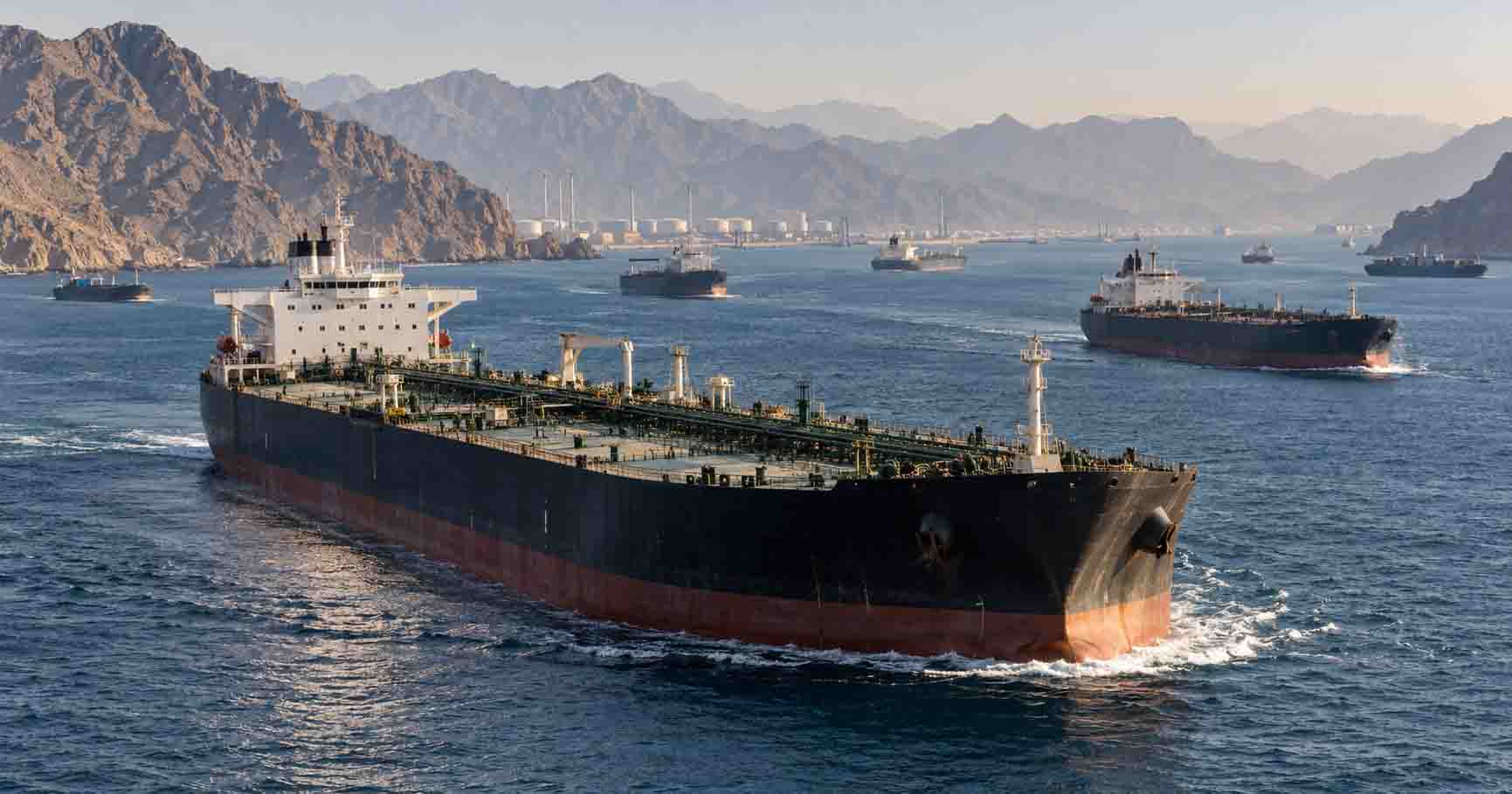
Washington’s bets on breaking the Iranian will through the “economic pariah” campaign and rigorous naval blockade measures have collapsed. Instead of subjugating Tehran, the economic war rebounded to strike a fatal blow to the US and Western economies, translating into a surge in crude oil prices approaching the mark of one hundred dollars per barrel, and fuel and gasoline prices in the US market exceeding historic levels unprecedented in decades. The repercussions did not stop at inflation and energy pressures, but extended to the core of American military deterrence.
The naval arena in the Strait of Hormuz has proven the inability of the US fleet to provide a reliable security umbrella for shipping traffic. This was vividly reflected in the continuous decline in tanker traffic and the persistent American resort to draining its strategic petroleum reserves to their lowest levels since the 1980s. More telling in this context is the qualitative development of the Iranian response, represented by the imposition of a naval exclusion zone, the targeting of aggressive war vessels, and culminating in the intelligence and military achievement of seizing an advanced US uncrewed underwater vehicle (Dive-LD model), in addition to targeted missile strikes against advanced military and vital bases and headquarters in the region—such as Al-Azraq base in Jordan and the targeting of two US destroyers equipped with the “Aegis” system. This exposed the fragility of the military infrastructure of the US presence and forced decision-making circles in Washington and the Pentagon into serious discussions to reduce the permanent presence and retreat in the face of mounting human and operational costs.
Second: Western Fractures and the European Scene: Between Settlement Boycott and the Identity Dilemma
On the Western diplomatic and political side, the international map is recording notable fractures in the wall of absolute support for Israeli occupation policies. The joint statement by twelve Western countries—including Britain, France, and Canada alongside other European nations—imposing national restrictions and a ban on the trade of illegal settlement goods, constituted an inevitable reaction to Israeli persistence in annexation and settlement projects, particularly the (E1) project and escalating settler violence that undermines any serious horizon for a two-state solution. Despite attempts by Tel Aviv and settlement councils to brand these steps as anti-Semitism, the diplomatic “domino” effect has become a reality gradually tightening the noose around the legality of the occupation in international forums.
In contrast, the internal political scene in Europe, specifically the rise of far-right forces such as the Alternative for Germany (AfD) party in the recent local elections in Saxony-Anhalt, reflects a major and complex dilemma for Israeli policy. While narrow nationalist circles in Israel welcome the anti-Muslim and anti-immigrant rhetoric of these parties—which shows tactical support for Israel—they ignore historical memory and the realities of European nationalism that has long targeted “the other,” foreshadowing a latent danger to Jewish communities themselves when European society turns to question identity and belonging. Replacing moral principles and historical resistance to Nazism with fleeting, transient interests reflects a deep crisis in Israeli strategic vision and its responsibility toward the Jewish diaspora.
Third: Support Fronts and the Integration of Arenas: Yemen, Lebanon, and the Resilience of the Supporting Society
In the region, the links of the Axis of Resistance integrate to draw field deterrence equations. In Yemen, the Yemeni Armed Forces continue to manage the battle with exceptional efficiency, frustrating the psychological and media warfare led by coalition forces and colonial circles, and affirming their continued support for Gaza and Palestine by keeping the Red Sea and Bab el-Mandeb Strait card an effective strategic pressure tool.
As for Lebanon, a dual battle is underway: a field battle facing ongoing Israeli aggression, and a fierce internal intellectual and political battle over the role of the state, the concept of sovereignty, and independent decision-making. In this context, sharp controversies and debates—such as those sparked by the “Second Nabatieh Appeal” and the deep critical analytical readings it met—shed light on the danger of political and behavioral schizophrenia within the same environment. The attempt to blame the resistance alone for the burden of occupation and aggression by invoking discourses of “dual decision-making” or “withdrawing pretexts” constitutes a dangerous inversion of the balance of facts, where the Israeli aggressor is equated with the resistance defending the land and existence, and the state is absolved of its strategic responsibilities while its choices are mortgaged to Western pressures.
The cultural and social appeals issued by the resistance bases and its supporting society emphasize that the battle has transcended the direct military dimension to target “the resisting civil society” as a strategic fortress and an ideological bloc protecting the liberation project. Despite the magnitude of exceptional losses and massive sacrifices in lives and infrastructure, adherence to awareness, deterring jittery and fleeing voices, and thwarting attempts to dismantle internal unity remain the objective conditions to cut off the path to the presumed defeat.
Conclusion
The general landscape of 2026 confirms that the region is standing on the brink of a major historical transformation. Israeli and Western arrogance are colliding with the rock of strategic steadfastness of the resistance forces in Gaza, Lebanon, Yemen, Iraq, and Iran. With the erosion of US deterrence in the seas and the rising cost of wars on Western economies, the rules of engagement are shifting slowly and steadily in favor of the forces of genuine sovereignty. Managing the current crisis requires a profound awareness of the nature of the battle, a categorical rejection of the traps of disinformation and surrender, and a firm belief that victory is the culmination of long patience and sound management of the grand confrontation that is drawing the features of the future of the entire Levant.
Read Also:
- From Oslo to Baghdad and Damascus: The Comprehensive Engineering to Integrate the Fertile Crescent into the Israeli-American Center
- Strangling the Fertile Crescent: Hybrid Warfare from Beneath the Earth to the Edge of the Sky
- The Psychology of Supremacy and the Inevitability of Moral Collapse
- Beirut Port Explosion: Between the Negligence Narrative and Geopolitical Questions
- The Geopolitical Approach to Colonial Exploitation
- Revolution of Consciousness: Deconstructing the Architecture of Illusion and the Abrahamic Coast Plans in the Eastern Mediterranean
- Embryos on the Borders of the Black Market