

Aramco Begins Engineering Work to Expand East-West Pipeline, Bypassing Hormuz as Profits Jump 35%

Saudi Aramco’s East-West Pipeline has entered a new phase of expansion planning after the company announced the start of preliminary engineering work to increase its capacity to transport oil without passing through the Strait of Hormuz. CEO Amin Nasser said on Tuesday, November 3, 2026, that Aramco was studying an increase in the pipeline’s capacity from 7 million to 10 million barrels per day, alongside alternative export routes and additional storage capacity outside Saudi Arabia. The announcement coincided with a 35% increase in third-quarter net profit to approximately $36.3 billion, supported by higher oil prices, stronger refining margins and gains from the sale of a stake in a Malaysian venture. Adjusted net income rose 9%.
East-West Pipeline: Aramco Studies Capacity Increase to 10 Million Barrels per Day
Saudi Aramco CEO Amin Nasser confirmed that the company had begun preliminary engineering work to assess an expansion of the East-West Pipeline, which transports crude oil from production areas in eastern Saudi Arabia to export facilities on the Red Sea.
The pipeline currently has a capacity of approximately 7 million barrels per day. Saudi Arabia is studying an increase to 10 million barrels per day under a plan previously announced by Energy Minister Prince Abdulaziz bin Salman in October 2026.
Speaking during a discussion of the company’s third-quarter financial results, Nasser said engineering work was underway to evaluate the potential expansion, alongside studies of other oil transportation routes.
He said Aramco would not disclose details of additional projects before final investment decisions were made.
The current phase does not mean that the expansion has been completed or that the proposed additional capacity is operational. The project remains at the preliminary engineering and assessment stage.
Why Is Saudi Arabia Seeking to Reduce Its Dependence on the Strait of Hormuz?
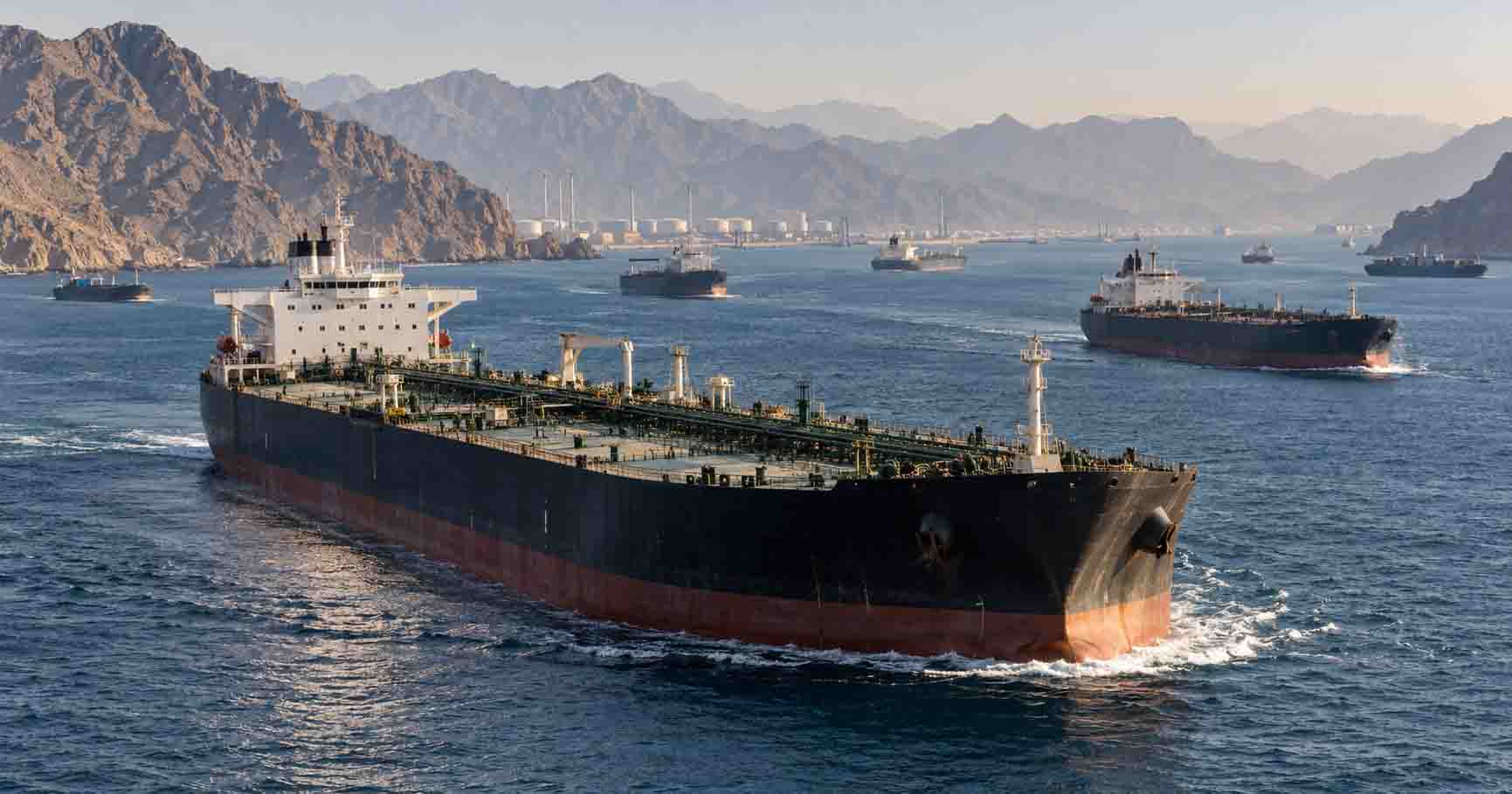
Aramco’s plans come amid widespread disruptions to oil tanker traffic through the Strait of Hormuz, which handled approximately 20% of global oil supplies before the war with Iran began, according to figures cited by Reuters.
The East-West Pipeline allows Saudi crude oil to be transported to the Red Sea coast and exported through its ports without passing through the Strait of Hormuz.
The pipeline has become increasingly important in recent months as some traditional export routes have been disrupted and security risks facing tankers in the Gulf have risen.
However, the alternative route is not without security challenges. The pipeline itself has been targeted during the war, highlighting the importance of diversifying export and storage infrastructure.
Aramco is also considering expanding its storage capacity outside Saudi Arabia to provide greater flexibility in meeting customer demand when shipping routes are disrupted.
Aramco’s Third-Quarter Profit Rises 35% to $36.3 Billion
Saudi Aramco reported a 35% increase in third-quarter 2026 net profit to approximately $36.3 billion, compared with about $26.9 billion during the same period in 2025.
The increase was supported by stronger revenue from higher oil prices, alongside gains from the sale of the company’s stake in Malaysia’s PRefChem refining and petrochemicals venture.
According to Aramco’s official financial results, the company’s average realized crude oil price reached approximately $95.20 per barrel during the third quarter, compared with $70.10 a barrel a year earlier.
Its downstream operations, including refining, chemicals and marketing, also benefited from stronger refining margins. Adjusted earnings before interest, income taxes and zakat for the segment increased 234% year over year.
Adjusted Net Income Rises 9%: How Does It Differ From Reported Profit?
Although reported net profit increased by approximately 35%, adjusted net income, which excludes the effects of certain nonrecurring items, recorded a smaller increase of 9%, reaching $31.2 billion compared with approximately $28.6 billion a year earlier.
The difference between the two measures reflects gains associated with Aramco’s sale of its stake in the Malaysian PRefChem venture, along with other financial factors included in reported net profit.
Adjusted net income provides an additional measure of the company’s underlying performance without relying solely on exceptional gains to assess its third-quarter results.
Aramco also reported cash flow from operating activities of $38.7 billion and free cash flow of $28.2 billion.
The board approved a base dividend of $21.9 billion for the third quarter, an increase of 3.5% year over year, payable during the fourth quarter.
More Than 130 Attacks on Oil Tankers Since the Crisis Began
Amin Nasser warned of continuing risks to global energy trade, citing more than 130 attacks on oil tankers since the crisis began, according to figures he provided and Reuters reported.
He said most of the attacks had targeted very large crude carriers, contributing to a rise in shipping rates for these vessels to more than 15 times their levels a year earlier.
A very large crude carrier, or VLCC, can transport approximately 2 million barrels of crude oil, making disruptions to these vessels a significant factor in global supply chains.
Nasser said the crisis was affecting more than oil markets, with higher transportation costs, fertilizer shortages and rising food and consumer goods prices adding to inflationary pressures on the global economy.
The figures on tanker attacks and shipping costs remain attributed to Aramco’s chief executive and are not presented as independently verified statistics from an international maritime authority.
Could an Expanded East-West Pipeline Replace Oil Exports Through Hormuz?
If implemented, an expansion of the East-West Pipeline could increase Saudi Arabia’s capacity to transport oil to the Red Sea without using the maritime route through the Strait of Hormuz.
However, increasing the pipeline’s capacity to 10 million barrels per day would not be sufficient to replace all oil supplies previously shipped through the strait. Other producing countries rely on different export routes, while deliverable volumes also depend on port capacity, tanker availability and supporting infrastructure.
Maintaining reliable supplies requires not only available oil but also the capacity to transport, store, load and ship it safely to consuming markets.
Profile News previously covered ADNOC’s warning that nearly 1 billion barrels had been drawn from global oil inventories amid shipping disruptions and rising energy delivery costs.
Countries participating in the latest OPEC+ decision also agreed to maintain their December 2026 oil production targets, while actual supplies continued to face export and shipping risks.
Aramco Expands Investment in Oil and Gas Projects
Alongside its financial results, Aramco announced the start of production from the Zuluf crude oil increment project and said other major developments remained on schedule.
These include the second phase of the Jafurah development, the expansion of the Fadhili gas plant and the Dammam field development project.
The company also reported acquiring a 49% stake in HUMAIN through a transaction involving asset transfers and cash contributions valued at approximately $2.6 billion, as part of efforts to expand its presence in artificial intelligence.
The investments form part of Aramco’s efforts to diversify its activities and strengthen operational and technological capabilities while continuing to develop oil and gas projects.
What Comes Next for the East-West Pipeline Expansion?
The current phase involves completing engineering work and assessing the technical and investment feasibility of the proposed expansion, alongside evaluating additional export routes and storage facilities outside Saudi Arabia.
Aramco has not announced a final timetable for completing all the proposed projects or confirmed final investment decisions on the additional routes.
Nasser said the company retained operational flexibility that would allow it to increase production rapidly when conditions required, adding that underlying global energy demand remained strong.
Aramco’s latest plans underscore the importance of securing alternative export routes at a time when global oil trade faces challenges involving not only production volumes but also the ability of companies and countries to deliver supplies to markets reliably and safely.
Sources
- Saudi Aramco – Official Third-Quarter 2026 Financial Results, November 3, 2026.
- Reuters – Aramco Explores East-West Pipeline Expansion and Alternative Routes Bypassing Hormuz, November 3, 2026.
- Associated Press – Aramco’s Quarterly Profit Growth and Energy Supply Disruptions, November 3, 2026.
- Saudi Aramco – Third Quarter 2026 Financial Results and Operational Highlights.