Daily Report September 25, 2026: Hormuz, Southern Lebanon and the Makkah Pact Lead the Day

The Daily Report for September 25, 2026 was led by Iran and the Strait of Hormuz, renewed developments across southern Lebanon and a new stage in military coordination between Saudi Arabia, Türkiye and Pakistan.
The day also brought a major expansion of the Ebola outbreak in the Democratic Republic of Congo, a significant Microsoft Copilot upgrade, continued U.S.-China diplomacy over Iran, and renewed movement across oil and financial markets.
Profile News had tracked the buildup to these developments in the Daily Report for September 24, 2026.
Daily report in a minute
- Iran and Hormuz: Tehran said it would not make major nuclear concessions even if Washington accepted its plan to reopen the Strait of Hormuz.
- Trump and Iran: A Wall Street Journal report said Donald Trump rejected the Iranian proposal, while Tehran later said it was still awaiting an official U.S. response.
- Southern Lebanon: Profile News correspondents reported airstrikes, artillery fire, demolitions and illuminating flares across several southern areas.
- Makkah pact: Saudi, Turkish and Pakistani military chiefs met in Riyadh to discuss intelligence sharing, military coordination and capability integration.
- Trump-Xi: Trump raised Iran directly with Xi Jinping and, according to the U.S. ambassador to China, received assurances over Chinese support for Tehran.
- Ebola: The Congo outbreak spread further as authorities identified only about 30,000 contacts out of more than 400,000 expected.
- Microsoft: Copilot gained Code, always-on AI agents and deeper Word, Excel and PowerPoint integration.
- Markets: Wall Street finished higher while oil prices fell as investors weighed diplomacy against regional supply risks.
Iran and Hormuz: a seven-day plan and nuclear red lines
Iran dominated the geopolitical agenda on September 25.
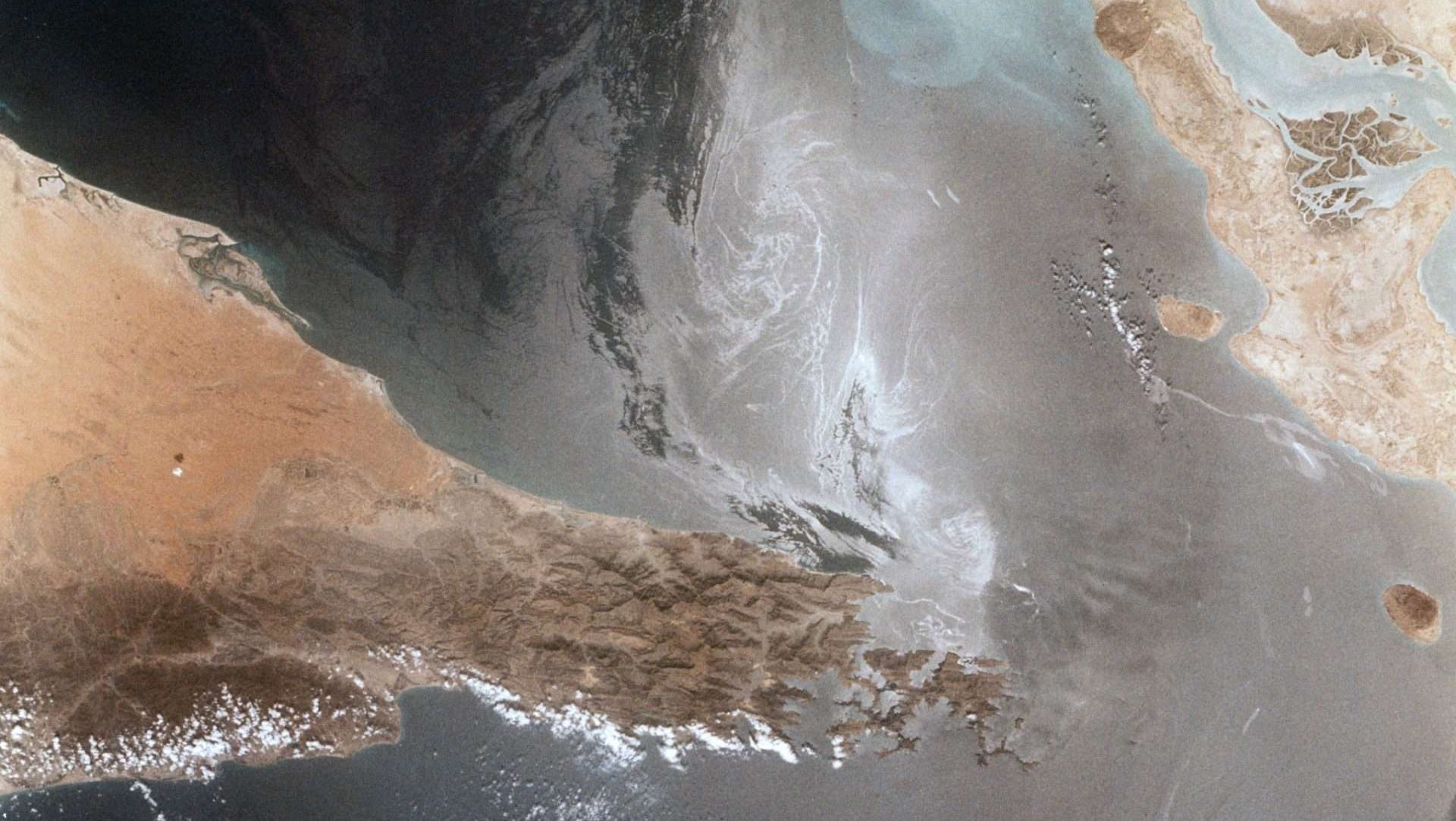
Tehran said it had presented a plan that could reopen the Strait of Hormuz and halt regional fighting within seven days if the United States accepted a series of Iranian conditions.
The proposal includes steps involving the U.S. blockade of Iranian ports, frozen Iranian funds and sanctions on oil exports.
At the same time, a senior Iranian official told Reuters that Tehran would not show flexibility on what it considers its nuclear rights, including uranium enrichment.
Profile News covered the broader negotiation in Iran and the Strait of Hormuz nuclear talks.
For additional background on the nuclear track, see Iran’s nuclear program and the Oman talks.
Report says Trump rejected Iran’s proposal
Late in the day, the Wall Street Journal reported that Trump had rejected Iran’s proposal to reopen the Strait of Hormuz and halt fighting.
However, Iran subsequently said it was still awaiting an official U.S. response, while Reuters said it had not independently verified the rejection report.
That distinction remains important: the current public record supports a reported rejection, not a formal White House announcement closing diplomatic channels.
Profile News followed the development in Trump, Iran and the Strait of Hormuz.
Southern Lebanon: airstrikes and artillery across multiple areas
Southern Lebanon saw another day of military activity, according to field information gathered by Profile News correspondents.

Airstrikes were reported in Bani Hayyan, Zawtar al-Sharqiya and the Wadi al-Salouqi–Qantara area.
Artillery fire was reported in Wadi Zibqin, Wadi al-Salouqi, Kfar Shouba, Kfar Tibnit, Hebbariyeh, Seddaneh, Houla, Beit Lif, Zawtar al-Sharqiya, Wadi al-Khanazir–Qusayr, Mansouri, Hadatha, Srebbine, Aita al-Jabal, Kounine and the Aita al-Jabal woodland area.


Profile News correspondents also reported artillery fire and what they described as phosphorus munitions in Zawtar al-Sharqiya. That identification was based on field reporting and was not independently verified externally.
Explosions were reported in Deir Siryan and Mansouri, while illuminating flares were observed over Hadatha and Tayri.

Makkah pact moves into military coordination
Saudi, Turkish and Pakistani military chiefs met in Riyadh and discussed closer defense coordination under the Makkah Joint Defence Agreement.
According to Reuters, the talks focused on intelligence sharing, military coordination and capability integration.
The meeting marked a more practical stage in the agreement after earlier political and institutional preparations.
No joint combat deployment or direct intervention was announced.
Profile News covered the development in the Makkah Joint Defence Agreement.
Trump and Xi put Iran on the summit agenda
Iran also became a direct issue in the Washington summit between U.S. President Donald Trump and Chinese President Xi Jinping.
The U.S. ambassador to China said Trump warned Xi against providing support to Iran and that Washington received assurances from Beijing.
At the same time, the summit itself ended with limited public breakthroughs on the broader U.S.-China disputes, despite extensive personal diplomacy between the two leaders.
Profile News examined the Iran dimension of the summit in Trump, Xi and Iran.
Ebola in Congo: the contact-tracing gap widens
A major public-health warning emerged from the Democratic Republic of Congo.
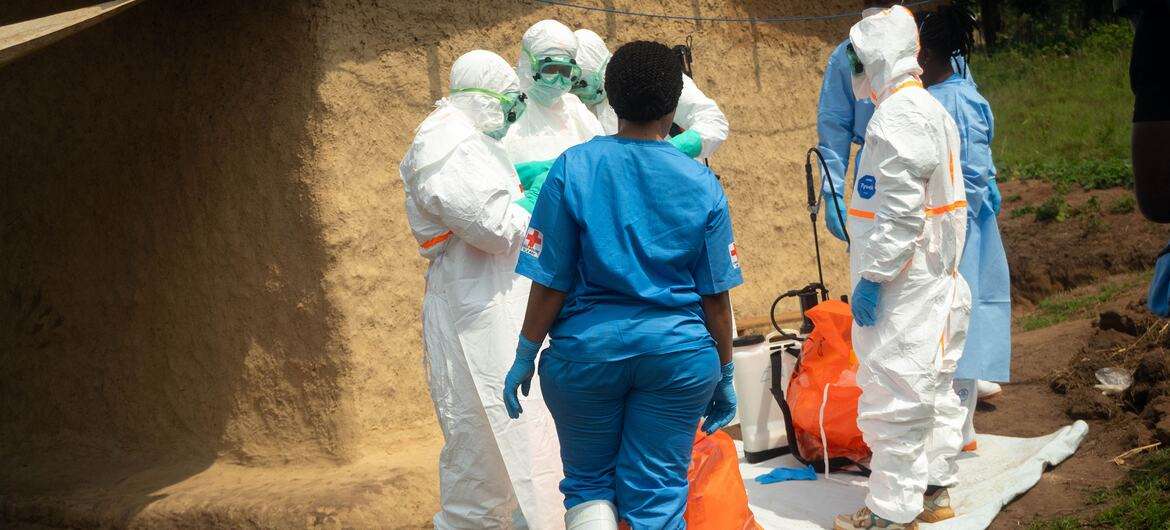
Africa CDC Director-General Jean Kaseya told Reuters that health authorities had identified only about 30,000 people who may have been exposed to Ebola, compared with more than 400,000 expected contacts based on the scale of the outbreak.
The shortfall suggests that substantial transmission remains outside formal surveillance networks.
Profile News covered the outbreak in the Congo Ebola outbreak.
Microsoft Copilot moves deeper into agentic AI
Microsoft announced a major Copilot expansion that moves the platform further beyond a traditional chatbot model.
The company introduced Code, a tool designed to build apps and software from natural-language instructions, along with an always-on AI agent and deeper integration with Word, Excel and PowerPoint.
The broader strategy is to turn Copilot into a workspace capable of executing longer-running tasks rather than simply answering prompts.
Profile News covered the update in Microsoft Copilot and AI agents.
Markets: Wall Street ends higher as AI remains in focus
U.S. equities ended the September 25 session higher as technology and artificial-intelligence stocks remained a major source of support.
The Microsoft Copilot announcement added to optimism around enterprise AI, even as investors remained cautious about elevated bond yields and geopolitical risks linked to Iran and the Strait of Hormuz.
For markets, the key tension remained the same: stronger AI-related equity sentiment on one side, and high interest rates, oil volatility and regional conflict on the other.
Oil falls as investors price in diplomacy
Oil prices declined as investors gave more weight to the possibility of a diplomatic path between Washington and Tehran, even though regional supply risks remained elevated.
The market continued to react to expectations that any credible reopening of the Strait of Hormuz could improve supply conditions and reduce the geopolitical premium embedded in crude prices.
At the same time, the risk of renewed military escalation, Houthi attacks and disruptions to Gulf infrastructure kept traders cautious.
Profile News tracked the move in oil prices and U.S.-Iran truce expectations.
The bigger picture on September 25
September 25 was defined by the intersection of diplomacy, military pressure and markets.
Iran’s proposal put the Strait of Hormuz at the center of U.S.-Iran negotiations, while Tehran simultaneously reinforced its nuclear red lines.
Southern Lebanon remained active, and the Makkah pact moved into practical military coordination as Saudi Arabia, Türkiye and Pakistan sought closer security cooperation.
At the same time, global attention extended beyond the Middle East: Ebola exposed a major surveillance gap in Congo, while Microsoft accelerated the shift from conversational AI toward autonomous agents.
By the end of the day, markets were already pricing both possibilities in the Iran conflict: diplomacy that could ease supply pressure, and renewed escalation that could quickly reverse those gains.
🔴 Follow Profile News breaking news 24/7
All major developments in one place, with continuous updates throughout the day.
📲 Enable ALLOW NOTIFICATION when you open the page to receive breaking news directly on your phone or device.
🔗 Breaking News 24H
Sources
- Reuters — Iran will make no nuclear concessions
- Reuters — Iran awaits U.S. move after report says Trump rejected plan
- Southern Lebanon: Profile News field report, September 25, 2026.
- Reuters — Saudi, Turkish and Pakistani military chiefs discuss closer ties
- Reuters — Trump warns Xi over Chinese support for Iran
- Reuters — Congo Ebola contact tracing falls far short
- Reuters — Microsoft revamps Copilot with agentic AI tools