


Daily Report | Iran, Oil Markets, Israel-Lebanon and Ukraine Lead Global Headlines – September 3, 2026
Profile News
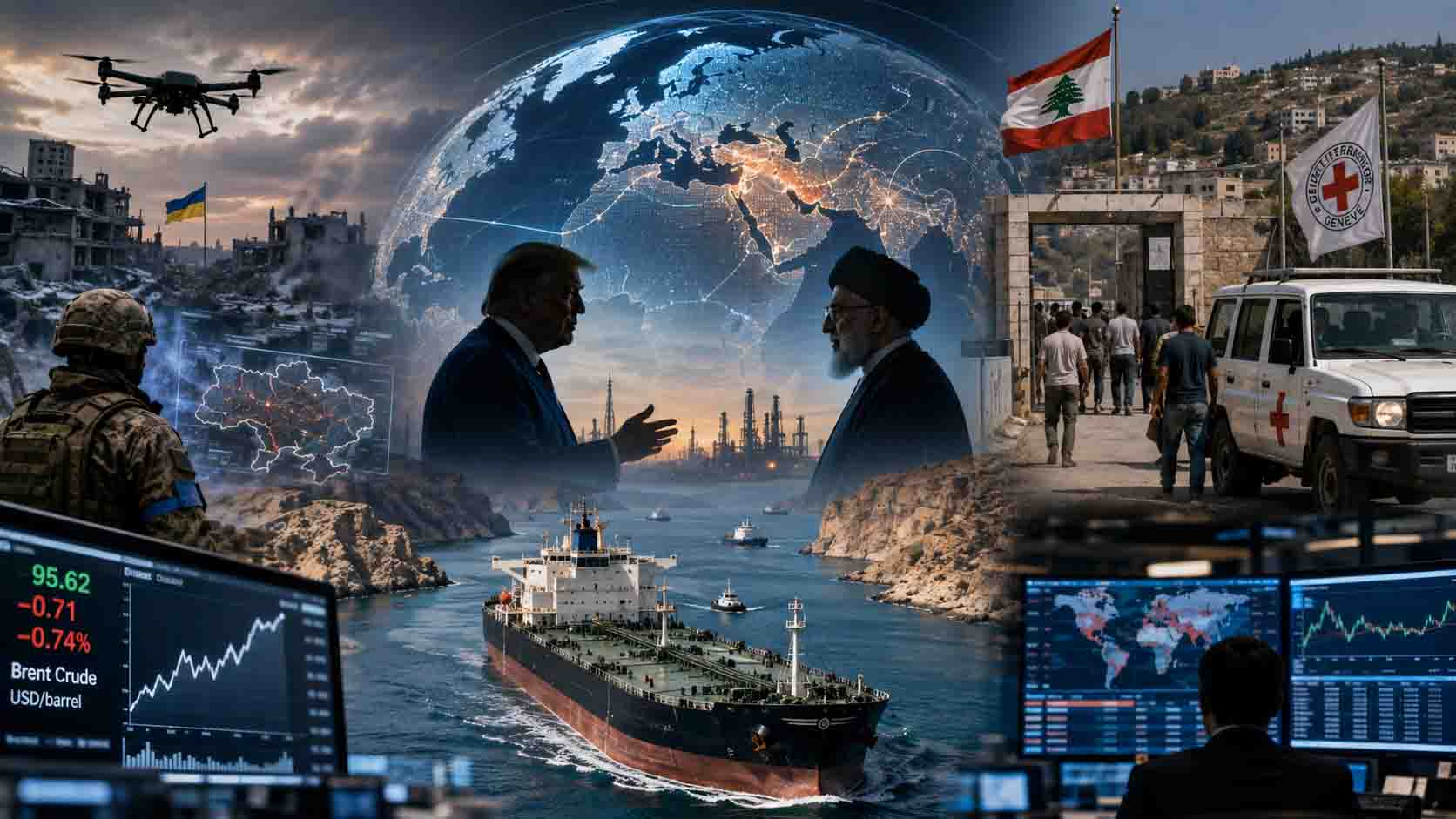
Daily Report for Thursday, September 3, 2026, highlights the day’s leading political, military, and economic developments, led by continued U.S. pressure on Iran, security developments in the Gulf region, updates on the Israel–Lebanon file, and the ongoing Russia–Ukraine war, while global energy markets continued to monitor the impact of geopolitical tensions on oil prices and supply.
The day also saw mounting economic pressure on Iran as U.S. sanctions remained in force, alongside new statements from U.S. President Donald Trump and Vice President JD Vance regarding the Strait of Hormuz and future U.S. policy toward Tehran, amid continued diplomatic and security activity across the region.
🔴 Follow Breaking News Live Here
Daily Report Summary
- The United States continued to tighten political and economic pressure on Iran.
- President Donald Trump and Vice President JD Vance reaffirmed Washington’s hardline position toward Tehran.
- Reuters reported that U.S. sanctions are placing increasing pressure on Iran’s economy and oil exports.
- Israel announced the release of five Lebanese detainees through U.S. mediation.
- Russia and Ukraine exchanged new drone attacks.
- Oil prices remained elevated amid persistent geopolitical tensions.
United States and Iran: Political and Military Pressure Continues
Washington continued issuing statements regarding Iran throughout the day, with President Donald Trump reaffirming his administration’s policy of maintaining pressure on Tehran while tensions remained high in the Gulf and attention stayed focused on security in the Strait of Hormuz.
Vice President JD Vance also said the United States would not hold talks with Iran unless Tehran stopped attacks on commercial shipping in the Strait of Hormuz, reflecting Washington’s continued hardline approach.
These statements come against the backdrop of recent military developments covered previously by Profile News in its report on U.S. strikes on Iran, which examined the latest escalation between Washington and Tehran.
Profile News also covered President Trump’s latest remarks in Trump: We Control the Strait of Hormuz… Report Reveals Extension of U.S. Military Deployment.
U.S. Sanctions Increase Pressure on Iran’s Economy
Economically, a Reuters report citing senior Iranian officials indicated that tightened U.S. sanctions are placing growing pressure on Iran’s economy through declining oil exports, rising costs of sanctions evasion, and more limited access to foreign currency.
The report said Iranian crude exports have continued to decline compared with the same period last year, while global markets closely monitor the potential impact on energy supplies.
Profile News examined these developments in detail in U.S. Sanctions Tighten Pressure on Iran’s Economy and Oil Exports.
Israel and Lebanon: Detainee Release Through U.S. Mediation
The Israel–Lebanon file saw a notable development after Israel announced the release of five Lebanese detainees. According to Axios, a U.S. official said the move resulted from American mediation between the two sides.
Lebanese officials later confirmed that one detainee had been transferred through the International Committee of the Red Cross, while efforts continue to complete the release of the remaining detainees as indirect contacts continue on humanitarian and security issues.
Profile News covered the full story in Israel and Lebanon: Five Lebanese Detainees Released Through U.S. Mediation.
Russia and Ukraine Exchange New Drone Attacks
Military operations between Russia and Ukraine continued, with Ukraine’s Air Force reporting the interception of Russian drones overnight, while Russia’s Defense Ministry said its air defenses had intercepted hundreds of Ukrainian drones across several regions.
Moscow also reported strikes on logistics facilities in Ukraine, while Ukrainian authorities reported casualties and infrastructure damage following Russian drone attacks.
Yemen: Fighting Continues in Taiz and the Western Coast
In Yemen, government forces reported continued clashes with Houthi fighters west of Taiz, saying several drones had been intercepted while missile attacks targeted areas along the western coast without disrupting ongoing military operations.
The developments come amid continued security tensions across several Yemeni provinces and ongoing exchanges of accusations between the warring parties.
Energy Markets Continue Monitoring Geopolitical Tensions
Global energy markets continued to watch geopolitical developments across the Middle East as oil prices remained relatively elevated amid concerns over supply security and maritime navigation in the Gulf.
Profile News previously examined these developments in Oil Prices Above $95: What Rising Middle East Tensions Mean for Global Markets.
What We Know So Far
- The United States continues tightening political and economic pressure on Iran.
- U.S. sanctions continue affecting Iran’s oil exports and broader economy.
- Israel has announced the release of five Lebanese detainees through U.S. mediation.
- Russia and Ukraine continue exchanging drone attacks.
- Clashes remain ongoing in Yemen.
- Energy markets continue monitoring geopolitical developments affecting global oil supplies.
What to Watch Next
Attention now turns to potential developments surrounding Iran, indirect contacts between Lebanon and Israel, continued fighting in Ukraine, and any geopolitical developments that could influence global oil markets and energy supplies.
Timeline of the Day
- New U.S. statements on Iran and the Strait of Hormuz.
- Reuters publishes its report on sanctions and Iran’s economy.
- Israel announces the release of five Lebanese detainees.
- Russia and Ukraine report new drone interceptions.
- Fighting continues in Yemen.
- Oil markets continue reacting to geopolitical developments.
Key Numbers
- 260,000 barrels per day: Iran’s crude oil exports, according to Kpler data cited by Reuters.
- 1.7 million barrels per day: Iran’s exports during the same period last year.
- Above $95 per barrel: Brent crude traded above this level amid continued geopolitical tensions.
- Five Lebanese detainees: Released by Israel.
- 69.9%: Iran’s average annual inflation rate, according to official data cited by Reuters.
Conclusion
Daily Report concludes its coverage of Thursday, September 3, 2026, with continued U.S. pressure on Iran, ongoing diplomatic activity across the Middle East, persistent fighting in Ukraine and Yemen, and close monitoring by global energy markets of developments that could affect oil supplies and prices.
Attention now shifts to the coming days as governments, markets, and international organizations continue monitoring developments that may influence regional security, global trade, and energy markets.
🔴 Follow Breaking News Live Here
Frequently Asked Questions (FAQ)
What were the biggest global developments on September 3, 2026?
The day featured continued U.S. pressure on Iran, new sanctions-related developments, the release of Lebanese detainees through U.S. mediation, continued fighting between Russia and Ukraine, developments in Yemen, and ongoing volatility in global energy markets.
Why are global markets closely watching the Middle East?
The Middle East remains central to global oil and gas production. Any disruption to shipping routes or regional stability can influence energy supplies, transportation costs, and international commodity prices.
Could U.S. sanctions on Iran affect global oil prices?
Sanctions on Iran may influence oil markets if they significantly affect export volumes or regional trade. However, prices also depend on global demand, OPEC+ production policy, and broader geopolitical developments.
Sources
- Reuters
- Axios
- The White House
- U.S. Central Command (CENTCOM)
- International Committee of the Red Cross (ICRC)
- Kpler


