Daily Report | Top World News Today: Iran, Lebanon, Ukraine, Yemen & Global Energy | September 4, 2026
Daily Report for Friday, September 4, 2026, covers the day’s most significant political, military, and economic developments, led by continued U.S. and European pressure on Iran, intensified Israeli airstrikes in southern Lebanon, new developments in the Russia–Ukraine war, expanding fighting in Yemen, and diplomatic efforts related to the Strait of Hormuz and global energy markets.
This Daily Report comes as military developments continue to intersect with diplomatic initiatives. Reports indicated that the United States is pursuing a broader agreement with Iran while simultaneously expanding sanctions, as military operations continued across several regional and international fronts.
This report follows up on Profile News’ previous coverage in the Daily Report – September 3, 2026, with the latest developments from today.
🔴 Follow Breaking News Live Here
Daily Report Summary
- The United States and the European Troika moved forward with efforts at the International Atomic Energy Agency regarding Iran.
- Washington imposed new sanctions while maintaining its economic pressure campaign against Tehran.
- Reports suggested U.S. efforts toward a broader agreement with Iran covering the Strait of Hormuz and the Iranian nuclear program.
- Israel continued airstrikes across southern Lebanon while the trilateral framework involving Beirut and Tel Aviv remained active.
- Russia and Ukraine exchanged another wave of attacks as diplomatic efforts continued.
- Military operations expanded in Yemen with reinforcements arriving and air power entering the fighting.
- Global energy markets continued monitoring geopolitical tensions and their impact on oil supplies.
Daily Report: U.S. and Iran Between Sanctions and Diplomacy
Developments surrounding Iran dominated the international agenda after Reuters reported that the United States and the European Troika were seeking an IAEA resolution that could ultimately refer Iran’s alleged non-compliance with its nuclear obligations to the United Nations Security Council.
At the same time, the U.S. Treasury Department announced new sanctions targeting three Iran-related entities, continuing Washington’s economic pressure campaign aimed at restricting Tehran’s access to the international financial system.
The U.S. Treasury Secretary said Washington would continue implementing what he described as an “economic outcast” strategy, adding that additional sanctions on financial institutions remain possible if support for Iran continues.
Meanwhile, Iran’s government spokesperson acknowledged that tougher sanctions have affected resource availability and the implementation of development projects, representing one of Tehran’s latest official acknowledgments of the sanctions’ economic impact.
These developments follow Profile News’ previous report on U.S. sanctions tightening pressure on Iran’s economy and oil exports.
Diplomatic Efforts on the Strait of Hormuz and Iran’s Nuclear Program
Alongside the sanctions campaign, the Financial Times, citing diplomatic sources, reported that the Trump administration continues working through mediators on a broader framework agreement with Iran covering the Strait of Hormuz, Iran’s nuclear program, and several regional security issues.
According to the report, Washington considers keeping the Strait of Hormuz open to international shipping a strategic priority while diplomatic efforts continue alongside military and economic pressure.
Profile News previously covered these diplomatic developments in New Iran Agreement Covering the Strait of Hormuz and Iran Nuclear Program Negotiations.
Daily Report: Lebanon and Israel Amid Escalation and Ongoing Trilateral Talks
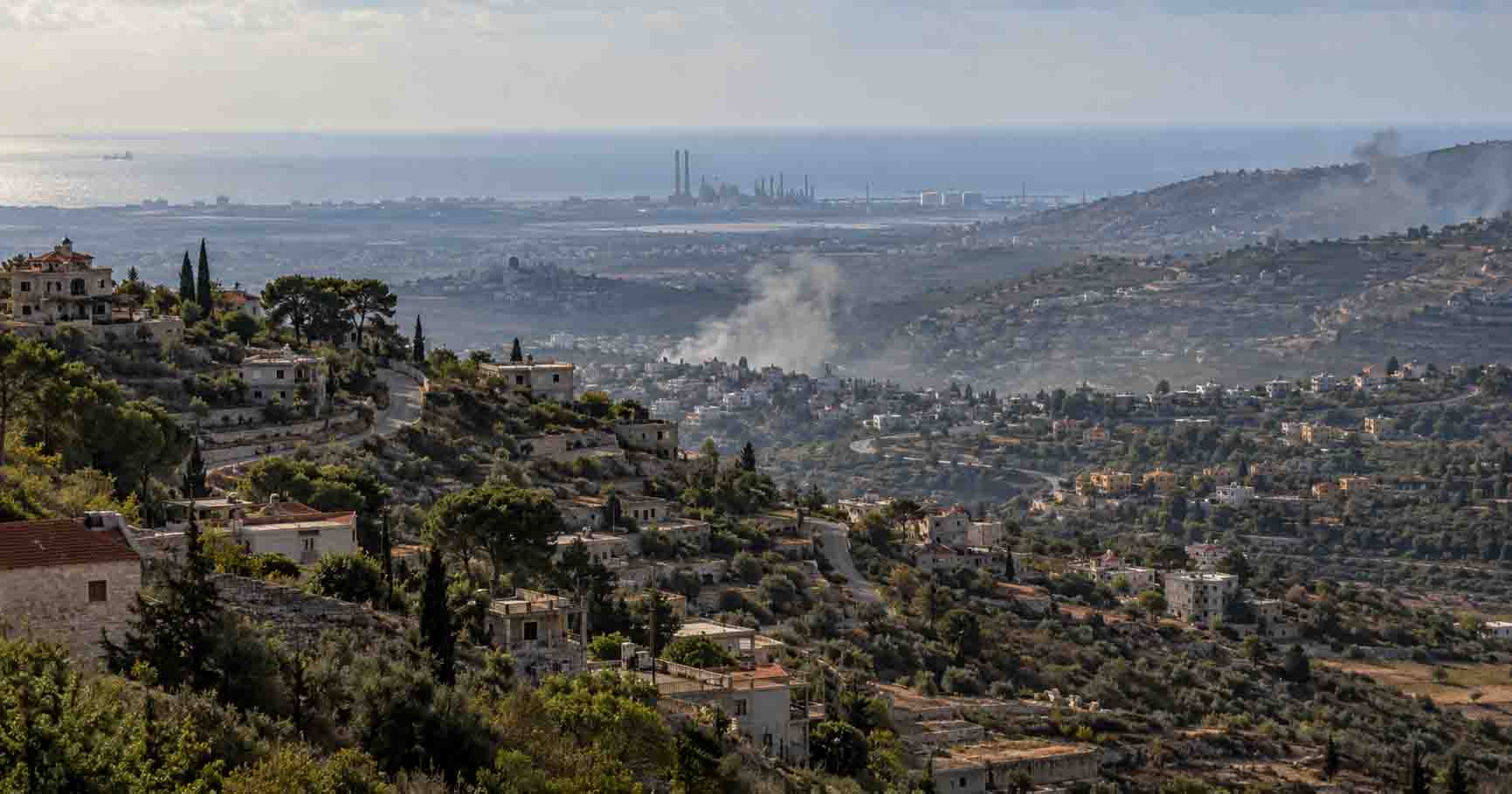
Southern Lebanon witnessed another day of heavy military escalation as Israeli aircraft carried out strikes targeting multiple locations including Nabatieh, Nabatieh al-Fawqa, Meifdoun, Kfour, Ramadiyah, Mansouri, and Ain al-Tineh, alongside artillery shelling across several southern areas.
Lebanon’s Ministry of Health reported an initial toll of three people killed and 23 others injured following Israeli strikes on southern and eastern Lebanon. Meanwhile, the Israeli military said it intercepted a drone allegedly launched toward its forces inside what it describes as the “security zone.”
On the diplomatic front, the trilateral framework between Beirut and Tel Aviv remained active after the International Committee of the Red Cross confirmed facilitating the transfer of five Lebanese detainees from Israel to Lebanon.
Lebanon’s president thanked the United States and the ICRC for their efforts while reaffirming Lebanon’s commitment to completing the agreed framework and restoring full sovereignty.
The U.S. Embassy in Beirut described the transfer as a positive step and encouraged both sides to build on the momentum ahead of the next round of negotiations.
Profile News previously covered the story in Israel and Lebanon: Detainees Released Through U.S. Mediation.
Daily Report: Russia and Ukraine Continue Exchanging Strikes
The Russia–Ukraine war continued at a high operational tempo. Russia’s Ministry of Defence said it intercepted 490 Ukrainian drones overnight and announced strikes against vessels allegedly transporting Western military equipment, ammunition, and fuel through Black Sea ports.
Ukrainian President Volodymyr Zelenskyy said a Russian strike targeted the headquarters of Ukraine’s Security Service in Kyiv and ordered a proportional response. He also called on Moscow to halt attacks during the planned visit of U.S. envoys Steve Witkoff and Jared Kushner.
Reports indicated that the U.S. envoys are expected to visit both Moscow and Kyiv in the coming days as part of diplomatic efforts aimed at exploring proposals to end the war. The Kremlin reiterated that Western weapons production facilities inside Ukraine remain legitimate military targets.
Daily Report: Fighting Expands in Yemen
Yemen saw intensified military activity after government forces announced the arrival of reinforcements from the Giants Brigades and Shield of the Nation forces to fronts in Taiz and the western coast.
Government forces also said air power entered combat operations in the Hays front for the first time while reporting the interception of a Houthi drone. Yemeni authorities accused the Houthis of shelling civilian areas and causing casualties.
The chairman of Yemen’s Presidential Leadership Council stated that the government would not allow any threat to navigation through the Bab el-Mandeb Strait.
Gaza and the West Bank
Military operations continued in Gaza and the West Bank, with Palestinian sources reporting casualties following Israeli strikes near Khan Younis. The Israeli military also announced operations in Nablus and Qabatiya, saying it arrested suspects and dismantled workshops allegedly used to manufacture weapons.
Meanwhile, the U.S. ambassador to Israel stated that perpetrators of violence against Palestinians in the West Bank should face consequences, saying such acts damage Israel’s image.
Daily Report: Energy Markets Continue Monitoring Regional Tensions
Global energy markets closely monitored geopolitical developments after the U.S. Treasury Secretary said Iranian oil shipments had failed to transit the Strait of Hormuz toward China since the maritime blockade was imposed, adding that Tehran faces increasing challenges in exporting crude.
Russia, meanwhile, announced that its oil exports to China rose by 25% during the first seven months of the year, while more than 60% of Russian gas exports are expected to be directed to China by 2030.
Markets also continued assessing the impact of Middle East tensions on oil prices, as previously covered by Profile News in Oil Prices Above $95: What Rising Tensions Mean for Global Markets.
Additional background is available in Profile News’ previous reports on the U.S. strikes on Iran and the latest developments in U.S.–Iran relations.
What We Know So Far
- The United States and the European Troika are pursuing action at the IAEA regarding Iran.
- Washington imposed new sanctions targeting three Iran-related entities.
- Diplomatic reports point to discussions on a broader U.S.–Iran agreement covering the Strait of Hormuz and the nuclear program.
- Israeli strikes continued across southern Lebanon while the trilateral diplomatic framework remained active.
- Russia and Ukraine launched another wave of drone attacks.
- Military operations expanded in Yemen.
- Global energy markets remained focused on oil supply risks and regional security.
What Happens Next?
Attention now turns to developments at the IAEA, the implementation of new U.S. sanctions on Iran, continued diplomatic contacts regarding a potential agreement, and the next phase of negotiations involving Lebanon and Israel. Markets will also closely monitor developments affecting regional security and global energy supplies.
Timeline
- U.S. and European diplomatic initiative at the IAEA.
- New U.S. sanctions targeting Iran-related entities.
- Reports on broader U.S.–Iran negotiations.
- Transfer of Lebanese detainees through the ICRC.
- Israeli airstrikes across southern Lebanon.
- Renewed Russia–Ukraine attacks.
- Expanded military operations in Yemen.
- Continued monitoring of global energy markets.
Key Numbers
- 3 entities targeted by new U.S. sanctions.
- 5 Lebanese detainees transferred to Lebanon.
- 490 Ukrainian drones reportedly intercepted by Russia.
- 25% increase in Russian oil exports to China.
- 60% projected share of Russian gas exports destined for China by 2030.
- 3 killed and 23 injured in the initial toll reported by Lebanon’s Ministry of Health.
Conclusion
The Daily Report for September 4, 2026 highlights the continued overlap of military escalation and diplomatic initiatives across several major international crises, particularly involving Iran, Lebanon, Ukraine, and Yemen.
While diplomatic efforts continue, military operations and regional tensions remain key drivers of global security concerns and energy market volatility, making the coming days especially significant for policymakers and investors alike.
🔴 Follow Breaking News Live Here
Frequently Asked Questions
What were the biggest international developments on September 4, 2026?
The day’s major developments included new U.S. sanctions on Iran, diplomatic discussions involving the Strait of Hormuz and Iran’s nuclear program, escalating Israeli operations in Lebanon, continued fighting in Ukraine and Yemen, and close monitoring of global energy markets.
Why does Iran remain at the center of international attention?
Iran remains central because of ongoing sanctions, its nuclear program, maritime security in the Strait of Hormuz, and the potential impact of these issues on regional stability and global energy supplies.
What issues will be closely watched next?
Attention will focus on developments at the IAEA, additional sanctions on Iran, diplomatic contacts involving Lebanon and Israel, upcoming U.S. envoy visits to Moscow and Kyiv, and the broader impact of geopolitical developments on global energy markets.
Sources
- Reuters
- Financial Times
- Axios
- The White House
- U.S. Department of the Treasury
- International Atomic Energy Agency (IAEA)
- International Committee of the Red Cross (ICRC)
- Russian Ministry of Defence
- Presidency of Lebanon
- Kpler