Daily Report – September 5, 2026: Tanker Tensions Escalate in Hormuz, Government Forces Advance in Yemen, and U.S.-Russia Talks Take Place in Moscow
Daily Report September 5, 2026: Hormuz Tanker Tensions Escalate, Yemen Fighting Expands and U.S.-Russia Talks Begin
Daily Report Summary
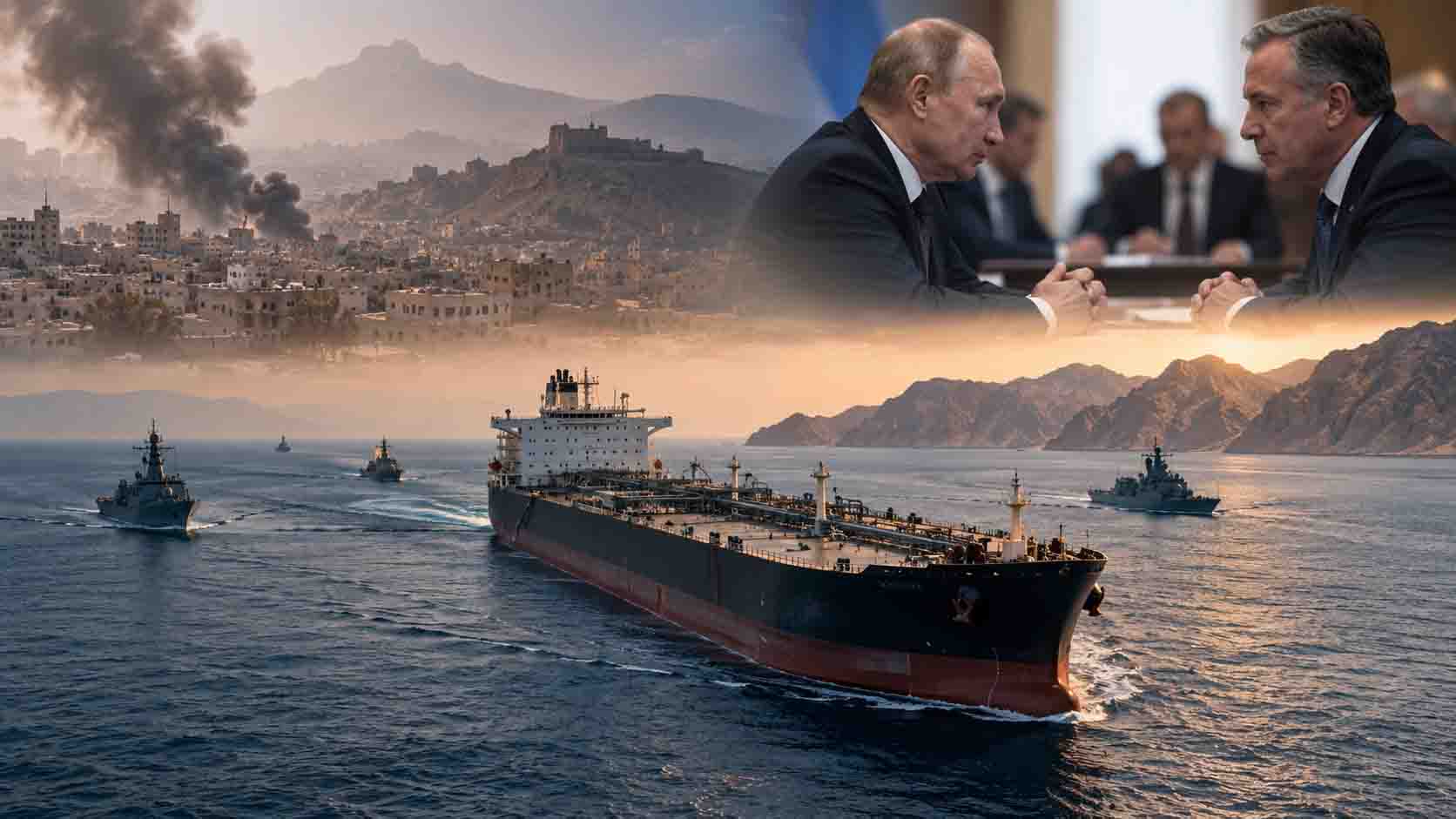
The U.S.-Iran confrontation dominated the news agenda on September 5, as tensions increasingly shifted toward oil tankers and strategic maritime routes. U.S. Central Command said it targeted three Iranian oil tankers in response to ballistic missiles fired toward two U.S. Navy warships. Iran’s Islamic Revolutionary Guard Corps Navy later said it targeted three oil tankers that had allegedly used an unauthorized route through the Strait of Hormuz, as well as three U.S. vessels.
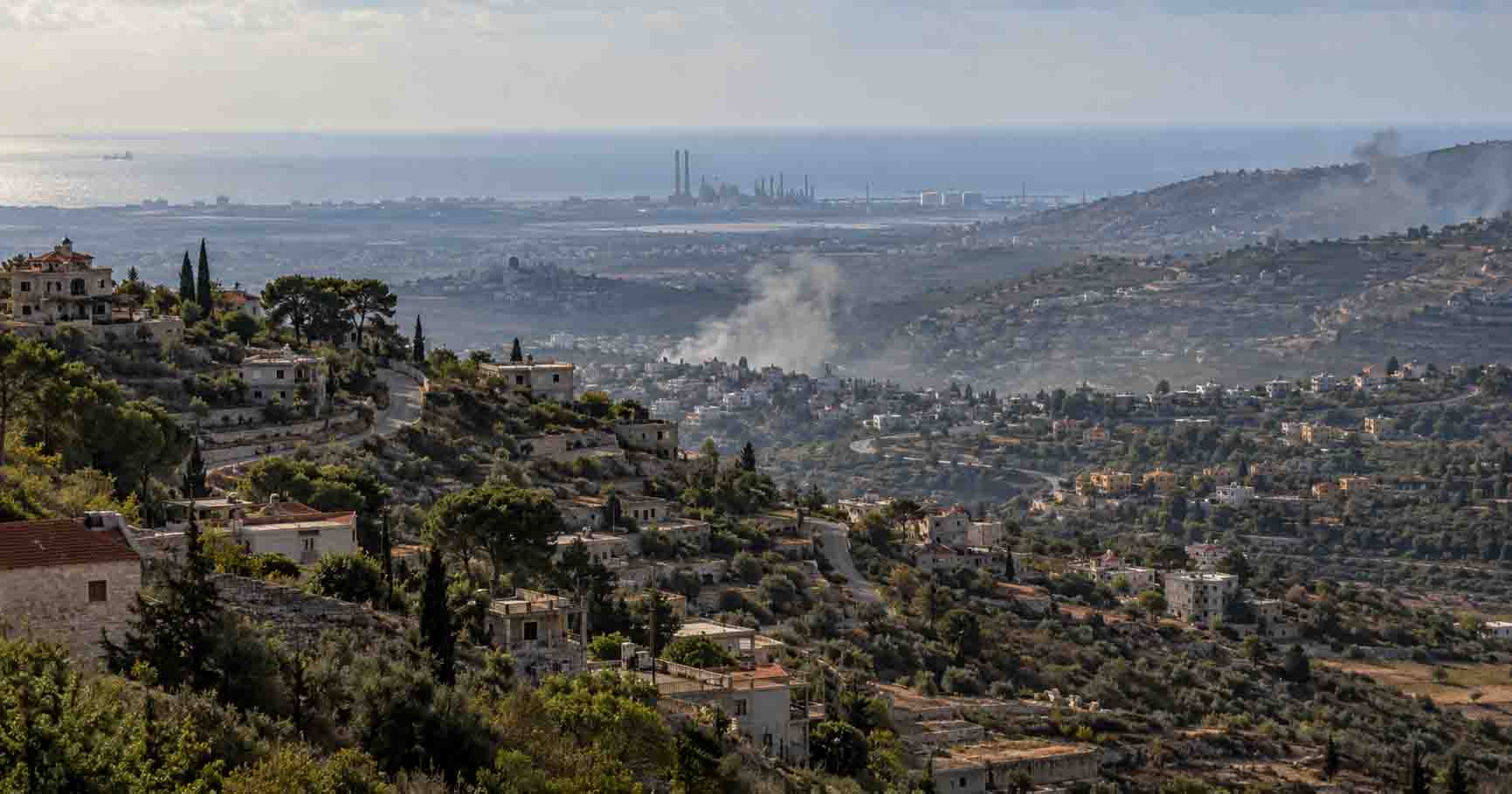
In Yemen, the fronts in Taiz and Hodeidah saw a significant escalation, with airstrikes and ground operations by government forces. By the end of the day, government forces announced that they had fully retaken the Hays district in Hodeidah from the Houthis. The UN Office for the Coordination of Humanitarian Affairs reported that around 1,790 families had been displaced over two days amid escalating fighting in Taiz.
Diplomatically, U.S. presidential envoys Steve Witkoff and Jared Kushner arrived in Moscow and held three hours of talks with Russian President Vladimir Putin. The meeting coincided with a Kremlin announcement that Russian strikes on Kyiv would be suspended for three days as part of preparations to receive the U.S. delegation.
The developments follow the geopolitical and military trends covered in the Daily Report for September 4, 2026 , when Iran, Lebanon, Ukraine, Yemen and global energy markets were already at the center of international attention.
Daily Report: Iran and the Strait of Hormuz — Tanker Confrontation Escalates
The day began with TankerTrackers maritime data indicating that oil and gas tankers carrying seven million barrels were preparing to cross the Strait of Hormuz under U.S. protection. The service also reported 17 ship-to-ship oil and gas transfers in the Gulf of Oman during the previous day, involving approximately 24 million barrels.
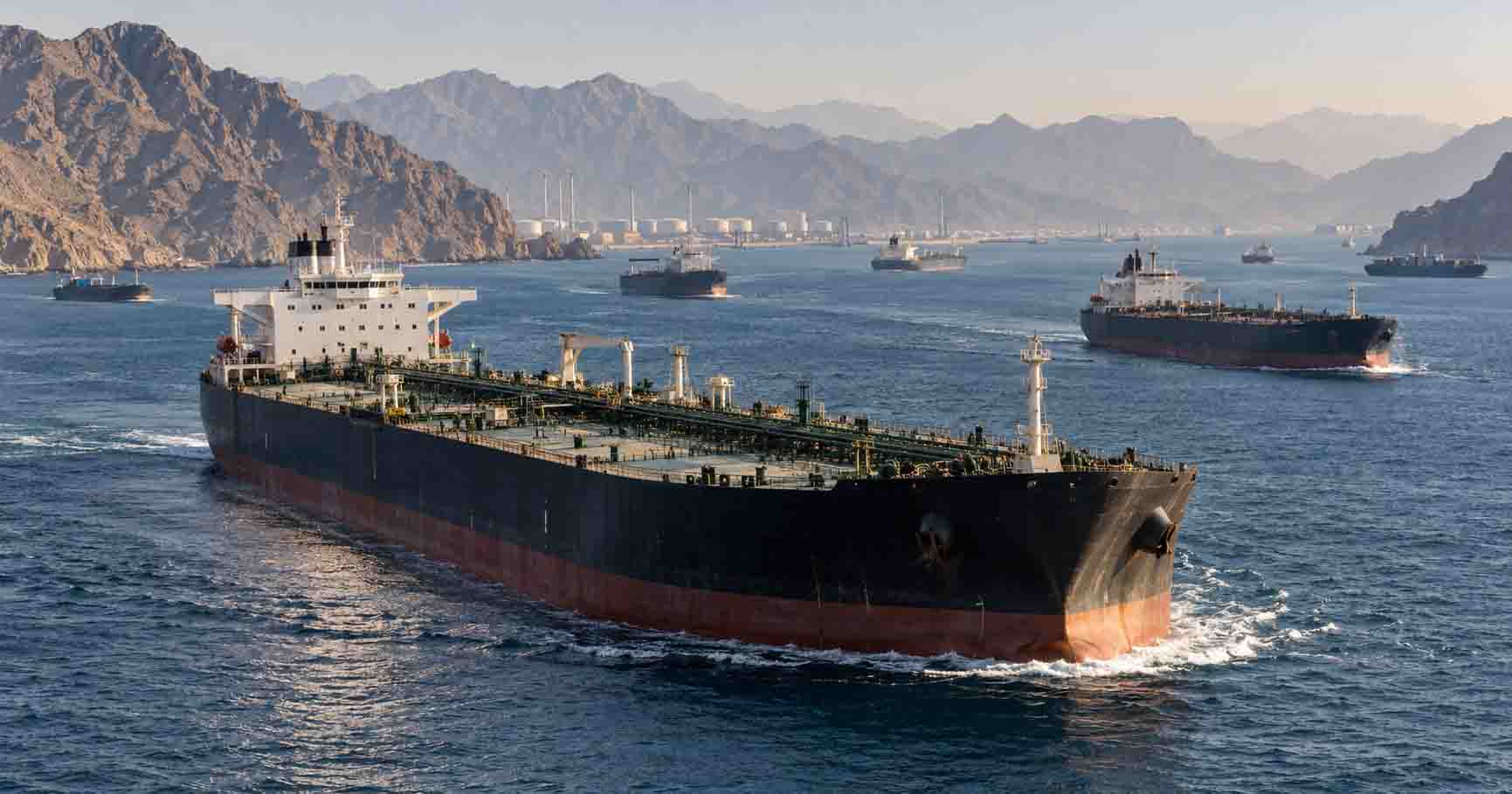
Iranian media later reported that an Iranian oil tanker near Kharg Island had been hit in a U.S. missile attack. Tasnim reported that the tanker was struck by four projectiles about six nautical miles from the island, with no casualties reported, and that its crew had begun evacuating the vessel.
U.S. Central Command subsequently said it had targeted three Iranian crude oil tankers, stating that the operation came in response to Iran firing ballistic missiles toward two U.S. Navy warships. It described the tankers as part of a network that it said was used to finance the IRGC and its regional proxies.
Reuters reported on the U.S. strikes against the three Iranian crude oil carriers , citing U.S. Central Command.
Iranian state television confirmed that three Iranian tankers had been attacked in the Gulf and the Gulf of Oman. It said two tankers were attacked near Jask — one empty and the other carrying oil — while another was targeted near Kharg Island.
The IRGC Navy later said it had targeted three oil tankers traveling through what it described as an unauthorized route in the Strait of Hormuz, as well as three U.S. vessels. It said the attacks were carried out in retaliation for the U.S. strikes on the three Iranian tankers.
Iran’s Foreign Ministry condemned the U.S. attacks on Iranian vessels in the Gulf and Gulf of Oman, describing them as a war crime and a threat to maritime security, while reiterating Tehran’s intention to defend its sovereignty and interests.
The confrontation comes amid continuing pressure on commercial shipping through the strategic waterway. Profile News has previously examined the decline in shipping traffic through the Strait of Hormuz as shipowners reassess the risks surrounding the route.
The broader strategic importance of the waterway has also remained at the center of the U.S.-Iran confrontation, including previous statements concerning U.S. policy and military activity around the Strait of Hormuz .
Assessment: The developments mark a significant shift in the U.S.-Iran confrontation toward the infrastructure of oil trade and maritime traffic. Reciprocal attacks on tankers, combined with Iranian warnings over shipping routes, increase the risks surrounding commercial and military navigation through the Strait of Hormuz, the Gulf and the Gulf of Oman.
Daily Report: Yemen Fighting Escalates in Taiz and Hodeidah
Yemen’s battlefronts saw a broad military escalation. Government forces said their aircraft carried out 15 strikes against Houthi positions along the western coast in Taiz and Hodeidah. Yemeni media also reported a government offensive against Houthi positions in Jabal al-Watara between Taiz and Lahj, alongside renewed fighting on several fronts.
Yemeni media cited a military source as saying government forces had taken control of the Saeed Taha and Dhiban heights in Taiz’s Hayfan district. Government forces also announced a counteroffensive on the southern Al-Jarrahi front with support from Giants Brigades units.
In the most significant battlefield development reported toward the end of the day, Yemen’s official news agency said the armed forces and Joint Forces had fully recaptured Hays district in Hodeidah from the Houthis.
On the humanitarian front, the UN Office for the Coordination of Humanitarian Affairs reported that approximately 1,790 families had been displaced over two days following intensified fighting in Taiz.
Yemen’s official news agency also reported that four civilians were killed and nine wounded in shelling it attributed to the Houthis on a civilian gathering along the Hayjat al-Abd road south of Taiz.
Assessment: The combination of airstrikes, ground offensives and announcements of territorial gains indicates an expansion of government military operations. Whether government forces can consolidate control over Hays and newly claimed positions in Taiz will be a key factor in determining the significance of these developments.
Daily Report: Russia and Ukraine — U.S. Envoys Hold Talks in Moscow
U.S. presidential envoys Steve Witkoff and Jared Kushner arrived in Moscow, where the Kremlin announced the start of talks with Russian President Vladimir Putin. Putin described the situation under discussion as difficult.
The talks ended after three hours, with the source material providing no detailed announcement regarding their outcome.
Ahead of the meeting, the Kremlin said Putin had ordered a three-day suspension of strikes on Kyiv as part of preparations for the U.S. delegation’s visit. Putin later said Moscow would do everything possible to ensure the security of the negotiation process and the U.S. delegation during its onward journey to Kyiv.
On the battlefield, Russia’s Defense Ministry said it had targeted a vessel it claimed was carrying weapons for Ukrainian forces at the Black Sea port of Chornomorsk, along with a military equipment warehouse, logistics centers, transportation facilities and metallurgical infrastructure.
Ukraine’s emergency service, meanwhile, reported that two people were injured in a Russian drone attack on a shopping center in Mykolaiv.
Assessment: The temporary suspension of strikes on Kyiv and the U.S. delegation’s visit give the diplomatic track added significance. However, continued Russian military operations elsewhere in Ukraine suggest that the announced de-escalation remains geographically limited.
Daily Report: Lebanon — Israeli Strikes and Reports of Military Redeployment
The Israeli military said it attacked Hezbollah personnel and infrastructure in southern Lebanon, stating that the operation came in response to a drone launched toward its forces the previous day. It also said its air force struck weapons depots allegedly intended to support planned attacks.
Al Jazeera’s correspondent later reported two Israeli strikes on Al-Mansouri and the heights of the Ali al-Taher area in southern Lebanon.
Lebanon’s Health Ministry said Israeli strikes the previous day had killed four people and wounded 32. It also reported that what it described as Israeli attacks on Lebanon since March 2 had killed 4,358 people and injured 12,359.
Politically, Hezbollah said the continuation of occupation and attacks undermined official claims about achievements made through direct negotiations and the framework agreement. It argued that the release of some Lebanese prisoners should not be used to overlook continuing attacks.
In a separate military development, Israel’s public broadcaster cited security sources as saying the army was preparing to reduce its forces in southern Lebanon following the destruction of tunnels in the Ali al-Taher area.
According to the sources, the plan would reposition troops closer to the border at a depth of between three and four kilometers under what they described as the “Gray Line” plan, with positions established for launching operations.
Assessment: The day’s developments combine continuing Israeli strikes with reports of a redeployment that, according to the published account, would not amount to an end to military activity. How the new deployment is implemented will therefore be an important indicator of the direction of the situation in southern Lebanon.
Daily Report: Gaza and the West Bank
The Palestinian Red Crescent reported that two Palestinians were wounded by Israeli forces outside areas under Israeli control north of Gaza City. It later reported three people wounded in an Israeli strike on the Al-Tuffah neighborhood northeast of the city.
In the West Bank, the U.S. ambassador to Israel visited Turmus Ayya and said the visit was intended to gain a better understanding of conditions on the ground. He called on the Israeli government to guarantee residents’ safety and security and said he did not support people taking the property of others.
Regarding the administration of Gaza, Haaretz cited an informed source as saying Israeli military and civilian officials were refusing to cooperate with the Gaza Peace Council and had told Washington they would not work with the council because they believed it had abandoned them.
Syria — Israeli Shelling in the Damascus and Quneitra Countryside
Al Jazeera’s correspondent reported that Israeli forces shelled Tal Bat al-Warda on the outskirts of Beit Jinn in the western Damascus countryside and later shelled the outskirts of Al-Rafid in the southern Quneitra countryside.
The source material provided no information about casualties or damage resulting from the shelling.
United States — Voting Restrictions and Iran War Leak Investigation
U.S. media reported that a court had extended a freeze on a presidential executive order related to restrictions on mail-in voting in upcoming elections.
Separately, The New York Times cited sources as saying an investigation involving around 50 members of the Joint Chiefs of Staff was focused on information leaked to the press regarding the Iran war, particularly information about declining U.S. military stocks of critical munitions.
Other International Developments
Bolivian police reported dozens of people killed or wounded in an explosion at a military base in the west of the country. The source material did not provide a final casualty toll or additional information about the cause of the explosion.
In China, Reuters reported that ten people were killed in a landslide in Changxiang.
In Turkey, the U.S. ambassador in Ankara said Treasury Department sanctions against a financial institution in the country did not constitute a judgment on Turkey or its banking system. He linked the measure to Washington’s pressure campaign against Iran and efforts to close channels used to launder proceeds from Iranian activities.
Daily Report: What to Watch in the Coming Hours
- Whether the IRGC’s announced attacks on oil tankers and U.S. vessels lead to another round of U.S. strikes against Iranian ships or assets.
- Changes in shipping traffic through the Strait of Hormuz and the impact of Iran’s claimed authorized routes on oil and gas transportation.
- Whether Yemeni government forces can maintain control over Hays and the positions they said they captured in Taiz.
- The outcome of Putin’s talks with Witkoff and Kushner and whether they produce new steps in the Russia-Ukraine diplomatic track.
- How Israel’s reported military redeployment plan in southern Lebanon is implemented alongside continuing strikes and military operations.
- The humanitarian impact of fighting in Yemen following the reported displacement of approximately 1,790 families in Taiz over two days.