September 8 Daily Report: Iran Tankers Hit as Yemen War Spills Into Saudi Arabia
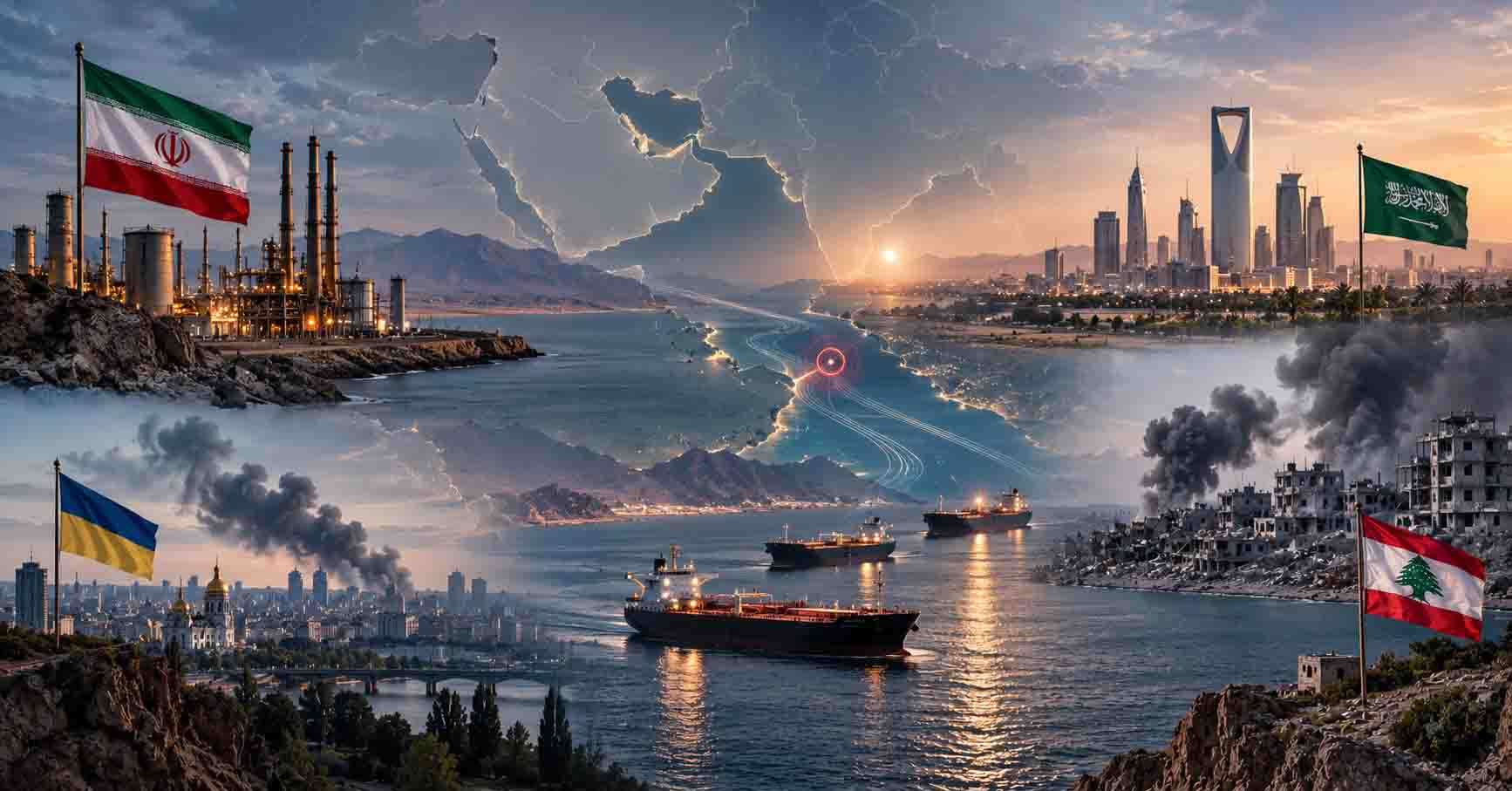
The daily report for September 8, 2026 was dominated by a broad military escalation stretching from the Gulf and Yemen to Ukraine and the Palestinian territories. US forces targeted five Iranian oil tankers, four in the Gulf of Oman and one near Kharg Island, while Houthi attacks on cities and facilities in southern Saudi Arabia injured 73 civilians, according to Saudi authorities. Kyiv, meanwhile, came under a major Russian attack.
In the West Bank and East Jerusalem, Israeli forces expanded operations in Anata, Shuafat refugee camp, Nablus, and Masafer Yatta. The developments coincided with Britain announcing measures targeting Israeli settlements and banning imports of settlement products, triggering a new diplomatic confrontation with Israel.
In Gaza, Israeli strikes and gunfire continued, with Palestinian casualties and injuries reported, while Gaza’s Government Media Office warned of a worsening food crisis.
Iran and the Strait of Hormuz: Oil Tanker Strikes Raise the Stakes
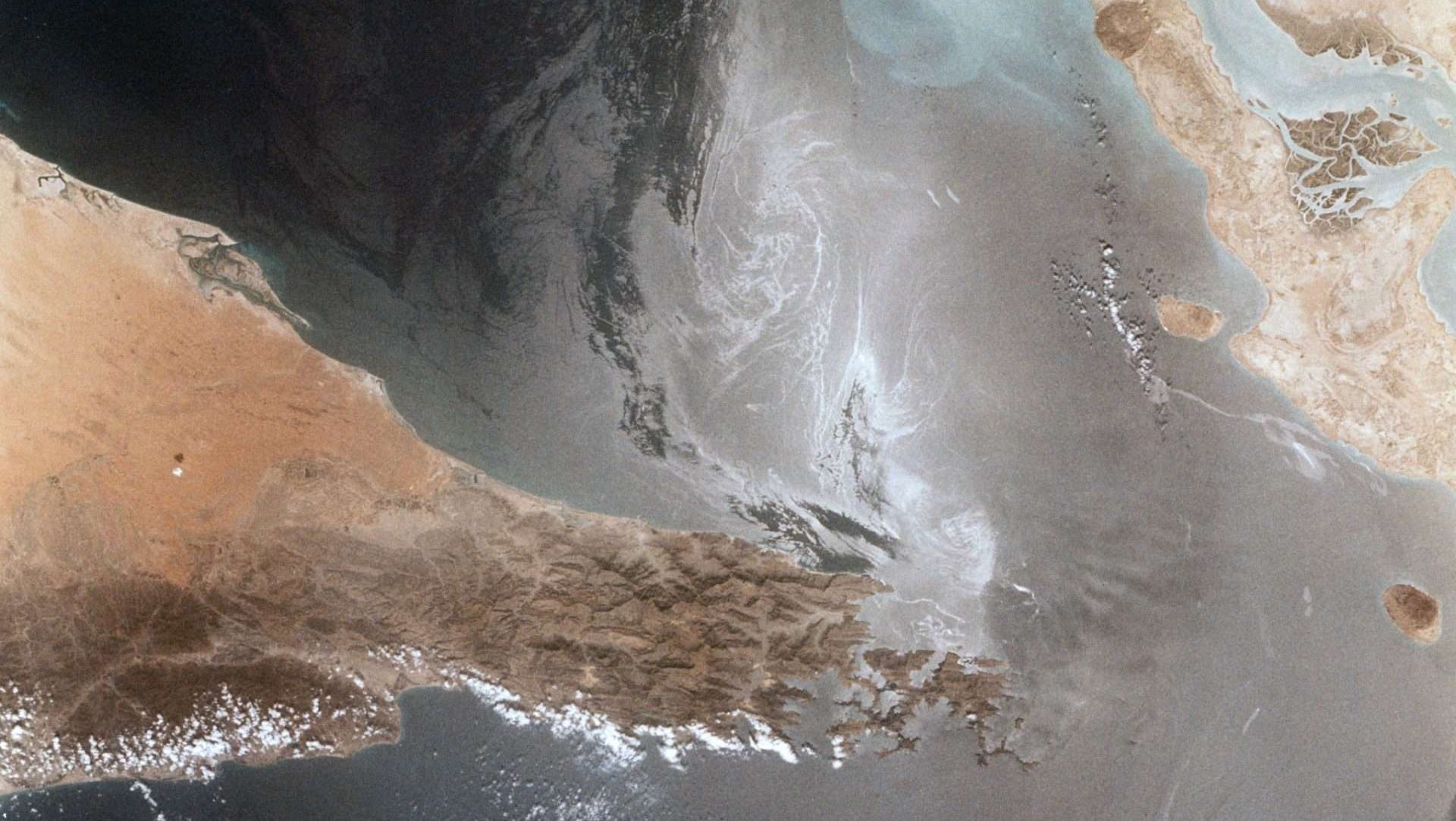
The final hours of September 8 brought a major escalation in the US-Iran confrontation, as Iranian oil tankers near Kharg Island and the coast of Jask became direct targets, extending the mounting tensions surrounding the Strait of Hormuz and maritime traffic.
US Central Command said five oil tankers linked to Iran’s Islamic Revolutionary Guard Corps were targeted, four in the Gulf of Oman and another near Kharg Island.
According to the US account, the operation followed two alleged attempts by the IRGC to target a US warship with ballistic missiles during the previous two days. The ship avoided the attacks, and no US personnel were injured.
The US said the crews of the tankers were instructed to leave their vessels before the strikes were carried out.
Iranian media had reported explosions near Kharg Island and around Jask before the US announcement, along with reports that oil tankers had been targeted and their crews evacuated.
Iran’s Khatam al-Anbiya Central Headquarters, meanwhile, warned that any attack on an Iranian vessel would be met with strikes against US bases and interests in the region.
The IRGC Navy also said it had seized a US unmanned underwater vehicle in the Strait of Hormuz. US officials acknowledged that an American unmanned underwater vehicle had malfunctioned during a survey mission, but said it was neither carrying classified equipment nor collecting sensitive information.
The escalation coincided with Iranian warnings to oil tanker crews off Kuwait and Bahrain, raising concerns that the confrontation could expand further across Gulf shipping lanes.
Brent crude approached $99 a barrel during the day as markets assessed the risk of a broader confrontation disrupting energy exports and maritime traffic.
Assessment: Targeting vessels linked to Iranian oil exports marks an important shift in the confrontation, bringing maritime economic infrastructure directly into military operations. Any Iranian response targeting tankers or US bases could substantially increase risks to Gulf shipping and global energy markets.
Yemen and Saudi Arabia: 73 Injured as Energy Facilities Come Under Attack
The war in Yemen entered a significantly more dangerous phase on September 8 as military operations spilled into Saudi Arabia while fighting continued between Yemeni government forces and the Houthis.
Saudi authorities said Houthi attacks targeted civilian and economic sites in Abha, Khamis Mushait, Jazan, and Najran, injuring 73 civilians, including women and children.
Saudi Arabia’s Energy Ministry said several energy facilities and other sites in the south of the kingdom were targeted. The attacks caused fires and temporarily disrupted some operations.
The Houthis, for their part, said they had targeted Saudi Aramco facilities in Abha, Najran, and Jazan, as well as an air base in Khamis Mushait.
Saudi Arabia said it reserved the right to take the measures necessary to defend its sovereignty and protect its population and infrastructure, while the Saudi-led coalition said it would take operational measures against the sources of the threat.
Inside Yemen, government forces announced the capture of the Al Yatmah area in Al Jawf province and said their advance was continuing. Operations also continued in Taiz and Al Bayda.
On the humanitarian front, the International Organization for Migration said about 18,500 people had been displaced within three days because of escalating fighting along Yemen’s western coast.
Assessment: Renewed attacks on Saudi cities and energy facilities transform the latest phase of fighting from a battlefield confrontation inside Yemen into a broader regional security crisis with direct implications for energy security. The nature and scale of any Saudi response will be a key factor shaping the next phase.
Russia-Ukraine War: Major Attack on Kyiv as Diplomacy Intensifies
The Russia-Ukraine war saw another escalation as Kyiv came under Russian missile and drone attacks during the early hours of September 8.
Ukraine’s Air Force said Russia launched 166 drones and dozens of missiles overnight, while authorities activated air defenses and explosions were heard across the capital.
Ukrainian authorities reported casualties and damage in Kyiv, which later faced another wave of drone attacks.
On the Russian side, authorities said approximately 100 Ukrainian drones were intercepted over the Rostov region, while officials in Belgorod reported casualties following a Ukrainian attack on a gas station.
The military escalation coincided with renewed political contacts between Moscow and Washington. The Kremlin said Russian President Vladimir Putin held what it described as a frank and constructive telephone conversation with US President Donald Trump.
A Kremlin aide said the two presidents discussed the outcome of meetings held by US envoys Steve Witkoff and Jared Kushner in Moscow and Kyiv, adding that Trump expressed a desire to bring the conflict to an end quickly.
According to the Russian account, Putin outlined what Washington could do to help bring the fighting to an end. The call followed discussions about the possibility of moving toward US-Russia-Ukraine talks.
Assessment: Military escalation and diplomacy are advancing simultaneously. The large-scale attack on Kyiv came as US-Russian contacts intensified. A direct Washington-Moscow channel has not yet translated into reduced military activity, making the next diplomatic moves particularly significant.
West Bank and East Jerusalem: Major Operation, Arrests and Home Demolitions
Israeli forces launched a large-scale operation in Shuafat refugee camp and the town of Anata in East Jerusalem, imposing a tight closure on the area.
The Jerusalem Governorate said the measures disrupted schools, forced businesses to close, and brought daily life to a standstill for around 80,000 Palestinians. Local officials also reported that approximately 100 people were detained and subjected to field interrogations.
In the Nablus area, clashes erupted in Aqraba after Israeli forces surrounded a house. The Palestinian Health Ministry reported that a Palestinian died after being shot by Israeli forces and that his body was withheld.
Operations also extended south of Hebron, where Israeli forces began demolishing homes in Khirbet al-Fakhit and Khallat al-Dabaa in Masafer Yatta.
The Palestinian Health Ministry said four Palestinians died in Qalqilya, Nablus, and Tulkarm over a 24-hour period, bringing the reported number of Palestinian fatalities in the West Bank since the beginning of the year to 100.
UK Moves Against Israeli Settlements as Israel Retaliates
Britain announced a ban on imports of goods from Israeli settlements in the occupied Palestinian territories, alongside a new sanctions regime targeting entities providing construction, infrastructure, financing, and real estate services linked to settlement expansion.
British Foreign Secretary David Miliband said the measures were intended to protect the viability of a two-state solution, while criticizing settlement expansion and the E1 project.
France and Canada also announced measures related to settlement products, while Britain, Canada, and several European countries issued a joint statement on restrictions affecting trade with settlements.
Israel responded by announcing the closure of the British consulate in Jerusalem, removing British representatives from the Gaza-related coordination center, ending British training for Palestinian Authority security forces, and barring a number of British individuals from entering Israel.
Assessment: The significance of these measures extends beyond trade. They indicate that disagreements with Israel are moving from political criticism toward direct economic and diplomatic action, increasing tensions between Israel and several of its Western partners.
Gaza: New Strikes as Food Crisis Warnings Intensify
Israeli operations continued across the Gaza Strip on September 8, with strikes and gunfire reported in Khan Younis, Gaza City, and northern Gaza, while Gaza after the ceasefire faces mounting challenges involving security, humanitarian aid, and reconstruction.
Medical sources reported Palestinian fatalities in Khan Younis, including a child who died after being shot by Israeli forces in the Al Mawasi area, as well as injuries elsewhere in the enclave.
An Israeli strike also hit a house in Gaza City after an evacuation order was issued, while injuries were reported following drone strikes in the Sheikh Radwan neighborhood and other areas.
On the humanitarian front, Gaza’s Government Media Office said Israel was preventing 65% of the food supplies required by the enclave from entering, and claimed that more than 90% of the population could no longer afford to buy food.
The developments followed US criticism reported a day earlier over the entry of materials needed for some reconstruction projects and the security situation inside Gaza.
Assessment: The humanitarian situation remains one of the most sensitive elements of the crisis. Continuing military operations alongside severe constraints on food and aid are increasing pressure on Gaza’s population despite ceasefire arrangements.
Lebanon: Army Expands Presence After Southern Escalation
Following a day of extensive strikes and clashes in southern Lebanon, the Lebanese Army said its units were deployed across all areas where Israeli forces were not present, particularly in the Nabatieh region.
The announcement followed the September 7 escalation in southern Lebanon, much of which centered on Kfar Roummaneh, Nabatieh, and surrounding areas.
The director-general of the International Committee of the Red Cross said developments in Lebanon were an indication of the risk of a new conflict in the Middle East, while stressing efforts to provide medical assistance and facilitate the return of displaced people.
Summary of Israeli Strikes on Lebanese Territory on September 8, 2026
Several areas across southern Lebanon came under Israeli airstrikes, artillery fire, and explosions on September 8, with strikes reported across a number of towns and locations.
Israeli airstrikes:
- Nabatieh al-Fawqa
- Al-Mansouri
- The area between Haddatha and Haris
- Al-Qantara
Israeli artillery shelling:
- Beit Yahoun
- Braashit
- Wadi al-Hujair
- Dawhat Kfar Roummaneh
- Sarbin
- Kfar Shouba
- Nabatieh al-Fawqa
- Mais al-Jabal
- Al-Mansouri
- Zawtar al-Sharqiyah
Explosions carried out by Israeli forces in southern towns:
- Al-Mansouri
- Bani Hayyan
- Wadi al-Salouqi
- Zawtar al-Sharqiyah
- Kfar Tebnit
The geographic distribution of the strikes during the day showed the breadth of Israeli military activity across southern Lebanon, with operations extending beyond airstrikes to include artillery shelling and explosions in several border and inland areas.
Iran: Sanctions and Nuclear Program Face Growing Pressure
Alongside the military confrontation in the Gulf, the United States announced a new package of Iran-related sanctions, while the Iranian nuclear program remains at the center of the political and security confrontation between Tehran and Washington.
The US Treasury Department said the Office of Foreign Assets Control imposed sanctions on 36 targets for supporting Iran’s aviation sector. The measures included Iranian airlines as well as companies and intermediaries in other countries.
Washington also suspended aviation-related authorizations, including a license that had temporarily permitted the re-export of certain civilian aircraft to Iran.
The British government separately announced expanded restrictions on Iran covering financial services, trade, and aviation.
The economic pressure coincided with remarks by US President Donald Trump, who said Iran no longer had an opportunity to obtain a nuclear weapon and that the blockade was producing results beyond expectations.
Assessment: The combination of aviation sanctions, pressure on Iranian oil exports, and maritime operations points to an expansion of economic pressure on Tehran alongside the military confrontation.
Energy Markets: Brent Approaches $99 a Barrel
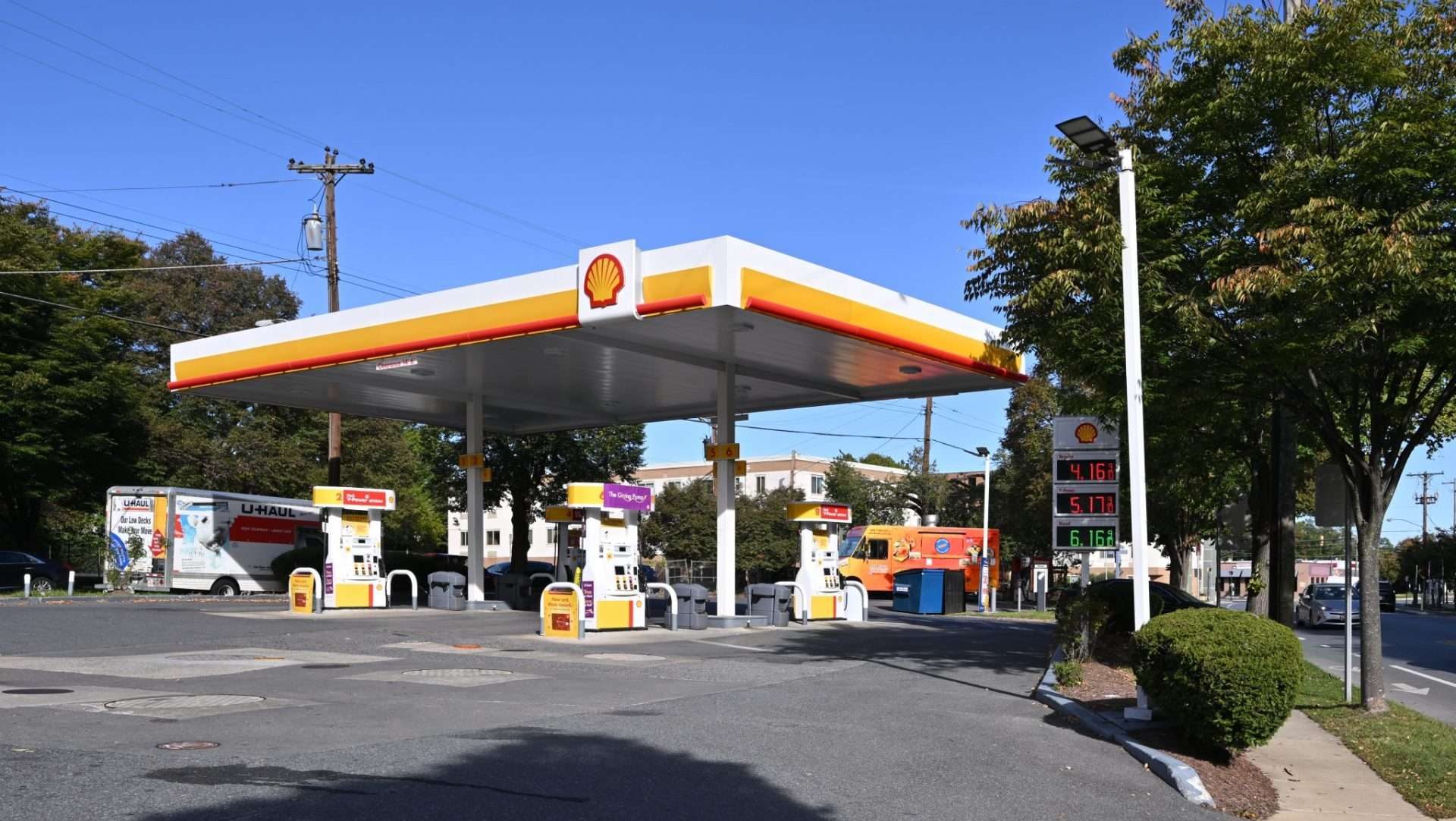
Military developments in the Gulf and Yemen had a direct impact on energy markets, with Brent crude approaching $99 a barrel and US crude rising above $94 during trading.
European natural gas prices also climbed to around €75 per megawatt-hour amid concerns about wider disruptions to energy supplies and maritime trade.
Markets are watching the Strait of Hormuz, Saudi energy infrastructure, and the trajectory of the US-Iran confrontation particularly closely.
Other International Developments
New Canadian tariffs on US goods took effect, marking another development in trade relations between the two countries.
South Korea announced that it would send a team to assess conditions in the Strait of Hormuz as risks to maritime traffic increased.
In Syria, field reports said an Israeli force entered the village of Briqa in the Quneitra countryside and searched a house.
In Russian-European relations, Moscow said it would respond to Hungary’s decision to expel 10 Russian diplomats.
What We’re Watching Next
- Iran and the United States: The nature of Iran’s response following the tanker strikes, and whether the confrontation expands to US ships or bases.
- Strait of Hormuz: Tanker movements, maritime traffic, and any new measures affecting oil and gas transit.
- Saudi Arabia and Yemen: The Saudi response to Houthi attacks, and the future of Yemeni government operations in Al Jawf, Al Bayda, and Taiz.
- Energy markets: Whether Brent crude crosses the $100 threshold as tensions continue.
- Russia and Ukraine: The outcome of US-Russian contacts and whether they lead toward trilateral negotiations.
- West Bank: Continuing operations around Jerusalem, Nablus, and Masafer Yatta, and the fallout from European measures targeting settlements.
- Gaza: Food and humanitarian aid flows, continuing strikes, and the broader humanitarian situation.
- Lebanon: Whether the Lebanese Army’s deployment in Nabatieh is followed by relative calm or another round of escalation.
September 8, 2026 Daily Report: Key Takeaways
September 8 was marked by several regional crises moving into more dangerous phases. In the Gulf, oil tankers became direct targets in the US-Iran confrontation, while Houthi attacks on Saudi Arabia reopened a regional front connected to the war in Yemen. At the same time, military escalation continued in Ukraine alongside intensified political contacts, while the West Bank saw simultaneous military and diplomatic escalation as Western governments announced new measures targeting Israeli settlements.
Overall assessment: The defining feature of the day’s major developments was the expansion of conflicts beyond their original theaters. The war in Yemen once again spilled into Saudi Arabia, the US-Iran confrontation moved directly into the oil-shipping sector, and the Russia-Ukraine war continued to escalate militarily alongside diplomatic activity. Maritime traffic, energy markets, and military responses will therefore be among the most important indicators to watch on September 9.
Sources
- DW — US strikes five Iranian oil tankers off the coast of Iran
- Reuters via Dawn — Houthi attacks disrupt Saudi energy facilities and wound 73
- ABC News — Russian attack on Kyiv and Ukrainian Air Force figures
- Associated Press — UK settlement trade measures and Israeli response
- US Treasury — Sanctions targeting Iran’s aviation sector
- OFAC — Iran-related designations and aviation license changes