Donald Trump and Iran: Advancing Talks as Lebanon Recasts the Regional Balance

Donald Trump statements Iran, backed by rapid military and diplomatic developments in recent hours, point to a highly sensitive phase combining broad military escalation with intensified efforts to reach an agreement.
New data as of the evening clearly show that the region has entered a phase of “negotiations under pressure,” where military operations in Lebanon are unfolding alongside active international mediation efforts.
Donald Trump statements Iran in the context of new escalation
Trump said the war with Iran is “very close to ending,” stressing that the core objective is preventing Tehran from acquiring a nuclear weapon, according to Reuters on April 15, 2026.
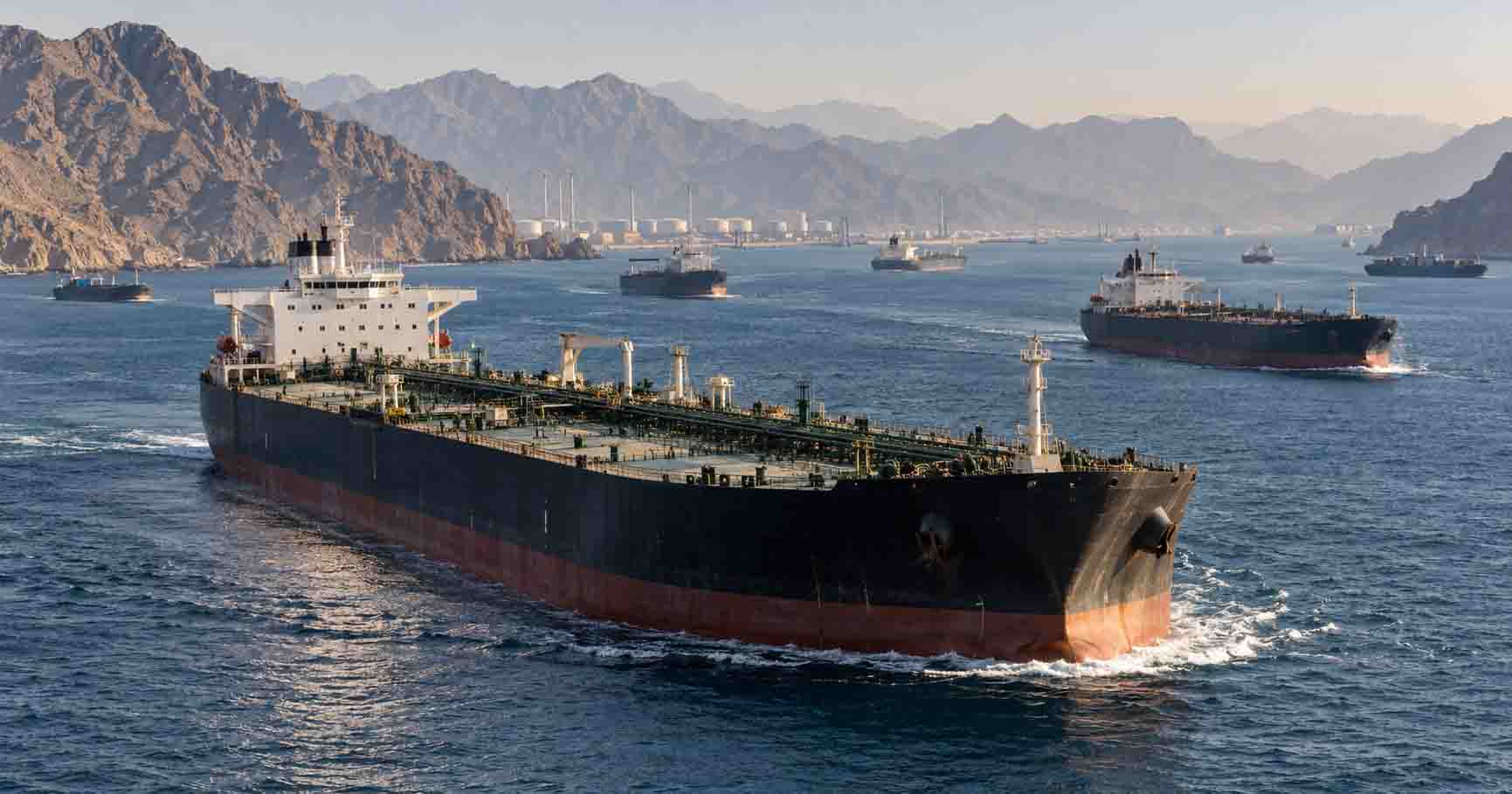
He also noted that the U.S. naval blockade effectively paralyzed Iranian trade in less than 36 hours, a claim supported by U.S. Central Command data.
Data show that:
- More than 90% of Iran’s economy depends on maritime trade
- At least 9 vessels were forced to turn back within the first 48 hours of the blockade
These figures reinforce the maximum-pressure strategy Trump described to push Tehran toward a deal.
Serious escalation in Lebanon: a parallel front to the war
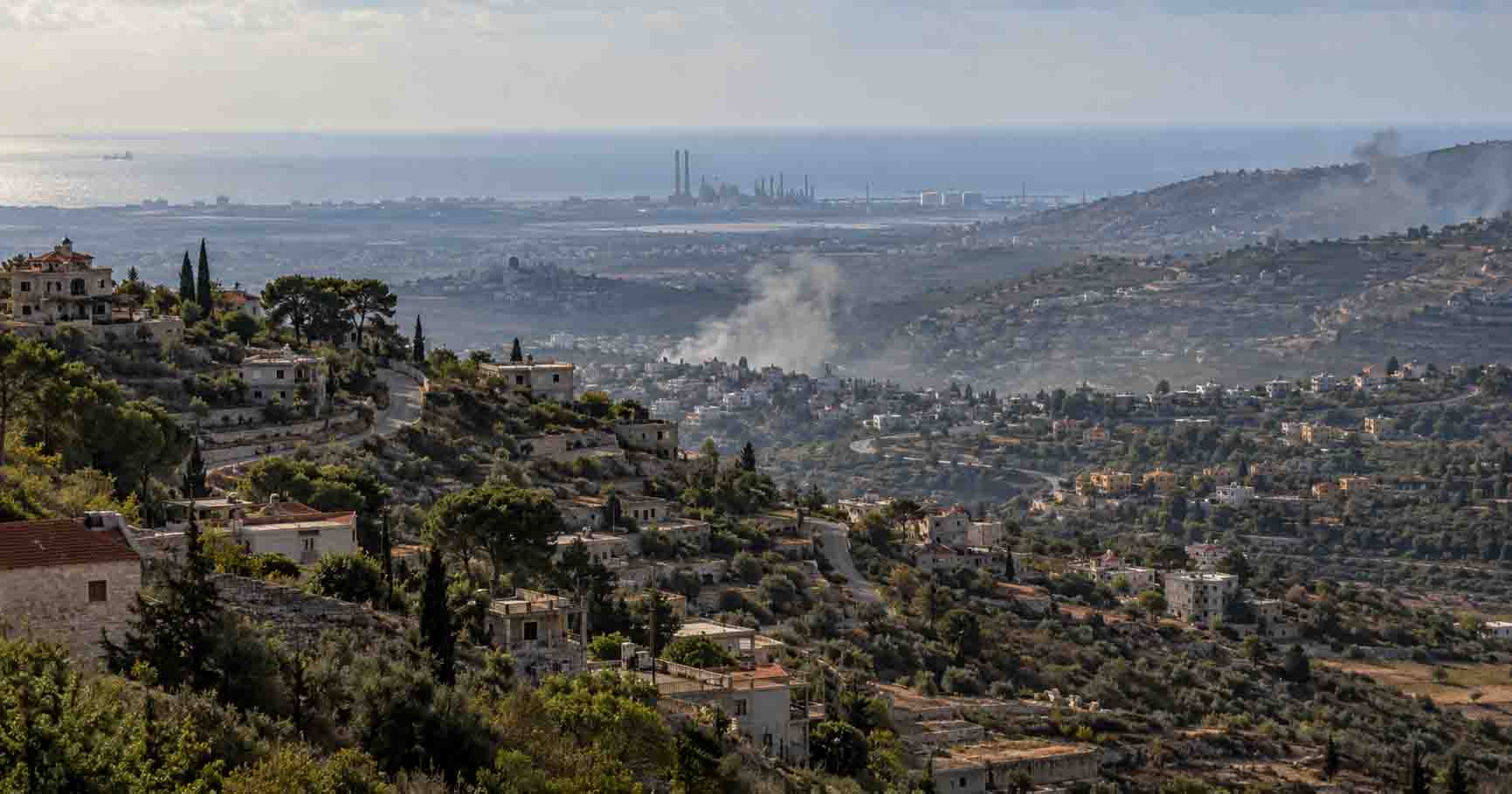
By 7:00 PM, southern Lebanon witnessed significant escalation, with field reports indicating Israeli airstrikes on multiple locations including Bint Jbeil, Kfartabnit, and Mifadoun, alongside rocket launches from Lebanon toward northern Israel.
According to field data, Hezbollah launched dozens of rockets within hours, while sirens sounded across Kiryat Shmona and the western Galilee.
Lebanon’s Health Ministry reported 8 killed and 11 injured in one strike, while total casualties since March 2 have exceeded 2,167 deaths and 7,061 injuries.
The Israeli military said it struck more than 200 targets within 24 hours and destroyed around 20 launch platforms.
These developments confirm that the Lebanon front has become a decisive factor directly linked to negotiations with Iran.
Active negotiations via Pakistan and a possible framework deal
Alongside the escalation, negotiations have entered a more advanced stage, with Pakistan’s army chief arriving in Tehran at the head of a high-level delegation as part of direct mediation between Washington and Tehran.
According to Reuters, this mediation represents the primary channel for dialogue.
Reports from Axios also indicate that both sides are nearing a framework agreement, despite ongoing major disagreements.
This suggests negotiations have moved beyond theory into the drafting of an initial deal that could pave the way for a broader agreement.
Main obstacle: Iranian nuclear program
Despite progress, disagreements remain over the nature of restrictions on Iran’s nuclear program:
- The United States insists on long-term or permanent restrictions
- Iran refuses to abandon enrichment entirely, calling it a sovereign right
Iran’s Foreign Ministry confirmed that enrichment levels could be negotiated, but not the principle itself, highlighting a fundamental strategic gap.

Ceasefire dynamics: pressure and uncertainty
Current data indicate U.S. efforts to push for a ceasefire in Lebanon to support negotiations with Iran.
However, Israeli sources confirmed no final decision has been made, with military operations continuing, reflecting the complexity of linking both fronts.
Reports also show Washington is considering extending the Iran ceasefire for two weeks to allow more time for negotiations.
International dimension and expanding crisis
The crisis has drawn broad international involvement:
- China has called for a political solution and securing navigation in the Strait of Hormuz
- The European Union has focused on energy security and maritime routes
- Russia stated it is not directly involved in the conflict
Iran has also warned it could disrupt trade in the Gulf and Red Sea if the blockade continues, raising the risk of wider regional escalation.
Field and political overview
Donald Trump statements Iran, combined with developments as of April 15, 2026 evening, point to a complex phase best described as “negotiations under multi-front military pressure.”
The current picture
- Major military escalation in Lebanon linked to the Iran file
- An effective naval blockade exerting economic pressure on Iran
- Advanced negotiations through Pakistan mediation
- A potential but uncertain framework agreement
- Fundamental disagreement over the nuclear program
- U.S. efforts to impose de-escalation to support talks
Based on these developments, the conflict has not reached its end but entered its most critical phase, where prospects of agreement intersect with risks of broader regional escalation.