Gaza Ceasefire Stalls: Trump Plan Faces Security and Reconstruction Deadlock

Gaza ceasefire implementation has entered a difficult phase as key parts of the US-backed plan remain stalled over Hamas disarmament, Israeli withdrawal, new security arrangements and reconstruction, while Israeli strikes and Gaza’s humanitarian crisis continue.
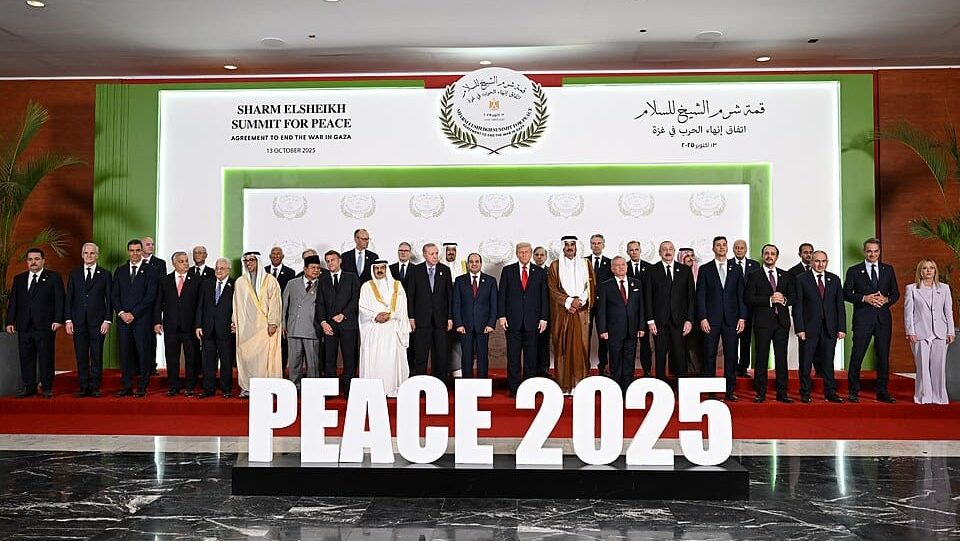
The US-backed ceasefire that took effect in October 2025 halted large-scale fighting but did not completely end Israeli military strikes. Israel and Hamas continue to accuse each other of obstructing implementation of the broader agreement.
The dispute has brought renewed attention to the second phase of Trump’s Gaza plan, where security, governance, disarmament and reconstruction are closely linked.
Gaza Ceasefire: Why Is the US Plan Stalling?
US envoy Jared Kushner has linked the lack of progress in rehabilitating Gaza partly to political complications in Israel ahead of elections expected in late October.
According to CBS News, Washington’s effort to move the roadmap forward has stalled amid disagreements with both Israel and Hamas over disarmament, Israeli withdrawal and the creation of a new security and administrative structure in Gaza.
A US official familiar with the discussions told CBS News that Washington was frustrated that Israel had not provided guarantees required to establish a new Palestinian police force.
The force is intended to become part of a security structure independent of Hamas and facilitate the transfer of civilian administration to a US-backed Palestinian technocratic government.
Hamas Disarmament and Israeli Withdrawal Remain Key Obstacles
Disarmament is among the most difficult issues in the next phase. The US-backed roadmap calls for Hamas to gradually disarm while Israel gradually withdraws from territory it controls inside Gaza.
Israeli Prime Minister Benjamin Netanyahu has rejected withdrawal before Hamas is genuinely disarmed, while Hamas has backed the US-supported roadmap but resisted taking steps to surrender its weapons.
The dispute overlaps with issues addressed during the Cairo negotiations over Gaza and Hamas’ weapons.
This creates a central dilemma: Israel wants disarmament before withdrawal, while the US roadmap requires progress on both tracks to establish a viable post-war security and governance structure.
Israeli Strikes Continue Despite the Gaza Ceasefire
The ceasefire has not completely stopped Israeli military operations in Gaza. Israel says its strikes are intended to prevent threats to its forces and stop Hamas and other armed groups from rebuilding military capabilities.
Hamas, meanwhile, accuses Israel of violating the ceasefire and undermining the broader US plan.
A US official cited by CBS News said Washington believes some Israeli strikes go beyond the immediate defense of Israeli forces and contribute to continuing insecurity in Gaza.
Nickolay Mladenov, a senior diplomat involved in advancing the US peace framework, has also said continued Israeli strikes obstruct proposed demilitarization and civilian transition efforts.
Humanitarian Crisis Continues Across Gaza
Palestinian casualties have continued to be reported in separate Israeli strikes despite the ceasefire.
On September 6, medical officials reported four Palestinian deaths in separate strikes in Gaza City, including children. Israel said one of the operations targeted a Hamas militant.
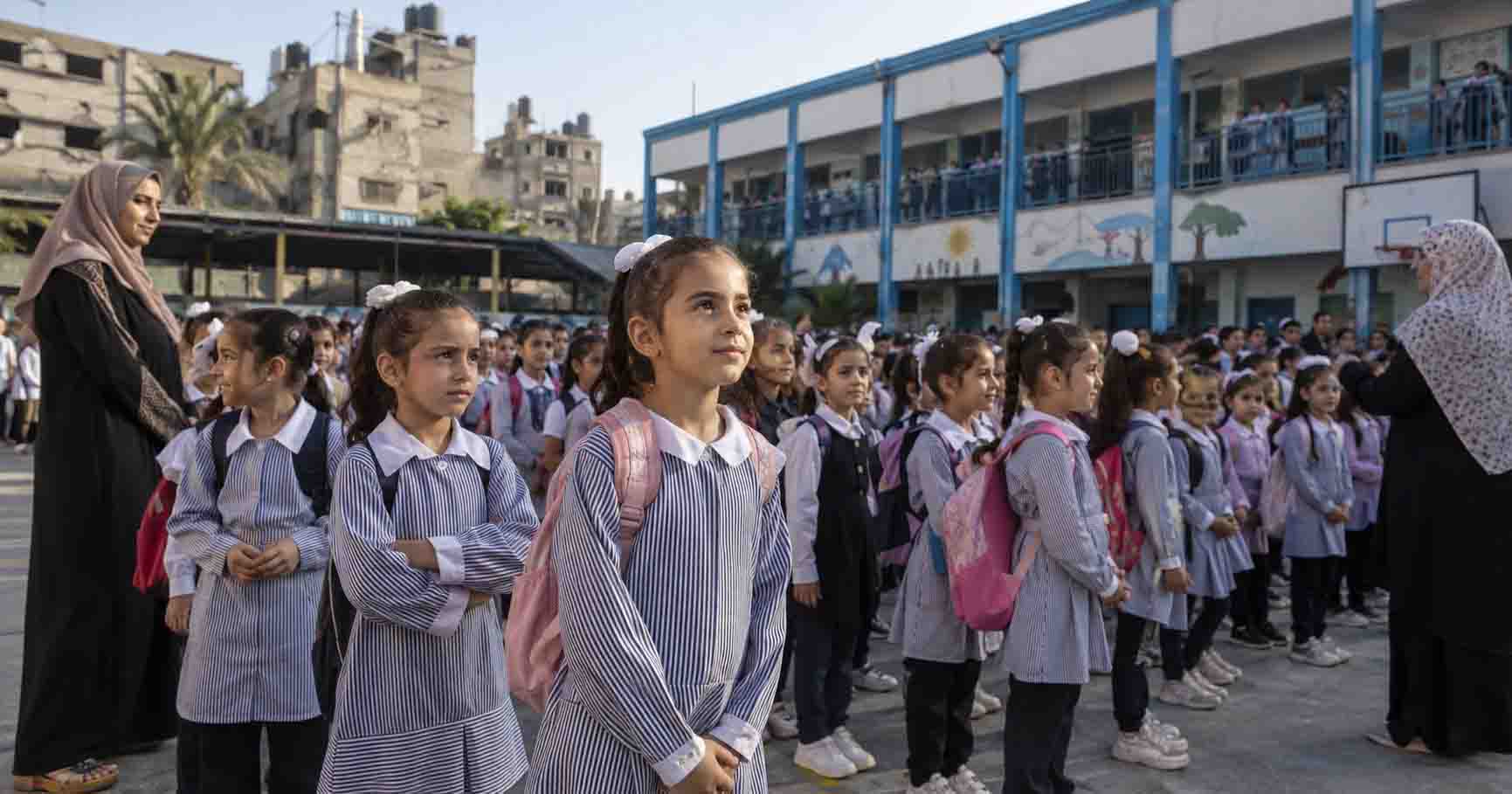
The United Nations says most of Gaza’s approximately 2.1 million residents remain displaced, while airstrikes and hostilities continue to cause civilian casualties and damage infrastructure.
According to OCHA, most of Gaza’s population is confined to less than 40% of the territory because of restrictions on access to other areas.
Humanitarian organizations also continue to face restrictions on bringing in certain supplies and reaching some locations, alongside significant funding shortages.
Humanitarian Aid and Infrastructure Under Pressure
The impact extends beyond civilian casualties. The United Nations has reported that recent Israeli attacks destroyed humanitarian supplies and damaged critical water infrastructure.
UNICEF said strikes destroyed more than $770,000 worth of nutrition supplies intended to support more than 45,000 children, pregnant women and breastfeeding mothers.
Water infrastructure serving thousands of people was also damaged, while thousands of patients remain in need of medical evacuation.
The pressure comes as the UNRWA funding crisis adds further uncertainty to humanitarian services.
Gaza Reconstruction Is Tied to Security Arrangements
Reconstruction cannot be separated from the political and security dispute. The US framework links major investment to the establishment of secure areas and arrangements designed to prevent renewed conflict.
That makes a new Palestinian police force, civilian governance, disarmament and Israeli withdrawal practical prerequisites for moving from emergency relief toward large-scale reconstruction.
A US official cited by CBS News also said Israel was not meeting commitments to allow materials required for certain reconstruction projects into Gaza.
Rebuilding Gaza has therefore become not only a financial and engineering challenge, but also a major political and security test.
Britain Removed From US-Led Gaza Coordination Mission
In a new diplomatic development on September 8, Israel said Britain would no longer participate in a US-led coordination mission for Gaza.
The decision was part of Israel’s response to measures announced by Britain, France and Canada targeting imports from Israeli settlements in the occupied West Bank.
Israel also announced the closure of Britain’s consulate in East Jerusalem, highlighting widening diplomatic tensions between the Israeli government and some of its traditional Western partners.
Britain’s removal does not by itself end the US-led coordination mechanism, but it introduces another political complication into an already difficult process.
Can the Gaza Ceasefire Move to the Next Phase?
The central challenge is no longer simply maintaining a ceasefire. It is building the political and security structure intended to follow it.
The roadmap requires a new Palestinian security force, international stabilization arrangements, viable civilian administration, agreements on disarmament and Israeli withdrawal, and reliable access for humanitarian and reconstruction supplies.
Assessment: Continued strikes and disagreements over Hamas disarmament and Israeli withdrawal make large-scale reconstruction difficult in the near term. The key test for Washington will be whether it can turn the ceasefire from a reduction in large-scale hostilities into a sustainable political and security framework.
What to Watch in Gaza
- Whether Washington secures guarantees for the proposed Palestinian police force.
- Whether Hamas disarmament and Israeli withdrawal can advance simultaneously.
- The frequency of Israeli strikes and their impact on the ceasefire.
- Access for humanitarian and reconstruction materials.
- The future of the US-led coordination mission after Britain’s removal.
- Humanitarian conditions and new casualty updates.
Sources
- CBS News — Jared Kushner addresses stalled progress on the Gaza peace plan
- Reuters — Israel bars Britain from US-led Gaza coordination mission
- Reuters — Israeli strikes continue in Gaza despite the ceasefire
- United Nations — Attacks damage humanitarian supplies and water infrastructure in Gaza
- United Nations OCHA — Humanitarian situation across Gaza remains deeply alarming