Have Global Markets Adapted to War? Wall Street’s Bigger Fear Is Debt and Inflation

Just weeks ago, global markets were bracing for a major surge in oil and gold prices as tensions escalated across the Middle East… but what actually happened was very different.
Instead of a wave of global panic and sharp stock market collapses, Wall Street and global financial markets gradually began pricing in a far more complex scenario — one based on containing geopolitical escalation without triggering a full-scale economic breakdown.
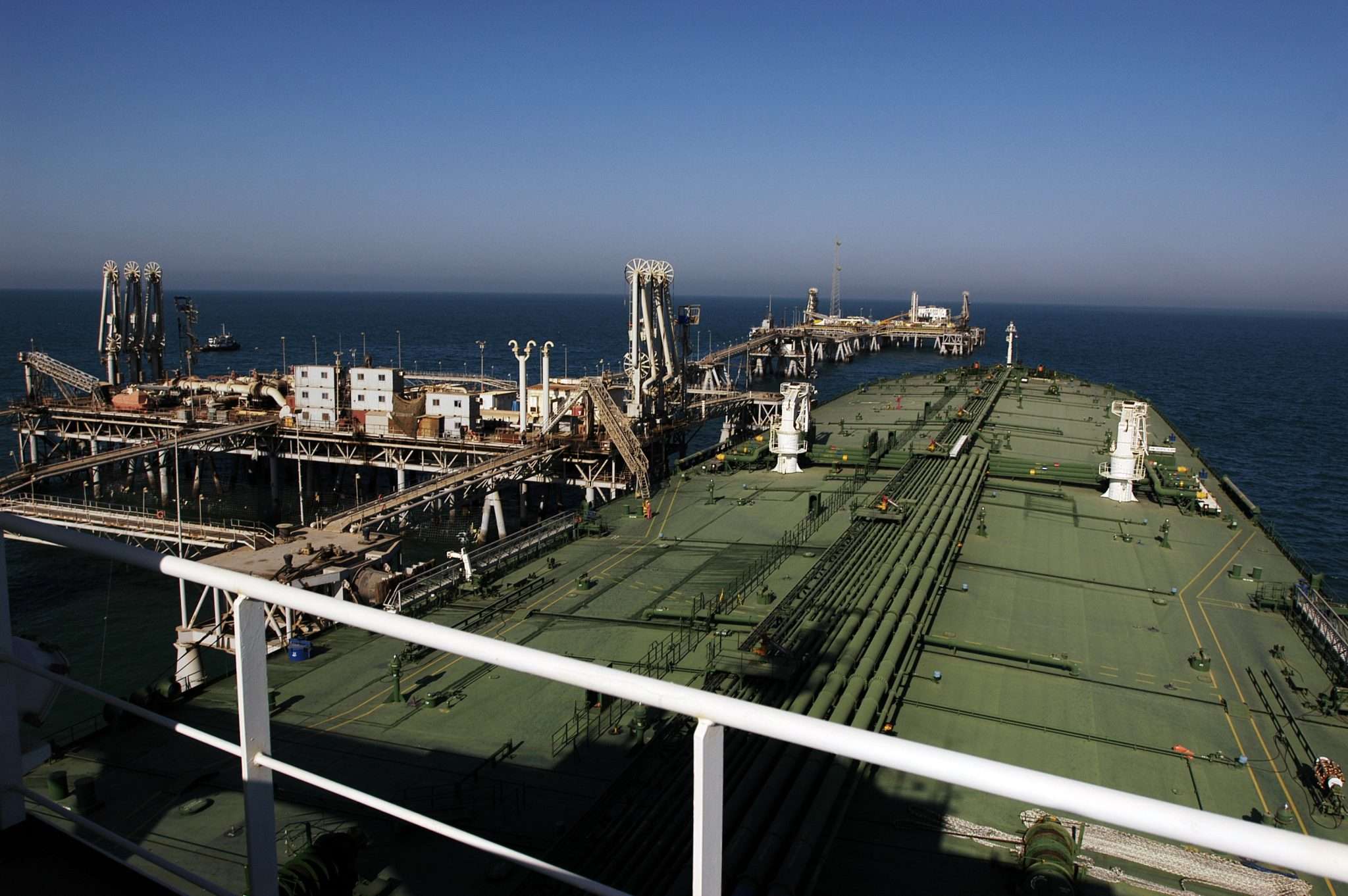
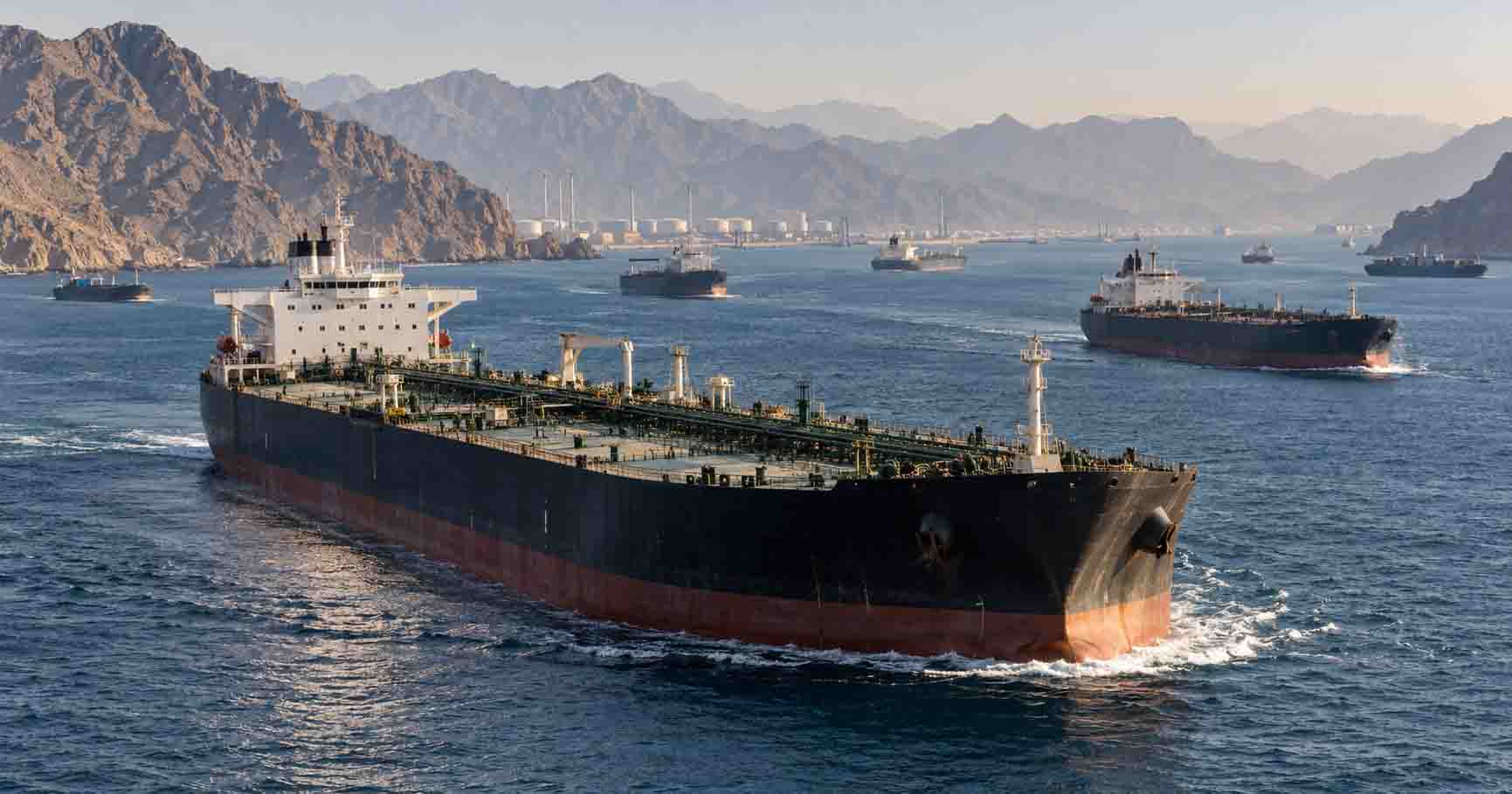
Despite the ongoing war and tensions surrounding energy markets and the Strait of Hormuz, movements across stocks, bonds, oil and gold showed that investors no longer view war alone as the biggest threat facing the global economy.
Instead, markets are increasingly focused on inflation, interest rates, rising US Treasury yields and the growing cost of global financing.
Despite the war and geopolitical tensions, US crude oil fell by more than 3%, while the VIX fear index remained near just 16 points.
And that is where the biggest question inside Wall Street began to emerge: Have markets truly started adapting to war?
- S&P 500 rose +0.37%
- Britain’s FTSE 100 gained +0.67%
- Gold remained near $4,558
- WTI crude dropped more than 3%
- VIX stayed near 16.8 points
- US Treasury yields remained elevated
- The US dollar stayed relatively stable
Why Haven’t Markets Collapsed Despite the War?
Global market movements suggest investors have started distinguishing between a “limited war” and a “full-scale economic shock.”
Even as tensions continue across the Middle East, oil prices failed to surge to the extreme levels markets had previously feared, while gold also avoided a broad panic-buying rally.
Analysts believe markets are betting that major global powers are still attempting to prevent the conflict from expanding into an open regional war that could directly threaten global energy flows.
Expectations tied to potential US-Iran negotiations and the easing of certain geopolitical risks also helped reduce panic across global markets, according to Bloomberg Markets.
But that does not mean markets have become fully comfortable.
Rather, the shape of fear itself has simply changed.
Global market data and reports from Reuters Markets also showed that investors are now focusing far more on interest rates and bonds than on the direct risks of war itself.
Oil Is Falling… But Markets Still Feel Uncomfortable
Despite ongoing geopolitical tensions, WTI crude fell toward $93 per barrel, while Brent crude remained near $96.
This decline reflects growing market belief that global supply chains have not yet entered a true danger zone.
Still, market data shows oil continues to move violently despite the fading of the first wave of panic across global markets.
However, analysts warn that any sudden escalation in the Strait of Hormuz or across global shipping lanes could quickly send oil back into a far more aggressive rally.
Markets also understand that energy prices remain elevated compared with historical averages, meaning global inflation has not fully exited the danger zone.
Data from Investing Markets points to continued volatility across energy, metals and bonds despite improved stock market performance.
Previous reports also examined the impact of war and energy markets on Global Food Prices 2026.
Gold Is Rising Quietly… Why Didn’t Panic Explode?
Gold remained elevated above $4,550, yet it failed to enter the kind of explosive rally seen during previous global crises.
Analysts say this is largely due to continued US dollar strength and elevated Treasury yields, both of which continue limiting a full investor rush into gold.
Markets still view US Treasuries and the dollar as primary defensive tools in a high-interest-rate environment.
Investors have also become more cautious when shifting toward safe havens, particularly as part of the market believes central banks could keep interest rates higher for longer.
Gold, Oil and Global Inflation Prices continue playing a central role in shaping market sentiment throughout 2026.
US Treasuries Have Become More Dangerous Than the War Itself
This may now be the single most important issue inside global markets.
US Treasury yields remain near their highest levels, with the 10-year yield staying above 4.5%.
That means markets are now far more concerned about financing costs, debt burdens and elevated interest rates than about war itself.
Higher yields are also putting pressure on companies, equities, real estate and global financing conditions.
“Markets no longer fear war alone… they now fear the economic cost of surviving it.”
Bond and dollar movements suggest investors are watching the future of US debt and global fiscal deficits more closely than ever before.
Previous reports also explored the impact of US Debt and the American Economy on global markets.
Wall Street Is Betting on a Different Scenario
Despite continued global anxiety, US equities remained relatively stable.
The S&P 500 posted gains, while several major technology stocks maintained strength — a sign that Wall Street is still betting on continued US economic growth.
However, technology sector movements also revealed a far more selective market.
Investors are no longer buying everything indiscriminately as they did during the era of ultra-low interest rates.
Instead, markets are increasingly focusing on companies capable of surviving a high-financing-cost environment while delivering real growth and sustainable profitability.
The VIX fear index remaining above 16 points also suggests markets still expect further volatility ahead.
Previous analysis also explored the impact of Global Markets, Oil, Bonds and Inflation on investor sentiment.
What Are Markets Really Afraid Of?
War now appears to be part of the global economic landscape, but markets are far more worried about persistently high interest rates, rising debt burdens and global financing costs.
While the first wave of panic surrounding energy markets has faded, US Treasury yields remain elevated, and investors continue watching inflation, the dollar and the Federal Reserve with extreme caution.
Have Global Markets Truly Adapted to War?

For now, global markets appear to be treating wars as part of the new economic environment rather than as merely temporary exceptional events.
But that does not mean the danger has disappeared.
Markets remain extremely sensitive to any disruption involving energy, shipping, inflation or US Treasury markets.
Wall Street may no longer be asking only one question: Will the war expand?
Instead, it is increasingly asking another:
Can the global economy continue growing under the simultaneous pressure of high interest rates, mounting debt and volatile energy markets?
In a world where US Treasuries, the dollar and energy still form the backbone of the global financial system, any prolonged loss of confidence or financing stability could evolve into a crisis extending far beyond the war itself.
Perhaps the most dangerous message today is that global markets may be adapting to war… but they are no longer able to ignore the cost of interest rates, debt and energy in a rapidly changing world.