Global Markets No Longer Fear War. They Fear the Economic Cost of Living With It
From Treasury yields and inflation to China's slowdown and energy risks, investors are increasingly focused on the economic consequences of instability rather than the conflicts themselves.

Global markets are entering a new phase of adaptation to geopolitical shocks, but concerns on Wall Street are no longer focused solely on wars. Instead, attention has shifted toward high interest rates, debt burdens, and a slowing global economy.
While the world watches tensions in the Middle East and risks surrounding energy and global shipping, financial markets appear to be fighting a very different battle — one centered on financing costs, economic growth, and inflation.
Despite ongoing geopolitical escalation and concerns related to the Strait of Hormuz, U.S. and global equities continued to post gains, while oil prices declined and the VIX volatility index remained near its lowest levels in recent weeks.
Data from Investing Markets show continued capital flows into technology stocks and U.S. equity indexes despite geopolitical tensions.
This environment suggests that investors no longer view war as the sole economic threat. Instead, they are increasingly focused on U.S. interest rates, Treasury yields, the dollar, and the outlook for global growth.
While the Nasdaq rose 0.91% and the S&P 500 gained 0.58%, U.S. WTI crude fell to $87.6 per barrel, while gold remained near $4,558.
This raises the question now dominating Wall Street: if war no longer frightens markets, what does?
- S&P 500 rose to 7,563 points (+0.58%)
- Nasdaq climbed to 26,917 points (+0.91%)
- Dow Jones posted modest gains (+0.05%)
- Gold traded near $4,558 (+0.57%)
- WTI crude at $87.6 (-1.42%)
- Brent crude near $91.2 (-1.57%)
- U.S. 10-year Treasury yield near 4.45%
- U.S. Dollar Index near 99
- VIX at just 15.8 points
Global Markets Between War, Interest Rates, and Debt
In previous crises, major wars typically pushed investors toward gold and bonds while driving them away from equities.
What is happening today appears notably different.
Despite ongoing tensions linked to energy markets and global shipping, markets have not experienced a broad selloff. Instead, major U.S. equity indexes have continued moving toward record highs.
Analysts say investors are increasingly distinguishing between limited geopolitical risks and broad economic shocks capable of directly threatening global growth.
Previous analyses explored how global markets began adapting to war despite persistent geopolitical risks.
Yet beneath this apparent calm, more complex risks continue to accumulate.

U.S. Treasuries Have Become the Real Center of Concern
The clearest message markets are sending today is not about war — it is about U.S. Treasury bonds.
The yield on the 10-year U.S. Treasury remained near 4.45%, while the 30-year yield held close to 5%, historically elevated levels compared with the era of low interest rates.
This means global financing costs remain high, and investors continue to monitor the U.S. Federal Reserve’s position closely.
Markets are also tracking corporate and economic data through Bloomberg Markets for fresh signals on growth and inflation.
Minutes from recent Federal Reserve meetings showed continued concern about renewed inflationary pressures, supporting the U.S. dollar and limiting expectations for interest-rate cuts.
According to Investing.com, the Federal Reserve’s hawkish tone supported the U.S. dollar and kept expectations for rate cuts constrained.
Data from FRED Federal Reserve Data also show Treasury yields remaining near their highest levels in recent years, increasing market sensitivity to any changes in interest-rate policy.
Previous analyses examined the impact of global markets, oil, bonds, and inflation on investors and financial markets.
“The greatest fear within markets is no longer war itself — it is the cost of borrowing and debt in a high-interest-rate world.”
Technology and Artificial Intelligence Continue to Lead Wall Street
Despite economic pressures, major technology stocks continued attracting investment flows.
Nvidia, Amazon, Apple, and Microsoft all recorded fresh gains, while investors continued betting on artificial intelligence as a key driver of future earnings growth.
These moves suggest Wall Street still sees significant opportunities in technology despite elevated interest rates.
Previous analyses explored the role of artificial intelligence and global markets in supporting U.S. equity indexes.
China Remains the Weakest Link in the Global Economy
At the same time, markets continue monitoring signs of slowing growth in China, the world’s second-largest economy.
Reports from Reuters China Economy point to ongoing pressure on the country’s property and manufacturing sectors.
Manufacturing activity, real estate performance, and domestic demand remain below expectations across several sectors, raising concerns about broader global economic slowing.
Economic estimates suggest weaker Chinese growth could affect global demand for commodities, energy, and metals in the months ahead.
Previous reports examined the impact of China’s economy and global markets on investor sentiment and worldwide growth.

Hormuz and Global Energy: The Risk That Has Not Disappeared
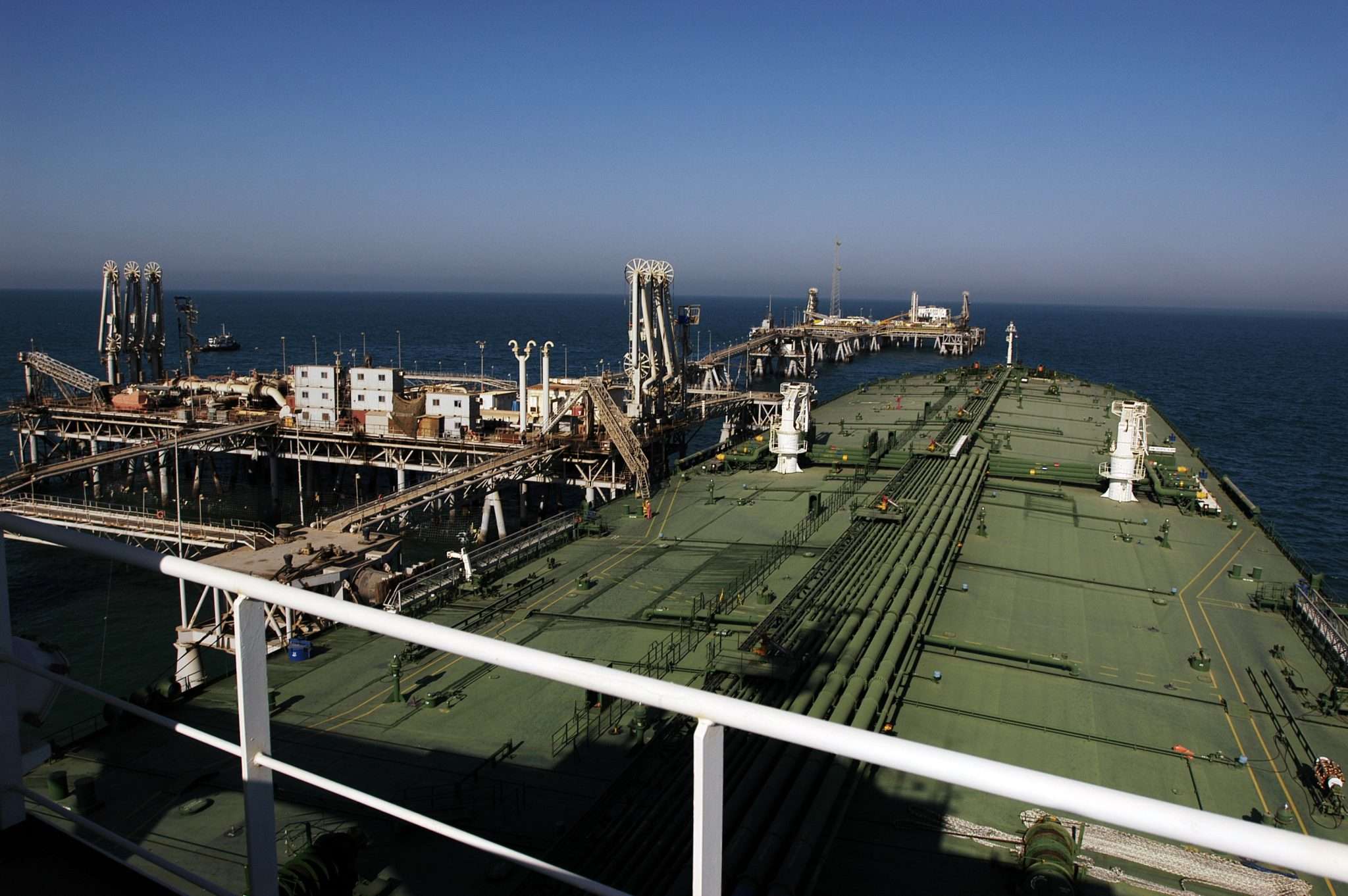
Despite the recent decline in oil prices, markets continue to closely monitor shipping activity and energy flows through the Gulf region and the Strait of Hormuz.
Any significant disruption to oil or gas supplies could quickly return global inflation to center stage and alter central-bank calculations.
Previous reports examined the implications of escalation in Hormuz and Lebanon and its potential impact on global markets and energy.
Other analyses explored the implications of the Hormuz resolution project involving 112 countries and its effect on global maritime security.
The U.S. Dollar Still Sets the Rules of the Game
With the Dollar Index remaining near 99, investors continue to rely on the U.S. currency as the world’s primary financial safe haven.
The relationship between the dollar, gold, and government debt has become more influential in market decision-making than many short-term geopolitical events.
Previous analyses discussed the impact of the U.S. dollar, gold, and U.S. debt on global markets.
Why Have Global Markets Become Calmer Than Politicians?
Despite ongoing geopolitical escalation in several parts of the world, movements in equities, bonds, and currencies suggest investors have become better able to absorb short-term shocks than in previous years.
This reflects a growing belief that major central banks and governments remain capable of containing crises and preventing them from developing into full-scale global economic shocks. However, that calm remains fragile, as any major disruption in energy, financing, or supply chains could quickly alter the outlook.
Have Global Markets Ignored the Risks of War?
Despite continuing geopolitical tensions in the Middle East and risks surrounding energy and global shipping, movements in stocks, bonds, and currencies suggest investors are increasingly focused on interest rates, debt, and economic growth rather than the possibility of wider conflicts.
This reflects a growing conviction that geopolitical shocks can be contained, provided they do not evolve into a major energy or global financial crisis.
What Are Markets Really Afraid Of?
For now, global markets appear to be treating wars as part of the new economic environment.
But that does not mean risks have disappeared.
The real concerns have shifted from battlefields to more complex issues:
- U.S. interest rates
- Global debt
- China’s slowdown
- The U.S. dollar
- Energy and global shipping
- Inflation
Wall Street may no longer be asking whether war will expand.
Instead, it is asking whether the global economy can continue growing while interest rates remain elevated, debt levels keep rising, and energy markets remain vulnerable to shocks.
That is the central paradox: global markets may be adapting to war, but they have not yet adapted to the cost of interest rates and debt in a rapidly changing world.