

ADNOC Warns Global Oil Inventories Have Fallen by Nearly 1 Billion Barrels

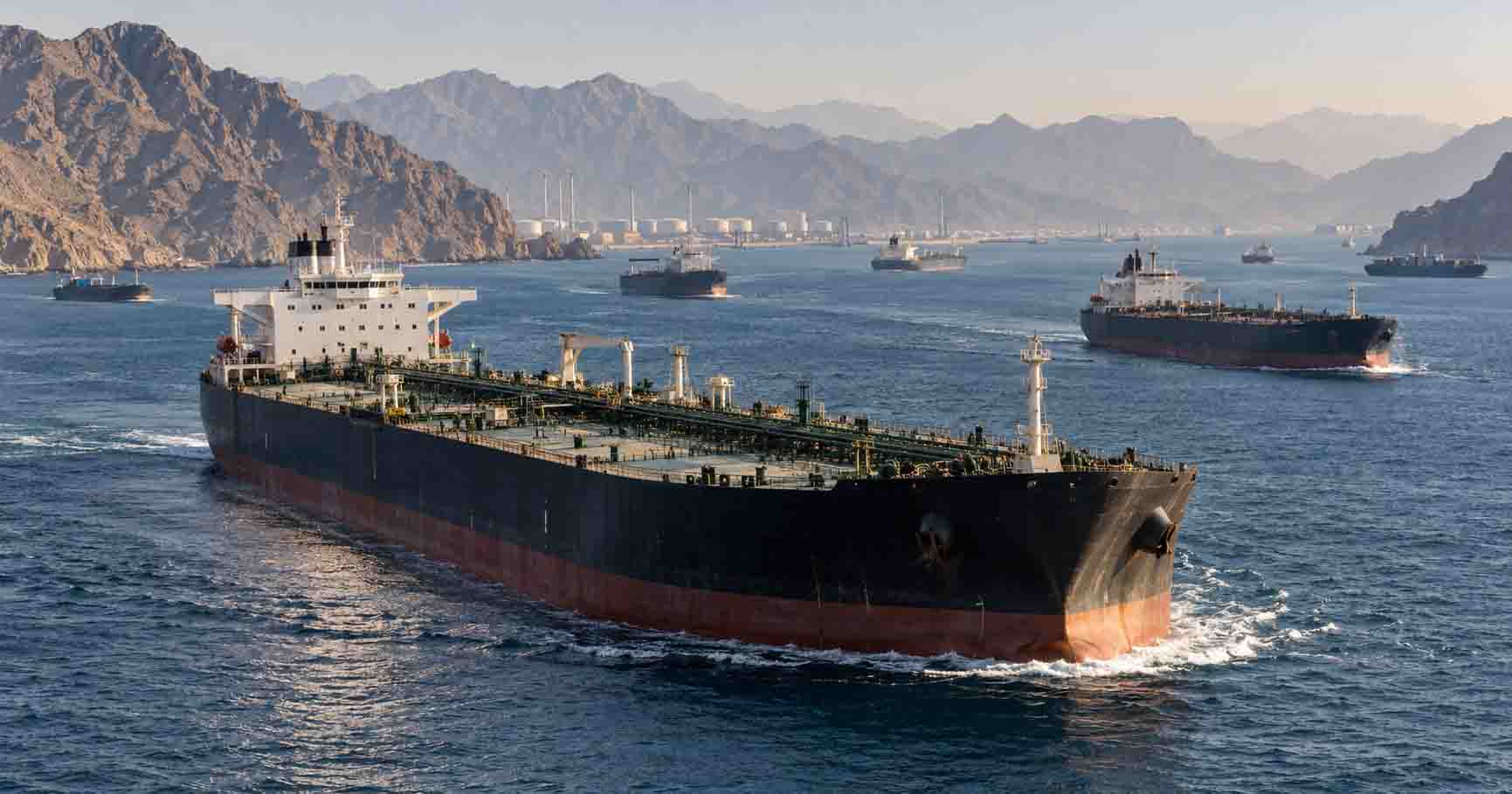
Global Oil Inventories have fallen by nearly 1 billion barrels, while shipping costs have surged to more than 30% of the cost per barrel, raising concerns about a deepening global energy supply crisis. Sultan Al Jaber, the United Arab Emirates’ Minister of Industry and Advanced Technology and CEO of Abu Dhabi National Oil Company (ADNOC), warned on Monday, November 2, 2026, that global energy supply buffers were shrinking because of disruptions to shipping through the Strait of Hormuz since the outbreak of the U.S.-Israeli war with Iran. Speaking at the opening of ADIPEC 2026 in Abu Dhabi, he said diesel inventories in some markets had fallen to their lowest seasonal levels in 35 years.
Global Oil Inventories: What Does a 1 Billion-Barrel Drawdown Mean?
Al Jaber said the world had used a substantial portion of its stored oil reserves to compensate for disruptions to supplies moving through the Strait of Hormuz, one of the world’s most important maritime energy trade routes.
The figure represents the volume of oil withdrawn from inventories during the crisis. It does not mean that the world has permanently lost 1 billion barrels of production capacity.
Commercial and strategic inventories help bridge temporary gaps between supply and demand, particularly when exports are disrupted or maritime transport risks increase.
However, prolonged withdrawals could reduce the market’s ability to absorb further disruptions, making oil prices more sensitive to military and political developments.
Diesel Inventories Fall to Their Lowest Seasonal Levels in 35 Years
The ADNOC chief executive said diesel inventories in some markets had declined to their lowest levels for this time of year in 35 years.
He also identified a liquefied natural gas (LNG) supply shortfall of approximately 600 billion cubic feet in other markets.
These figures do not indicate that all global markets face the same degree of shortage. Inventory levels and supply conditions vary by region and fuel type.
The diesel shortage carries particular economic significance because the fuel is widely used in road transportation, shipping, agriculture and industry. Higher diesel prices can therefore increase the cost of producing and distributing goods.
Oil Shipping Costs Rise to More Than 30% of the Cost per Barrel
Among the most significant figures Al Jaber cited was the increase in oil-related shipping and logistics costs, from less than 5% of the cost per barrel before the war to more than 30% during the crisis.
The increase reflects security risks facing tankers, changes in shipping routes and higher transportation, insurance and logistics expenses.
As a result, oil availability in producing regions does not necessarily guarantee that supplies will reach consumers at normal volumes or prices.
The issue is particularly important in the Strait of Hormuz, where disruptions to vessel movements can affect global energy trade even when some oil fields continue producing.
Hormuz Crisis Reshapes Global Energy Security Calculations
Al Jaber said energy security could not be measured by production capacity alone. It must also account for the ability of countries and companies to deliver supplies reliably to markets.
He called for expanded strategic storage capacity, larger refined petroleum product inventories and greater refining capabilities closer to consuming markets, alongside investment in infrastructure and logistics.
His warning comes as diplomatic efforts continue to address the shipping crisis in the Strait of Hormuz, amid disagreements between Washington and Tehran over sanctions, maritime restrictions and security arrangements.
Profile News previously covered Iranian negotiations mediated by Qatar to reduce tensions and reopen the Strait of Hormuz, with no final agreement reached.
Oil Prices: Brent Crude Trades Near $110 a Barrel
Brent crude, the international oil benchmark, traded near $110 a barrel on Monday, according to figures reported by Reuters, approximately 50% above its level before the war began in February.
Markets remain sensitive to risks affecting physical supplies, as well as expectations surrounding diplomatic negotiations, tanker movements and global inventories.
Seven OPEC+ countries agreed on Sunday to maintain their December oil production targets at September levels. However, the decision does not guarantee that the targeted volumes will reach markets amid shipping disruptions.
Profile News’ report on the OPEC+ December production decision explains the difference between production quotas and the actual volumes available for export.
How Has the International Energy Agency Responded to Supply Shortages?
In October, the International Energy Agency (IEA) approved the release of more than 20 million barrels of diesel onto the market, alongside remaining volumes associated with an extraordinary drawdown from emergency reserves announced in March.
These measures are intended to ease shortages of refined petroleum products and reduce upward pressure on prices. However, they do not directly address the security conditions disrupting certain trade routes.
Saudi Aramco CEO Amin Nasser warned in October that global commercial oil inventories had fallen below 6 billion barrels, with a substantial portion not readily accessible to markets.
ADNOC Calls for Rebuilding Global Energy Security
Speaking at ADIPEC, Al Jaber outlined five priorities for strengthening the energy sector’s resilience to disruptions: ensuring accessible supplies, securing transportation routes, using intelligent systems to improve efficiency, strengthening policy, financing and insurance frameworks, and investing in human capital.
He argued that investment in infrastructure, storage and logistics should take place before crises emerge, rather than relying on responses after major disruptions occur.
The warnings reflect a shift in the global energy debate from focusing solely on production capacity to ensuring the reliable delivery of oil, gas and refined petroleum products to consumers.
As negotiations over the Strait of Hormuz continue, shipping activity, the replenishment of inventories and fuel availability will remain key indicators of whether the global supply crisis is easing.
Sources
- ADNOC – Official Statement on Global Energy Security, November 2, 2026.
- Reuters – Global Oil Inventory Drawdowns and the Impact of Hormuz Disruptions, November 2, 2026.