Gold Falls as Oil Surges: What’s Driving Global Markets?

Gold Falls in global markets despite escalating geopolitical tensions and a powerful surge in oil prices, highlighting a complex shift in capital flows, inflation expectations, and investor positioning across asset classes.
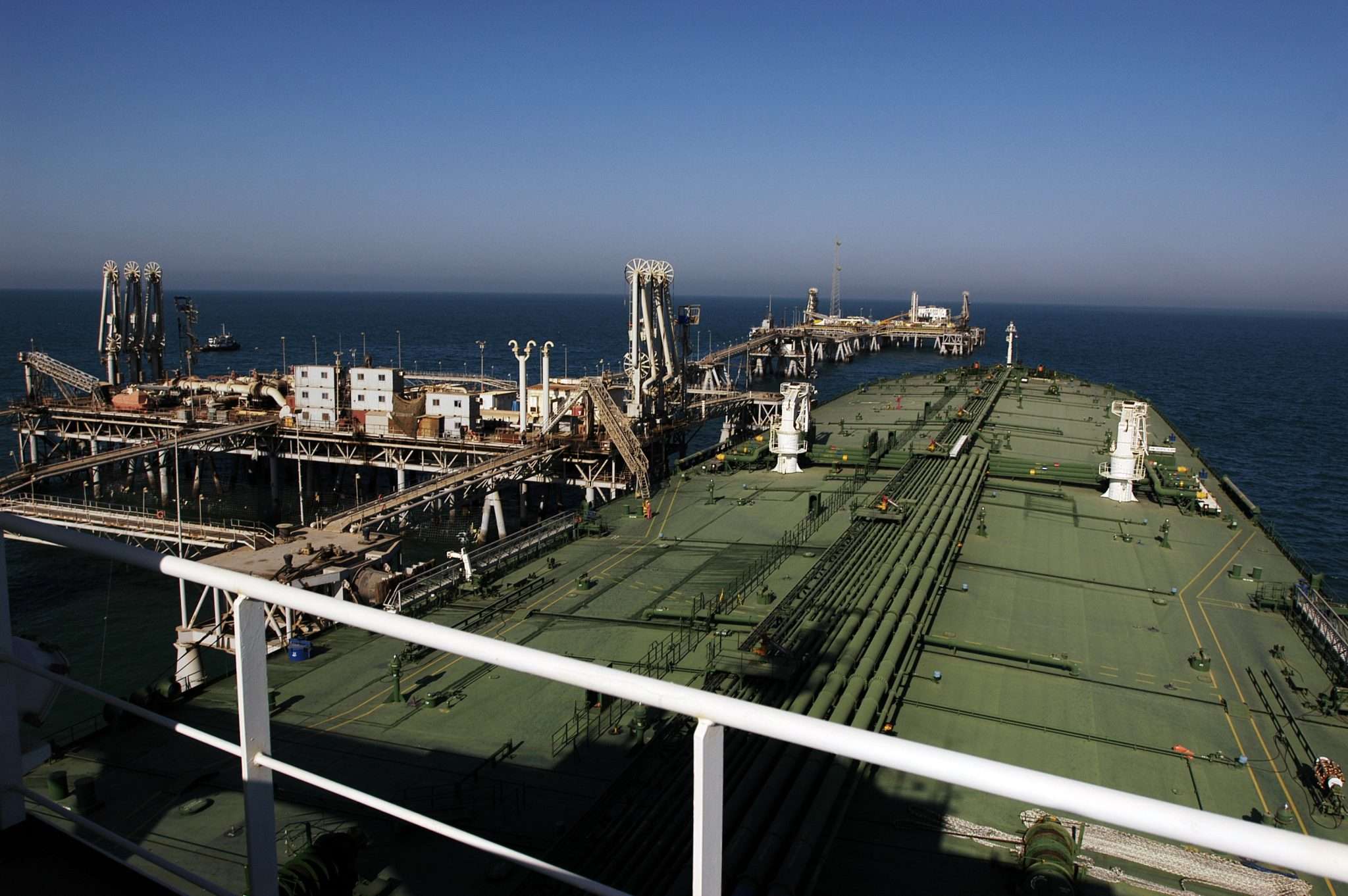
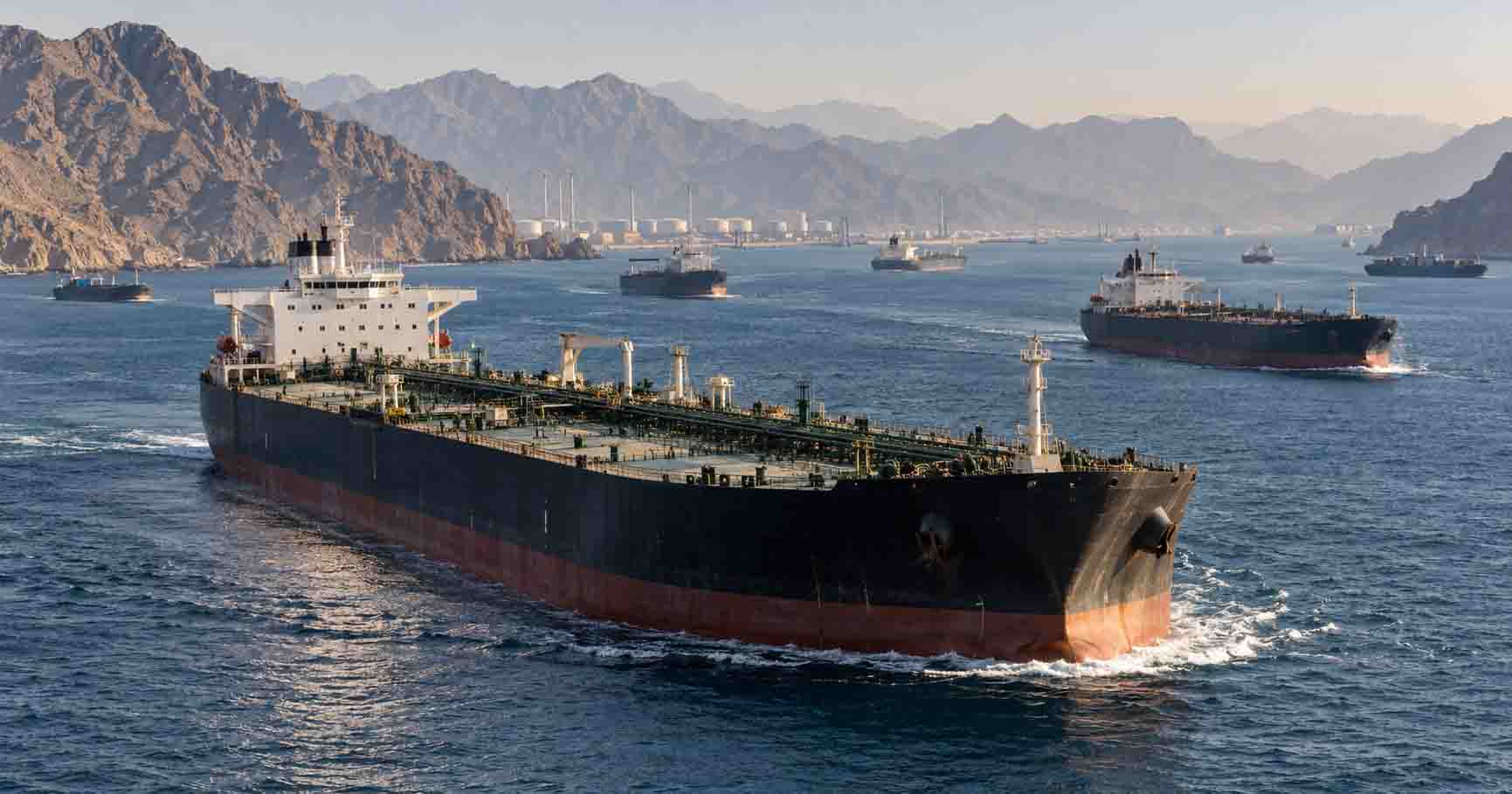
This development comes as the Strait of Hormuz remains effectively closed for the sixth consecutive week, creating significant disruptions in global energy supply chains. According to Reuters, roughly 20% of global oil trade passes through this strategic chokepoint, amplifying the market’s sensitivity to geopolitical developments.
At the same time, heightened rhetoric from former U.S. President Donald Trump toward Iran has intensified uncertainty, pushing oil prices sharply higher while placing downward pressure on gold.
Gold Falls despite oil surge and geopolitical tensions
Spot gold traded near $4,634 per ounce after touching intraday lows around $4,608, while futures hovered close to $4,658. These movements reflect clear short-term selling pressure despite an environment typically supportive of safe-haven assets.
The fact that Gold Falls under such conditions suggests that the dominant driver is not a decline in risk, but rather a reallocation of capital toward sectors offering stronger immediate returns—most notably energy.
As oil prices surge, institutional investors often rotate capital into energy-linked assets to capture momentum. This shift reduces short-term demand for gold, even when geopolitical risks remain elevated.
For further economic insights, refer to Profile News Economy Coverage.
Direct explanation: Why Gold Falls now
Gold Falls primarily because of three interacting forces: capital rotation, inflation expectations, and monetary policy outlook.
First, capital is shifting toward oil and energy markets, which are directly benefiting from geopolitical disruptions. Second, rising oil prices increase inflation expectations globally. Third, higher inflation may force central banks—particularly the Federal Reserve—to maintain or extend tight monetary policy.
This combination creates a short-term headwind for gold, which tends to underperform in environments of rising yields and strong dollar support.
In simple terms, gold is not falling due to reduced risk, but because other assets are temporarily more attractive.
Oil surge driven by supply risks
Oil prices have risen sharply, with U.S. crude reaching approximately $113 per barrel and Brent crude climbing to around $110.60. These levels reflect a significant repricing of supply risk.
The prolonged disruption of flows through the Strait of Hormuz has intensified fears of a sustained supply shock. This has prompted traders to aggressively price in potential shortages.
Additionally, political escalation has further amplified uncertainty. According to Axios, indirect communication channels between Washington and Tehran are ongoing, indicating that the situation remains fluid and unresolved.
Markets are therefore reacting not only to current disruptions, but also to the risk of further escalation.
Technical analysis: key levels to watch
From a technical perspective, gold is currently trading within a critical range that will likely determine its next directional move.
- $4,608 represents immediate support; a confirmed break below could accelerate downside momentum
- $4,551 stands as a key secondary support level
- $4,715 marks a near-term resistance level; a breakout above could trigger a rebound
- The broader range between $4,400 and $4,800 remains decisive for medium-term direction
Momentum indicators provide additional context:
- RSI remains below 50, signaling continued bearish pressure
- MACD shows weakening downside momentum but no confirmed reversal
- SuperTrend has flipped bearish, reinforcing short-term downside bias
These indicators suggest that while selling pressure dominates, the market is approaching a potential inflection point.
Impact of U.S. economic data
U.S. macroeconomic data continues to play a central role in shaping gold’s trajectory.
According to the U.S. Bureau of Labor Statistics, recent labor market data showed stronger-than-expected job creation, reinforcing the resilience of the U.S. economy.
Analysis from Reuters suggests that persistent labor market strength may delay interest rate cuts, keeping borrowing costs elevated.
This dynamic supports the U.S. dollar and Treasury yields—both of which are traditionally negative factors for gold.
As a result, macroeconomic strength is acting as a counterbalance to geopolitical risk, contributing to why Gold Falls despite heightened tensions.
Gold-to-silver ratio and broader signals
The gold-to-silver ratio is providing additional insight into market positioning.
A rejection at higher levels suggests potential rotation within precious metals, where silver could begin to outperform gold. Historically, such shifts often occur during transitional phases in broader commodity cycles.
If confirmed, this could signal that gold’s current weakness is part of a broader rebalancing rather than a structural decline.
Geopolitical dimension and global implications
The ongoing tension between the United States and Iran remains a critical variable for global markets.
Any escalation could trigger further increases in oil prices, intensify inflationary pressures, and heighten volatility across equities and currencies.
Conversely, any diplomatic breakthrough could rapidly reverse current trends, leading to a decline in oil prices and a potential rebound in gold.
Follow more geopolitical developments at Profile News World Coverage.
Market summary and forward outlook
Current market conditions reflect a complex interaction between geopolitical risk, macroeconomic strength, and capital allocation dynamics.
Key takeaways include:
- Gold Falls due to capital rotation and monetary policy expectations
- Oil prices are rising sharply due to supply disruptions and geopolitical risk
- U.S. economic resilience is supporting the dollar and pressuring gold
- Technical levels near $4,608 and $4,715 are critical for near-term direction
Looking ahead, markets remain highly sensitive to both political developments and economic data releases. Any significant shift in either could rapidly alter the current trajectory.
In this environment, volatility is likely to remain elevated, and asset correlations may continue to behave in non-traditional ways.