

Houthis at Bab el-Mandeb: Message to Trump Puts Washington in a Difficult Position

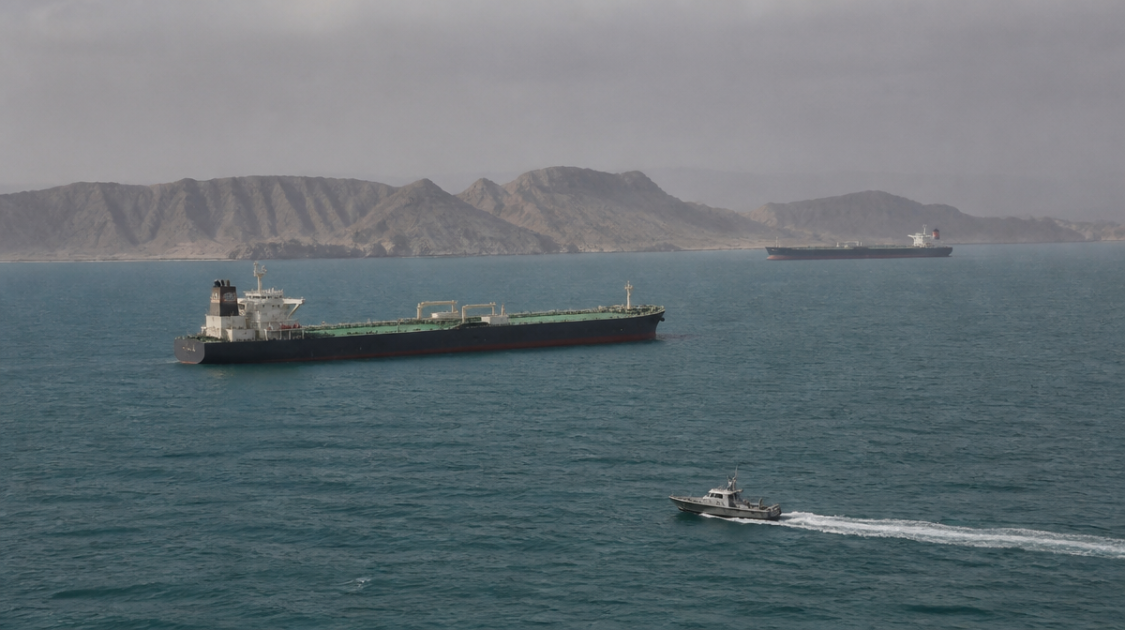
Houthis at Bab el-Mandeb are confronting Washington with an increasingly difficult calculation after the group’s forces reached strategic positions along Yemen’s western coast and Mayyun Island, also known as Perim, in the middle of the strait. The advance is no longer simply another shift on Yemen’s battlefield. It raises a more immediate question for the Trump administration: should the United States intervene to prevent a new military reality from taking hold near one of the world’s most important shipping routes, or avoid opening another front as regional conflicts widen?
That question became more pressing on Saturday after President Donald Trump said the Houthis had contacted his administration and asked the United States not to intervene directly in the fighting. Trump also said the group was generally allowing ships to pass, while referring to a problem involving vessels from one country that he did not identify.
The contact with Washington comes at a sensitive moment. The Houthi advance around Bab el-Mandeb has increased concerns over the group’s ability to threaten shipping through the strategic waterway linking the Red Sea with the Gulf of Aden and the Indian Ocean.
What Do the Houthis Want From Trump?
At a minimum, the message described by Trump is straightforward: the Houthis want the United States to stay out of the fighting directly. But that presents Washington with a more complicated equation as Saudi Arabia seeks greater U.S. assistance in confronting the Houthi advance.
According to Reuters, Saudi Crown Prince Mohammed bin Salman sought U.S. military support against the Houthis. Washington told Riyadh that it would not intervene directly for now but would provide intelligence support.
That leaves Trump facing two costly options: expand U.S. involvement against the Houthis, requiring additional military resources, munitions and air-defense capabilities, or leave much of the fighting to Saudi Arabia, its partners and Yemeni forces opposed to the group.
Houthis at Bab el-Mandeb: Why Has the Equation Changed?
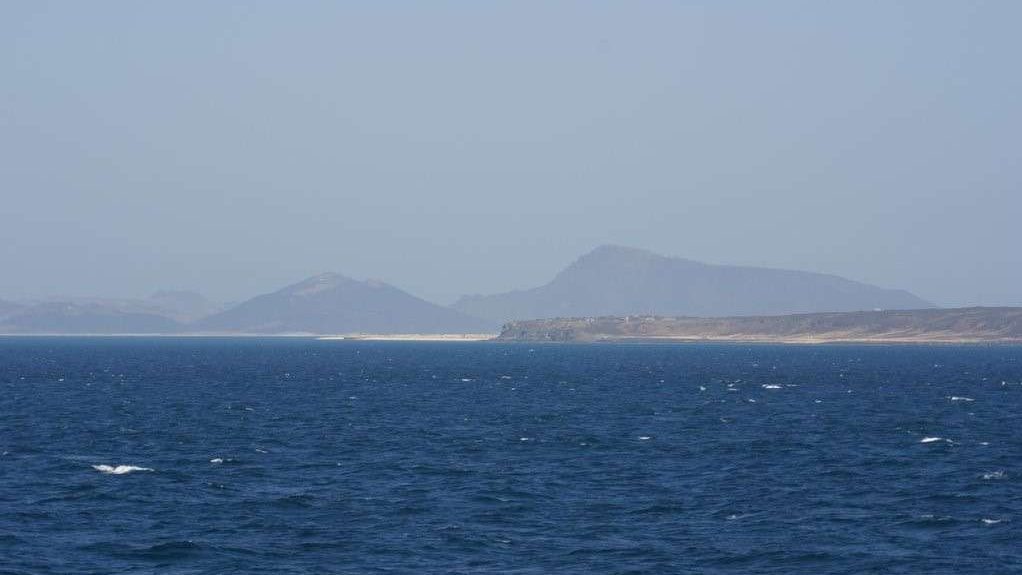
The significance of the latest developments lies largely in geography. Houthi forces have reached Mayyun, or Perim Island, which sits in the Bab el-Mandeb Strait between Yemen and the Horn of Africa, following their advance southward along Yemen’s western coast.
The movement is part of a broader military push that has included advances toward the Hanish Islands and other strategic positions in the Red Sea, increasing pressure on anti-Houthi forces around the maritime corridor.
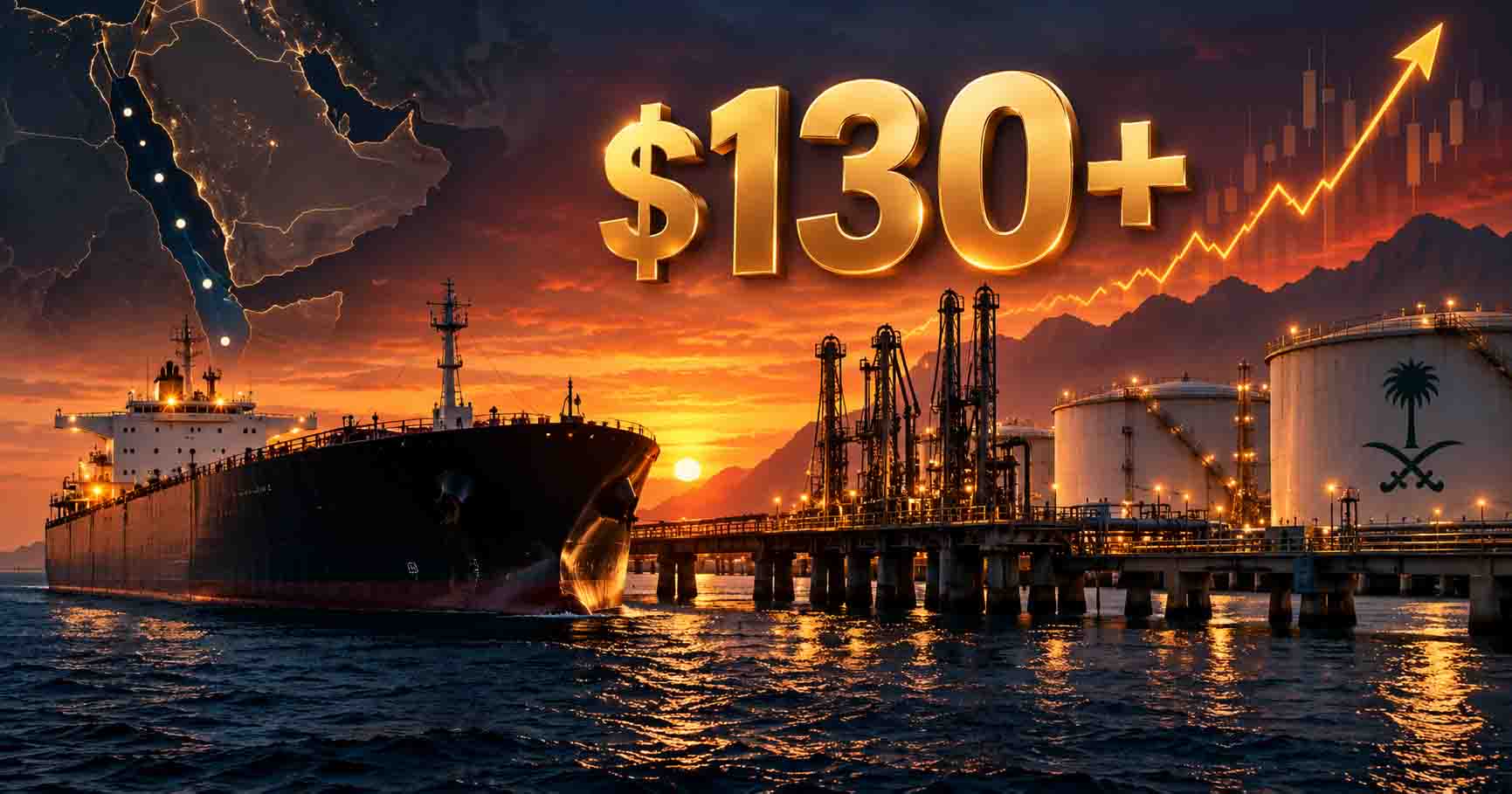
Reuters estimates that a closure of Bab el-Mandeb could threaten a route carrying about 12% of global trade and restrict a corridor associated with roughly 7% of global oil supplies. The Houthi advance does not mean the strait has been closed, but it raises the risks surrounding commercial shipping through the area.
Washington Wants to Avoid Another Front
Washington’s dilemma extends beyond Yemen. The United States is already engaged in a broader conflict with Iran, while major disruptions to shipping through the Strait of Hormuz have increased the importance of alternative oil export routes through the Red Sea.
A major new U.S. confrontation with the Houthis would require Washington to spread more military resources across multiple fronts. It could also effectively end the understanding reached with the group last year, under which the United States halted strikes in exchange for an end to Houthi attacks on Red Sea shipping.
The U.S. administration has maintained that protecting freedom of navigation remains a priority while seeking a greater role for regional partners in addressing security challenges.
Hormuz and Bab el-Mandeb Under Pressure
What makes the developments in Yemen particularly consequential is their timing alongside disruption in the Strait of Hormuz. Before the current war, roughly one-fifth of global oil supplies passed through Hormuz, while Bab el-Mandeb serves as the southern gateway to the Red Sea and the shipping route leading toward the Suez Canal.
The two waterways therefore form parts of the same network connecting Gulf energy exports with the Red Sea and global markets. Recent developments have contributed to broader shifts in the Middle East balance of power, with strategic waterways increasingly becoming part of the region’s political and military pressure points.
Trump Faces a Difficult Choice
For now, U.S. policy signals an effort to avoid being drawn into direct military intervention against the Houthis while continuing to support allies, protect American interests and safeguard freedom of navigation.
Continued Houthi advances, however, could make that balance harder to maintain. If the group’s position near Bab el-Mandeb translates into a greater ability to disrupt shipping, Washington could face mounting pressure to act. If the United States stays out of the fighting, more of the military burden would fall on Saudi Arabia and its Yemeni partners.
The Houthi message to Trump therefore does not resolve the crisis. Instead, it highlights the limits of Washington’s options: avoiding another war while preventing one of the world’s most important maritime corridors from becoming an additional point of pressure on the United States and its allies.