Iran Says It Shot Down a US Drone Over Hormuz — What Do We Know?

Iran says it shot down a US drone over the Strait of Hormuz on Monday, September 21, 2026, with the Islamic Revolutionary Guard Corps identifying the aircraft as an MQ-1 and saying it was intercepted by a newly deployed air-defense system.
The United States had not publicly confirmed losing an MQ-1 in the incident at the time of publication, leaving the identity and operator of the aircraft independently unverified.
Iran says it shot down a US drone: What did the IRGC claim?
The IRGC said in a statement carried by Iran’s Tasnim news agency that its forces tracked and destroyed what it described as a U.S. military MQ-1 over the Strait of Hormuz.
It said the interception was carried out by a new air-defense system operated by the IRGC Aerospace Force within Iran’s integrated air-defense network.
The statement did not provide independently verifiable technical information identifying the aircraft, its mission or the U.S. unit allegedly operating it.
Neither the Pentagon nor U.S. Central Command had publicly confirmed the loss of an MQ-1 linked to the reported incident.
Why does the MQ-1 identification raise questions?
The designation is notable because the U.S. Air Force officially retired its MQ-1 Predator fleet on March 9, 2018, transitioning toward the more capable MQ-9 Reaper.
The IRGC claimed Washington had returned older MQ-1 aircraft to service because of losses of MQ-9 drones during the current conflict.
That assertion has not been confirmed by the U.S. Department of Defense.
Without a U.S. statement or independently authenticated wreckage, it is therefore not possible to verify that the aircraft Iran says it destroyed was an operational U.S. MQ-1 Predator.
Iran also reports another drone interception
The announcement followed a separate Iranian military statement saying an advanced Orbiter reconnaissance drone had been destroyed over the southeastern area around the Strait of Hormuz on Sunday evening.
Iran did not provide independently verifiable information identifying the operator of that aircraft.
Tehran therefore says its forces intercepted two different unmanned aircraft around the strategic waterway within a short period.
Shipping through Hormuz remains severely disrupted
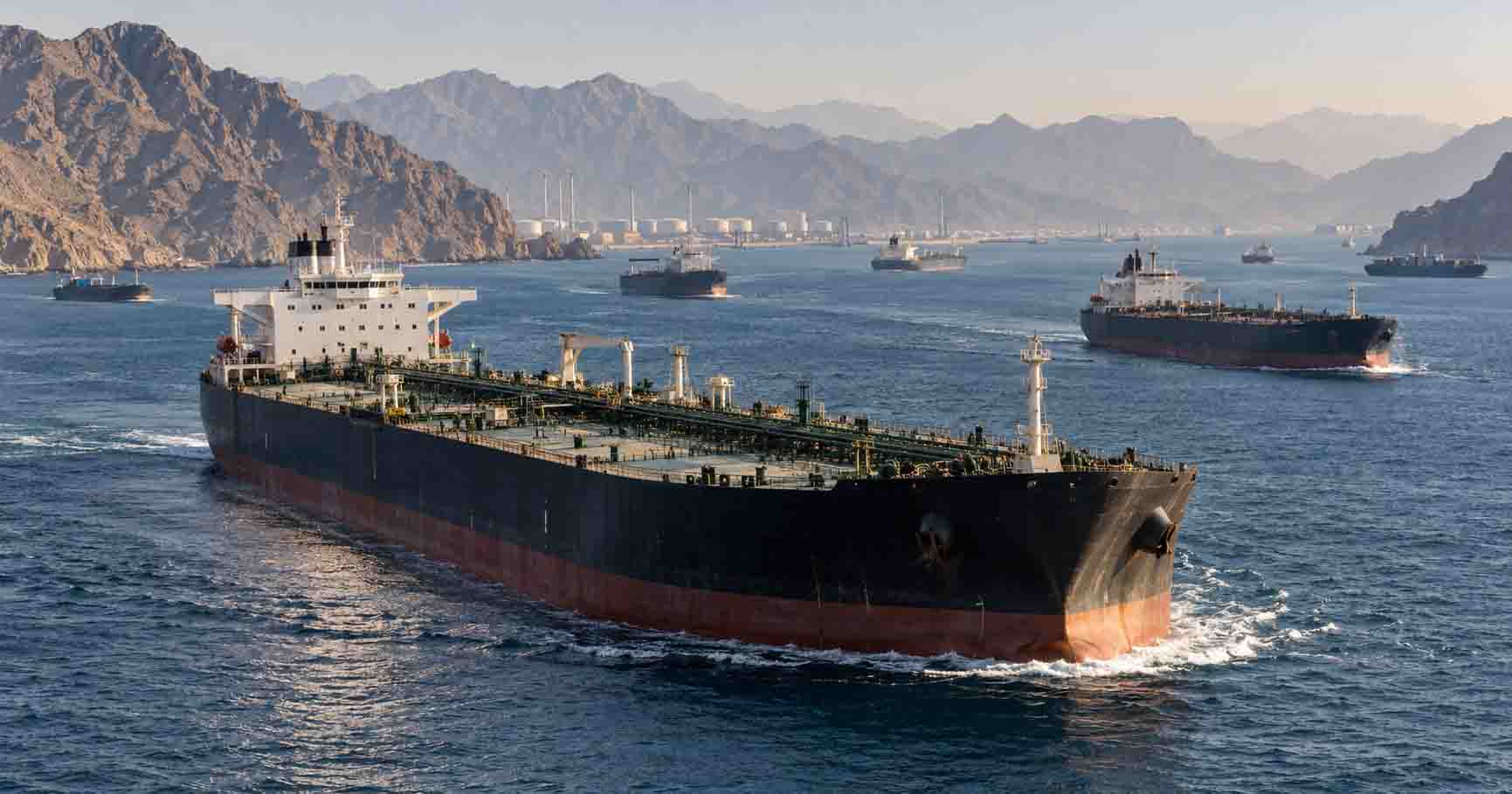
The reported incident comes as commercial traffic through the strait remains far below normal levels.
Reuters shipping data showed only 17 commodity vessels transited the Strait of Hormuz over the weekend, compared with 37 the previous weekend.
Before the war, around 125 vessels crossed the waterway on an average day.
Actual traffic may be somewhat higher because some ships are moving with tracking transponders switched off.
Profile News has previously covered oil tanker movements and tensions in the Strait of Hormuz.
Saudi exports make Hormuz even more important
The waterway has become more important to Saudi exports after recent attacks disrupted alternative routes toward the Red Sea.
Reuters reported that 22 tankers carrying around 42 million barrels of Saudi crude exited through Hormuz during the week of September 13.
No Saudi crude loadings had been observed at the Red Sea port of Yanbu since September 16, according to shipping data cited by Reuters.
IRGC threatens a wider battlefield
The drone claim coincided with another warning from Iran’s Revolutionary Guards about potential renewed U.S. strikes.
An IRGC spokesperson said another U.S. attack could prompt Iran to change both the geography of the conflict and the weapons it uses.
The spokesperson also referred to possible new targets that had not previously been attacked.
Those statements describe Iran’s declared military position and do not establish that Washington has decided to launch new strikes.
Diplomacy continues alongside the threats
The military rhetoric is unfolding at the same time as renewed diplomatic efforts.
Qatar says it has spent roughly two weeks working with Washington and Tehran on proposals to revive negotiations, while U.S. President Donald Trump has said he is open to meeting Iranian President Masoud Pezeshkian during the U.N. General Assembly.
Profile News has examined Iran’s conditions for ending the war and reopening talks with Washington.
Why does the incident matter for oil markets?
Any new military encounter over the Strait of Hormuz carries economic significance because the waterway remains one of the world’s most important energy chokepoints.
Disrupted shipping has increased insurance and freight costs and encouraged Gulf producers to rely on tanker shuttles and ship-to-ship transfers.
Reuters reported that freight expenses can now account for more than a quarter of the cost of some crude shipments using these workarounds, compared with roughly 2% to 3% before the conflict.
What is confirmed and what remains unverified?
- Confirmed: The IRGC issued an official statement saying it destroyed what it identified as a U.S. MQ-1 over Hormuz.
- Unverified: Washington has not publicly confirmed losing an MQ-1 in this incident.
- Confirmed historical fact: The U.S. Air Force officially retired the MQ-1 Predator in 2018.
- Unverified: Iran’s claim that the United States returned the model to service because of MQ-9 losses.
For now, the reported shootdown should therefore be treated as an Iranian military claim awaiting independent or U.S. confirmation, while the wider disruption to shipping through the Strait of Hormuz is independently documented.
Report Sources: Tasnim — IRGC MQ-1 statement, Reuters — Strait of Hormuz shipping traffic, Reuters — U.S.-Iran tensions, U.S. Department of Defense — MQ-1 retirement.