

Iran and the United States: What Trump’s New Strike Threat Means for the Strait of Hormuz

Iran and the United States have returned to the forefront of military tensions following the first direct exchange of attacks between the two countries since late July, marking a shift away from weeks dominated by economic pressure and sanctions and renewing concerns that the crisis could enter a more dangerous phase.
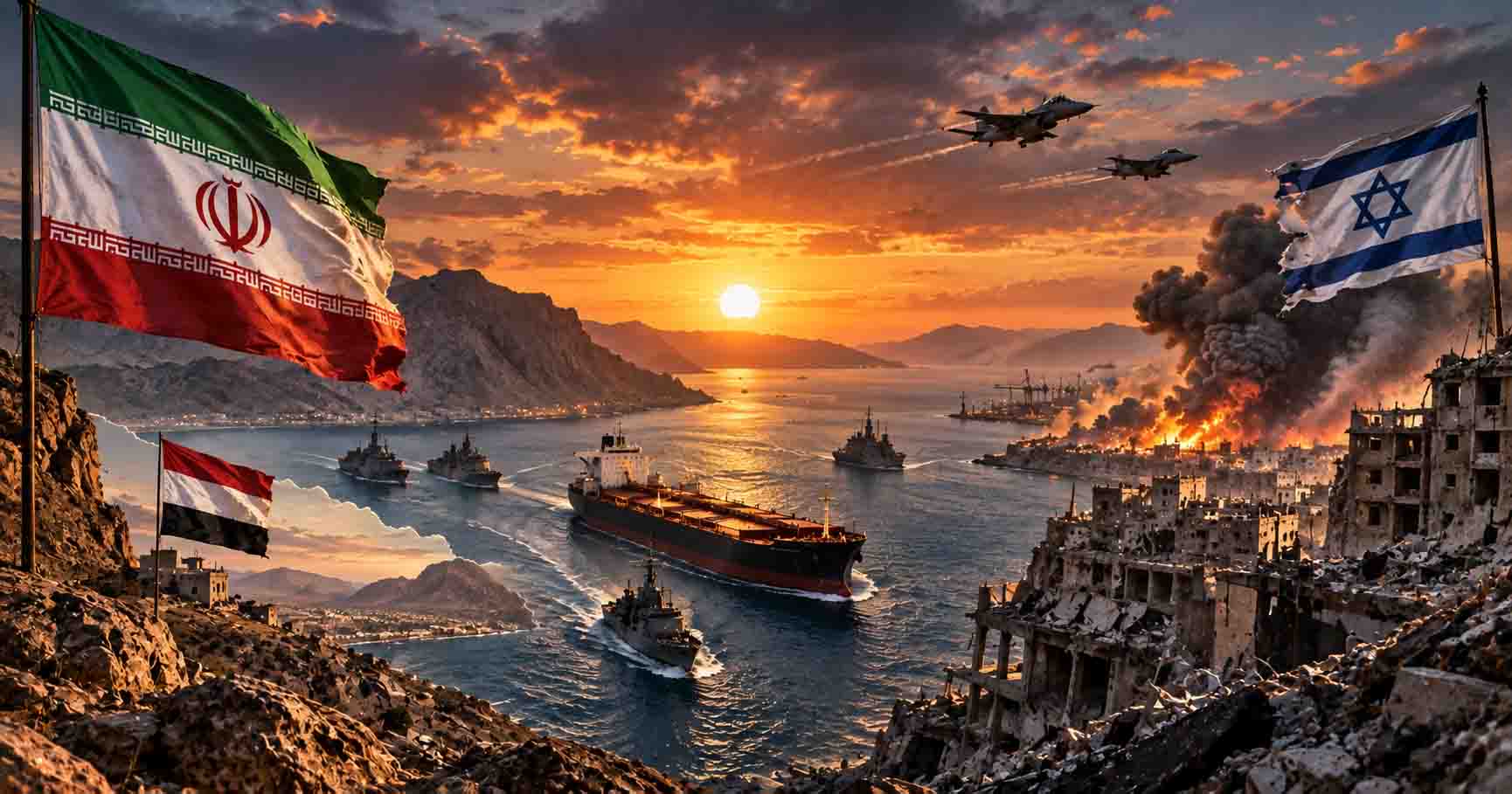
Iran launched missiles at two U.S. air bases in Jordan in what it said was retaliation for a U.S. strike targeting two launch platforms on Iran’s Larak Island. Washington, meanwhile, said its forces acted after detecting preparations by Iran’s Islamic Revolutionary Guard Corps (IRGC) to deploy missiles and naval mines in the Strait of Hormuz.
The developments coincided with U.S. President Donald Trump’s warning that additional strikes would follow if American interests came under further attack, while Iranian President Masoud Pezeshkian said continued war serves no one’s interests and reaffirmed Tehran’s preference for a political solution despite the escalation.
Iran and the United States: Why Has Military Escalation Returned?
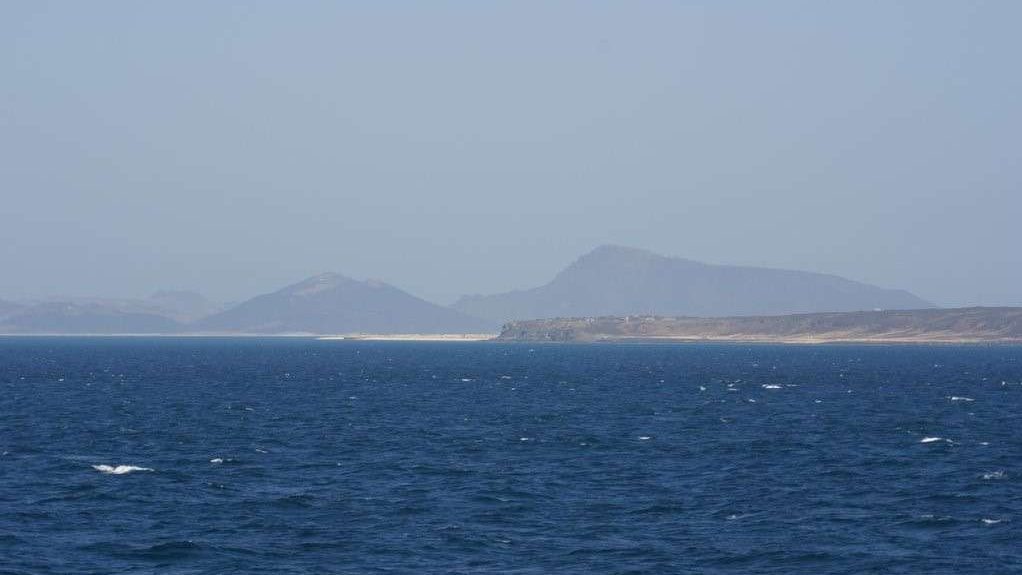
The latest confrontation began after a U.S. strike targeted launch platforms on Larak Island, a strategically located island near the entrance to the Strait of Hormuz.
A U.S. official said American forces detected members of Iran’s Revolutionary Guard preparing to launch missiles and naval mines toward the waterway, prompting U.S. Central Command to carry out what it described as a “limited and precise” operation to eliminate an imminent threat to international shipping.
Iran responded by launching missiles at two U.S. air bases in Jordan in the first direct military confrontation between the two countries in weeks. An Iranian source quoted by Reuters described the exchange as a “limited and contained confrontation,” while warning that any further attack would trigger a stronger response.
The renewed fighting marks a shift from economic sanctions and commercial pressure back to direct military action, raising fresh concerns about regional stability.
What Did Trump Say After the Iranian Attack?
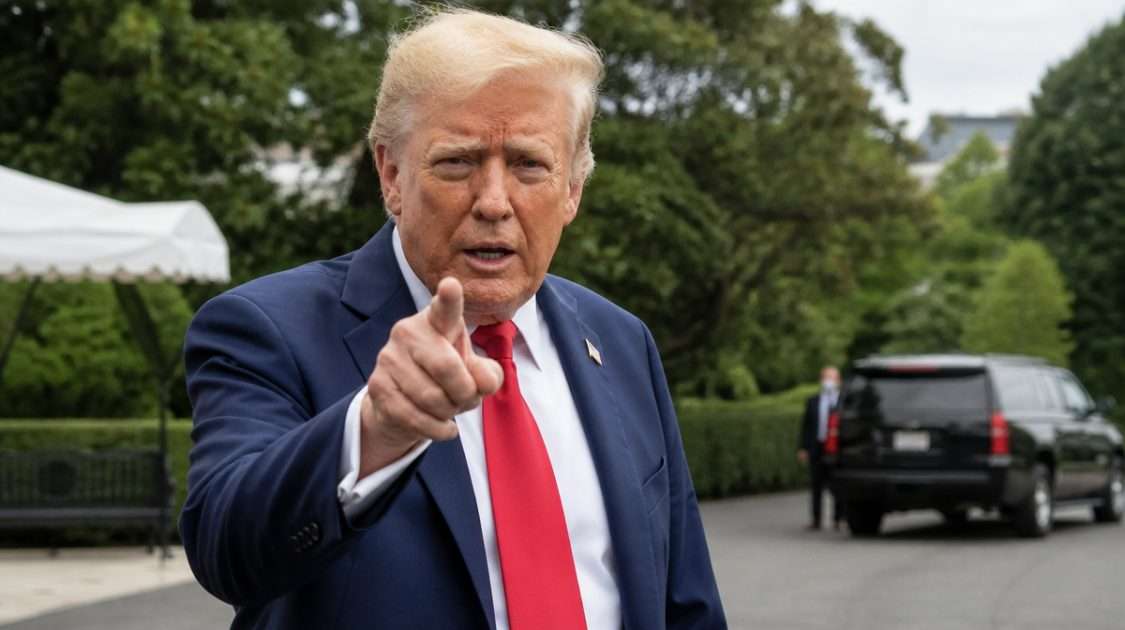
President Donald Trump said the United States would respond to Iran’s missile attack. According to remarks carried by U.S. media outlets, he said, “There will be a response,” adding that Washington would “hit them hard” if circumstances required.
Speaking separately from the Oval Office, Trump said the latest escalation does not necessarily signal a return to full-scale war but stressed that all options remain available should U.S. forces or American interests come under further attack.
Asked whether he ruled out the use of nuclear weapons, Trump said he saw “no reason” for doing so, arguing that Iran had already suffered a major military defeat.
Despite the strong rhetoric, the United States has not announced additional military strikes since the operation against Larak Island, making the latest statements part of Washington’s deterrence strategy rather than an announcement of immediate military action.
Why Has Larak Island Become the Center of the Crisis?
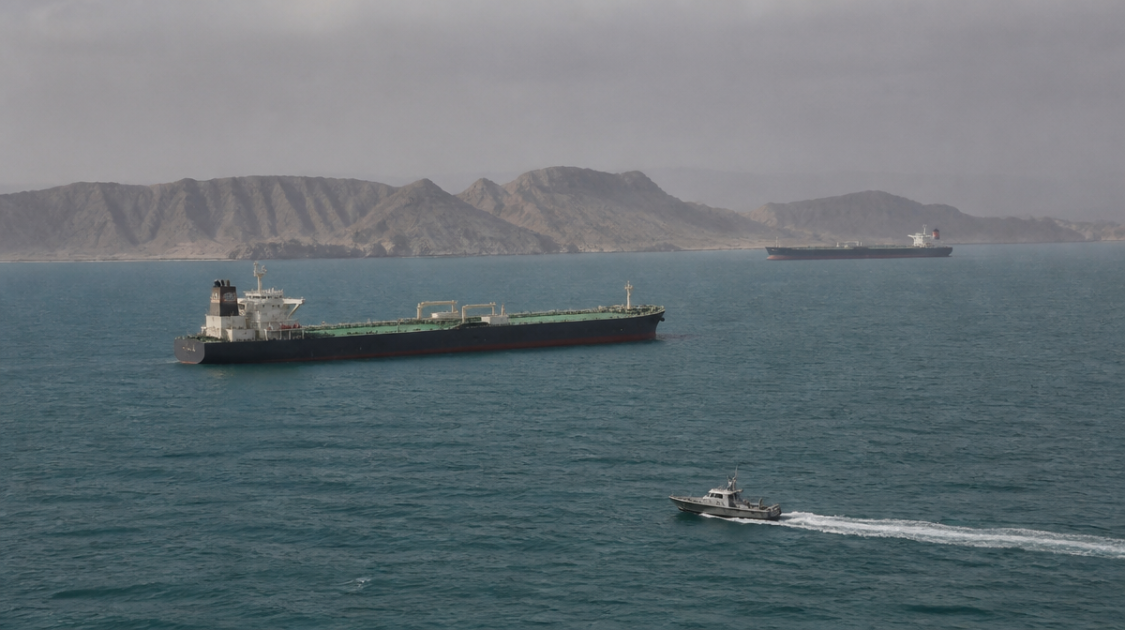
Larak Island has gained strategic significance because of its location at the eastern entrance to the Strait of Hormuz, one of the world’s most important maritime routes for global oil and natural gas shipments.
Washington says the island was being used as a staging point for missile launches and naval mine deployment. Iranian media reported that three people were killed in the U.S. strike, including two members of the Revolutionary Guard Navy, according to Nour News.
Over recent days, the island has become a symbol of the latest escalation after serving as the starting point for developments that later expanded to Jordan and the Gulf region, as also outlined in From Larak to the UAE: Iran and America.
Why Does the Strait of Hormuz Remain the Most Dangerous Flashpoint?
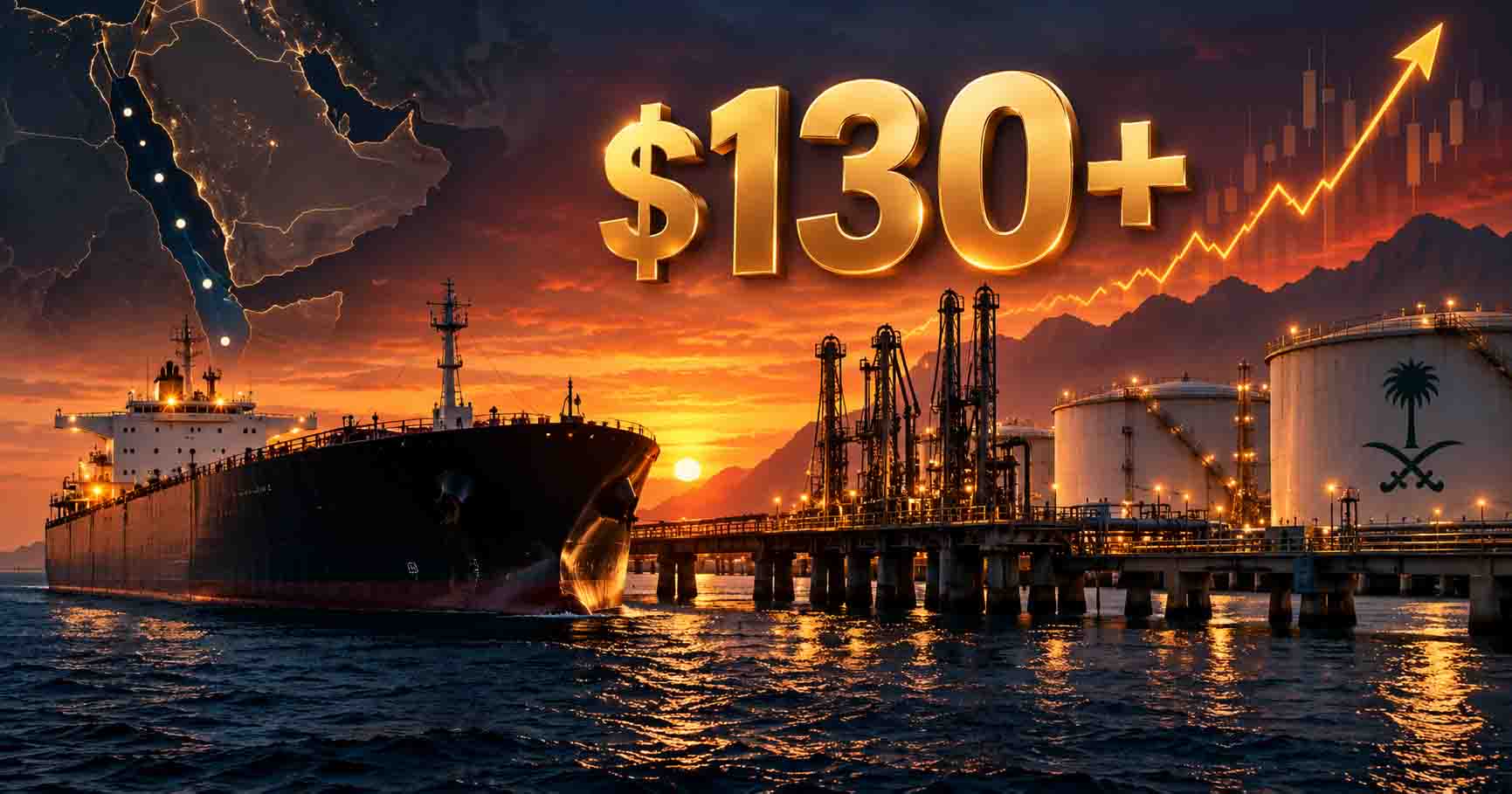
The impact of the escalation extends well beyond military and political considerations. The Strait of Hormuz is one of the world’s most critical energy corridors, and any disruption to maritime traffic affects oil prices, global trade, shipping costs, and marine insurance.
Recent maritime data indicate that commercial vessel traffic through the strait remains below normal levels amid persistent security concerns and higher insurance premiums.
Data from the U.S. Energy Information Administration (EIA) also indicate that oil flows through the strait have dropped sharply since the crisis began, underscoring the direct impact of military tensions on global energy markets.
Did the United States Strike Kharg Island?
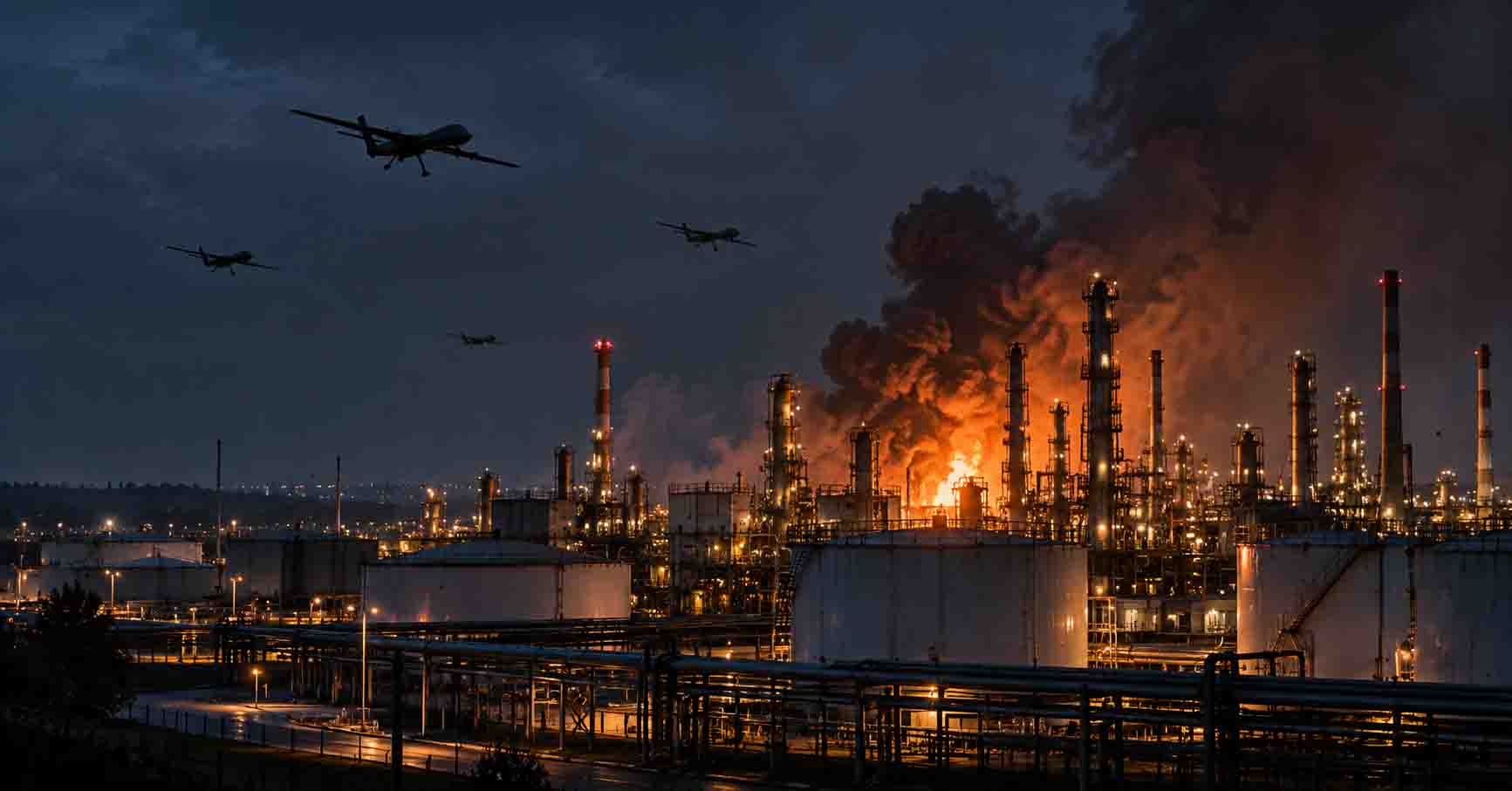
Amid the military escalation, President Trump posted two artificial intelligence-generated videos on social media depicting massive explosions on Iran’s Kharg Island, the country’s main oil export terminal, accompanied by a message claiming the island had been “leveled.”
However, the United States has not announced any strike on Kharg Island, and Iranian authorities have not reported such an attack. Media reports said the videos were AI-generated, while Vice President J.D. Vance said Trump was sending a “deterrent message” to Tehran through the posts.
The use of AI-generated content highlights the growing role of information and digital messaging alongside military operations and economic sanctions.
Iran and the United States: From Military Confrontation to Economic Pressure
Despite the exchange of attacks, economic sanctions remain Washington’s primary tool against Tehran. In recent weeks, the United States has expanded secondary sanctions targeting financial institutions, banks, and companies involved in Iran’s oil trade.
U.S. Treasury Secretary Scott Bessent said Iran’s economy is under unprecedented pressure and that the administration intends to announce additional sanctions packages on a regular basis, initially focusing on the banking sector.
Iran, meanwhile, says the measures represent an extension of economic warfare and insists that its response will not be limited to military tools if U.S. pressure continues.
The confrontation has therefore evolved into two parallel tracks: limited military operations aimed at deterrence and an expanding economic campaign targeting revenue, trade, and energy exports.
What Does the Escalation Mean for the Strait of Hormuz?
The Strait of Hormuz remains the most sensitive element of the crisis because it serves as a vital artery for global energy trade. Any escalation near the waterway has immediate implications for oil markets, freight rates, and marine insurance costs.
Recent shipping data continue to show reduced commercial traffic as some maritime operators remain reluctant to transit the strait because of ongoing security risks.
Economic reports also suggest that the continued maritime restrictions and constraints on Iranian exports have significantly reduced oil flows compared with previous periods, increasing pressure on Tehran while heightening uncertainty across global energy markets.
Is Diplomacy Still an Option?
Despite the exchange of attacks, official statements from both sides continue to leave the door open for diplomacy.
Iranian President Masoud Pezeshkian said that continued war “is not in the interest of Iran, the region, or humanity,” reaffirming Tehran’s preference for a negotiated settlement if appropriate conditions exist.
In its latest position, Tehran also indicated its willingness to return to commitments linked to the temporary framework agreed upon in June if the United States honors its obligations, reflecting continued political contacts despite the military escalation.
Washington, by contrast, has not announced a new diplomatic initiative and continues to emphasize that economic and military pressure will remain in place until Iran responds to U.S. demands.
Is the Crisis Moving Toward a Wider War?
For now, there is no indication that either side is seeking a full-scale war. The United States has described its operations as limited and precise, while Iran has characterized the latest confrontation as “limited and contained.”
However, the continued exchange of attacks increases the risk of military miscalculation, particularly if future strikes target energy infrastructure or U.S. forces stationed in the region.
Any additional escalation near the Strait of Hormuz could broaden the crisis to affect global trade and energy markets, making developments in the coming days a focus of close attention for governments, financial markets, and international shipping companies.
What We Know So Far
- The United States carried out a strike targeting launch platforms on Larak Island.
- Washington said the operation was intended to eliminate an imminent threat to navigation in the Strait of Hormuz.
- Iran launched missiles at two U.S. air bases in Jordan in response.
- President Donald Trump warned of additional strikes if Iranian attacks continue.
- Iran said any new attack would be met with a stronger response.
- The United States has not announced further military strikes since Trump’s warning.
- Trump posted AI-generated videos depicting the destruction of Kharg Island, although no actual strike occurred.
- Economic sanctions and pressure on Iran’s oil sector remain central to Washington’s strategy.
- Iranian President Masoud Pezeshkian reiterated Tehran’s preference for a negotiated solution despite the escalation.
What Comes Next?
The next phase will depend on the nature of the response referenced by President Trump and whether Washington limits itself to military and economic deterrence or proceeds with additional operations inside Iran.
Iran’s next move will also shape the regional trajectory of the crisis, particularly if future operations extend to the Strait of Hormuz or U.S. forces across the Middle East.
While military options remain on the table, Tehran’s continued support for a political solution suggests that diplomacy has not been entirely ruled out, even if the window for negotiations is becoming increasingly narrow with each new round of confrontation.
Conclusion
Iran and the United States have returned to direct confrontation after weeks during which economic sanctions and commercial pressure dominated the conflict. Although the latest military exchanges do not yet amount to a full-scale war, they underscore the fragile balance between military deterrence and economic coercion.
With tensions continuing around the Strait of Hormuz, Trump’s warnings of further strikes, and Iran maintaining both its right to respond and its stated preference for diplomacy, the region enters a highly sensitive period that could shape regional security and global energy markets in the weeks ahead.
Frequently Asked Questions
Why did the United States strike Larak Island?
According to U.S. Central Command, the operation targeted launch platforms after detecting Revolutionary Guard forces preparing to deploy missiles and naval mines in the Strait of Hormuz. Washington described the strike as a limited and precise operation intended to eliminate an imminent maritime threat.
How did Iran respond to the U.S. strike?
Iran said it launched missiles at two U.S. air bases in Jordan in retaliation for the strike on Larak Island. The United States said its air defenses intercepted the missiles that could have caused damage.
Has the risk of a full-scale war increased?
There is currently no official indication that either side is seeking a broader war. U.S. and Iranian officials have both described the latest confrontation as limited. However, continued exchanges of attacks and military threats increase the risk of further escalation, particularly if future operations involve the Strait of Hormuz or major energy infrastructure.
Why is the Strait of Hormuz so important?
The Strait of Hormuz is one of the world’s most important maritime routes for oil and natural gas exports. Any security disruption there can directly affect global energy markets, shipping costs, insurance premiums, and international trade.
Sources
- Reuters – Iran, U.S. exchange attacks as Trump warns of more strikes
- U.S. Central Command (CENTCOM) –
- U.S. Department of the Treasury
- U.S. Energy Information Administration (EIA)