US House Votes for Third Time to Curb Iran War as 7 Republicans Join Democrats

The Iran war has returned to the center of a congressional fight over President Donald Trump’s military authority, with the U.S. House voting for a third time to demand an end to hostilities being conducted without new authorization from lawmakers.
The House approved the war powers resolution late Tuesday by a 220-204 vote. Seven Republicans joined all voting Democrats, expanding the level of Republican support from the four GOP lawmakers who backed similar measures in June and July.
Iran War Vote Draws Support From 7 Republicans
The measure, led by Democratic Rep. Seth Moulton of Massachusetts, directs the administration to remove U.S. forces from hostilities against Iran, except for personnel considered necessary to defend the United States or its allies from an imminent attack.
Republican Reps. Zach Nunn and Mariannette Miller-Meeks of Iowa and Nancy Mace of South Carolina joined Thomas Massie, Tom Barrett, Warren Davidson and Brian Fitzpatrick in supporting the resolution.
The House vote does not immediately end U.S. military operations. The measure would still have to advance through the legislative process, and previous congressional attempts to restrict the conflict have not reached the president’s desk. Trump has opposed congressional efforts to constrain his military campaign against Iran.
Profile News has previously covered Trump and Iran’s positions on possible negotiations and an agreement as military operations that began on February 28 continue.
Iran War Cost Tops $38 Billion
The vote came as the nonpartisan Congressional Budget Office released new estimates showing that the conflict had cost the U.S. Department of Defense more than $38 billion through August 1.
The CBO estimated that continued fighting could cost between $2 billion and $3 billion a month, depending on the intensity of military operations. Much of the spending reflects the replacement of munitions and equipment used or lost during the conflict.
The budget office also said disruptions to oil and natural gas shipments through the Strait of Hormuz and to shipping in the Red Sea could leave U.S. inflation about half a percentage point higher than previously projected through the first quarter of 2027.
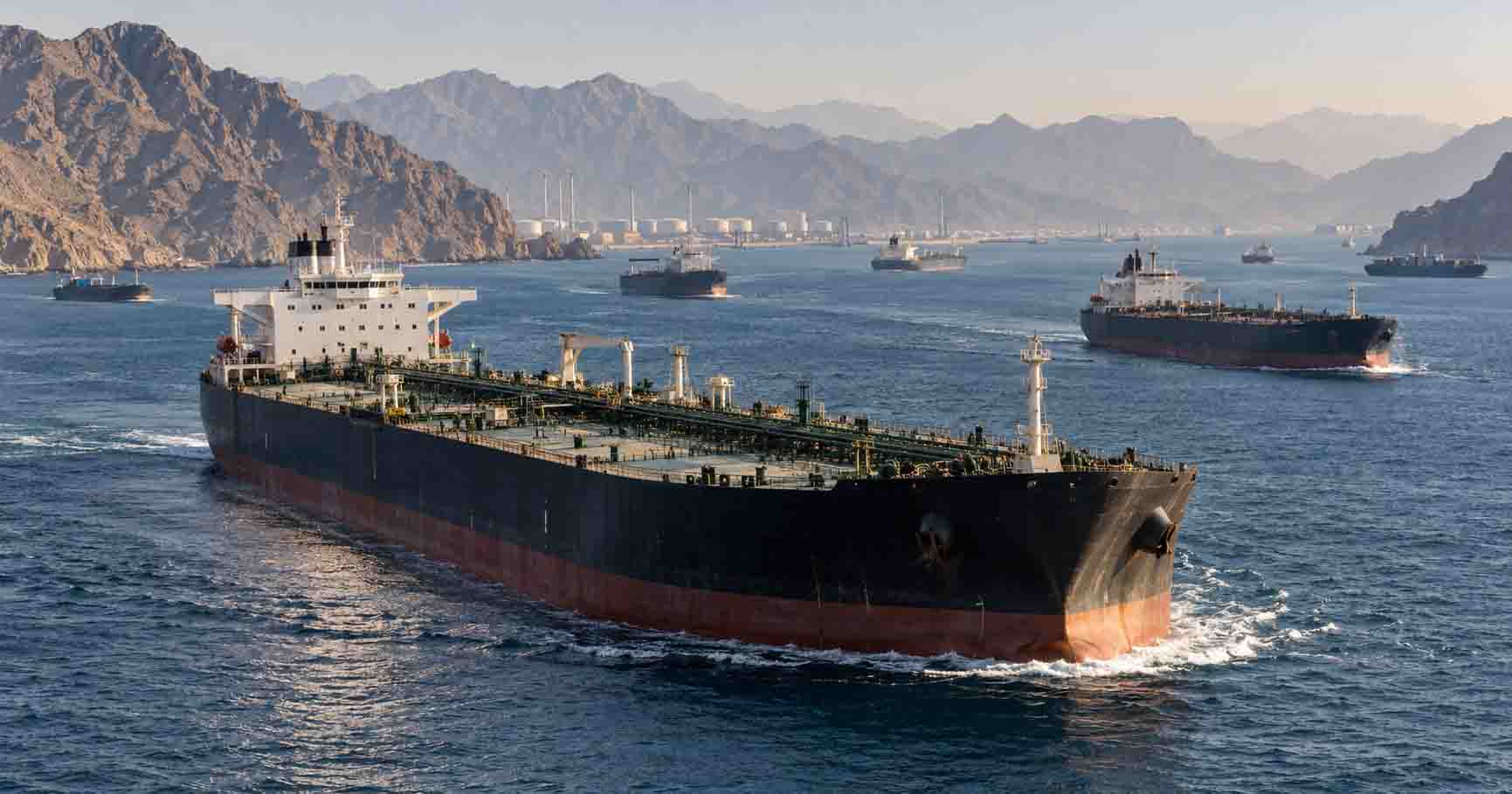
The estimates come amid severe disruption to regional shipping. Profile News recently reported that commercial traffic through the Strait of Hormuz fell to just four vessels on one day this week, compared with about 125 large commercial ships a day before the war.
Pressure Extends to Defense Secretary Pete Hegseth
In a separate development linked to the conflict, Republican Rep. Thomas Massie filed articles of impeachment against Defense Secretary Pete Hegseth, accusing him of carrying out orders for hostilities against Iran without congressional authorization.
The Pentagon said the department remained united behind Hegseth. The impeachment effort currently faces a difficult path in the House, but Massie filed the measure as privileged legislation, requiring lawmakers to address it within two legislative days.
The congressional moves come less than two months before the November midterm elections, with the Iran war, its financial cost and higher energy prices increasingly part of the U.S. political debate. House members are preparing to return to their districts to campaign, making Tuesday’s vote one of the chamber’s final opportunities to address the conflict before the election.
Report Sources: Profile News, Associated Press, Congressional Budget Office, U.S. House of Representatives, Reuters.