In one day.. UAE faces threats and announces major defense deal

Iranian attacks on UAE and C-390 deal: One day between military response and defense contracting
The UAE witnessed on Monday rapid developments on multiple levels, as air defenses dealt with a missile threat, and British maritime agencies reported a tanker hit by unknown projectiles in the Strait of Hormuz, at a time when Abu Dhabi signed the largest international deal for Brazilian military transport aircraft, amid regional tensions linked to the US-Israeli war on Iran.
Tanker hit by unknown projectiles north of Fujairah
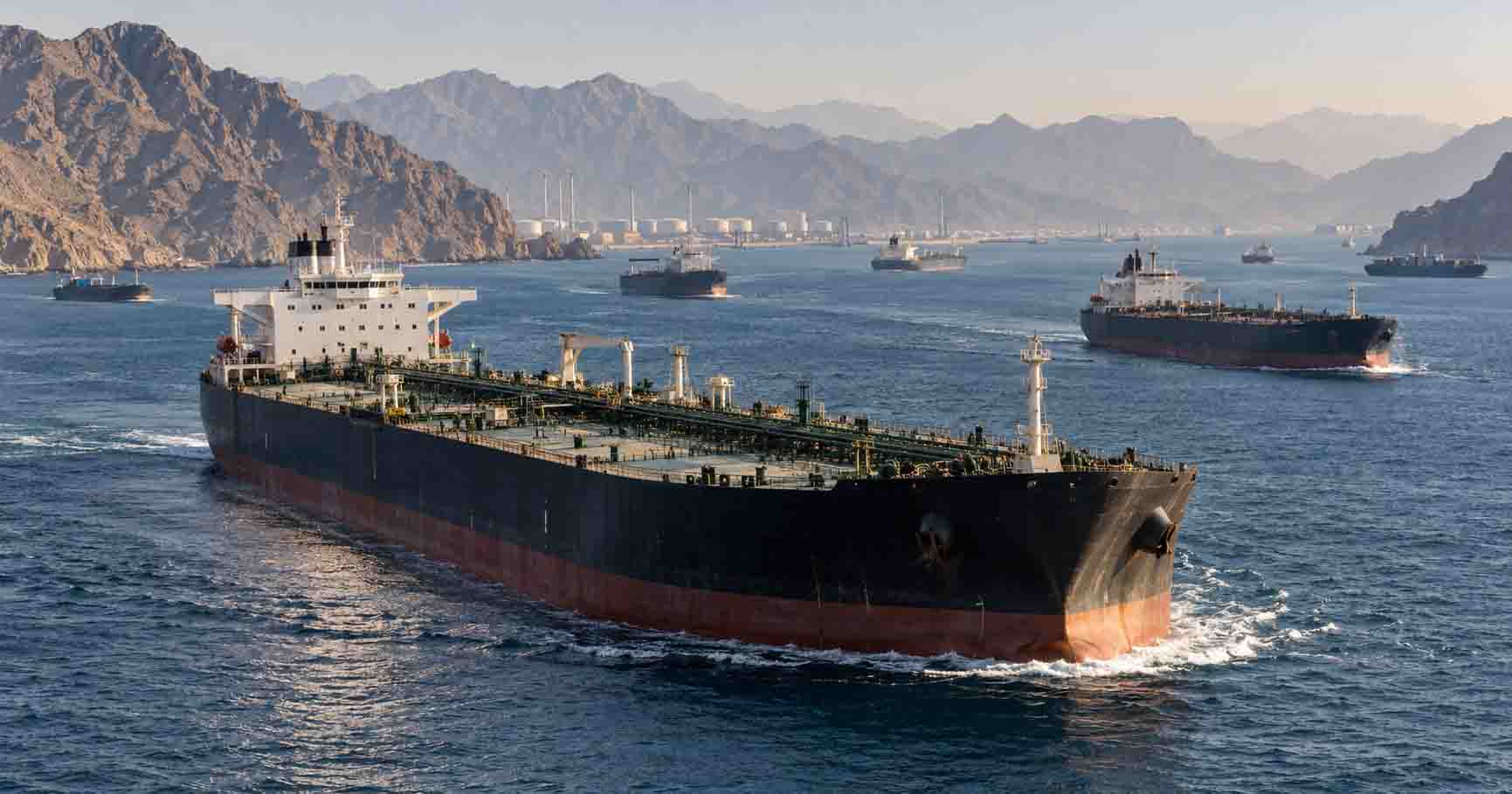
The UK Maritime Trade Operations agency reported that a tanker was hit by unknown projectiles while transiting about 78 nautical miles north of Fujairah city.
The UAE Ministry of Foreign Affairs confirmed that the targeting involved a national tanker belonging to ADNOC using two drones, noting that no injuries were recorded.
UAE: Targeting commercial navigation is “piracy” and IRGC responsible
The UAE Ministry of Foreign Affairs affirmed that the targeting of the tanker constitutes a flagrant violation of UN Security Council Resolution 2817, issued to guarantee freedom of navigation and the protection of international maritime routes, and rejects the targeting or disruption of commercial vessels.
The ministry stressed that targeting commercial navigation and using the Strait of Hormuz as a tool for pressure or economic blackmail constitutes an act of piracy directly attributable to the Iranian Revolutionary Guard Corps, and poses a direct threat to global energy security and the stability of the region’s countries and peoples.

UAE demands halt to military operations and full reopening of Strait of Hormuz
Abu Dhabi also called on Iran to immediately halt these operations, fully commit to stopping all hostile acts, and fully and unconditionally reopen the Strait of Hormuz, to ensure the safety and security of vital waterways and support global economic and trade stability.
Arab condemnation and calls for accountability
The Arab Parliament expressed its strong denunciation and condemnation of what it described as “the blatant Iranian aggression” that targeted the Emirati tanker with two drones in the Strait of Hormuz.
Arab Parliament Speaker Mohammed bin Ahmed Al-Yamahi affirmed that this aggression constitutes a “flagrant challenge” to international laws, covenants, and resolutions that guarantee freedom of navigation in waterways.
He called on the international community to assume its responsibilities and take a “firm and deterrent” stance towards these “flagrant violations,” to ensure the safety of international navigation and the protection of international waterways, and to hold the perpetrators of these attacks accountable, as they threaten regional and international security, stability, and global energy security.
Al-Yamahi confirmed the Arab Parliament’s full solidarity with the UAE in all measures it takes to preserve its security, sovereignty, and stability.
The Arab Parliament’s statement comes in the context of severe regional tensions linked to the US-Israeli war on Iran, which have led to major disruptions in maritime navigation in the Strait of Hormuz. Several Gulf and Arab countries issued successive condemnations of the attack, including the Gulf Cooperation Council, with the Arab Parliament’s statement representing a unified Arab position expressing full solidarity with the UAE.

Sirens sound.. Two commercial vessels transit the Strait of Hormuz
Sirens sounded in the UAE for the first time since the ceasefire during the war with Iran. This warning was issued shortly after the US military announced the transit of two commercial vessels through the Strait of Hormuz.
The UAE Ministry of Interior sent an urgent alert via mobile phones, warning of a possible missile threat and asking residents to take shelter in safe buildings away from windows, doors, and open areas.
Air defenses deal with missile threat
The UAE National Emergency Crisis and Disasters Management Authority announced that air defenses had dealt with a missile threat, urging everyone to remain in safe places and follow warnings and updates on official websites. About ten minutes after the warning was issued, the ministry announced that the missile threat had ended, confirming that the situation was safe.
الآن تتعامل الدفاعات الجوية مع تهديـد صاروخي، يرجى البقاء في مكان آمن ومتابعة التحذيرات والمستجدات على المواقــع الرسميـة. pic.twitter.com/bwTqNlLygp
— NCEMA UAE (@NCEMAUAE) May 4, 2026
Fire at Fujairah oil facilities caused by drone attack
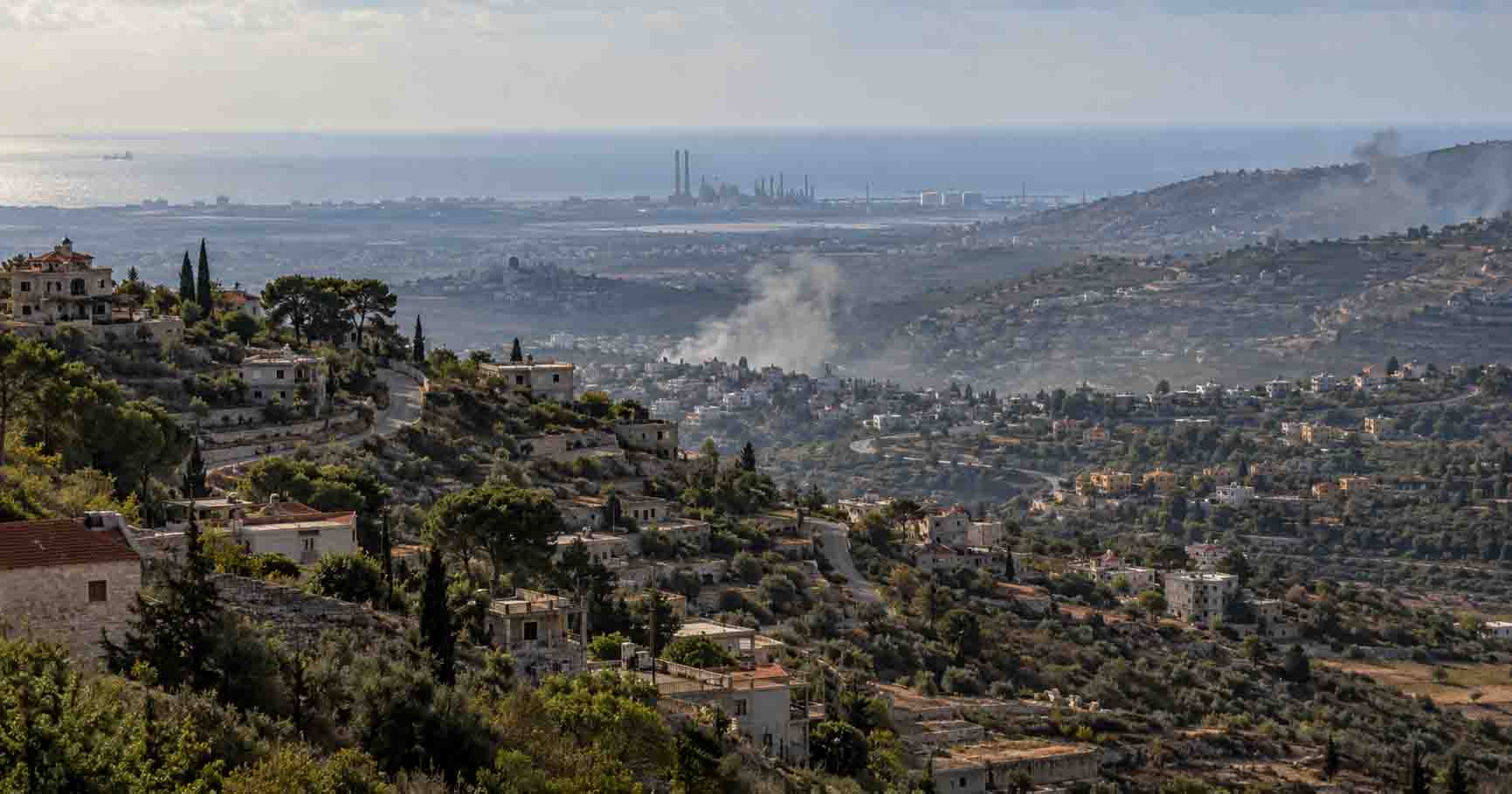
The Fujairah Government Media Office reported that a fire broke out in the Fujairah Oil Industry Zone (FOIZ), caused by a drone originating from Iran.
The office stated that civil defense teams in Fujairah immediately began dealing with the incident and are continuing efforts to bring it under control.
Signing of largest deal for Brazilian C-390 aircraft
In a separate context, Sheikh Mansour bin Zayed Al Nahyan, Vice President of the UAE, announced that his country had signed the largest international contract for C-390 Millennium aircraft, manufactured in Brazil, purchasing 10 aircraft with additional options.
The Vice President stated that this deal represents the first entry of this aircraft into the Middle East, enhances the readiness of the air force with advanced, multi-mission operational capabilities, and reflects global confidence in the efficiency of the UAE’s defense system.
شهدنا توقيع أكبر تعاقد دولي لطائرات C-390 ميلينيوم، مع شراء 10 طائرات وخيارات إضافية، في خطوة تعزز جاهزية قواتنا الجوية بقدرات تشغيلية متقدمة ومتعددة المهام. كما تمثل أول دخول للطائرة إلى الشرق الأوسط، بما يعكس ثقة عالمية بكفاءة منظومتنا الدفاعية، ويدعم توطين الصناعات العسكرية… pic.twitter.com/cMZ4PtiPr5
— منصور بن زايد (@HHmansour) May 4, 2026
The contract was signed in the presence of Sheikh Mansour bin Zayed between Brazilian company Embraer and relevant authorities in the UAE, and is expected to include logistical support, training, and local maintenance through partnerships with Emirati companies such as AMMROC and GAL.
The C-390 Millennium is a medium-range, next-generation military transport aircraft produced by Brazilian company Embraer, also known as the KC-390 when equipped with aerial refueling capabilities. The aircraft features relatively low operating costs compared to its competitors such as the C-130J and A400M, with high operational availability.

This aircraft is currently used in Brazil (the main operator), Portugal, Hungary, South Korea, the Netherlands, Austria, and Sweden, in addition to other countries in the process of contracting. The UAE had previously signed agreements with Embraer to establish a regional center for maintenance and final assembly of the aircraft in Abu Dhabi, making it a regional hub for the aircraft in the Middle East and North Africa.
This deal comes as part of the UAE’s strategy to develop its defensive capabilities and enhance industrial localization in the military aviation sector.
Also read:
One week, a third oil alliance exit: Abu Dhabi dismantles its alliances in days