Lebanon-Israel Talks: Aoun Sees Security Deal as Possible Step Toward Peace
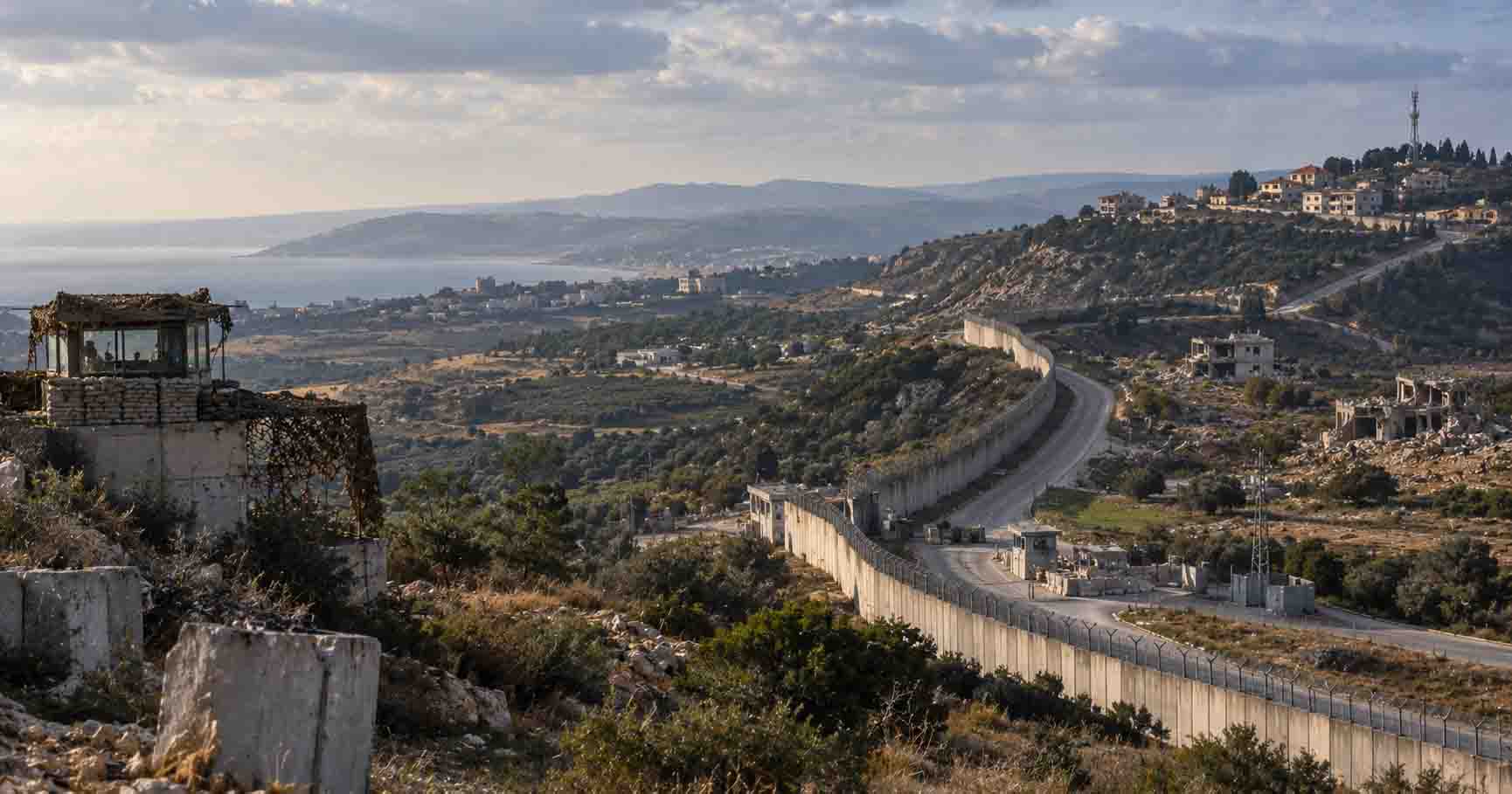
Lebanon-Israel talks are moving into a new political phase after Lebanese President Joseph Aoun said Beirut wants a security agreement with Israel once Israeli forces withdraw from southern Lebanon, with any broader peace agreement potentially coming later.
In an interview with Agence France-Presse, Aoun said the immediate objective was to end hostilities and allow the Lebanese army to deploy along the border. He stressed that Lebanon was not proposing an immediate peace treaty, describing a security arrangement as a possible first stage in a gradual process.
Lebanon-Israel Talks Focus First on Security
Aoun said negotiations were Lebanon’s alternative to another war, which he said would carry a heavy cost for the country.
His comments come amid a series of U.S.-mediated contacts between Beirut and Israel. Profile News has previously covered the Lebanon-Israel negotiation track and preparations for further talks in Rome.
Lebanese Ambassador to Washington Nada Hamadeh also met Israeli Ambassador Yechiel Leiter at the U.S. State Department this week in the presence of a U.S. official. A further political round of negotiations is expected in Rome in October.
Aoun Says State Weapons Monopoly Must Avoid Internal Conflict
Alongside the diplomatic track, Aoun said the Lebanese state remained committed to establishing exclusive state control over weapons, while making clear that he did not want the process to trigger an internal confrontation.
He said the objective was to extend state authority across Lebanese territory and place responsibility for arms under legitimate state institutions without creating a violent domestic conflict.
The weapons issue has also dominated Lebanon’s parliamentary debate over the government’s policies. Prime Minister Nawaf Salam has said decisions on war and peace must remain exclusively with the state and that the government’s commitment to state control over weapons predates the current negotiations.
Salam Says Trilateral Framework Is Not a Treaty
Speaking at the close of a parliamentary session on Wednesday, Salam said the U.S.-backed trilateral framework guiding negotiations was a political negotiating framework rather than a legally binding treaty.
He said the process calls for an Israeli withdrawal in stages alongside the extension of Lebanese state sovereignty across the country’s territory. Salam also said negotiations were being conducted by the Lebanese state through its constitutional institutions.
The diplomatic push continues as Israeli strikes persist in southern Lebanon. Profile News previously reported on Aoun’s visit to Nabatieh and the state’s position on security in southern Lebanon.
What Comes After UNIFIL?
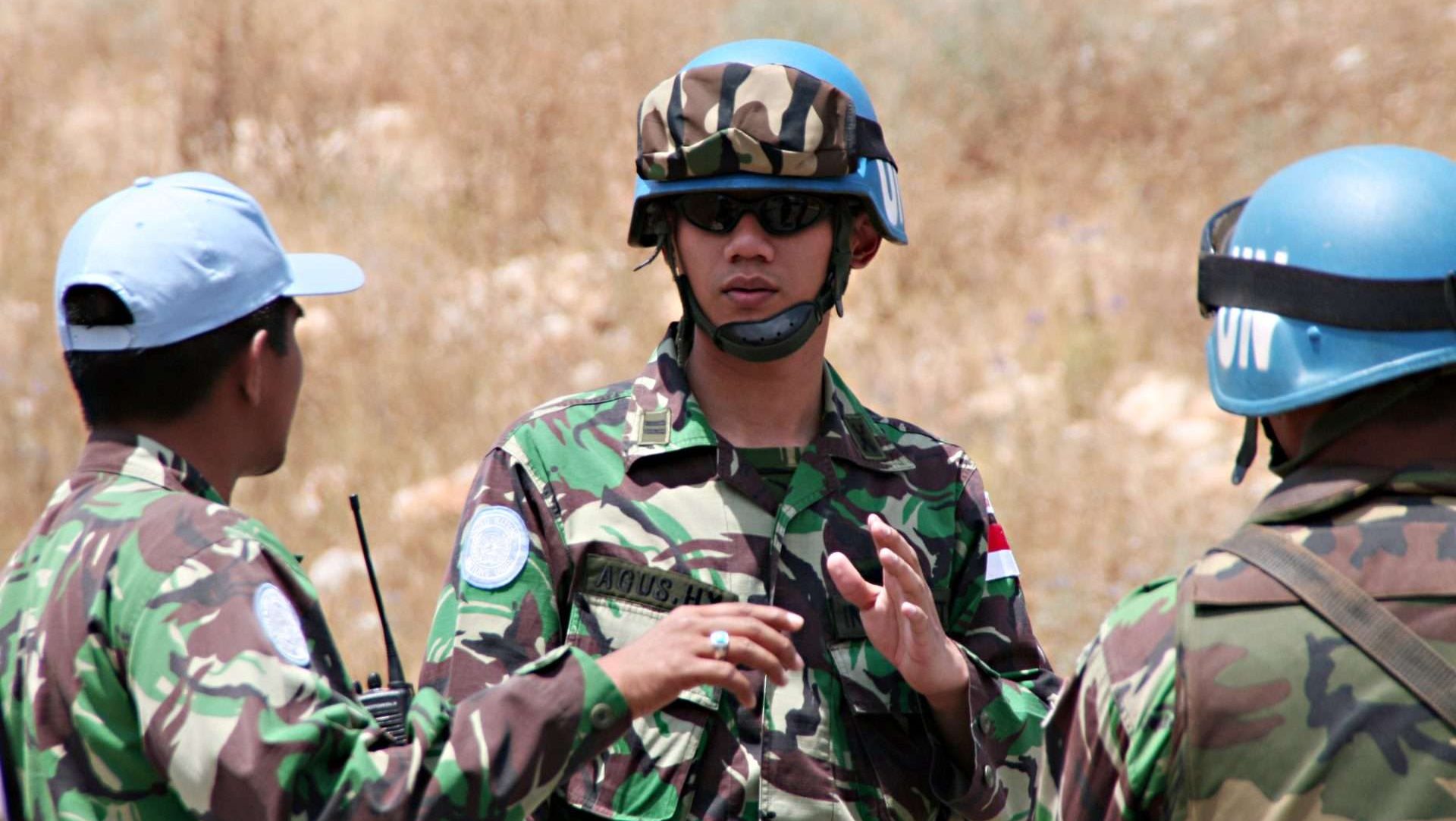
The negotiations are also intersecting with growing concern over what will replace the United Nations Interim Force in Lebanon when its mandate ends at the end of 2026.

Aoun said Lebanon wanted another international force, European or otherwise, to help prevent a security vacuum while the Lebanese army expands its deployment. He called on the United States, European Union and Arab states to increase their support for the military.
UNIFIL currently has more than 7,500 peacekeepers deployed across dozens of positions in southern Lebanon. Its expected departure has raised concerns over humanitarian access and security in areas where Israeli forces remain present and many Lebanese residents remain displaced.
The Lebanese government’s current approach therefore involves several parallel tracks: an Israeli withdrawal, a wider Lebanese army deployment, exclusive state control over weapons and negotiations over future security arrangements. Aoun’s comments place any formal peace agreement beyond those immediate steps rather than presenting it as an imminent outcome.
Report Sources: Profile News, Agence France-Presse, An-Nahar, Naharnet, Reuters.