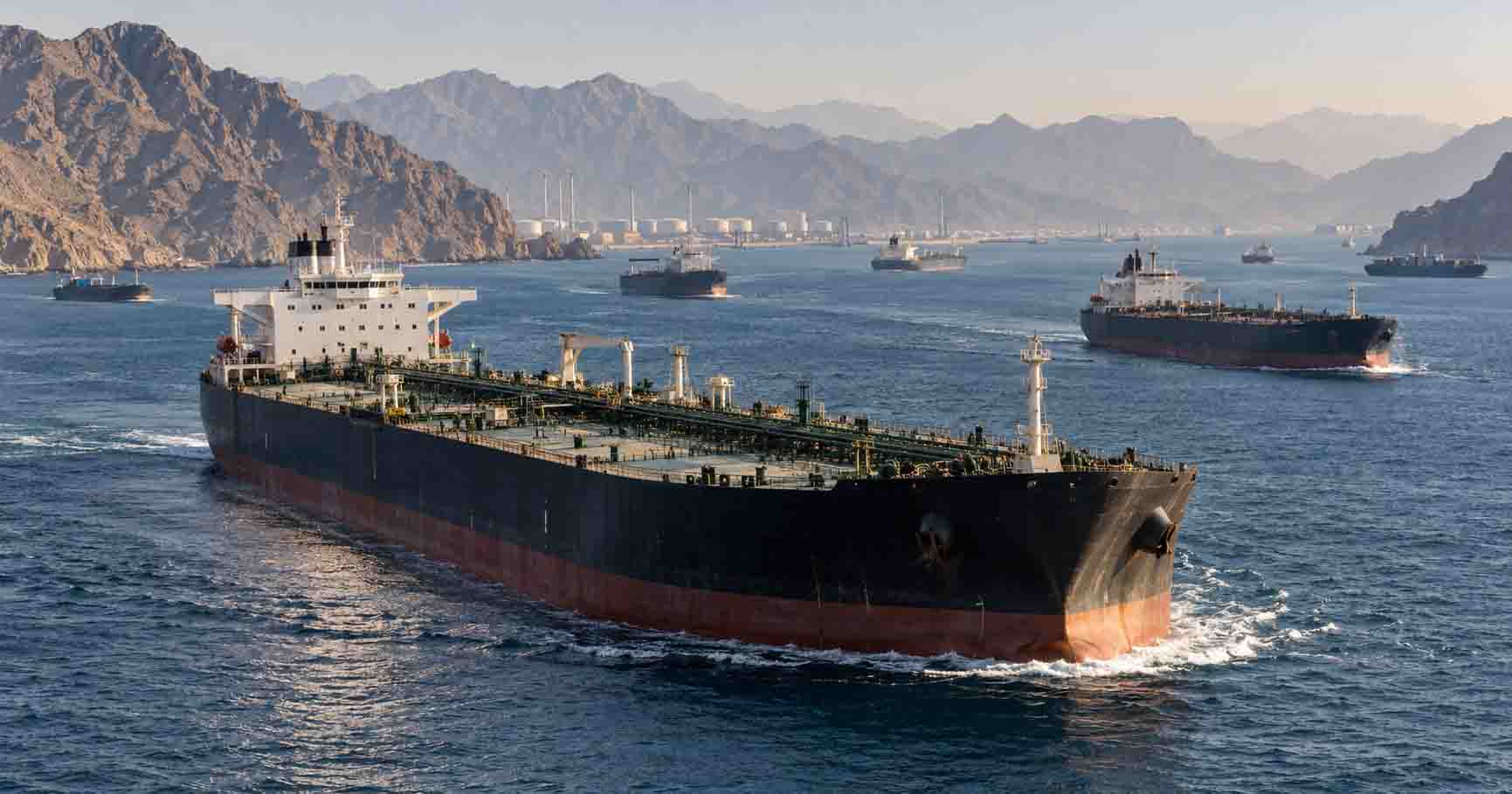
Trump Administration Eyes New Iran Deal Covering Strait of Hormuz and Nuclear Program
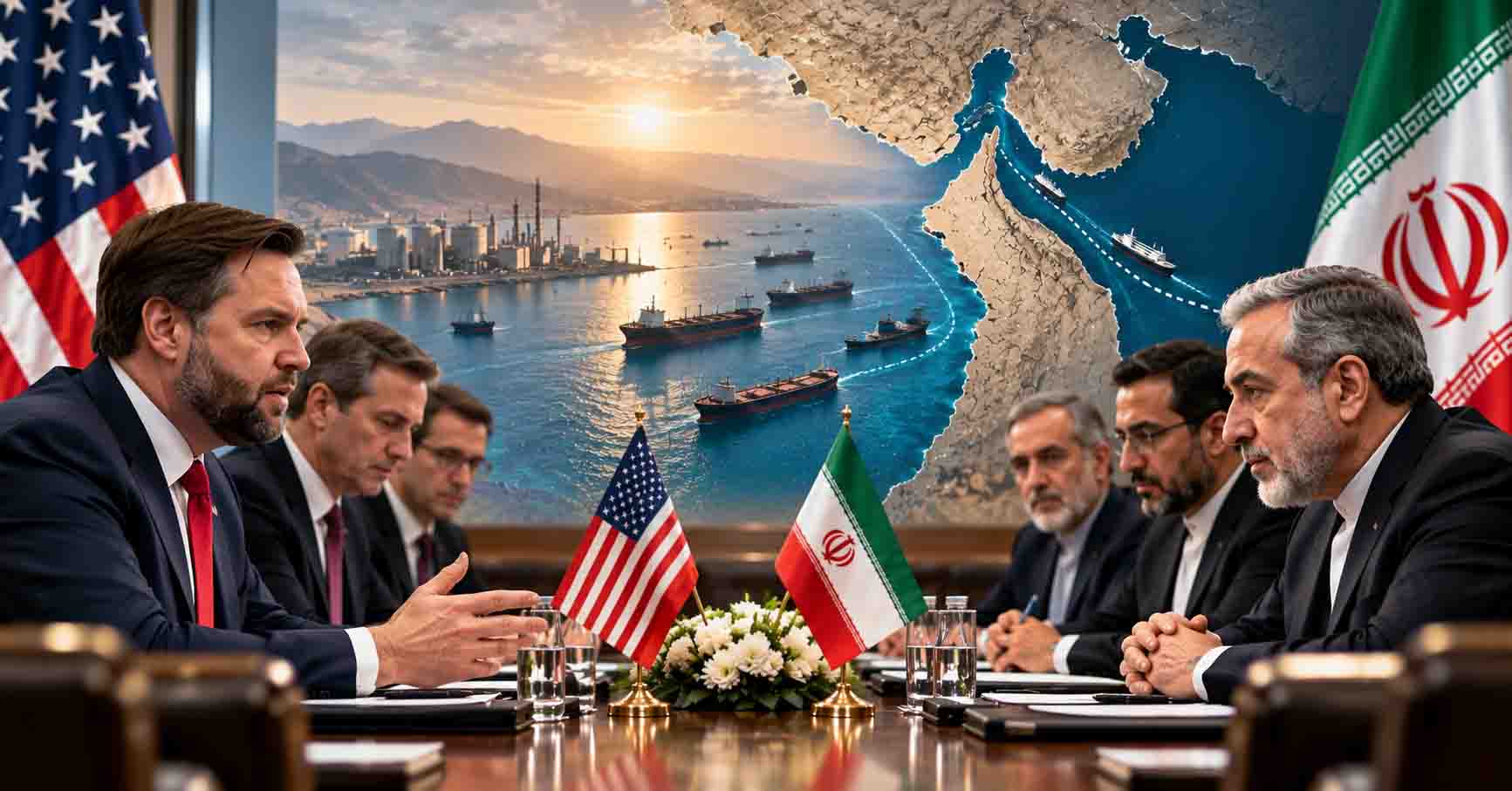
New Iran Deal efforts are taking shape as the Financial Times, citing diplomatic sources, reported that U.S. President Donald Trump’s administration is working on a broader agreement with Iran covering the Strait of Hormuz and Iran’s nuclear program, while diplomatic mediation continues alongside ongoing military and economic pressure.
According to the report, regional and international mediators are working to establish a framework for possible negotiations between Washington and Tehran. The U.S. administration has reportedly informed mediators that keeping the Strait of Hormuz open to international shipping is a strategic priority that extends beyond any bilateral agreement with Iran and is directly linked to global trade and energy security.
The reported diplomatic efforts come days after tensions escalated in the Gulf and as U.S. sanctions on Iran remain in place. Washington has also maintained that it will not resume talks unless Tehran stops targeting commercial vessels in the Strait of Hormuz, according to recent remarks by U.S. Vice President JD Vance.
These developments follow issues previously covered by Profile News in Trump Says U.S. Controls the Strait of Hormuz as Report Reveals Extended American Military Deployment, as well as U.S. Sanctions Tighten Pressure on Iran’s Economy and Oil Exports.
Breaking News: Follow the latest updates on our Breaking News page.
New Iran Deal: Washington Seeks Broader Agreement with Iran
Financial Times reported that the Trump administration is no longer focused solely on a limited understanding regarding maritime security in the Strait of Hormuz. Instead, according to diplomatic sources familiar with the discussions, it is seeking a broader agreement covering Iran’s nuclear program and long-term Gulf security arrangements.
The newspaper added that mediators continue working on a framework that could pave the way for direct or indirect negotiations between Washington and Tehran, despite ongoing disagreements over the conditions for resuming dialogue, security guarantees, and economic sanctions.
Strait of Hormuz and Nuclear Program at the Center of Discussions
According to Financial Times, the U.S. administration has told mediators that ensuring the Strait of Hormuz remains open to international shipping is a strategic priority regardless of the outcome of any future agreement with Iran, given the waterway’s importance to global energy exports and international trade.
The report added that the proposals under discussion extend beyond maritime security to include Iran’s nuclear program and broader regional security issues in an effort to establish a more comprehensive framework that could support longer-term de-escalation if political conditions allow.
Neither the White House nor the Iranian government has officially confirmed the reported diplomatic contacts, while both sides have so far declined to comment publicly on the Financial Times report.
Diplomatic Efforts Continue Alongside U.S. Pressure
The reported diplomatic initiative comes as Washington continues tightening economic sanctions on Iran while maintaining its military presence across the region as part of a strategy combining economic pressure, military deterrence, and continued openness to diplomatic solutions.
Earlier, U.S. Vice President JD Vance said Washington would not enter negotiations with Iran unless Tehran stopped attacks on commercial shipping in the Strait of Hormuz, underscoring that maritime security remains a key condition for any future diplomatic process.
Iran, meanwhile, maintains that U.S. sanctions remain the primary obstacle to diplomatic progress while continuing to reject military and economic pressure, an issue previously examined by Profile News in U.S. Sanctions Tighten Pressure on Iran’s Economy and Oil Exports.
Why the Strait of Hormuz Matters
The Strait of Hormuz is one of the world’s most strategically important maritime corridors, carrying a significant share of global oil and natural gas exports. As a result, any political or security developments affecting the waterway are closely monitored by governments, shipping companies, and energy markets.
Recent weeks have seen renewed concerns over maritime security in the Strait amid continued tensions between the United States and Iran, contributing to volatility in oil prices and increasing market attention to any diplomatic developments.
Profile News previously examined these developments in Oil Prices Above $95: What Ongoing Middle East Tensions Mean for Global Markets, while also covering recent military developments in U.S. Strikes on Iran.
What We Know So Far
- Financial Times reported that the Trump administration is working on a broader agreement framework with Iran.
- According to the report, the proposed framework includes the Strait of Hormuz and Iran’s nuclear program.
- Mediators continue working on a possible framework for future negotiations between Washington and Tehran.
- Neither the United States nor Iran has officially confirmed the reported discussions.
- Economic sanctions and military pressure continue alongside diplomatic efforts.
Conclusion
The information reported by Financial Times suggests that diplomatic efforts are underway to explore a broader agreement between the United States and Iran that would go beyond previous arrangements by addressing maritime security in the Strait of Hormuz and Iran’s nuclear program, even as military and economic pressure between the two countries continues.
While neither Washington nor Tehran has officially confirmed the reported contacts, the report highlights ongoing diplomatic activity alongside continued U.S. sanctions. Energy markets and governments are closely watching for any developments that could affect Gulf security, global shipping routes, and international oil supplies.
Breaking News: Follow the latest developments on Iran, the United States, and the Middle East via our Breaking News page.