Oil Above $100: Is a New Shock Hitting Global Markets

Oil above $100 a barrel is putting global markets back on alert after Brent crude broke through the key psychological threshold on Wednesday, raising the risk of a fresh wave of inflationary pressure that could ripple through stocks, bonds and central bank policy.
Brent crude climbed above $100 a barrel for the first time in around six weeks, as concerns over Middle East energy supplies intensified amid continued disruption linked to the U.S.-Iran conflict.
Oil Above $100 Shakes Global Markets
The move above $100 follows a rapid surge in crude prices. Profile News previously tracked oil’s climb to above $90 a barrel, before further gains pushed oil above the $95 level.
The latest development takes Brent into the more psychologically and economically significant $100 territory, potentially changing investors’ calculations on inflation, economic growth and interest rates.
Market data showed Brent trading at around $100.70 a barrel at one point during Wednesday’s session, while U.S. crude rose to approximately $95.28, according to figures reported by the Associated Press.
Strait of Hormuz Returns to the Center of the Oil Crisis
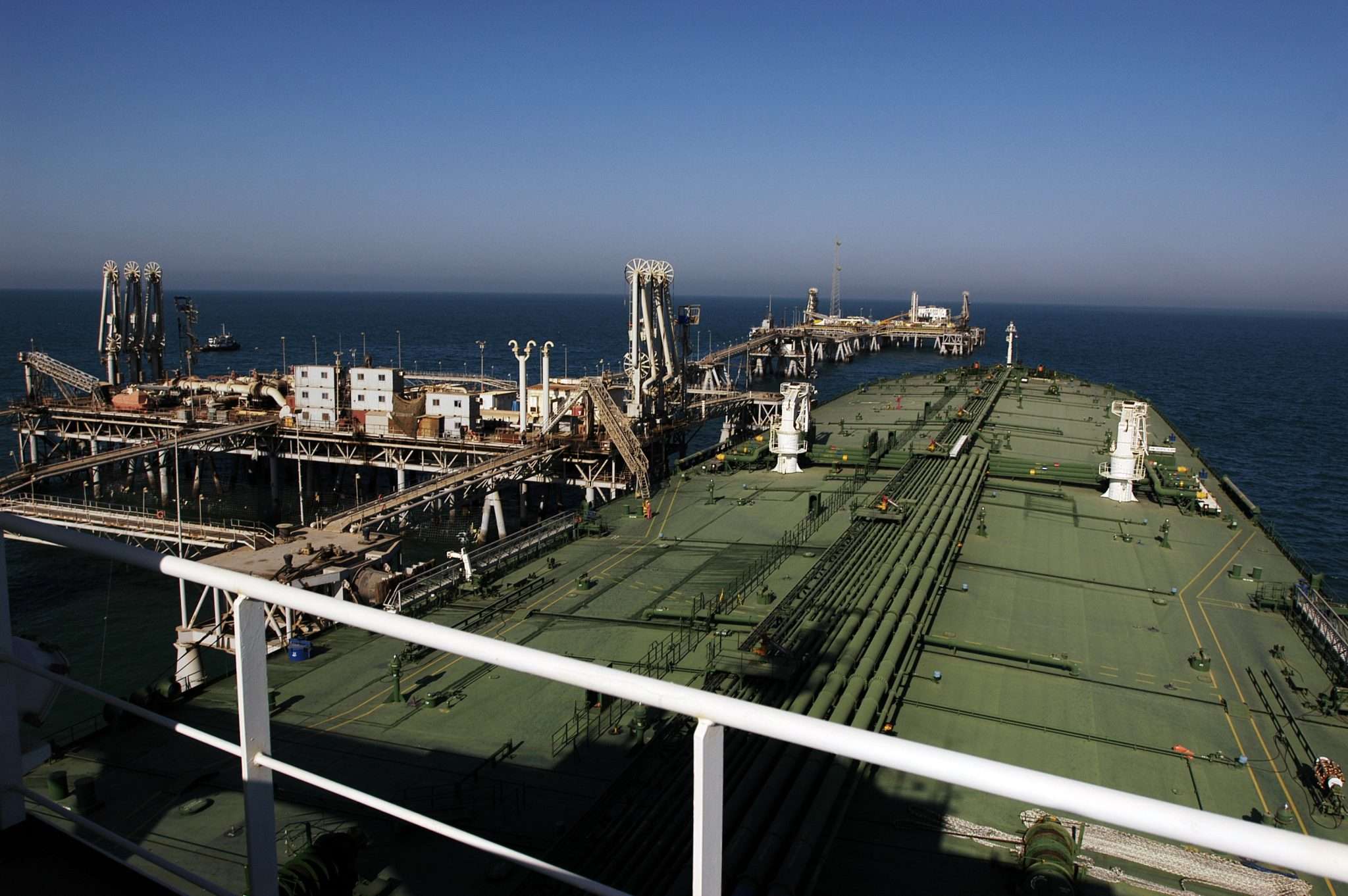
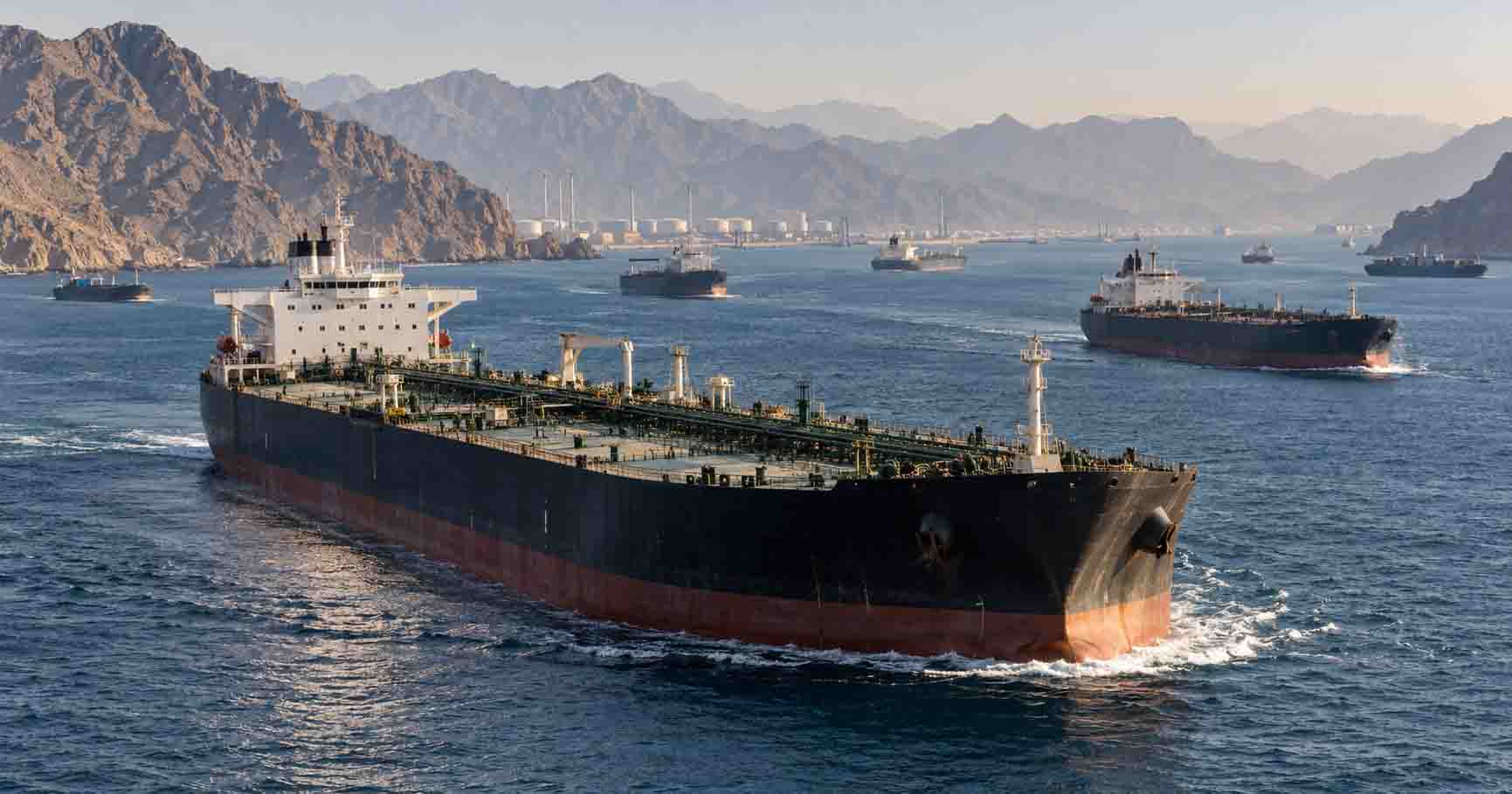
Security of energy supplies from the Gulf is at the heart of the latest price surge, particularly as vessel traffic through the Strait of Hormuz — one of the world’s most strategically important routes for oil and gas shipments — remains under pressure.
Preliminary data from Kpler, reported by Reuters, showed that only six commodity vessels passed through the strait on Tuesday, compared with nine the previous day and a 10-day average of around 12 vessels.
The latest developments are an extension of rapidly escalating tensions across the region. Profile News has previously examined the escalation involving the Strait of Hormuz, Iran and the United States, while attention is now shifting toward the direct economic consequences for energy prices, inflation and global financial markets.
Why Does Oil Above $100 Worry Markets?
The threat to the global economy extends well beyond the price of a barrel of crude itself. If oil remains above $100, higher energy costs could increase expenses for fuel, transportation, shipping and manufacturing, with some of those costs eventually being passed on to consumers through higher prices for goods and services.
Elevated energy prices could also reignite inflationary pressures at a time when central banks are trying to keep price growth under control. That could force policymakers to keep interest rates higher for longer or adopt an even more restrictive stance if inflation remains persistent.
These concerns are particularly important in the United States, where investors are awaiting crucial inflation data in the coming days.
Wall Street Feels the Pressure From Rising Oil Prices
The impact of higher oil prices quickly spread to equity markets. Trading ahead of the Wall Street open pointed to declines in U.S. stock futures as investors grew increasingly concerned about inflation and interest rates.
According to the Associated Press, futures for the Dow Jones Industrial Average fell around 0.5%, while S&P 500 futures declined about 0.3% and Nasdaq futures dropped roughly 0.4% in premarket trading.
European markets also came under pressure, with the STOXX 600 falling around 0.7% during Wednesday’s session, while energy stocks remained among the beneficiaries of higher crude prices.
Could Oil Reignite Inflation and Rate-Hike Fears?
This is now one of the most important questions facing investors. Markets may be able to absorb a short-lived spike in oil prices, but a sustained period of elevated crude prices could reshape inflation expectations and directly influence central bank policy.
The timing is particularly sensitive for the United States. According to the official U.S. Bureau of Labor Statistics schedule, the Producer Price Index for August is scheduled for Thursday, September 10, followed by the Consumer Price Index on Friday, September 11.
If inflation comes in stronger than expected while oil remains above $100, concerns over tighter monetary policy could intensify — a scenario that could put additional pressure on equities, bonds and other interest-rate-sensitive assets.
Gold and the Dollar Face a Complex Equation
Higher oil prices and geopolitical tensions also leave gold facing an unusual combination of competing forces. On one hand, the precious metal could benefit from increased demand for safe-haven assets. On the other, stronger inflation and interest-rate expectations could push bond yields higher, potentially limiting gold’s gains.
The developments follow significant moves in the precious metal, which Profile News previously covered in a report examining gold and the $4,500-an-ounce level.
What Happens After Oil Breaks $100?
The crucial factor over the coming hours and days will be whether the market can sustain the $100 level, alongside developments in energy supplies and shipping activity across the Gulf.
A rapid move back below $100 could ease some of the pressure. However, if Brent remains above the threshold or climbs further, investors may be forced to reassess their expectations for inflation, economic growth and interest rates.
As a result, oil breaking above $100 is no longer simply a price move in the energy market — it has become a new test for the global economy and financial markets. The real shock will not be determined by crossing $100 alone, but by how long prices remain above it and how quickly disrupted supplies can recover. If supply pressures persist alongside higher inflation, the consequences could quickly spread to interest rates, stocks, bonds and the cost of living around the world.