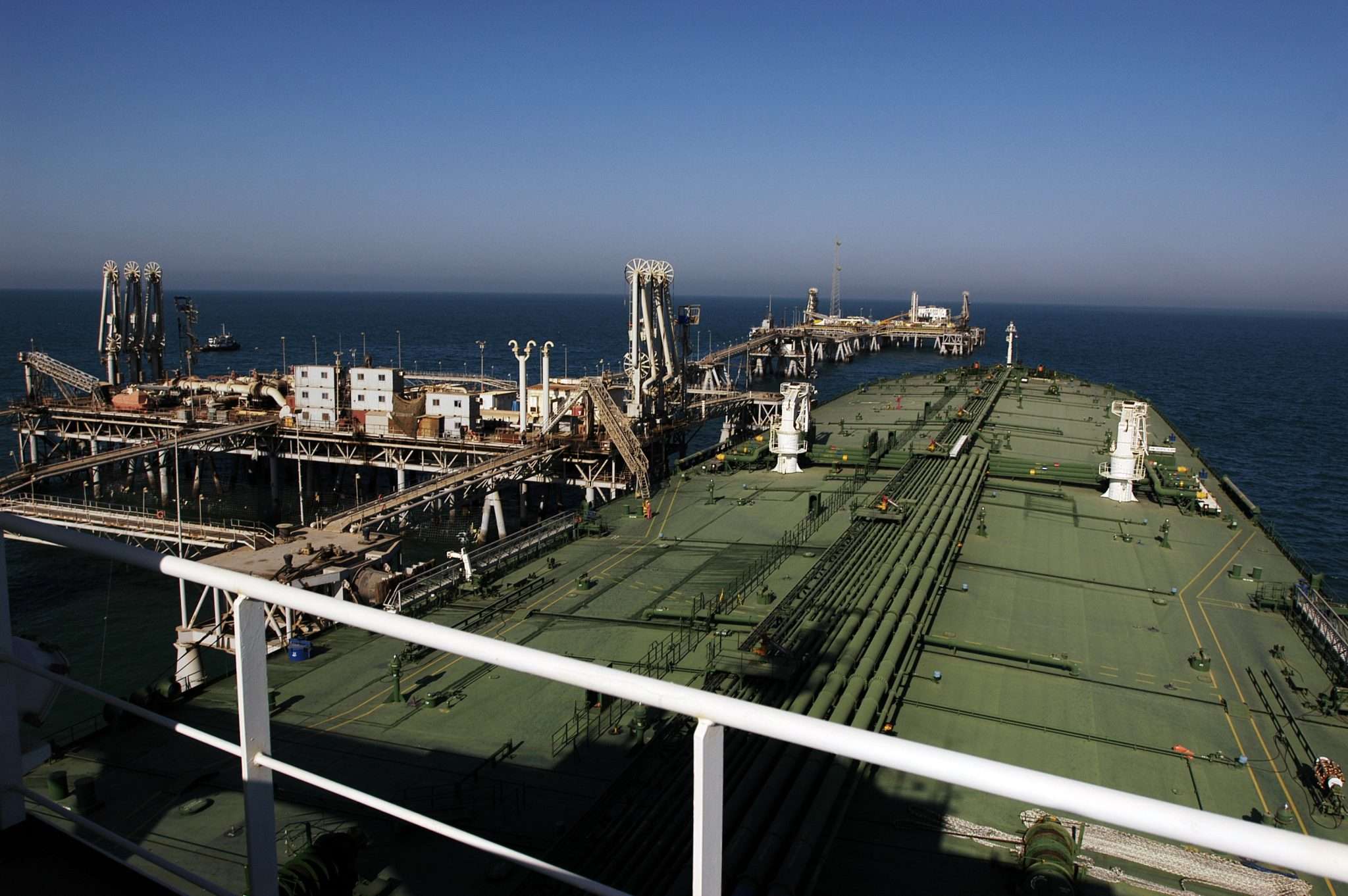
Oil Prices Surge Above $109 as Markets Fear Inflation Comeback

Oil prices returned to the center of global economic fears on May 15, 2026, after Brent crude surged above $109 per barrel while US crude climbed beyond $105, in a move that revived inflation concerns, energy market anxiety, and rising cost-of-living pressures across global markets.
Analysts say markets are no longer viewing the latest oil rally as a temporary energy fluctuation, but rather as a warning sign that could reshape expectations for inflation, interest rates, and global economic growth in the months ahead.
These developments come as global markets face a complex mix of geopolitical tensions, energy disruptions, and growing concerns over global supply risks.
According to market data and reports published today by Reuters, oil prices moved sharply higher amid escalating Middle East tensions and investor fears over potential disruptions to global shipping and energy supplies.
At the same time, markets have begun reassessing the possibility of another global inflation wave, particularly as pressure continues to build across energy, transportation, and supply chains.
- Brent crude above $109
- WTI crude above $105
- Gold remains near elevated levels
- Inflation fears are rising again
- Markets are closely watching the Fed and the US dollar
To understand how markets are increasingly linking gold, energy, and inflation, read our analysis on gold prices, inflation, energy and global markets.
Oil prices surge as markets fear new global energy disruptions
Global markets are increasingly treating the latest oil rally as more than a normal price movement, especially amid rising geopolitical tensions tied to energy supplies and critical maritime routes.
Economists warn that any new disruption to global supply chains or shipping lanes could push energy prices even higher in the coming weeks.
In the background, markets are closely monitoring:
- Tensions linked to Iran
- Shipping activity in the Gulf
- The Strait of Hormuz
- Global oil supply flows
- Asian energy demand

Markets have also started linking higher oil prices to renewed inflation risks, particularly as transportation and energy costs continue climbing worldwide.
According to Investing, investors remain focused on geopolitical developments that could trigger another wave of market volatility.
To understand how energy has become a central part of global economic tensions, read our analysis on oil prices above $104 and global markets.
– Brent Crude Oil Live:
Rising oil prices revive inflation fears across global markets
For investors, the issue is no longer oil alone, but its direct impact on inflation, interest rates, and the broader global economy.
Analysts believe higher energy prices could reignite inflationary pressures across major economies, particularly in the United States and Europe.
At the same time, markets are increasingly concerned that prolonged energy inflation could lead to:
- Higher transportation costs
- Rising food prices
- More pressure on consumers
- Weaker purchasing power
- Delayed interest rate cuts

Markets are also closely watching the growing relationship between oil, gold, and the US dollar, which have become key indicators shaping the direction of the global economy.
According to Reuters, investors remain concerned that inflation pressures are proving more persistent despite central bank efforts to stabilize prices.
Meanwhile, gold has once again attracted investors seeking safe-haven assets amid mounting economic fears and geopolitical uncertainty.
– Gold Live Prices:
Markets are also monitoring the impact of higher oil prices on the US economy and consumers, especially as pressure from housing costs and interest rates continues to build.
To understand how investors are reassessing the US economy, read our analysis on the US economy, debt and inflation pressures.
Are markets entering a new phase of economic fear?
So far, markets are not talking about a global economic collapse, but concerns are growing that persistent energy inflation could push the world economy into a far more complicated phase.
Global investors are now closely watching:
- Oil and energy prices
- Inflation trends
- Federal Reserve policy
- Gold and the US dollar
- Geopolitical tensions
Investors increasingly fear that the biggest threat is not simply rising prices, but the possibility that inflation could remain elevated much longer than markets previously expected.
Markets are also worried that expensive energy could create another wave of cost-of-living pressure for consumers worldwide.
Key takeaways:
- Brent crude has surged above $109
- Markets fear another global inflation wave
- Gold continues attracting investors
- Geopolitical tensions are supporting energy prices
- Investors remain cautious about the Fed and the US dollar
For global markets, the issue is no longer just about oil prices — it is about fears that major economies could enter a more difficult inflation era in the months ahead.
Markets are no longer afraid of rising energy prices alone… they are increasingly worried that a stronger global inflation wave may be returning faster than expected.