Oil Falls Despite Houthi Attacks as Markets Watch U.S.-Iran Truce Prospects

Oil prices fell on Friday, September 25, 2026, as growing hopes of a possible U.S.-Iran truce outweighed immediate concerns over escalating Houthi attacks on Saudi Arabia.
Brent crude fell 1.4% to $105.11 a barrel, while U.S. West Texas Intermediate dropped 2.1% to $92.61, according to Reuters.
Why are oil prices falling?
Markets are increasingly pricing in the possibility of a phased diplomatic route out of the U.S.-Iran war.
Reuters reported that American and Iranian negotiators in New York are exploring a framework that could include reopening the Strait of Hormuz and lifting U.S. economic restrictions on Iran.
That prospect is easing some of the geopolitical risk premium that has kept global oil prices elevated.
The Strait of Hormuz remains central
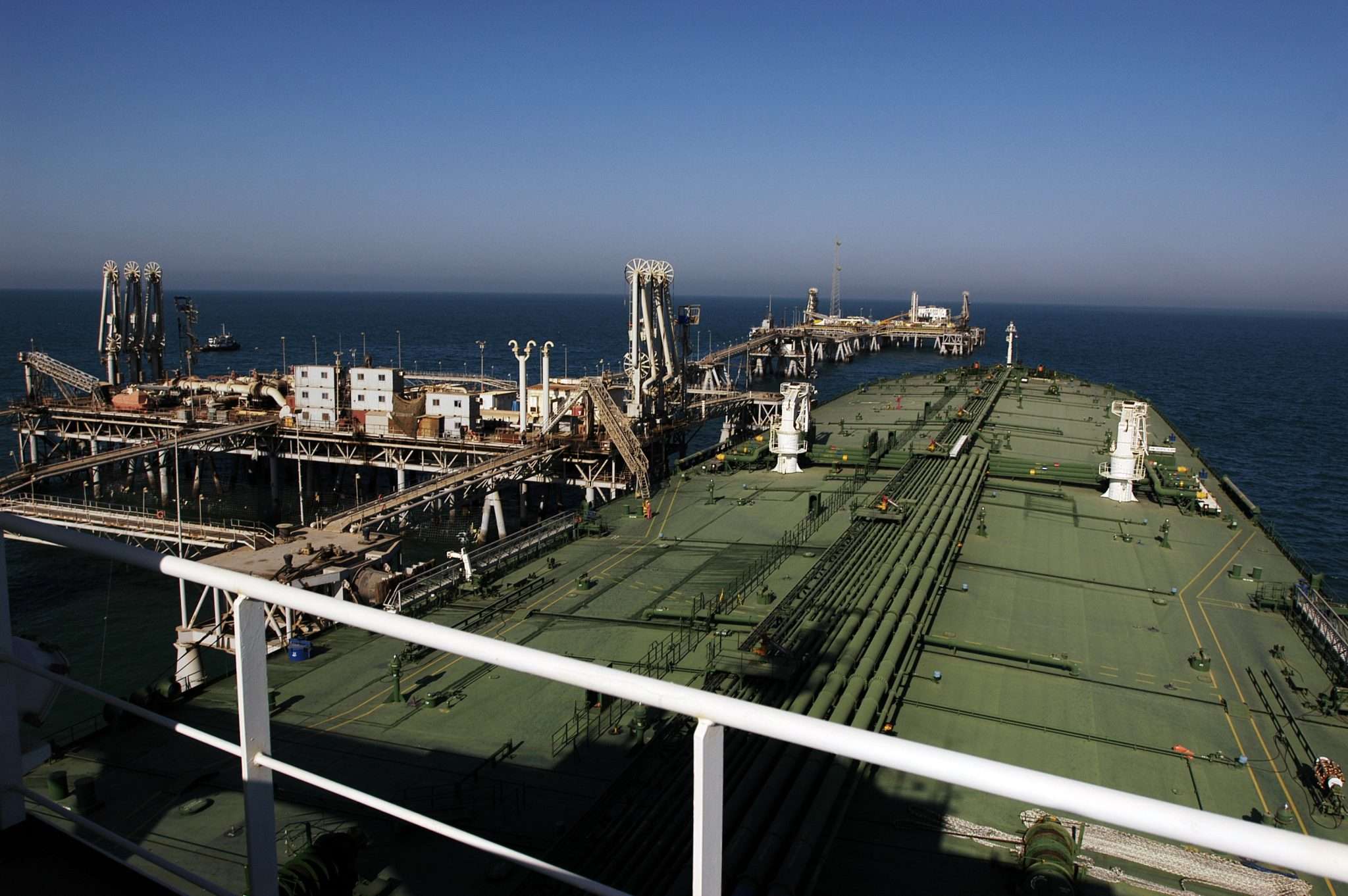
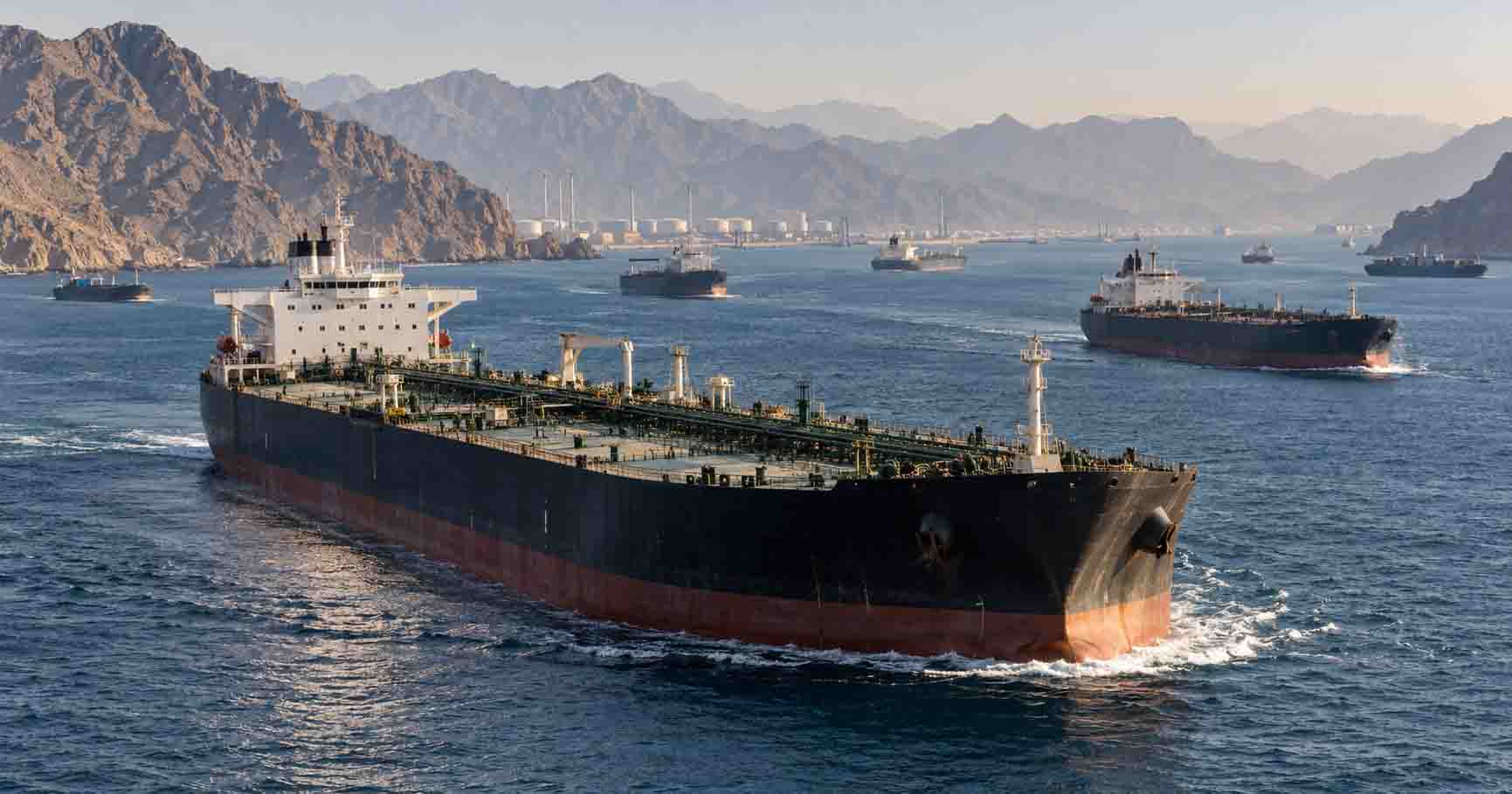
The Strait of Hormuz remains one of the world’s most important energy routes.
Reuters said roughly one-fifth of global oil and gas shipments have been curtailed since the war began at the end of February.
Any credible agreement that restores more normal shipping through the waterway could significantly change global supply expectations.
Houthi attacks keep Saudi supply risks in focus
Military risks have not disappeared.
Saudi Arabia intercepted six ballistic missiles fired by Yemen’s Iran-aligned Houthis, thwarting attacks on Taif province and the Yanbu area on the Red Sea, according to the Saudi-led coalition cited by Reuters.
The attacks are closely watched because Saudi Arabia is one of the world’s largest oil producers and Yanbu is a major Red Sea export hub.
Saudi Arabia increases East-West pipeline flows
Saudi Arabia is increasing crude volumes through its East-West Pipeline, which connects the kingdom’s eastern oil fields with its Red Sea export infrastructure at Yanbu.
Reuters reported, citing industry sources, satellite imagery and shipping data, that pumping volumes have increased, although crude tanker loadings at Yanbu have not yet resumed.
Brent-WTI spread widens sharply
The gap between Brent and WTI has widened to around $12.50 a barrel, its largest since May.
The divergence reflects stronger geopolitical risk premiums in the global Brent market, while higher U.S. production and inventories continue to weigh on WTI.
Oil benchmarks diverge over the week
Despite Friday’s decline, Brent remained higher for the week.
Reuters reported Brent was up about 1.7% for the week, while WTI was down around 7.2%.
Does the decline mean a truce is imminent?
No.
Oil markets are pricing probabilities rather than confirming that an agreement has been reached.
Major issues involving Hormuz, sanctions, security guarantees and regional attacks remain unresolved.
Still, the price action shows that diplomacy is now becoming a powerful counterweight to military supply risks.
The bottom line
Oil’s decline on September 25 does not signal that Middle East risks have disappeared.
Instead, markets are weighing two forces at the same time: continuing Houthi attacks and threats to Saudi energy infrastructure on one side, and the possibility of a U.S.-Iran truce and a wider reopening of Hormuz on the other.
Profile News continues to track developments through its 24-hour breaking news page.