Oil Prices Today: Why Is Brent Falling Despite Riyadh Attacks?

Oil prices today remained above $100 a barrel in early Asian trading on Monday, September 21, 2026, but eased despite continuing Saudi-Houthi tensions and renewed threats between the United States and Iran.
In Reuters’ latest verified market snapshot at 00:39 GMT, Brent crude was trading at around $103.68 a barrel, down 0.2%, while U.S. West Texas Intermediate was down 0.3% at approximately $100.02 a barrel.
Oil prices today: Live Brent and WTI quotes
The market display below updates automatically using TradingView data. Quotes may differ slightly from Reuters, ICE and NYMEX futures because TradingView’s TVC oil symbols use their own aggregated data methodology.
Why are oil prices falling despite the Riyadh attacks?
The main factor weighing on crude at the start of the week is a partial recovery in Saudi oil exports.
Saudi Aramco has increased shipments through the Strait of Hormuz after halting some flows through Yanbu, helping Saudi exports recover to more than 4 million barrels per day so far in September from about 2.4 million bpd in August, according to preliminary Kpler data cited by Reuters.
Satellite data also indicated Saudi crude shipments through Hormuz averaged about 2.9 million bpd over six days, up sharply from around 700,000 bpd in August.
Saudi Arabia is rerouting its crude
The shift follows disruption to Saudi Arabia’s East-West pipeline, an important route that normally allows crude to reach the Red Sea without passing through the Strait of Hormuz.
Markets are now watching how quickly Saudi Arabia can restore pipeline flows and whether the kingdom can continue offsetting disruptions through alternative export routes.
Profile News previously examined the market impact of the Riyadh attacks, Saudi Aramco and global oil risks.
Houthi attacks keep the geopolitical premium alive
The modest decline in crude does not mean Middle East risk has disappeared.
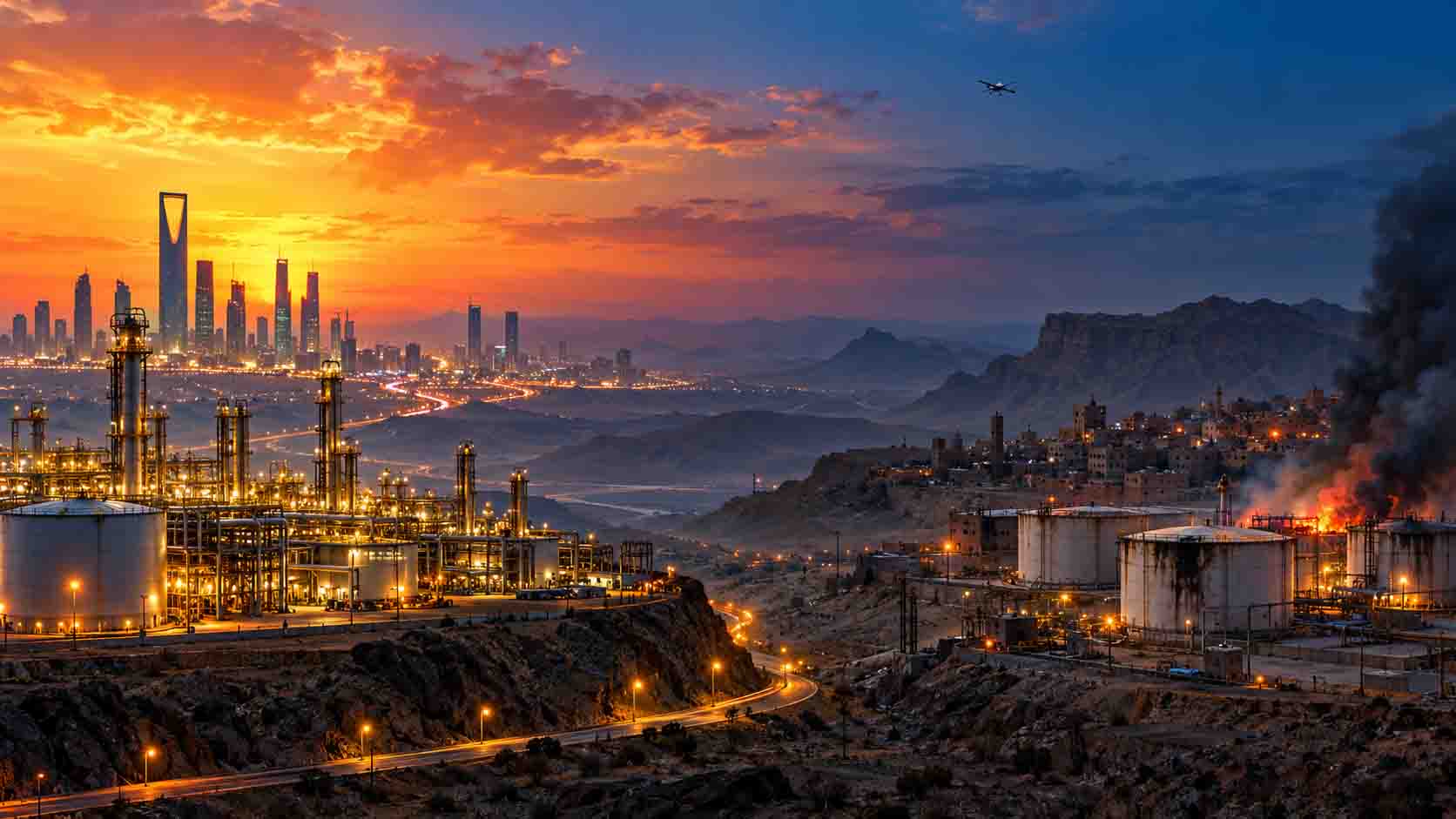
The Houthis said they attacked sensitive sites in Riyadh and an Aramco facility in Yanbu, while Saudi authorities said they intercepted a ballistic missile heading toward Riyadh and thwarted additional attacks.
Saudi authorities have not confirmed damage to an Aramco oil facility in Yanbu.
Profile News has also covered the Houthi attacks on Saudi Arabia and developments in Riyadh and Yanbu.
Why is Brent still above $100?
Several factors continue to provide a floor under oil prices despite improving Saudi exports.
The U.S.-Iran conflict continues to affect energy flows, while the Strait of Hormuz and Bab el-Mandeb remain central geopolitical risks.
Global refined-fuel supplies are also tight, particularly for diesel and jet fuel.
JPMorgan analysts cited by Reuters said Middle East oil flows have remained surprisingly resilient, averaging around 17.1 million barrels per day over the previous 10 days despite the disruption.
Oil inventories could become a bigger problem
Vivek Dhar, head of commodities research at Commonwealth Bank of Australia, said the closure of Saudi Arabia’s East-West pipeline had materially changed the oil-market balance.
CBA estimates global crude and refined-product inventories could face significant depletion within roughly five to 10 weeks under current conditions, compared with estimates of 15 to 20 weeks only two weeks earlier.
This is an analyst estimate rather than a guaranteed outcome and could change substantially if Saudi supply recovers or U.S.-Iran diplomacy improves.
Hormuz moves back to the center of the oil market
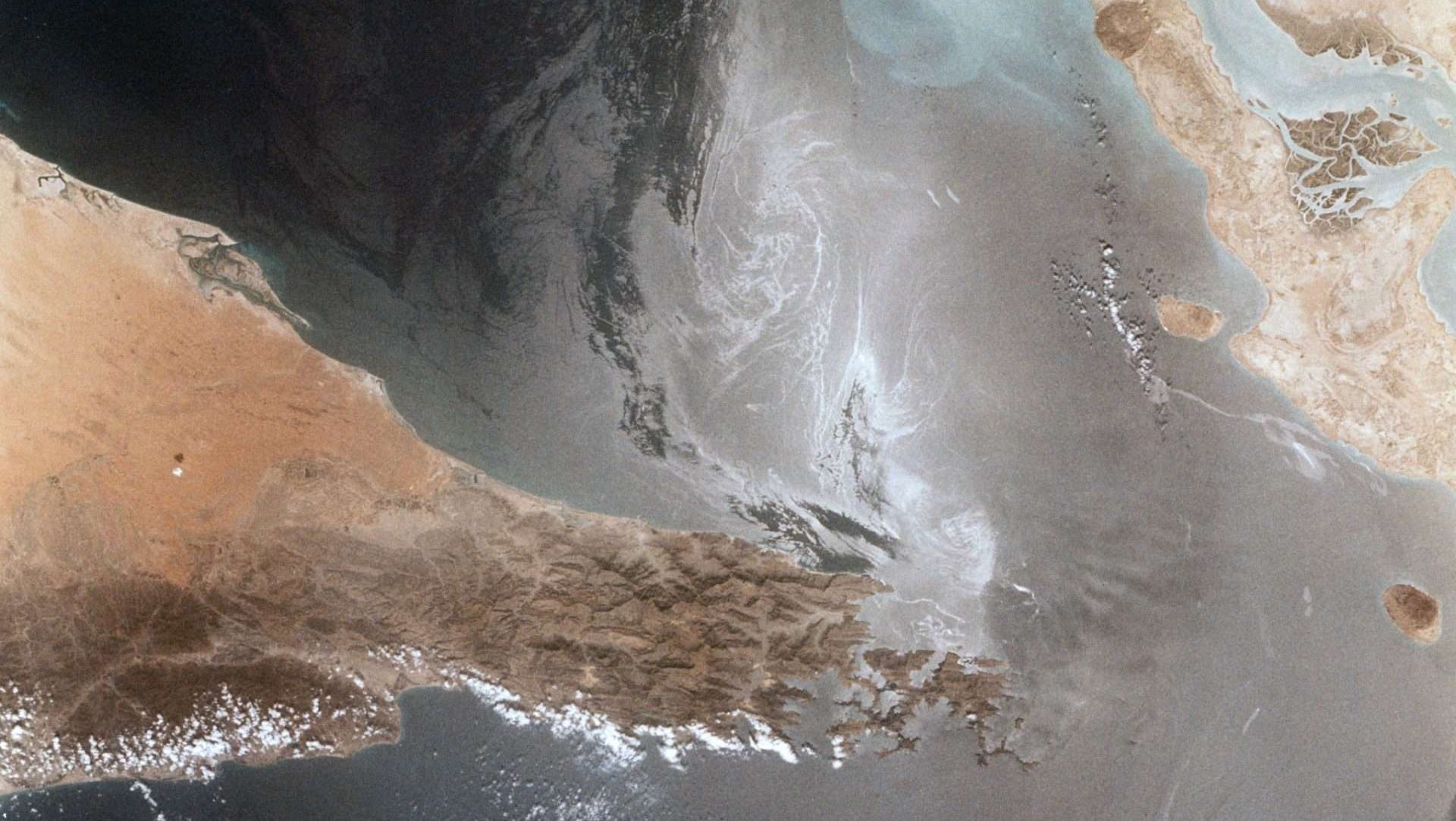
The Saudi export shift has once again increased the importance of the Strait of Hormuz.
More Saudi crude flowing through the strait helps supply in the short term, but it also increases reliance on a waterway at the heart of U.S.-Iran tensions.
Progress in U.S.-Iran negotiations could therefore reduce crude’s geopolitical premium, while renewed military escalation could quickly push it higher.
Profile News has detailed Iran’s conditions for ending the war and restarting negotiations with Washington.
Global stocks rise even with oil above $100
The continued strength in crude did not trigger a broad selloff in Asian markets early Monday.
MSCI’s Asia-Pacific index excluding Japan rose around 0.3%, while South Korea’s technology-heavy market gained about 1.1% as artificial-intelligence demand supported semiconductor stocks.
S&P 500 futures rose 0.3% and Nasdaq futures gained 0.4%, indicating investors were balancing energy risks against continued strength in technology.
Higher oil could keep pressure on interest rates
The larger global economic risk remains inflation.
Elevated oil, diesel and transport costs can feed into consumer prices and complicate central-bank policy.
U.S. two-year Treasury yields were around 4.76% as markets increased expectations that the Federal Reserve could tighten policy further before year-end.
What should oil markets watch on September 21?
The key factors are the speed of repairs to Saudi Arabia’s East-West pipeline, Saudi export volumes through Hormuz, any renewed Houthi attacks, U.S.-Iran diplomacy during U.N. General Assembly week and tanker traffic through Hormuz and Bab el-Mandeb.
For now, increased Saudi supply is preventing the latest security escalation from producing another sharp surge in crude.
That balance could change quickly if major production facilities, export infrastructure or shipping lanes suffer new disruptions.
Report Sources: Reuters — September 21 global markets and oil prices, Reuters — Saudi exports and oil market, TradingView — live market widget documentation.