


OPEC Plus Holds Output Steady — Why Did Aramco Cut Asia Prices?
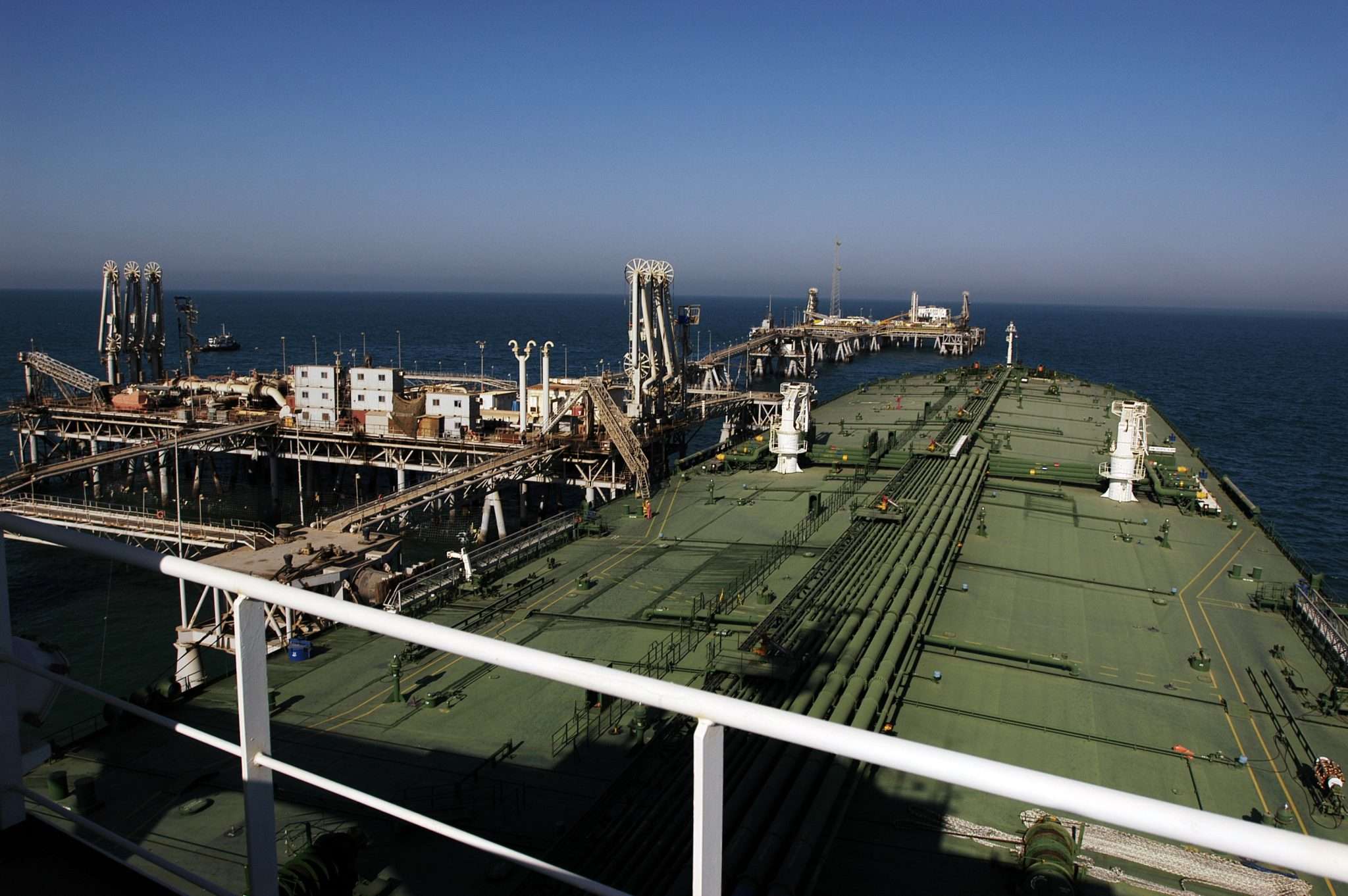
OPEC Plus (OPEC+) kept required production levels for November unchanged, but the more striking development in the oil market came immediately afterward: Saudi Aramco cut its crude selling prices for Asia to their lowest level in six years, an unexpected move even as Brent crude remained above $100 a barrel.
Together, the two developments highlight a market more complex than headline prices alone suggest. Physical supply remains affected by war-related disruptions and shipping constraints, but rising Middle East exports and emergency reserve releases have begun to ease some pressure, while Saudi Arabia seeks to protect its market share in Asia amid exceptionally high transportation costs.
OPEC+ Holds November Production Targets Steady
OPEC said Saudi Arabia, Russia, Iraq, Kuwait, Kazakhstan, Algeria and Oman held a virtual meeting on October 4 to review market conditions and the outlook.
The seven countries decided to maintain their required November production levels at September 2026 levels, while reaffirming their commitment to the existing cooperation framework and scheduling their next meeting for November 1.
Why Did Aramco Cut Prices for Asia?
Following the OPEC+ meeting, Saudi Arabia unexpectedly cut official selling prices for its crude shipments to Asia for November, with some discounts widening to their largest levels since 2020.
According to refining industry sources cited by Reuters, the decision was linked to a sharp rise in shipping costs and disruptions to Gulf crude export routes, prompting Aramco to ease costs for Asian buyers while seeking to protect its market share.
By contrast, Aramco raised its November prices for northwest Europe while leaving prices for U.S. customers unchanged.
Oil Remains Above $100 but Is Pulling Back
Oil prices declined in early trading on October 5 as crude exports from the Middle East increased and the Group of Seven moved to release emergency reserves.
Brent crude traded at about $101.59 a barrel, while West Texas Intermediate was around $90.12, with risks surrounding energy infrastructure and Gulf shipping continuing to support prices.
Physical Supply Remains Below Official Quotas
Although OPEC+ raised production targets through much of 2026, a significant share of those increases remained largely theoretical because of war-related disruptions and export constraints.
According to OPEC data cited by Reuters, the seven core countries produced about 25 million barrels per day in August, up 630,000 barrels per day from July but still around 5 million barrels per day below pre-war levels in February.
That helps explain why unchanged quotas do not necessarily mean the market is receiving all the barrels those quotas allow.
100 Million Barrels From Emergency Reserves
The OPEC+ decision also coincides with a Group of Seven agreement to release 100 million barrels of diesel and crude oil from emergency reserves.
The announcement, together with improving Middle East exports, helped ease some immediate supply concerns and pushed oil prices slightly lower.
Profile News previously examined the international response in its report on the diesel crisis and the release of emergency reserves.
Why Isn’t OPEC Plus (OPEC+) Increasing Production Now?
Raising quotas on paper does not guarantee that additional barrels will reach the market if export routes, shipping networks and infrastructure remain constrained.
The group therefore appears more inclined to keep policy steady and monitor the recovery in physical supply rather than announce further increases that may not be fully deliverable.
OPEC+ also continues to maintain roughly 2 million barrels per day of existing cuts across most of its members.
What Is Happening to Oil Prices Now?
The market is being pulled in two directions: higher Middle East exports and reserve releases are putting downward pressure on prices, while military risks and attacks on energy infrastructure and vessels continue to support a geopolitical risk premium.
Profile News previously tracked oil price performance during September before the latest changes in the market.
The next phase will depend heavily on whether Gulf exports continue to recover, developments in shipping through the Strait of Hormuz, and whether emergency reserve releases succeed in easing prices for refined products.
Sources
OPEC — Official statement on required production levels for November — October 4, 2026.
Reuters — OPEC+ decision and production conditions | Aramco’s November price cuts for Asia | Latest oil prices and supply developments.


