


Strait of Hormuz Shipping Costs Squeeze Asian Refineries Despite Lower Oil Prices
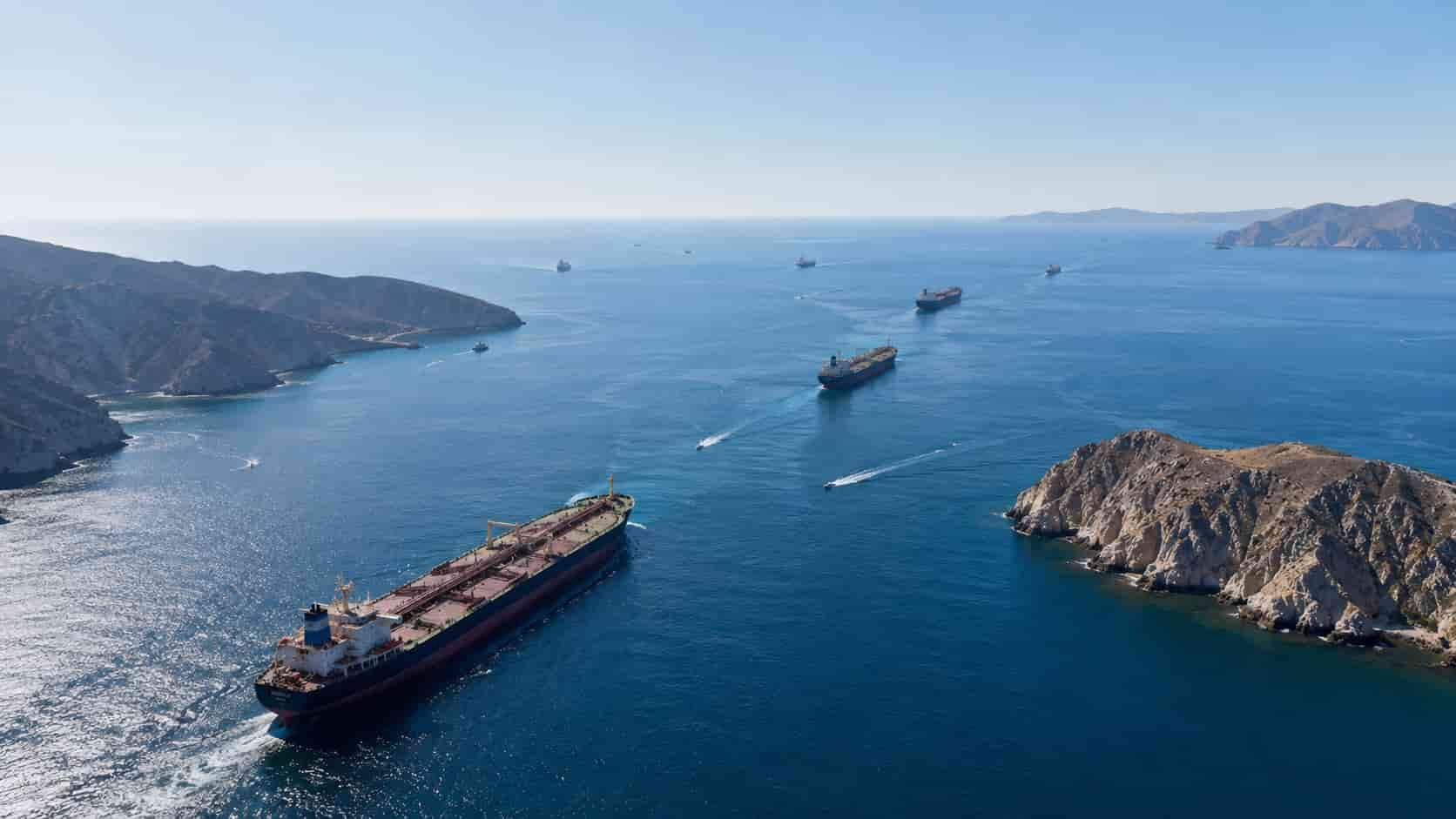
Strait of Hormuz shipping costs are creating mounting financial pressure on Asian oil refineries and Middle Eastern producers, even as benchmark crude futures decline. Repeated attacks on commercial vessels, higher freight rates and war-risk insurance expenses have made the actual cost of delivering oil increasingly disconnected from the prices quoted on global exchanges.
According to a Reuters analysis published on October 19, 2026, shipping expenses have climbed to as much as 30% of the delivered cost of crude in certain cases, compared with typical levels of approximately 3% to 7%.
The figures reveal a significant challenge for global energy trade: falling benchmark prices do not necessarily translate into cheaper delivered oil, especially when transport risks absorb a growing share of the value of each shipment.
Strait of Hormuz Shipping Costs Reshape Oil Economics
Crude oil markets depend not only on production and benchmark prices but also on the ability to transport supplies safely and economically to consuming countries.
Under normal conditions, shipping and related logistical expenses account for a relatively limited proportion of the delivered cost of crude.
However, maritime disruptions in and around the Strait of Hormuz have sharply increased transportation expenses for some importers.
Reuters reported that freight costs have reached as much as 30% of delivered crude costs in certain Asian refinery transactions, compared with a more typical range of 3% to 7%.
This does not mean every shipment carries the same burden. Costs depend on vessel availability, routes, contract terms, insurance coverage and the level of maritime risk.
Asian Refinery Margins Come Under Pressure
Asian refiners rely heavily on crude shipments from the Middle East to supply their domestic fuel markets.
When tanker rates rise sharply, refineries can face significantly higher delivered feedstock costs even if the benchmark price of crude falls.
According to Reuters, gross refining margins in some cases approached $40 per barrel during October but declined to just over $7 after shipping costs were taken into account.
These figures represent the particular market conditions examined in the analysis, not average profitability across all Asian refineries.
Persistent pressure could encourage refiners to reconsider crude sourcing, draw on inventories or adjust operating rates.
Middle Eastern Producers Face Pressure to Offer Discounts
Transport disruptions also affect oil exporters.
As crude shipped from the Gulf becomes more expensive to deliver, it may lose competitiveness against alternative supplies from regions with lower transportation risks.
Reuters reported that some Middle Eastern producers have offered discounts approaching $30 per barrel in particular transactions to preserve their competitiveness.
Those discounts should not be treated as a uniform reduction applying to every Gulf producer or grade of crude.
The broader economic consequence is that producers may receive lower net revenue despite relatively elevated global benchmark prices.
Why Falling Brent Prices Do Not Guarantee Cheaper Oil Imports
Brent futures reflect market expectations about supply, demand and geopolitical developments.
The cost of receiving a physical cargo, however, also incorporates shipping, insurance and other delivery-related expenses according to the terms of the transaction.
As a result, benchmark crude prices can decline while the effective cost of importing oil remains elevated.
This distinction becomes particularly important when shipping companies face security threats, longer voyages or rising war-risk premiums.
It also explains why a decline in oil futures may not immediately translate into lower fuel prices for consumers.
October Vessel Incidents Highlight Maritime Risks
Security concerns have extended beyond crude oil tankers to container ships and other commercial vessels operating in the Strait of Hormuz and surrounding waters.
The United Kingdom Maritime Trade Operations agency, known as UKMTO, recorded multiple incidents during October involving projectiles and damage to commercial ships.
On October 14, the agency reported separate incidents involving container vessels transiting the strait. According to the information released, both vessels were able to continue their voyages and no injuries were reported in those incidents.
UKMTO also published a report concerning a tanker struck by an unidentified projectile northeast of Jubail, Saudi Arabia, on October 16, with the crew evacuated and reported safe.
Such incidents influence insurers’ risk assessments and shipping companies’ operational decisions, even when individual attacks do not result in major casualties.
Was Another Oil Tanker Hit on October 19?
Reports circulating about a possible tanker explosion near the Strait of Hormuz have raised additional concerns.
However, the information reviewed for this report does not independently establish the identity of a tanker involved in a new October 19 explosion, the precise cause of such an incident or responsibility for it.
Claims involving a possible sea mine should therefore remain unconfirmed unless supported by an investigation or authoritative maritime reporting.
The analysis of shipping costs does not depend on treating those unverified claims as established facts.
War-Risk Insurance Becomes a Major Cost Factor
Marine insurers assess risk according to vessel characteristics, shipping routes, cargo and conditions in the surrounding waters.
Repeated attacks and elevated uncertainty may increase war-risk insurance premiums or prompt shipping companies to impose additional conditions on voyages.
Longer waiting times and changes in routes can also reduce the effective availability of tankers.
When vessel supply tightens, higher costs can spread beyond the immediate area of the incidents and affect broader international freight markets.
Could Diesel and Jet Fuel Prices Be Affected?
Higher crude import costs can put additional pressure on refiners that produce diesel, gasoline and aviation fuel.
If refineries reduce throughput or experience delays in obtaining crude supplies, the effects may extend into refined product markets.
Reuters noted continuing tightness in parts of the global diesel market, reflecting Middle East disruptions and attacks affecting Russian refining infrastructure.
The impact on consumers will vary according to national fuel pricing systems, taxation, subsidies, inventories and currency movements.
Therefore, higher shipping costs do not establish that retail fuel prices will rise by an identical percentage in every market.
Iran and the United States Dispute Responsibility for Maritime Tensions
Iranian officials have blamed US policies and military activities for worsening regional tensions, while Washington has accused Tehran of threatening freedom of navigation and international shipping.
These competing positions are part of the broader diplomatic confrontation.
However, political accusations alone are not sufficient to establish responsibility for an individual maritime incident.
For shipping companies and energy importers, continued uncertainty presents an operational and financial risk regardless of the outcome of the political dispute.
What Options Do Refiners and Oil Traders Have?
Companies seeking to limit disruption may use available inventories, adjust delivery schedules, diversify crude suppliers or consider alternative ports and routes.
Each option involves constraints.
Longer transport routes can increase voyage times and freight charges, while some refineries are technically optimized for particular grades of crude.
Reducing refinery operating rates may protect margins in the short term but could eventually tighten supplies of refined products.
The economic implications extend to oil producers, refiners, shipowners, insurers and fuel consumers.
Why the Hormuz Crisis Matters Beyond Oil Prices
The latest developments demonstrate that maritime security has become a critical component of energy pricing.
Even when oil supplies remain available, reaching customers at a predictable cost depends on functioning shipping routes, insurance markets, port infrastructure and tanker availability.
As freight expenses rise, the burden is distributed unevenly across producers, transport companies, refineries and consumers.
That makes shipping economics an essential indicator alongside Brent futures and global crude production.
What Should Energy Markets Watch Next?
The key indicators include new maritime incidents, official investigation findings, tanker traffic through the strait, freight rates, war-risk insurance premiums and discounts offered by producers.
Asian refinery margins, operating rates and delivered prices for diesel and other refined products will also help determine the wider economic impact.
The central question is whether oil supplies can continue reaching global markets at sustainable costs or whether prolonged maritime disruption will increasingly erode earnings across the energy supply chain.
Sources
- Reuters – Asian Refiners’ Pain Is a Middle East Oil Producers’ Problem, October 19, 2026
- UK Maritime Trade Operations – Maritime Incident Reports and Advisories
- Financial Times – Maritime Attacks and Oil Shipping Disruption in the Strait of Hormuz


