Trump Says US Will Win Iran War ‘Very Soon’ as Tehran Awaits Washington’s Answer

Trump and Iran returned to the center of the Middle East agenda on September 28, 2026, after U.S. President Donald Trump said the United States would win the war with Iran “very soon,” as American and Iranian officials separately engaged mediators in a renewed effort to end the conflict.
Iranian Foreign Minister Abbas Araghchi, meanwhile, said Tehran was still awaiting Washington’s formal response to its latest ceasefire proposal and its conditions for restoring normal maritime traffic through the Strait of Hormuz.
Trump and Iran: What did the U.S. president say?
Trump told reporters in the Oval Office that U.S. officials had spoken on Monday with mediators working to end the war with Iran.
He said the United States would win “one way or the other” and expressed confidence that developments would move quickly.
Trump also linked the end of the conflict to energy prices, predicting that U.S. gasoline prices would decline once the war was over.
He did not provide details of the mediator discussions or announce a formal U.S. response to Iran’s revised proposal.
Tehran awaits Washington’s formal response
Araghchi said Iran expected to receive the U.S. response to its latest ceasefire proposals and to Tehran’s conditions for restoring maritime traffic through the Strait of Hormuz.
Iran’s position is that it has presented a pathway toward an agreement if Washington is prepared to pursue a negotiated settlement.
Araghchi has said any move toward reopening Hormuz depends on Iran’s conditions being met and that a negotiated solution is required to break the current deadlock.
Profile News has followed the broader diplomatic track in its coverage of Trump, Iran and the Strait of Hormuz.
What is Iran proposing to end the war and reopen Hormuz?
The renewed contacts center on an amended version of a proposal Iran presented on the sidelines of the United Nations General Assembly in New York.
The plan envisages an end to hostilities in Iran and Lebanon, the unfreezing of billions of dollars in Iranian assets, an end to sanctions on Iranian oil and the lifting of the U.S. blockade on Iranian ports.
Iran would then allow the Strait of Hormuz to reopen to maritime traffic, while Washington and Tehran would resume discussions on Iran’s nuclear program and the future of its highly enriched uranium.
Profile News has also examined the broader Iran-Hormuz and nuclear negotiations.
Trump rejected the earlier proposal — so why is mediation continuing?
Trump said on September 26 that he had rejected Iran’s previous proposal, arguing that Tehran wanted a rapid agreement because of the economic pressure it was facing.
He later signaled that he expected further contacts during the week, while Iran said mediators had not formally conveyed a definitive U.S. rejection and that Tehran would wait for Washington’s final position before deciding its next steps.
With both sides confirming separate contacts with mediators on September 28, the diplomatic channel remains open despite the continued hard-line rhetoric.
The Strait of Hormuz remains central to any settlement
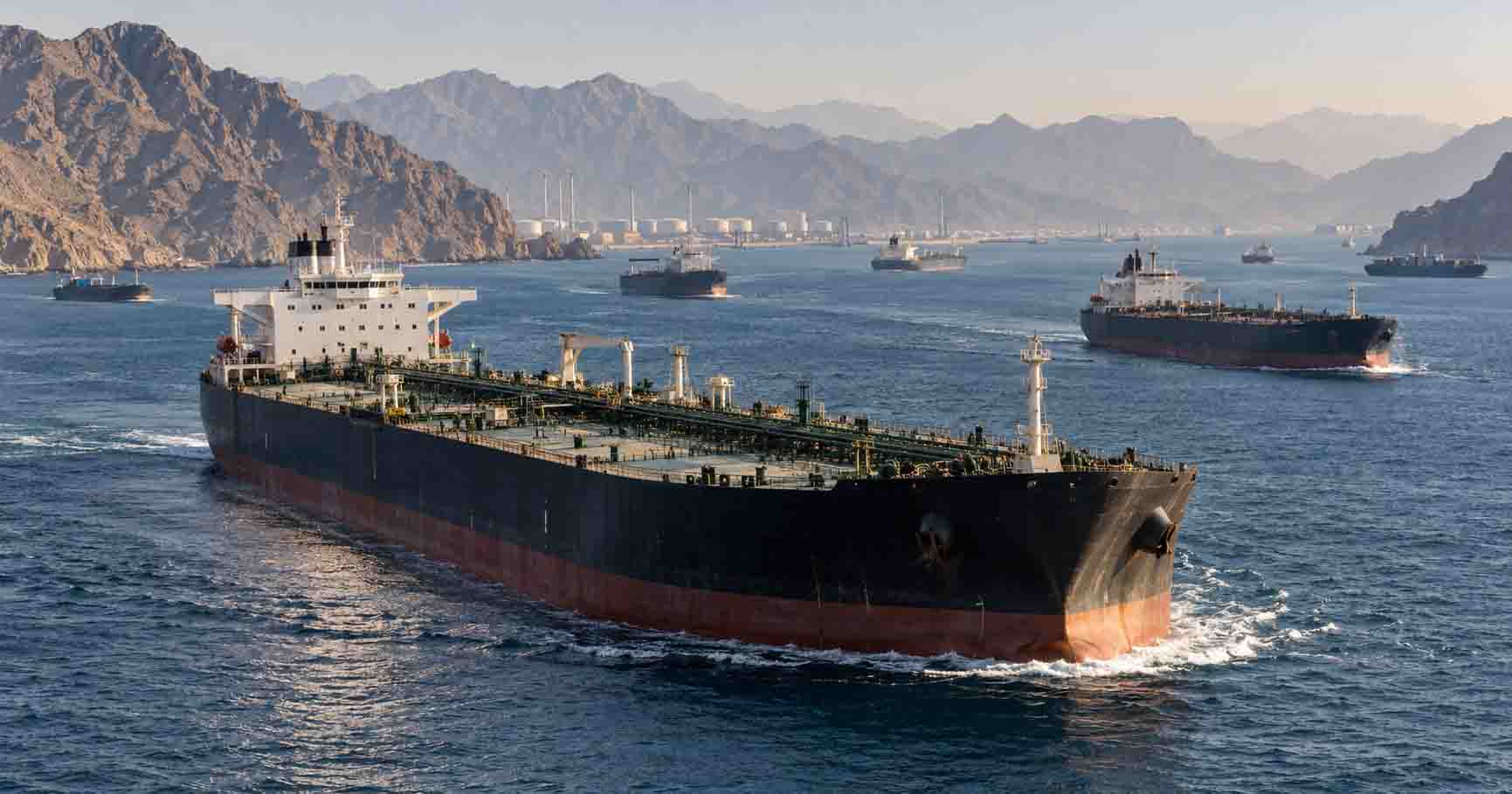
The Strait of Hormuz remains one of the most important elements of any potential agreement because of its role in global energy flows.
The war and restrictions on maritime traffic have disrupted oil and gas shipments and increased pressure on energy and shipping markets.
Washington wants normal shipping restored, while Tehran has tied reopening the strait to ending the blockade on Iranian ports, sanctions relief and the release of frozen assets.
The nuclear issue returns to the negotiating agenda
Iran’s proposal also includes renewed discussions over its nuclear program and the fate of its highly enriched uranium if progress is made toward ending the fighting and reopening Hormuz.
Disagreement over uranium enrichment and the future of Iran’s enriched stockpile remains one of the most difficult elements of any broader settlement.
Do the mediator talks mean an agreement is close?
The renewed contacts confirm that a diplomatic channel remains open, but they do not mean a deal is imminent.
Major differences remain over sanctions, the U.S. blockade, the Strait of Hormuz and the nuclear issue, while neither Washington nor Tehran has announced a final agreement or a new round of direct negotiations.
Two tracks are therefore continuing in parallel: assertive U.S. public rhetoric about the war and an indirect diplomatic effort through mediators.
What to watch next
- Whether Washington formally responds to Iran’s revised proposal.
- Any announcement of another round of mediator-led contacts.
- Changes to Iran’s conditions for reopening the Strait of Hormuz.
- Whether nuclear talks resume as part of a broader settlement.
- Any change in military activity alongside the diplomatic effort.
- The impact of progress or failure on oil prices and shipping.
Conclusion
U.S.-Iran tensions entered another phase on September 28 as separate contacts with mediators resumed while Trump adopted an assertive public position on the war.
Iran says it is waiting for Washington’s formal response to its proposal, while Trump says the United States will win “very soon.” Between those positions, mediators are attempting to build a framework linking an end to hostilities with reopening the Strait of Hormuz, economic measures and renewed nuclear talks.
For now, there is no announced agreement or formal U.S. acceptance of the Iranian proposal, making Washington’s response and the mediators’ next move the key developments to watch.
Sources
- Reuters — Trump says US will win Iran war ‘very soon’ — September 28, 2026
- Reuters — US, Iran separately talk with mediators in latest bid to end war — September 28, 2026
- Reuters — Trump rejects Iranian proposal to open Hormuz and end fighting — September 26, 2026