Trump: U.S. Controls the Strait of Hormuz as Report Says Troop Deployment Extended Through 2027
واشنطن - Profile News

U.S. President Donald Trump said the renewed U.S. military campaign against Iran “will not last long,” adding that the United States “controls the Strait of Hormuz” and will continue working to maintain that position, in his latest remarks on the ongoing confrontation with Tehran and the security situation in the Gulf.
Trump’s comments come as the Middle East continues to experience heightened military tensions, alongside a Wall Street Journal report citing people familiar with the matter that said U.S. Defense Secretary Pete Hegseth had decided to extend the deployment of U.S. forces in the Middle East through 2027. The report reflects continued U.S. military readiness in the region, although the Department of Defense had not officially confirmed the report at the time of publication.
The developments follow U.S. strikes inside Iran that Washington said targeted military capabilities, including air defense systems, radar installations, and maritime infrastructure. Iranian authorities, meanwhile, reported casualties and damage and accused the United States of expanding the military escalation.
Live Updates: Follow the latest developments in real time through our 24/7 Breaking News page, which is continuously updated as new information becomes available.
Trump: The Campaign Against Iran Will Not Last Long
Speaking to reporters, President Trump said recent U.S. military operations had achieved what he described as “very good results,” adding that the United States would continue working to safeguard navigation through the Strait of Hormuz.
Trump also said U.S. forces remain prepared to conduct additional military operations if necessary, stating that the latest strikes targeted facilities allegedly used to rebuild Iranian military capabilities, including radar systems, missile infrastructure, and equipment associated with naval mine deployment, according to the U.S. account.
In separate remarks, the U.S. president reiterated that Washington would not allow Iran to obtain a nuclear weapon, stressing that military and economic pressure on Tehran would continue alongside diplomatic efforts.
The statements reflect the official position of the U.S. administration. Iranian authorities had not issued a direct response to Trump’s latest remarks at the time this report was published.
These developments build on Profile News’ previous coverage of the U.S. strikes on Iran, as well as its reporting on relations between Iran and the United States amid the continuing escalation between the two countries.
Report: U.S. Military Deployment in the Middle East Extended Through 2027
Alongside Trump’s remarks, The Wall Street Journal, citing people familiar with the matter, reported that Defense Secretary Pete Hegseth had approved extending the deployment of U.S. forces across the Middle East through 2027.
According to the report, the decision is intended to preserve the U.S. military presence in the region as security tensions and the confrontation with Iran continue to intensify. The U.S. Department of Defense had not officially confirmed the report at the time of publication.
The report added that the extension includes maintaining several military units stationed at U.S. bases throughout the Middle East as Washington continues strengthening force readiness in anticipation of further regional developments.
The reported decision comes amid ongoing military escalation between the United States and Iran, accompanied by increased naval and air activity and heightened security alert levels across several countries in the region.
The Strait of Hormuz Takes Center Stage
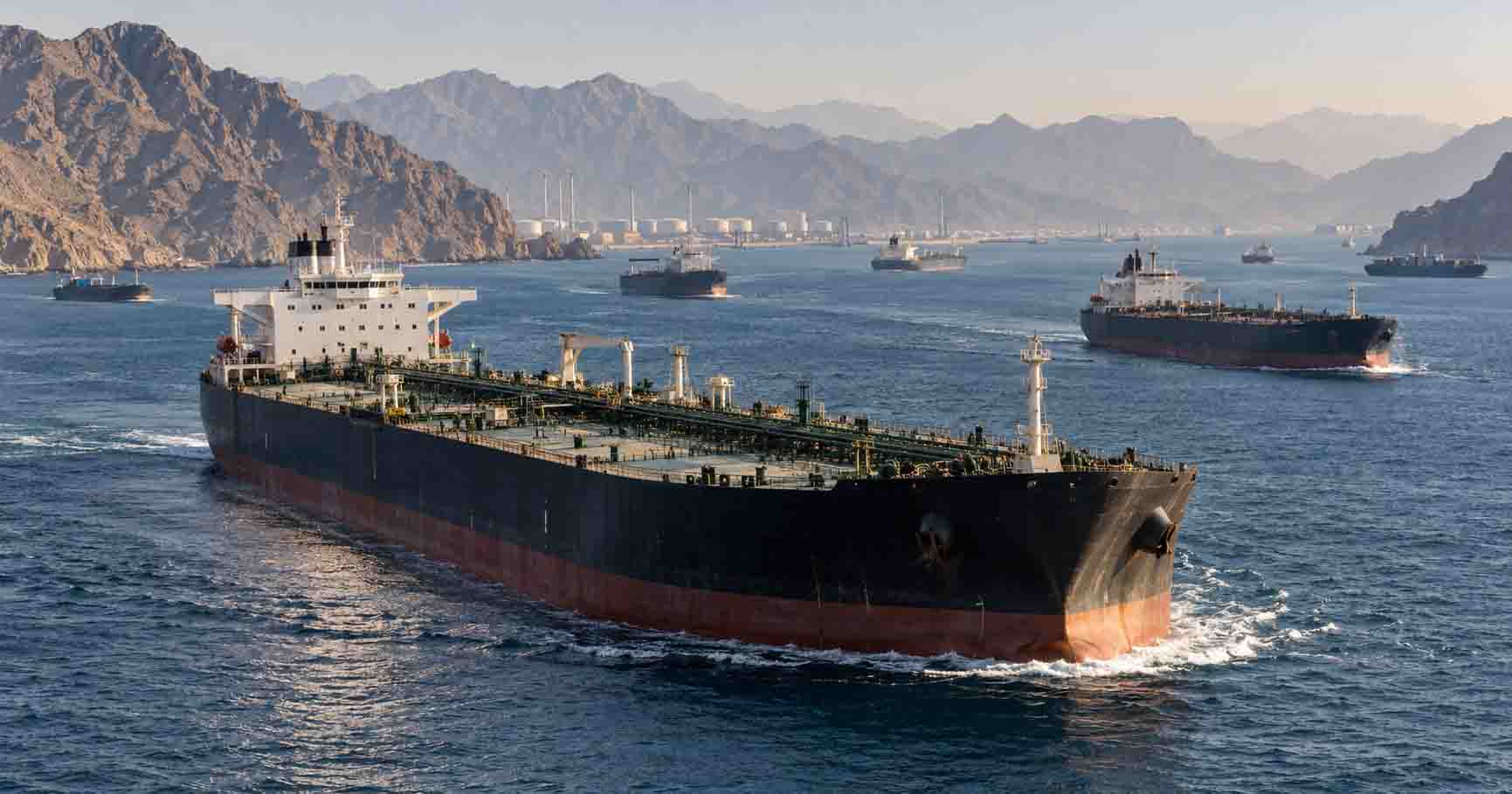
Trump’s latest remarks coincided with continued international attention on security in the Strait of Hormuz, one of the world’s most strategically important maritime corridors for oil and natural gas transportation. A significant share of global energy exports passes through the narrow waterway each day.
The U.S. president said the United States “controls the Strait of Hormuz” and would continue working to maintain that position. The remarks reflect the official U.S. position amid the ongoing confrontation with Iran. Iranian authorities had not issued an official response to Trump’s latest comments at the time this report was published.
The developments come as tensions continue to rise across the Gulf, fueling concerns that any prolonged disruption could affect commercial shipping, global energy supplies, and international trade. Financial markets continue to monitor developments closely for signs of potential impacts on oil prices and maritime transportation.
Market sentiment also reflected the geopolitical uncertainty, with oil prices extending gains for a fourth consecutive session as concerns persisted over possible disruptions to energy supplies moving through the Strait of Hormuz. Investors continue to monitor developments that could affect maritime traffic and global energy exports.
Profile News previously examined the market impact of the crisis in its report on rising oil prices amid escalating tensions in the Strait of Hormuz.
U.S.-Iran Escalation Continues
Trump’s remarks and The Wall Street Journal report come as the confrontation between the United States and Iran continues on both the military and political fronts. The latest developments follow a series of U.S. strikes inside Iran that Washington said targeted military capabilities, while Tehran described the attacks as a violation of international law and vowed to respond.
The Wall Street Journal also reported that the extended deployment includes naval forces, air defense units, and a squadron of fighter aircraft, aimed at preserving military options for the U.S. president as tensions with Iran continue, according to the newspaper.
At the same time, the U.S. administration continues to apply military and economic pressure on Iran while coordinating diplomatic efforts with regional and international partners. Tehran, meanwhile, maintains that it will continue defending its national interests and will not retreat under U.S. pressure.
As military operations and official statements continue, several countries have renewed calls for restraint and urged all parties to prevent the confrontation from expanding into a broader regional conflict.
Readers can also follow the latest developments through Profile News’ coverage of recent developments in relations between Iran and the United States.
What We Know So Far
- President Donald Trump said the U.S. military campaign against Iran “will not last long.”
- Trump stated that the United States “controls the Strait of Hormuz” and intends to maintain that position.
- The Wall Street Journal, citing people familiar with the matter, reported that the U.S. defense secretary has extended the deployment of American forces in the Middle East through 2027.
- The U.S. Department of Defense has not officially confirmed the newspaper’s report.
- The confrontation between Washington and Tehran continues alongside growing concerns over maritime security and global energy markets.
Why Is the Strait of Hormuz Strategically Important?
The Strait of Hormuz is one of the world’s most strategically important maritime chokepoints, linking the Arabian Gulf to the Gulf of Oman and the Arabian Sea. A substantial share of global crude oil and liquefied natural gas exports passes through the waterway each day.
For that reason, any military or security tensions affecting the Strait immediately raise concerns over global shipping routes, energy supply chains, and international oil markets. Even limited disruptions can influence freight costs, insurance premiums, and investor sentiment across global financial markets.
Governments, energy companies, shipping operators, and financial institutions continue to closely monitor developments surrounding the Strait of Hormuz as regional tensions between the United States and Iran persist.
Conclusion
President Donald Trump’s latest remarks, together with The Wall Street Journal’s report on the extension of U.S. military deployments in the Middle East, underscore the continued tensions between Washington and Tehran, with the Strait of Hormuz remaining at the center of international attention because of its strategic importance to global trade and energy markets.
Live Updates: Follow the latest developments involving Iran, the United States, and the Middle East through our 24/7 Breaking News page, which is continuously updated as new information becomes available.