U.S. Sanctions Tighten Pressure on Iran’s Economy as Oil Exports Decline
Profile News

The impact of tougher U.S. sanctions is becoming increasingly visible across Iran’s economy, with oil exports declining and growing pressure on financing networks and foreign trade. According to a Reuters investigation, three senior Iranian officials said the latest U.S. measures have placed Tehran under its most severe economic pressure in years.
The developments come as the United States continues expanding its economic and financial sanctions on Iran in an effort to reduce the country’s oil revenues and limit its ability to circumvent restrictions on foreign trade. Iranian officials, meanwhile, say economic pressures are intensifying amid ongoing regional tensions.
At the same time, uncertainty continues to weigh on global energy markets, with investors closely monitoring the impact of sanctions and geopolitical tensions on oil supplies and crude prices.
These developments are part of the broader regional events covered in the Daily Report – September 2, 2026, which highlighted the latest political and economic developments across the region.
Live Updates: Follow the latest developments through our Breaking News page.
U.S. Sanctions Enter a More Restrictive Phase
Reuters, citing three senior Iranian officials, reported that the latest U.S. measures have become increasingly effective in targeting the channels Iran has relied on for years to bypass sanctions, including international financing networks, front companies, and payment settlement systems.
According to the sources, the new restrictions have significantly reduced Tehran’s access to foreign currency while making it more difficult to finance imports and secure essential goods and raw materials, at a time when Iran’s economy remains heavily dependent on oil revenues and external trade.
The officials added that the cost of circumventing sanctions has risen sharply as authorities tightened oversight of intermediaries, shipping companies, and financial transactions, leaving Iranian institutions with fewer available options.
Declining Oil Exports Increase Pressure on Revenue
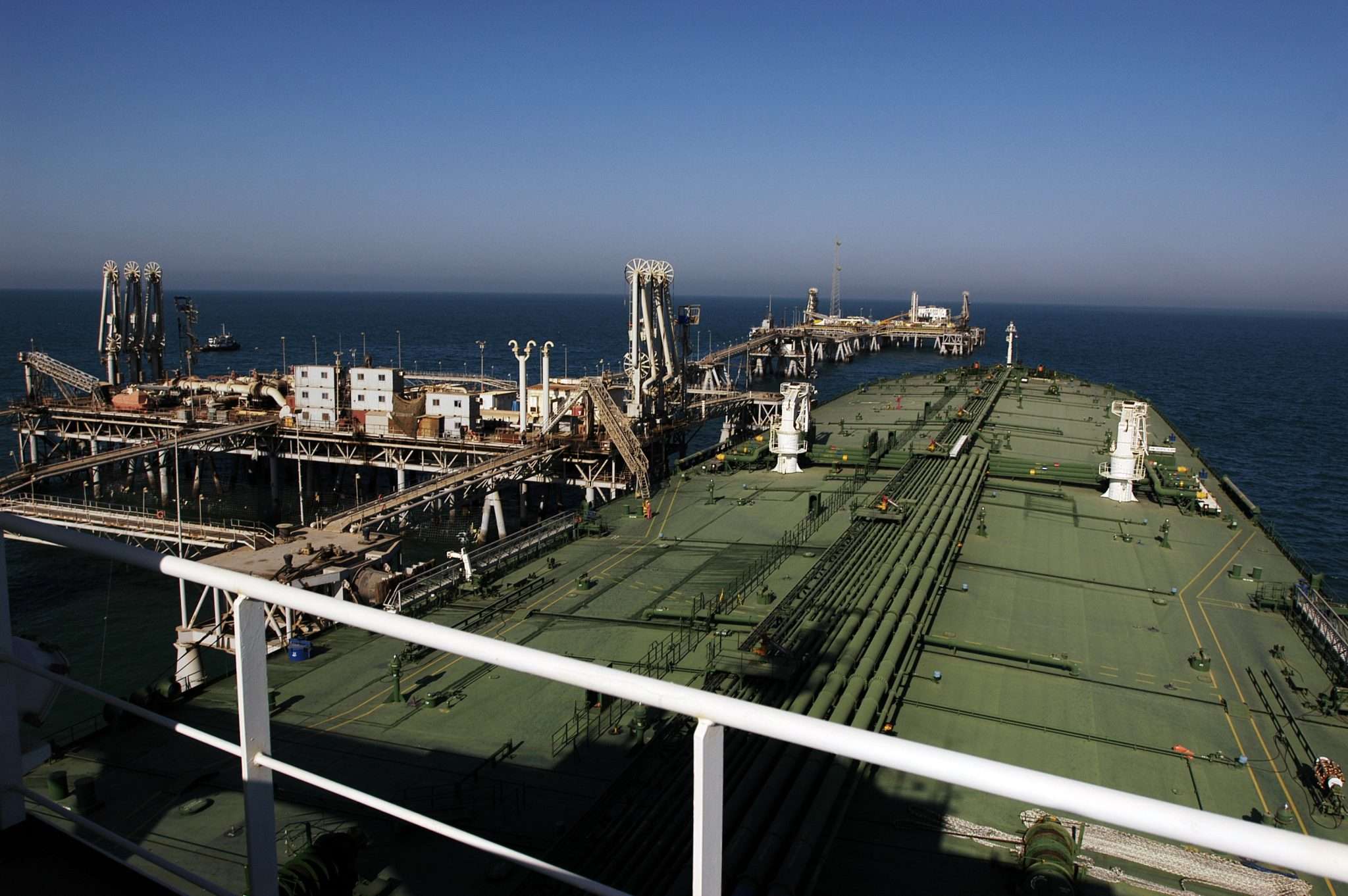
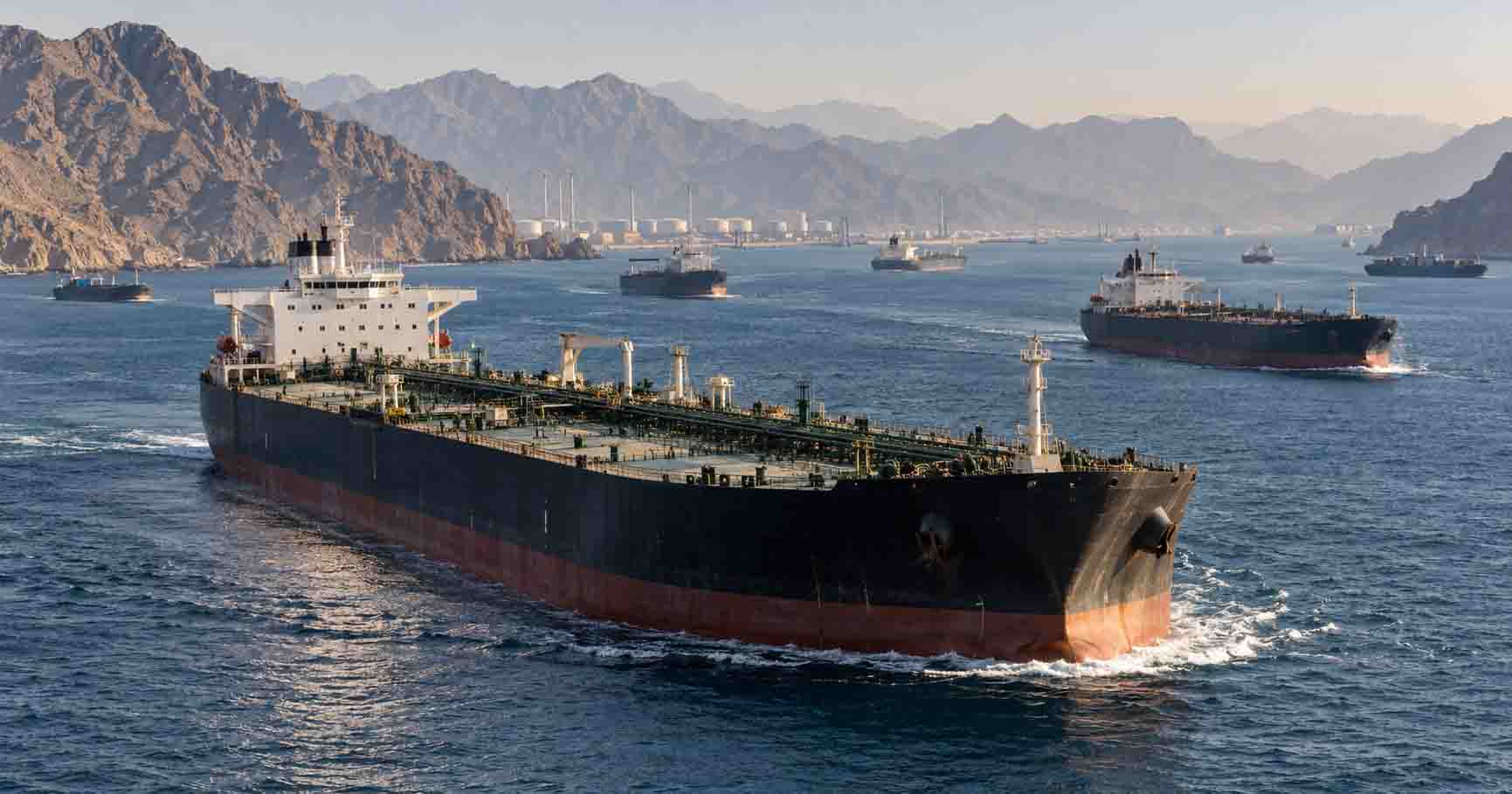
Reuters reported that the tighter U.S. sanctions have directly affected Iran’s oil exports, the country’s primary source of foreign currency earnings.
According to shipping analytics firm Kpler, Iranian crude exports fell to around 260,000 barrels per day this month, compared with approximately 1.7 million barrels per day during the same period last year.
The report said restrictions on shipping, insurance, and financial transactions have made Iranian oil more difficult to sell while increasing costs for intermediaries involved in marketing crude exports.
Although Iran still holds oil inventories in tankers outside the restricted areas, the sources said the latest sanctions have prompted many intermediaries to scale back their activities or demand significantly higher fees to continue handling Iranian cargoes.
The Rial and Inflation Add to Economic Pressure
Sources quoted by Reuters said Iran’s economy had already been under considerable strain before the latest escalation, with the national currency continuing to weaken and inflation remaining elevated before the tougher sanctions added further pressure on trade and the financial sector.
According to the report, the Iranian rial has fallen to record lows, while average inflation over the past twelve months reached 69.9%, driven by rising prices for food, beverages, and tobacco, significantly eroding household purchasing power.
The report also noted that average monthly wages no longer cover the basic living costs of many households, while unemployment has increased and labor force participation has declined compared with a year earlier.
Secondary Sanctions Narrow Trade and Financing Options
Reuters reported that the United States has expanded secondary sanctions in recent weeks targeting countries and entities conducting business with Iran, aiming to restrict the use of the U.S. dollar in oil transactions and financing essential imports.
Iranian officials said the measures have made existing sanctions-evasion networks—including front companies, unregistered oil tankers, and smuggling operations—far more expensive and difficult to maintain.
The report also said disruptions to regional trade channels have increased import costs and delayed shipments, directly affecting businesses and consumers across Iran.
Energy Markets Closely Monitor Developments
The economic developments coincide with continued uncertainty across global energy markets, where investors remain focused on potential disruptions to oil supplies amid regional tensions and tighter U.S. sanctions on Iranian crude exports.
At the same time, oil prices remained above $95 per barrel as investors continued assessing the impact of sanctions and geopolitical risks on global energy supplies.
Market participants say prolonged restrictions on Iranian exports could keep concerns over global supply-demand balances elevated, while investors continue monitoring geopolitical developments across the Gulf.
What We Know So Far
- Three senior Iranian officials say U.S. sanctions are exerting significantly greater pressure on Iran’s economy, according to Reuters.
- Iranian crude exports have fallen to around 260,000 barrels per day from approximately 1.7 million barrels per day a year ago, based on Kpler data cited by Reuters.
- The latest restrictions have made access to foreign currency and financing imports increasingly difficult.
- The United States continues expanding economic and financial sanctions targeting Iran.
- Global energy markets remain focused on the potential impact of these developments on oil supplies and prices.
Conclusion
Information reported by Reuters, citing senior Iranian officials and informed sources, suggests that U.S. sanctions have entered a more restrictive phase, increasing pressure on Iran’s economy by limiting oil exports, financing networks, and trade channels. As Washington continues tightening economic measures, markets remain closely focused on how Tehran responds and what the broader implications could be for global energy markets.
Sources