US-Iran Talks Move Again as Tehran Receives Response to Seven-Day Plan

US-Iran talks entered a new phase on September 30, 2026 after Iranian Foreign Minister Abbas Araqchi received Washington’s response through Qatari mediators to a proposed seven-day trust-building plan.
The latest development does not mean that a deal has been reached. Instead, negotiations have moved toward a more technical question: the order in which each side would carry out the proposed steps. Reuters reported that sequencing, rather than the components of the plan themselves, is currently the main sticking point.
US-Iran talks move to the sequencing of steps
An official briefed on the negotiations told Reuters that Araqchi met Qatari mediators in Doha on Tuesday night, where they conveyed feedback received from Washington.
Araqchi is expected to discuss the U.S. response in Tehran, while Qatar continues its mediation and message-shuttling efforts between the two sides.
U.S. President Donald Trump had previously rejected Iran’s initial proposal, but Qatari mediation continued afterward, keeping the diplomatic channel open.
What is Iran’s seven-day plan?
Iran presented the proposal during the United Nations General Assembly. It outlines a seven-day trust-building period intended to lead Washington and Tehran back toward an enhanced version of a memorandum of understanding reached in June.
According to Reuters, the Iranian proposal includes an end to hostilities in Iran and Lebanon, the unfreezing of billions of dollars in Iranian assets, an end to sanctions on Iranian oil and the lifting of the U.S. blockade on Iranian ports.
Iran would then allow the Strait of Hormuz to reopen to normal maritime traffic and the two sides would resume discussions over Iran, the Strait of Hormuz and nuclear negotiations.
The central dispute: who moves first?
The main obstacle in the latest round concerns the sequence in which the measures would be implemented.
The official cited by Reuters said the disagreement is centered on sequencing rather than on the individual components of the proposal.
Each side is therefore seeking assurances that reciprocal measures will follow before it takes steps involving sanctions, frozen assets, maritime passage or other sensitive issues.
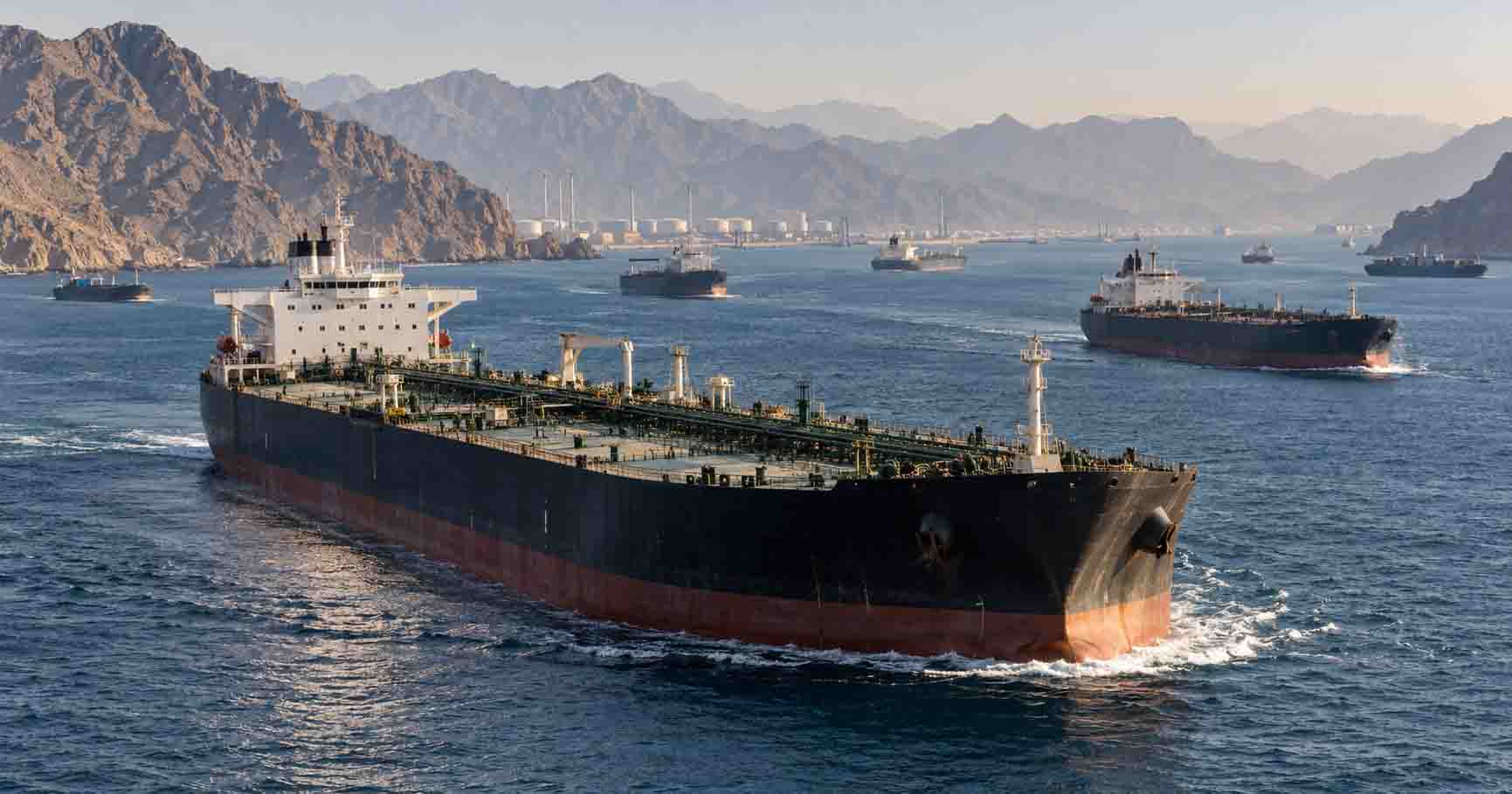
The Strait of Hormuz remains at the center
The Strait of Hormuz remains one of the most important elements in the negotiations because of its importance to international energy shipments and commercial shipping.
Iran has said restoring normal passage through the strait depends on its conditions being met, while the mediators are seeking a formula capable of reducing tensions and reopening maritime traffic.
Profile News has previously followed the broader Trump-Iran negotiations and the Strait of Hormuz as the waterway became increasingly tied to sanctions, security and diplomatic bargaining.
Qatar continues to carry messages
Qatar’s Foreign Ministry said Doha continues its mediation efforts between the United States and Iran with the aim of bridging differences and establishing common ground.
Foreign Ministry spokesperson Majed al-Ansari said recent days had included meetings and exchanges of messages between the parties, including contacts around the UN General Assembly in New York.
Qatar has said its goal is a peaceful solution that restores freedom of navigation through the Strait of Hormuz while addressing the security concerns of regional countries.
Sanctions remain a central bargaining issue
Economic measures remain one of the most difficult elements of the talks, particularly sanctions affecting Iranian oil exports, frozen assets and restrictions involving Iranian ports.
Trump has publicly denied reports that Washington offered sanctions relief to Tehran, underscoring the gap that remains between public positions and the proposals moving through mediators.
Any agreement would therefore need to establish what Washington would do on economic restrictions and what Tehran would do in return on maritime access, de-escalation and nuclear negotiations.
The nuclear issue returns to the negotiating track
The seven-day proposal also envisages renewed negotiations over Iran’s nuclear program.
Iran maintains that its nuclear program is peaceful, while the United States has made preventing Tehran from obtaining a nuclear weapon a central objective.
Reuters reported that the document now circulating is designed to return the two sides to an enhanced version of the June memorandum of understanding, which included provisions concerning both the Strait of Hormuz and Iran’s nuclear program.
Is an agreement close?
The latest developments do not establish that a final agreement is imminent. Washington’s response still has to be assessed in Tehran, the sequencing dispute remains unresolved and significant differences persist over sanctions, maritime security and the nuclear file.
What the exchange does show is that the diplomatic channel remains active and that negotiations have moved from presenting proposals toward discussing how they could actually be implemented.
As US-Iran talks move forward, the core question is increasingly practical: who takes the first step, and what guarantees that the other side will follow?
Sources
Reuters — Iran receives U.S. feedback on the seven-day trust-building plan and sequencing emerges as the main sticking point — September 30, 2026.
Reuters — Details of Iran’s proposal covering Hormuz, sanctions, frozen assets and nuclear talks — September 28, 2026.
Qatar Ministry of Foreign Affairs — Qatar confirms continuing mediation and message exchanges between Washington and Tehran — September 29, 2026.