US-Iran Talks Hit Major Differences as Pezeshkian Vows No Surrender

US-Iran talks remain far apart on how to end the war despite renewed diplomatic contacts on the sidelines of the United Nations General Assembly, as Iranian President Masoud Pezeshkian said Tehran remained open to negotiations but would not surrender under military pressure.
A senior Iranian official told Reuters that major differences persisted after indirect contacts in New York, while disputes over the Strait of Hormuz, U.S. pressure on Iran and the terms for ending hostilities remained at the center of negotiations.
The shift in tone followed optimism a day earlier after U.S. President Donald Trump said talks were continuing and that he believed a settlement could eventually be reached.
US-Iran talks remain far apart
A senior Iranian official said Tehran and Washington remained significantly divided over the terms needed to end the conflict, despite agreeing that diplomacy should continue.
The contacts involved intermediaries moving between U.S. and Iranian representatives on the sidelines of the U.N. meetings in New York.
They marked the first such exchanges since an earlier interim ceasefire collapsed during the summer.
Profile News previously covered Trump’s U.N. address and his latest position on a possible Iran agreement.
Pezeshkian says Iran will not surrender
Iranian President Masoud Pezeshkian used his U.N. General Assembly address to combine support for diplomacy with a rejection of negotiations conducted under military pressure.
He said Iran remained willing to engage in dialogue but would not surrender to threats.
Pezeshkian also said Iran sought nuclear energy for peaceful purposes rather than a nuclear bomb and argued that regional security should not be achieved at the expense of neighboring states.
Strait of Hormuz returns to center of negotiations
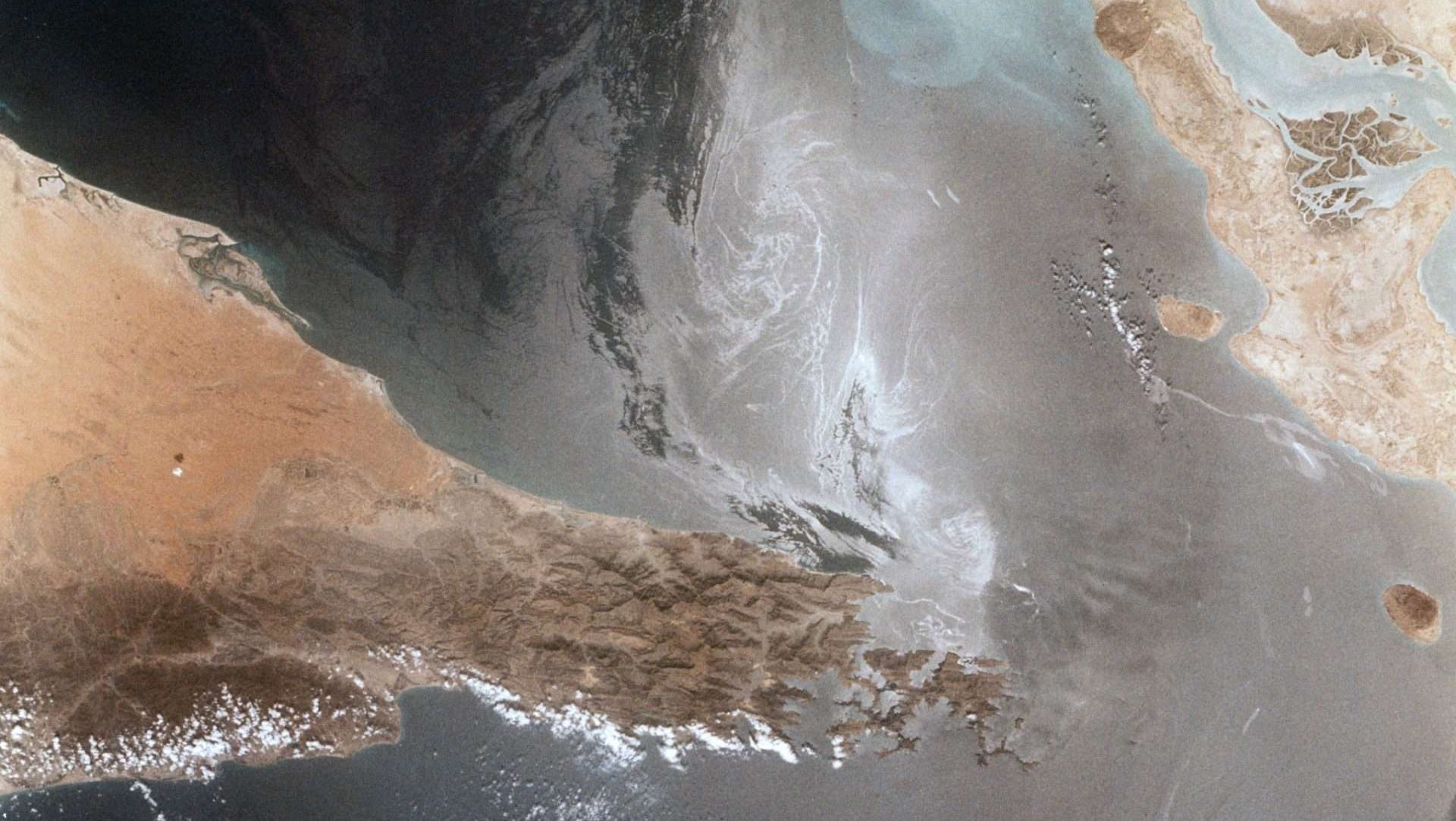
The Strait of Hormuz remains one of the most difficult issues in the negotiations.
An Iranian national security official said Tehran would not fully reopen the waterway unless Washington accepted its conditions, describing the strait as leverage and a guarantee in negotiations.
Iranian officials also said discussions in New York were intended to clarify Tehran’s conditions to Washington.
The U.S. secretary of state, meanwhile, said Washington would continue defending maritime straits and ensuring freedom of navigation.
He also said the southern passage of the Strait of Hormuz remained open.
Washington says an agreement will take sustained work
U.S. officials also pushed back against expectations of an immediate breakthrough.
The secretary of state said reaching an agreement with Iran would require sustained work over time and noted that Trump retained several options, including military measures.
The comments underscored Washington’s effort to keep diplomacy open while maintaining military and economic pressure.
What separates the two sides?
Iran is linking progress to reduced U.S. military pressure, relief from restrictions affecting its economy and ports, and agreements over navigation through the Strait of Hormuz.
Washington continues to emphasize preventing Iran from obtaining a nuclear weapon, keeping international shipping routes open and addressing regional security threats.
The combination of nuclear, military, economic and maritime issues makes a comprehensive settlement more difficult than a simple ceasefire agreement.
Oil jumps as optimism fades
The political shift was quickly reflected in energy markets.
Brent crude settled 3.86% higher on Wednesday at $103.08 a barrel, while U.S. West Texas Intermediate rose to $92.16.
Traders reassessed the likelihood of a rapid diplomatic breakthrough after Pezeshkian’s speech and continued uncertainty over the Strait of Hormuz.
Diplomacy enters a harder phase
The latest developments mark a clear change from Tuesday’s optimism.
Tehran says it remains committed to diplomacy but will not negotiate under threats, while Washington says a deal is possible but continues to keep other options available.
The nuclear issue, the future of the Strait of Hormuz and the conditions for ending military operations and sanctions remain the central obstacles to a broader settlement.
Profile News is providing continuous updates through its 24-hour breaking news page.
Sources
- Reuters — Iran and U.S. remain far apart in peace talks
- Reuters — Pezeshkian vows no surrender while backing diplomacy
- Reuters — Oil rises as U.S.-Iran outlook shifts