Withdrawal or Repositioning? Seven Points Redraw the Border Scene in Southern Lebanon!

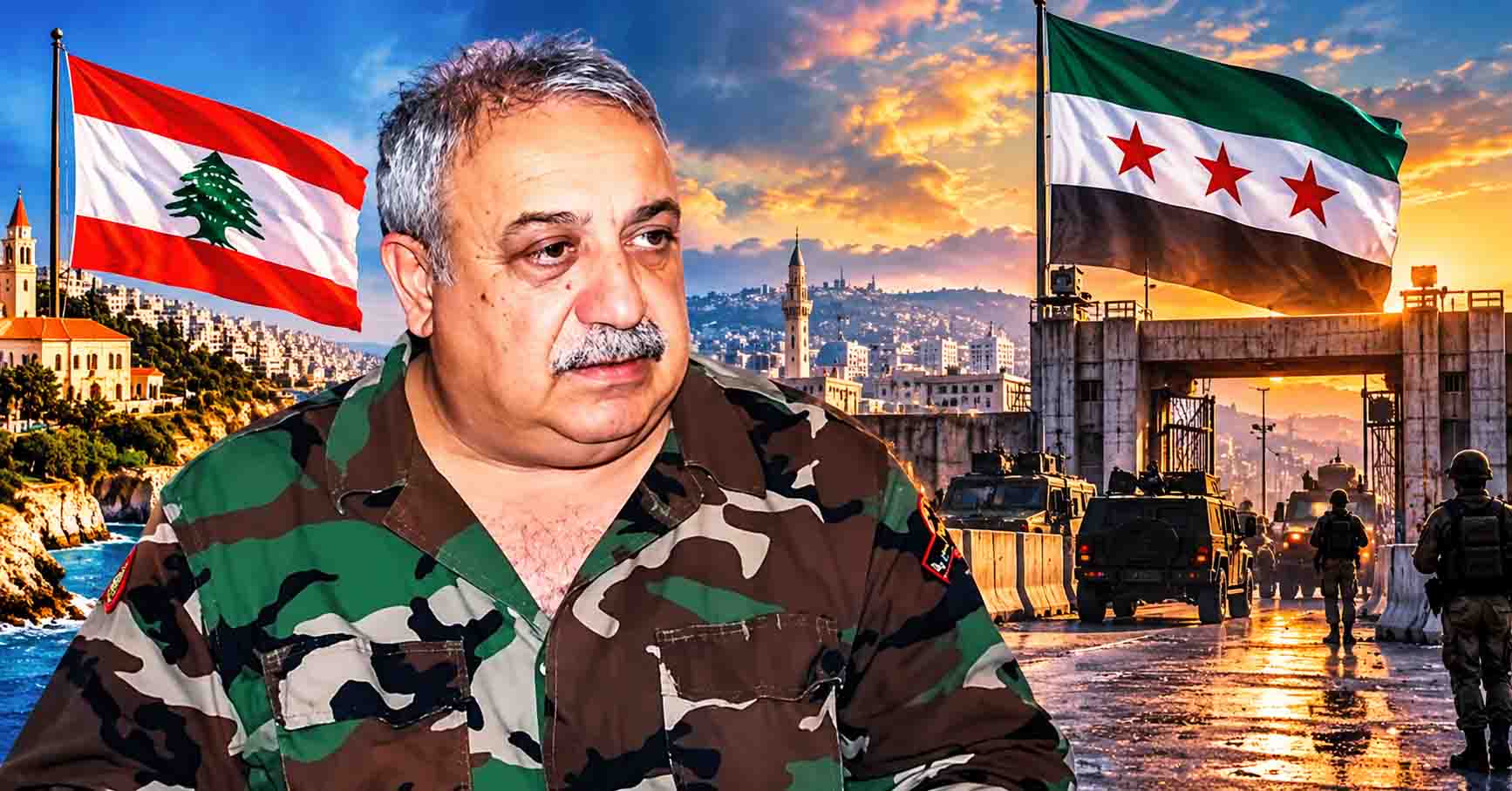
Partial Withdrawal or Military Tactic? Following the Israeli army’s announcement of its withdrawal from border villages in southern Lebanon, the Lebanese army entered these areas for the first time since the military escalation late last year, with the aim of securing and reasserting control. However, field data revealed that this withdrawal was not complete, as Israeli forces remain stationed at seven points inside Lebanese territory, rather than the five announced officially.
While the Lebanese army has deployed its troops, it faces significant logistical challenges, especially with the destruction of most of its border posts. In some villages, the destruction rate has exceeded 80%, complicating efforts to quickly redeploy and restore normal life in the region amid ongoing border tensions.
Seven Ambiguous Points… Repositioning or Imposing a New Reality?
Despite Israel confirming its withdrawal, security information reveals that it still maintains a military presence at seven strategic points, spread across the three border sectors:
- Hill of Hammamess (Eastern Sector) – A strategic point overlooking the settlements of Metulla and Kiryat Shmona.
- The town of Kafr Kila – An unannounced site, but it extends the border line.
- The Markaba area – A new military center was established near “UNIFIL”.
- Aytaroun (Jal al-Dair) – A recently cut-off area, despite Israel not declaring its forces’ presence there.
- Mount Blat – A vital observation point and used as an advanced defense line.
- Al-Zahira – An area where main roads were closed without official announcement of Israeli forces’ presence.
- Mount Labouna (Western Sector) – Offers a wide view of the border areas and nearby Israeli settlements.
These locations share the characteristic of being advanced observation points, but they do not possess decisive military features, suggesting that the motive behind their occupation could be as political as it is security-related. While Israel justifies its presence there for the protection of its northern settlements, some observers believe this move may be a preemptive step to impose a new reality that could be used later in future negotiations.
Post-withdrawal Challenges
Reconstruction and Security Risks As the Lebanese army enters the liberated areas, the extent of the damage becomes clearer, with all previous Lebanese military posts destroyed, forcing soldiers to use military vehicles as temporary shelters amid harsh weather conditions. Additionally, the presence of unexploded ordnance remains a constant danger to returning residents and deployed forces in the area.
In addition to securing the border, the Lebanese army is working on debris removal and road clearance, along with search and rescue efforts, during which several bodies were found, and people trapped in shelters since the start of the military escalation were rescued.
Has the Escalation Ended, or Is the Confrontation Ongoing?
What is happening on the border raises questions about the next phase: Does the Israeli withdrawal represent a step towards de-escalation, or is it merely a tactical repositioning that keeps the door open for new escalation possibilities? With seven military points remaining within Lebanese territory, it seems the border scene has yet to be resolved, making future developments dependent on political and military calculations.