


Canadian Tariffs on U.S. Goods Hit 50%: More Than 700 Products Targeted
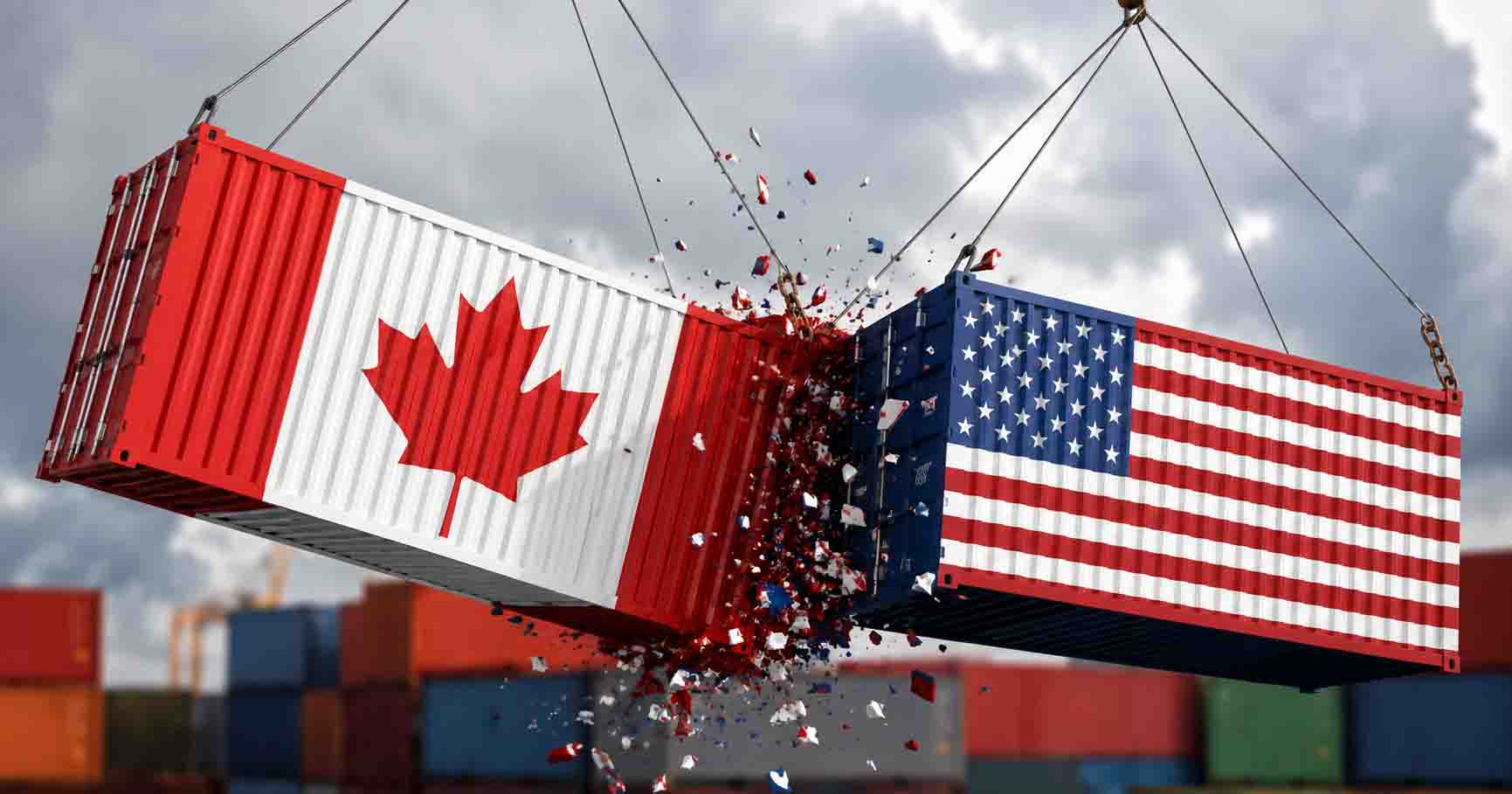
Canadian tariffs on U.S. goods are entering a new phase of escalation after Ottawa announced on August 25, 2026, that it would impose retaliatory tariffs of up to 50% on a broad range of imports from the United States in response to Washington’s latest trade measures against Canada.
According to Canada’s Department of Finance, the new tariffs will be imposed at rates of 15%, 25% and 50% beginning September 8, covering C$27.6 billion worth of U.S. imports. The measures will focus on sectors including steel, dairy products, appliances, agricultural equipment, pulp and paper, and electronics.
The decision goes beyond raising duties at the border. The Canadian government also announced an expanded C$7.5 billion support package for affected workers and businesses, signaling that Ottawa is preparing for the possibility of a prolonged trade dispute and its impact on sensitive domestic industries.
Canadian tariffs on U.S. goods: What did Ottawa decide?
The Canadian government said it would respond to the new U.S. tariffs on a “dollar-for-dollar and rate-for-rate” basis. The decision followed the United States’ imposition of 50% tariffs on C$27.6 billion worth of Canadian goods beginning August 22.
Under Canada’s measures, covered products will face different tariff rates of 15%, 25% or 50%, depending on the corresponding U.S. rate applied to the product. The measures will take effect at 12:01 a.m. on September 8, 2026.
The government said the tariffs would apply to covered goods of U.S. origin on the official list, while the new measures would not apply to U.S. goods already in transit to Canada when the tariffs take effect.
Which U.S. goods will face tariffs of up to 50%?
Canada’s list shows that the trade dispute extends across a wide range of products rather than being confined to a single sector. The main categories include steel, aluminum, dairy products, appliances, agricultural equipment, pulp and paper, and electronics, along with other consumer and industrial goods.
The Department of Finance said products subject to the 50% rate include steel and aluminum goods that were previously subject to 25% counter-tariffs, as well as furniture and clothing.
The 25% rate covers products including appliances, dairy goods such as cheese, fish and seafood, and certain steel and aluminum derivatives. The official list contains hundreds of detailed tariff classifications, each with a designated rate that will apply once the measures take effect.
Ottawa also said existing counter-tariffs on other U.S. products, including automobiles, would remain in place.
Why did Canada respond so quickly?
The decision followed a breakdown in trade talks between the two countries. The Canadian government said it had negotiated with the United States in pursuit of a comprehensive trade agreement but suspended the talks after concluding that the new U.S. terms did not serve Canada’s economic interests.
Canadian Finance and National Revenue Minister François-Philippe Champagne said Canada chose to respond after the United States, in his words, asked for too much while offering too little in return. Ottawa says the countermeasures are intended to protect workers, producers, businesses and industries affected by U.S. tariffs.
The move puts economic relations between the two countries into a more complicated phase because the United States and Canada have deeply integrated supply chains across multiple industries. That means the impact of any sustained increase in tariffs could extend beyond the value of the goods included on the tariff lists themselves.
Steel and aluminum at the center of the trade dispute
Steel and aluminum feature prominently in the new measures. The Canadian government raised counter-tariffs on products in both sectors from 25% to 50%, reflecting the central role of metals in the escalating trade dispute between the two countries.
The measures, however, extend beyond raw metals and basic products to certain industrial derivatives used in manufacturing and supply chains. Companies will therefore need to review tariff classifications and product origins to determine which rate applies to each import.
This is particularly significant because tariffs can move through the production chain, from the importer to manufacturers or distributors, before part of their potential impact appears in prices or purchasing and investment decisions.
Canada announces C$7.5 billion to address tariff fallout
The Canadian government did not limit its response to counter-tariffs. It also announced a C$7.5 billion package to support workers and businesses affected by U.S. trade measures.
The package includes an additional C$1.5 billion through the Regional Tariff Response Initiative, C$500 million through a Business Development Bank of Canada liquidity program and C$2 billion for the Canada Strong Diversification Fund.
The government also allocated C$3.5 billion for rapid-response measures targeting workers and employers, including income support, training and programs designed to help businesses retain employees during the disruption.
The government says the new measures come on top of nearly C$25 billion in support provided since earlier U.S. tariffs began taking effect.
Could the escalation push Canada to diversify its economic ties?
The support package includes an element that goes beyond addressing immediate losses. Ottawa allocated C$2 billion to a fund designed to help tariff-affected businesses carry out projects and support economic diversification.
The move comes as international capital and investment continue to shift across multiple sectors. In a separate development, Profile News has tracked multibillion-dollar international investment moves and changing capital trends, a different economic issue that nevertheless illustrates the importance of diversifying markets and investment in an increasingly uncertain global trade environment.
Canada’s announcement does not mean diversification can quickly replace its trading relationship with the United States. It does, however, show that the government wants to combine a tariff response with support aimed at helping businesses adapt to trade disruptions.
Will Canadian consumers pay the price for the tariffs?
It cannot be assumed that every tariff will automatically be passed on to consumers at the same rate. The outcome depends on the type of product, an importer’s ability to switch suppliers, corporate margins and the availability of Canadian alternatives or imports from other markets.
However, tariffs directly increase the cost of importing covered goods from the United States, leaving importers with several options: absorb part of the cost, pass it along through other stages of the supply chain or seek alternative sources.
The months following the implementation of the tariffs will therefore be important in determining their actual effect on prices, production and imports, rather than drawing definitive conclusions from the tariff rates alone.
Why does the dispute cover more than 700 products?
The large number of tariff classifications makes the announcement broad in scope, but the more significant economic factors are the types of industries targeted and the C$27.6 billion value of the imports covered.
Steel, aluminum, equipment, appliances and electronics are not all final consumer products. Some are used in production, business operations and supply chains. The effects of the tariffs could therefore be distributed differently among importers, manufacturers, businesses and consumers depending on the sector.
The trade developments also come as Canada faces other domestic challenges. Profile News has separately covered developments in Canada’s 2026 wildfires and their impact, as authorities deal with simultaneous economic and domestic issues.
What happens after September 8?
The tariffs’ implementation will provide the first practical test of how the measures affect U.S. imports into Canada. Importing companies will have to apply the new rates based on tariff classifications and country of origin, while a Canadian mechanism for considering exceptional tariff-remission requests will remain available under government rules.
At the same time, the future of trade negotiations remains a major factor. Tariffs can be modified or removed if the two sides later reach an agreement, but the current announcement does not include a new deal or a timetable for resuming negotiations.
More broadly, any further escalation could increase uncertainty for companies that depend on cross-border supply chains, particularly in industries where Canada and the United States exchange materials and components at different stages of production.
Canadian tariffs on U.S. goods: Where does the dispute go next?
The Canadian tariffs on U.S. goods represent a direct response to measures taken by Washington, but they also open a new phase in a trade dispute between two economies with closely connected production and commercial ties.
Canada’s decision is clear in both scale and timing: C$27.6 billion worth of U.S. imports will face tariffs of 15%, 25% and 50% beginning September 8, alongside a C$7.5 billion domestic support package.
The larger economic question will emerge after implementation: Will the tariffs push the two sides back to the negotiating table, or will the range of affected products and industries expand? The answer will depend on Washington’s and Ottawa’s next steps and on how businesses in both countries adapt to higher trade barriers.
When do Canada’s new tariffs on U.S. goods take effect?
Canada’s counter-tariffs will take effect at 12:01 a.m. on September 8, 2026, according to the Department of Finance. They include rates of 15%, 25% and 50%, depending on the product and the corresponding U.S. tariff rate. The new measures will not apply to U.S. goods already in transit to Canada on the date the tariffs take effect.
How much U.S. trade is covered by Canada’s tariffs?
The measures cover C$27.6 billion worth of imports from the United States. The list includes sectors such as steel, aluminum, dairy products, appliances, agricultural equipment, pulp and paper, and electronics, among other goods. Not all products will face the 50% rate, as tariffs vary between 15%, 25% and 50% depending on each product’s classification.
Why did Canada impose tariffs of up to 50% on U.S. products?
The Canadian government said the measures were introduced in response to the United States’ decision to impose 50% tariffs on C$27.6 billion worth of Canadian goods beginning August 22. Ottawa says it will match the U.S. measures dollar for dollar and rate for rate to protect affected industries, workers and businesses after suspending trade negotiations with Washington.
Sources
- Department of Finance Canada
Official announcement on the countermeasures and support package for workers and businesses:
Canada announces targeted countermeasures in response to U.S. tariffs - Department of Finance Canada
Official list of U.S. products and tariff rates taking effect September 8, 2026:
List of products from the United States subject to counter-tariffs - Reuters
Coverage of Canada’s announcement of retaliatory tariffs and its economic support package.