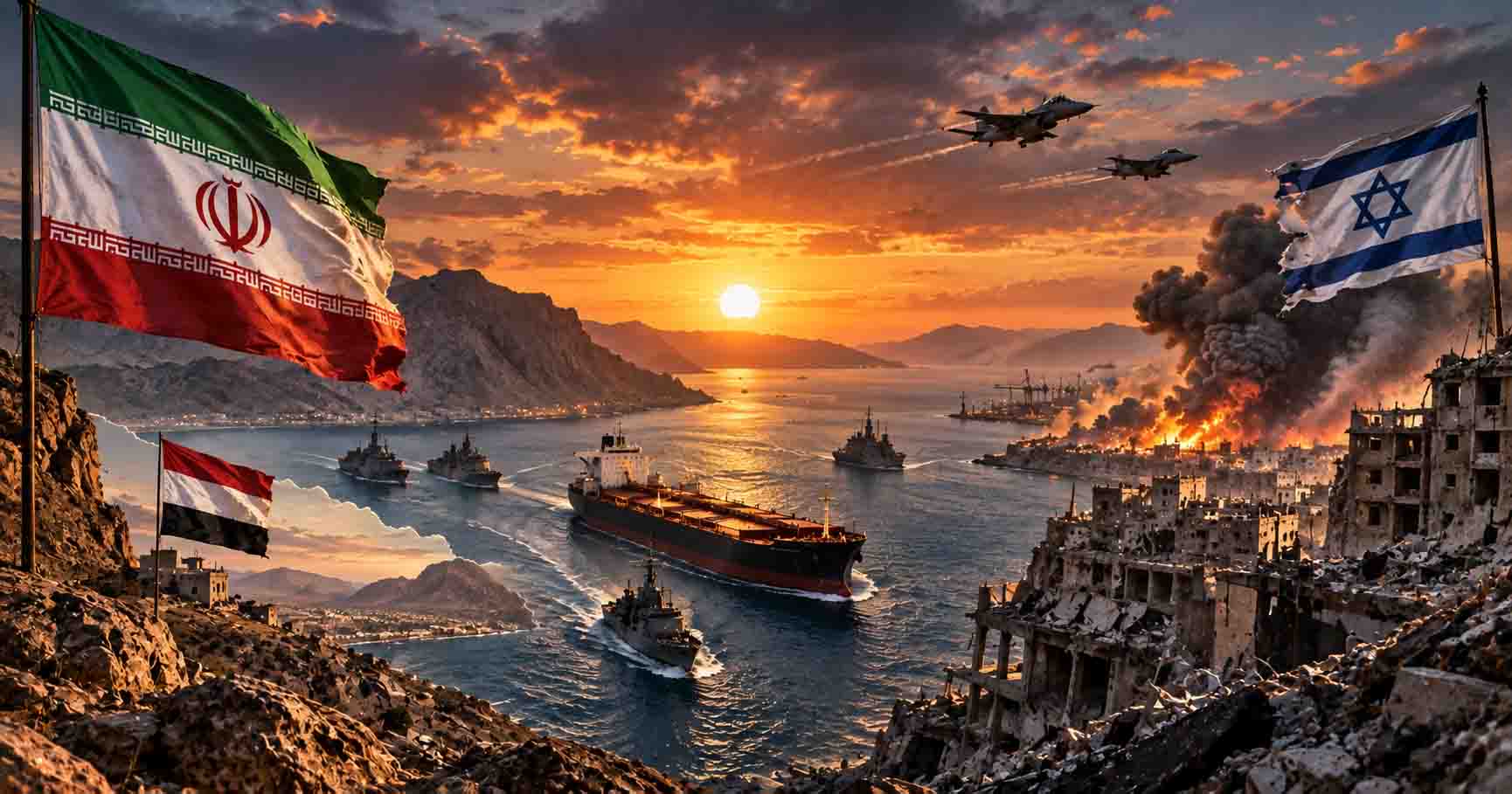


Saudi Oil Pipeline Attack: Trump Points to Iran, but Who Targeted East-West?
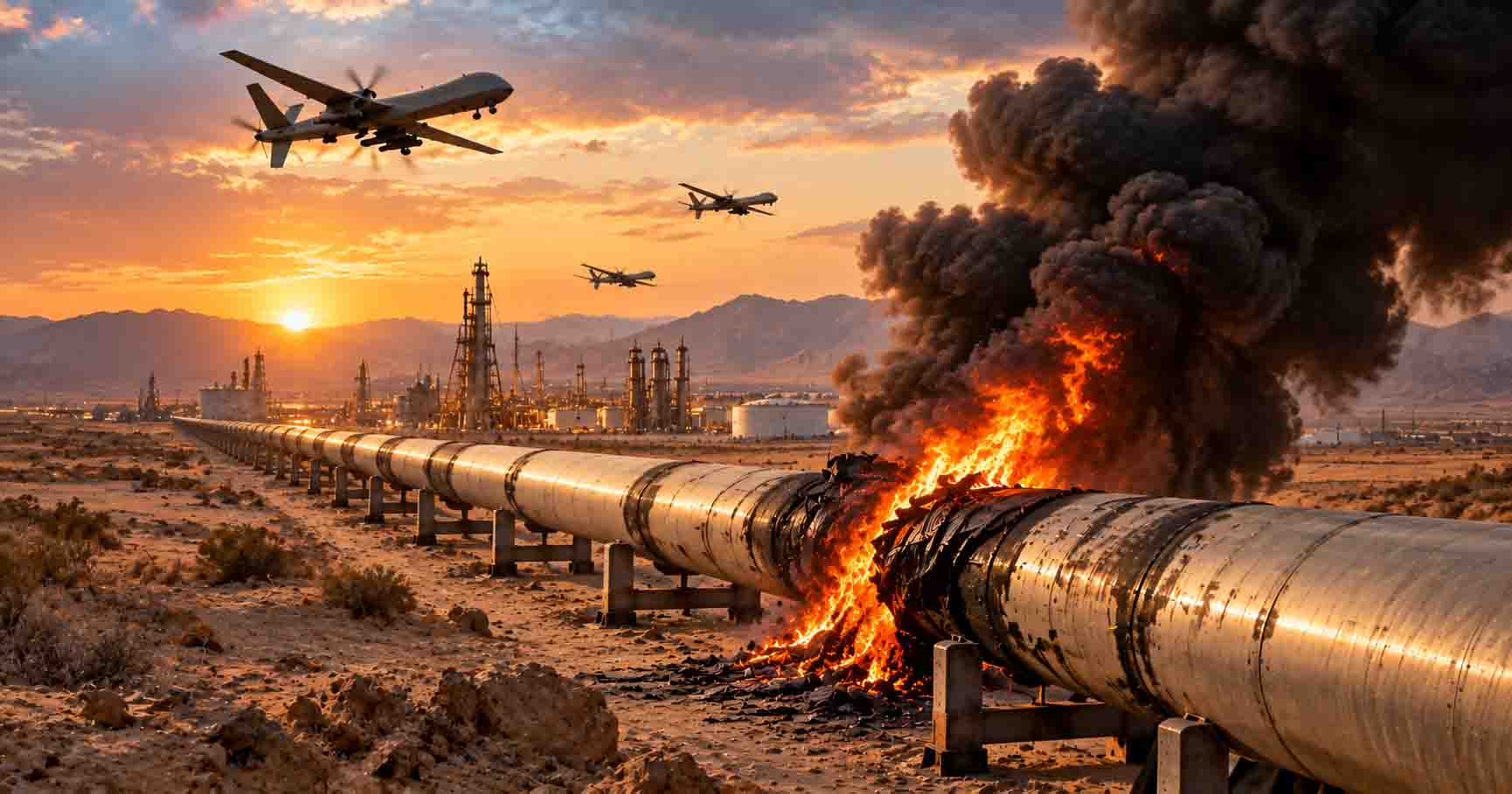
Saudi oil pipeline infrastructure has become a new flashpoint in the regional confrontation after drones launched from Iraq struck the kingdom’s East-West pipeline, according to Riyadh and Baghdad. The pipeline is one of Saudi Arabia’s most important routes for transporting crude to the Red Sea. But a critical question remains unanswered: Who was behind the attack?
U.S. President Donald Trump pointed toward Tehran, saying Iran was “probably” behind the attack, without presenting public evidence establishing its responsibility. No group has claimed responsibility for the strike, while Iran-backed Iraqi armed groups have denied carrying it out.
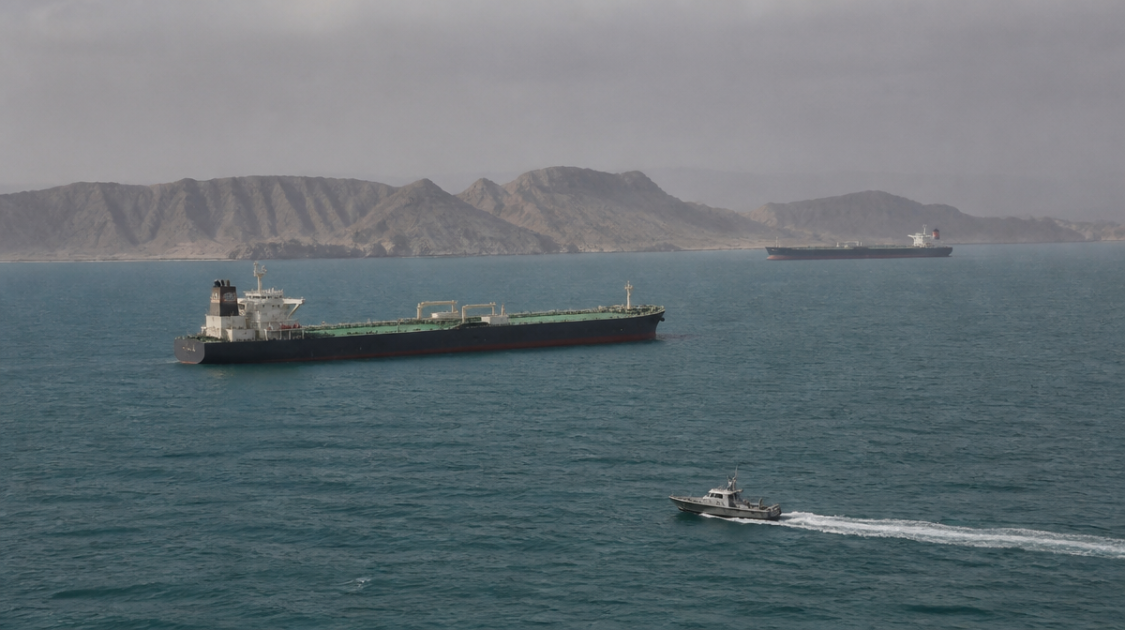
The significance of the attack extends beyond its location inside Saudi Arabia. The pipeline, which runs across the kingdom, has become increasingly important amid disruptions to shipping through the Strait of Hormuz, making it one of Saudi Arabia’s key routes for moving oil to the Red Sea without passing through the strait.
Trump Points to Iran, but Who Carried Out the Attack?
Speaking to reporters in Dublin, Trump said Iran was “probably” responsible for the attack and disclosed that he had spoken with Saudi Crown Prince Mohammed bin Salman.
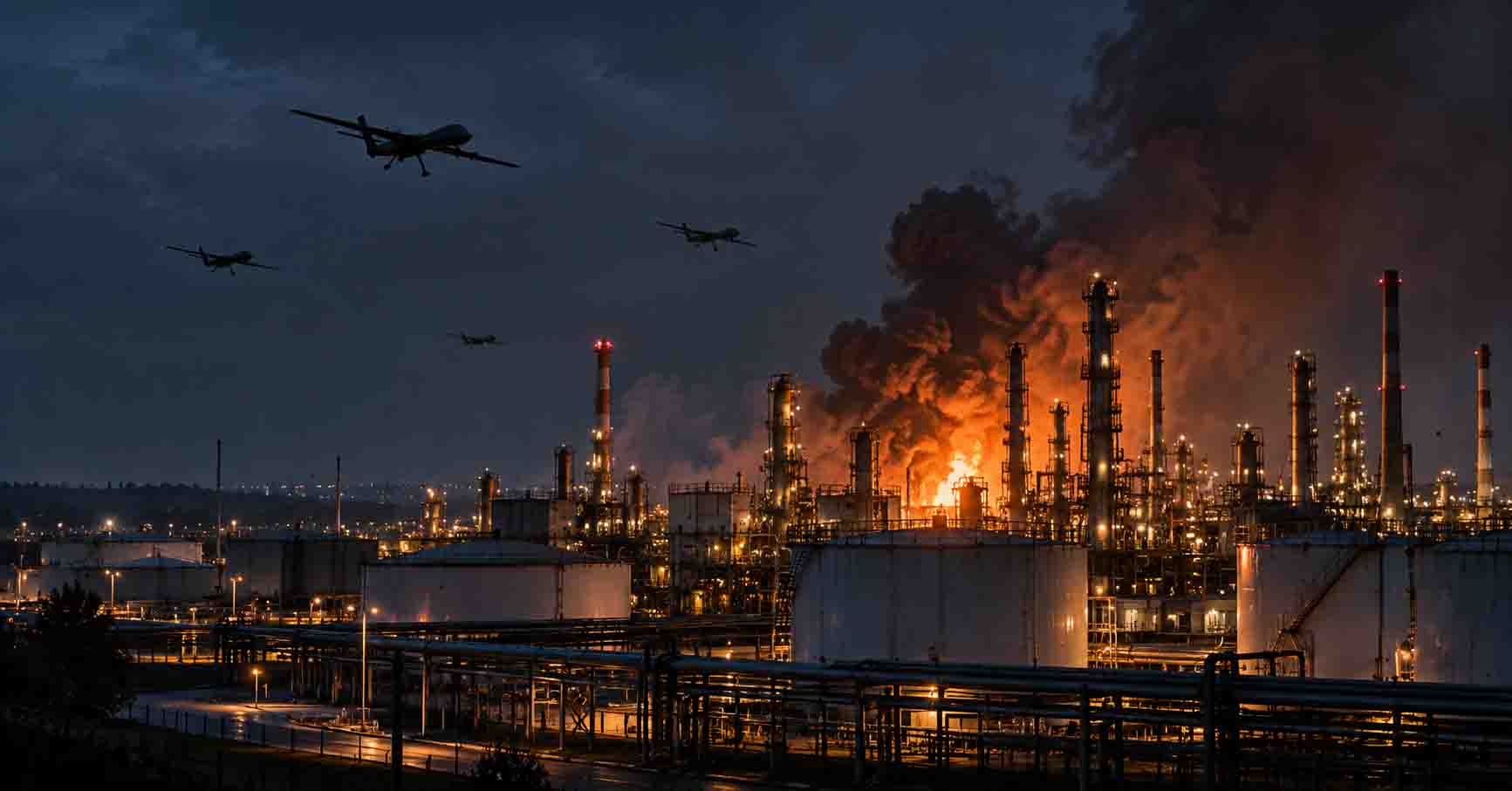
But the information made public so far distinguishes between where the drones were launched and who carried out the attack. Saudi Arabia said several drones were launched from Iraqi territory and targeted the pipeline in the Riyadh and Medina regions, causing injuries and material damage.
Baghdad also confirmed that the attack originated from Iraq and opened an investigation to identify those responsible. A military commander responsible for operations in the southern province of Maysan was also dismissed as the Iraqi government faces pressure to prevent its territory from being used to launch attacks against neighboring countries.
Iran-backed Iraqi armed groups accused of being behind the attack have denied responsibility. Direct responsibility for the strike has not been publicly established, either for Iran or for any specific Iraqi faction.
Saudi Oil Pipeline: Why Is the East-West Route Strategically Important?
The East-West pipeline stretches about 1,200 kilometers across the Arabian Peninsula, connecting oil fields in the kingdom’s east with export facilities on the Red Sea coast.
In recent months, the pipeline has carried about 4 million to 5 million barrels per day, according to ship-tracking data and analyst estimates cited by Reuters, an amount equivalent to roughly 4% to 5% of global oil supplies
That capacity has become increasingly important as Saudi Arabia and other Gulf states reassess their export routes alongside developments affecting Saudi and Emirati oil and the routes used to reach international markets.
Hormuz Disrupted as Saudi Alternative Comes Under Attack
The timing of the strike adds to its significance. The East-West pipeline has helped Saudi Arabia bypass bottlenecks affecting tanker traffic through the Strait of Hormuz during the war between the United States and Iran, increasing its importance to energy security.
Targeting the pipeline therefore puts pressure on a route designed to reduce the kingdom’s reliance on Hormuz. On the other side of the Arabian Peninsula, the Houthi advance near Bab el-Mandeb has increased concerns about the maritime route connecting the Red Sea with the Suez Canal.
Saudi energy exports are therefore facing pressure at multiple points: disruption in Hormuz to the east, growing risks around Bab el-Mandeb to the west, and a direct attack on the pipeline providing an overland connection between the two coasts.
Saudi Arabia Shuts Pipeline but Delays Response
Saudi Arabia’s Energy Ministry said the East-West pipeline was shut as a precaution following the attack, while the Foreign Ministry said the strike caused injuries and damage that were still being addressed.
Despite the seriousness of the attack, Riyadh said it had chosen not to respond at this stage after the Iraqi prime minister asked for time to allow Baghdad to take the necessary measures to prevent further attacks from being launched from Iraqi territory.
Saudi Arabia also stressed that it retained the right to take necessary measures to protect its sovereignty, security and infrastructure, leaving open the possibility of further action if Iraqi measures fail to produce results.
What Does the Attack Mean for the Oil Market?
Pressure on the East-West pipeline comes at a particularly sensitive time for energy markets, amid disruptions to export routes and heightened geopolitical risks. Any reduction in Saudi Arabia’s ability to move crude carries additional weight because the kingdom is the world’s largest oil exporter and a leading member of OPEC+ and its oil production policy.
The ultimate impact, however, will depend on how long the pipeline remains shut, the extent of the damage and Saudi Arabia’s ability to restore operations. Its temporary closure therefore cannot yet be treated as a permanent loss of millions of barrels of supply.
Who Targeted the East-West Pipeline?
What has been established so far is the route of the attack rather than the identity of those behind it: Riyadh and Baghdad say the drones came from Iraqi territory, the Iraqi government is investigating those responsible, and Iran-backed Iraqi armed groups have denied carrying out the strike.
Trump went a step further by pointing to Iran as the likely party responsible. The outcome of Iraq’s investigation could shape not only the question of attribution, but also Saudi Arabia’s response to an attack on infrastructure that has become increasingly important as pressure mounts around Hormuz and the Red Sea.