


Genetic Code Breakthrough: Nature Study Could Transform Drug Development
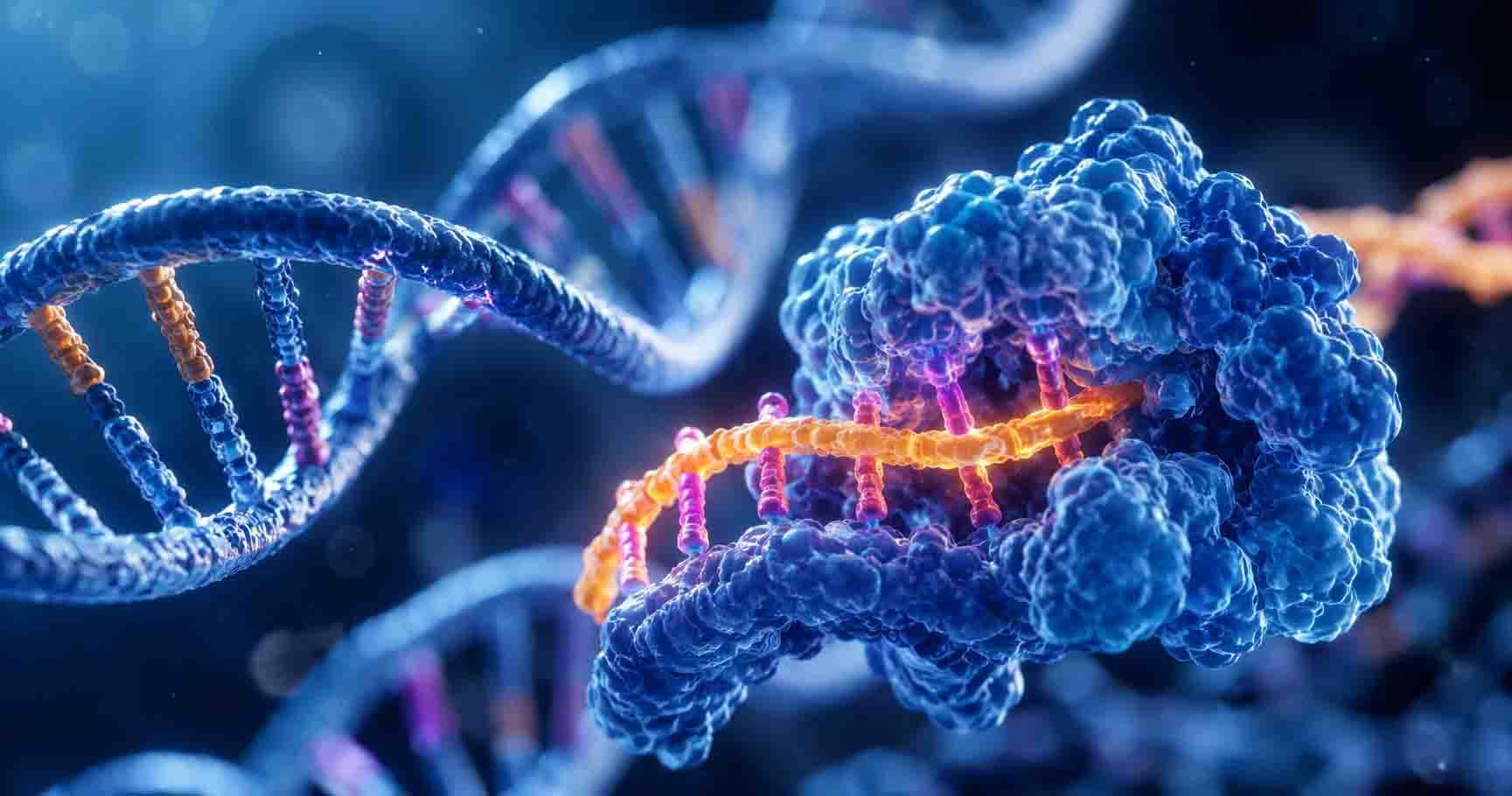
A new study published in Nature could expand the possibilities for drug development by enabling researchers to redesign and test alternative genetic codes outside living cells.
The study, published in Nature, describes how the research team developed an automated platform capable of testing multiple genetic code designs using cell-free translation systems, eliminating the need to modify the entire genome of living organisms during the early stages of research.
The paper concludes the approach could provide a faster and more efficient way to evaluate new genetic codes before moving to experiments in living cells, potentially supporting the future development of therapeutic proteins and novel biomaterials while advancing research related to precision medicine.
What Is the Genetic Code?
The genetic code is the biological system that living organisms use to translate genetic information stored in DNA into proteins that perform essential cellular functions. The process relies on 64 codons that encode 20 amino acids, along with start and stop signals for protein synthesis.
Although this system has remained remarkably stable over billions of years of evolution, synthetic biologists have been working to redesign it to produce proteins with properties not found in nature.
How Did Researchers Reach These Findings?
The study relied on developing an experimental platform that operates outside living cells, allowing researchers to design and automatically test large numbers of genetic codes before considering their application in living organisms.
The team used cell-free translation systems together with transfer RNA (tRNA) molecules, enabling them to measure the ability of newly designed genetic codes to direct protein synthesis under controlled laboratory conditions.
This approach reduces the need for direct genetic modification of living organisms during the early stages of research, giving scientists greater flexibility to test multiple hypotheses in a shorter period of time.
What Did the Researchers Discover?
The findings showed that certain components of the genetic translation system are more adaptable than previously believed. Researchers successfully modified portions of transfer RNA molecules while preserving their ability to carry amino acids and participate in protein synthesis.
The team also tested genetic codes that use fewer natural codons while demonstrating the possibility of reassigning other codons to incorporate amino acids that do not exist in nature. According to the study, this could expand the future design of engineered proteins.
The researchers said the approach provides a practical framework for rapidly testing different genetic code designs without rebuilding an organism’s entire genome for each experiment, potentially reducing the time required for fundamental research in this field.
Why Are These Findings Important for Life Sciences?
The study provides researchers with a new way to test ideas for redesigning the genetic code more efficiently, which could accelerate research in synthetic biology, genetic engineering, and therapeutic protein development.
According to the study evaluating genetic codes in a controlled laboratory environment before applying them in living cells could shorten the time needed to develop new applications while improving understanding of the relationship between the genetic code and protein function. This may ultimately contribute to research on advanced biological therapies and inherited diseases.
Could the Research Lead to New Drugs?
The study does not describe a new drug or a ready-to-use medical technology. Instead, it introduces a research tool that could help scientists accelerate fundamental studies on redesigning the genetic code. The researchers emphasized that any future medical or industrial applications will require additional studies to verify their effectiveness and safety before practical use.
Experts said this type of research provides a scientific foundation that could eventually support the development of more precise and targeted therapies alongside rapid advances in modern therapeutic research.
What Are the Potential Future Applications?
- Developing therapeutic proteins with new properties.
- Designing more efficient industrial enzymes.
- Expanding applications of synthetic biology.
- Producing biomaterials with properties not found in nature.
- Accelerating research in genetic engineering.
Although these applications remain at the fundamental research stage, they could eventually improve understanding of the mechanisms behind inherited diseases and age-related disorders, complementing research highlighted by Profile News on midlife dementia risk factors.
What Limitations Did the Study Identify?
The researchers explained that the experiments were conducted using cell-free translation systems, allowing genetic codes to be tested under controlled laboratory conditions. However, they cautioned that the findings do not necessarily indicate that the same results would occur in living organisms.
The team added that translating these findings into biological or medical applications will require additional studies to better understand how newly designed genetic codes interact with complex cellular systems, as well as further evaluation of their efficiency, stability, and safety.
What Are the Implications?
The study indicates that redesigning the genetic code has become more practical to investigate thanks to new laboratory methods. However, it does not imply that scientists have altered the genetic code of living organisms or achieved a technology ready for clinical use.
The findings mark another step in synthetic biology research in synthetic biology by providing researchers with a more flexible way to study genetic systems and evaluate alternative genetic code designs before testing them in living cells. Even so, moving from laboratory findings to medical or industrial applications will depend on future studies that determine the effectiveness and safety of these approaches.
Frequently Asked Questions
What is the genetic code?
The genetic code is the biological system that determines how genetic information stored in DNA is translated into proteins responsible for carrying out essential cellular functions.
Did researchers change the genetic code of living organisms?
No. The study was limited to testing alternative genetic codes in cell-free translation systems and did not involve redesigning the complete genome of living organisms.
Does the study result in a new treatment?
No. The study does not present a new drug or medical treatment. Instead, it introduces a research methodology that could help accelerate future development of therapeutic proteins and other biotechnology applications following additional research.