

Oil Tops $108 as Gold Slides and Wall Street Comes Under Pressure
Oil above $108 a barrel is reshaping global markets, with Brent crude jumping more than 3% on Monday as gold fell sharply and U.S. stock futures declined, while the Federal Reserve approaches an interest rate decision that could be one of the most consequential for markets in months.
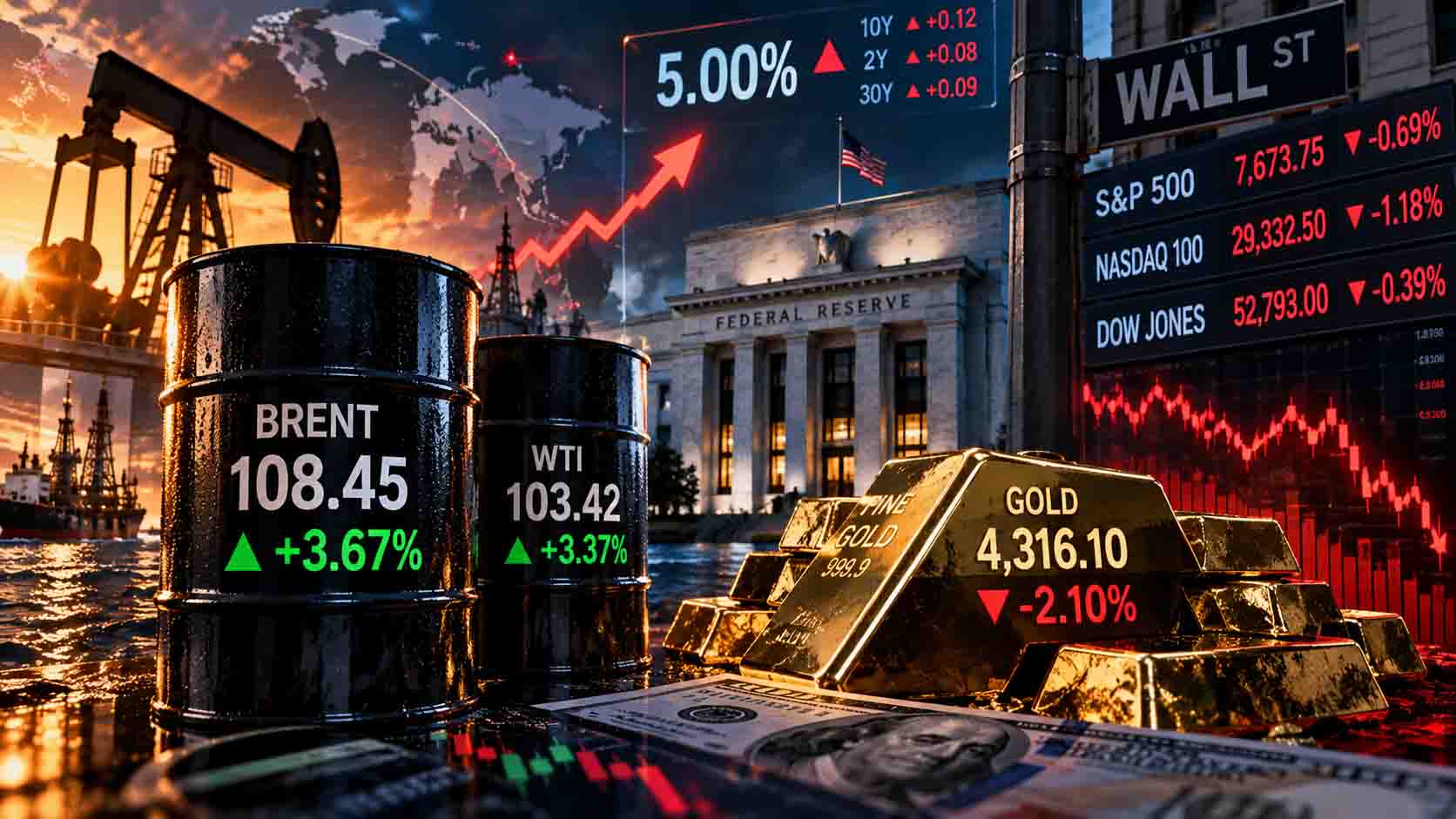
The latest market data showed Brent crude rising to about $108.45 a barrel, up 3.67%, while U.S. West Texas Intermediate (WTI) climbed to around $103.42. Gold futures, meanwhile, fell to about $4,316 an ounce.
The moves coincided with pressure on Wall Street, with S&P 500 futures down about 0.69%, Nasdaq 100 futures falling about 1.18%, and Dow Jones futures declining about 0.39%.
Oil Above $108 Fuels Inflation Concerns
The latest surge follows a rapid rally that pushed oil prices from below $100 a barrel into a range that poses greater risks to the global economy.
Profile News previously tracked the move as oil climbed above $90 a barrel, before gains accelerated amid growing risks to energy supplies in the Middle East.
The concern extends beyond the price of oil itself. Sustained crude prices above $100 increase fuel, transportation, shipping and production costs. Those increases can gradually feed through to the prices of goods and services, adding to inflation at a time when central banks are trying to contain price pressures.
Strait of Hormuz and Gulf Supplies Back in Focus
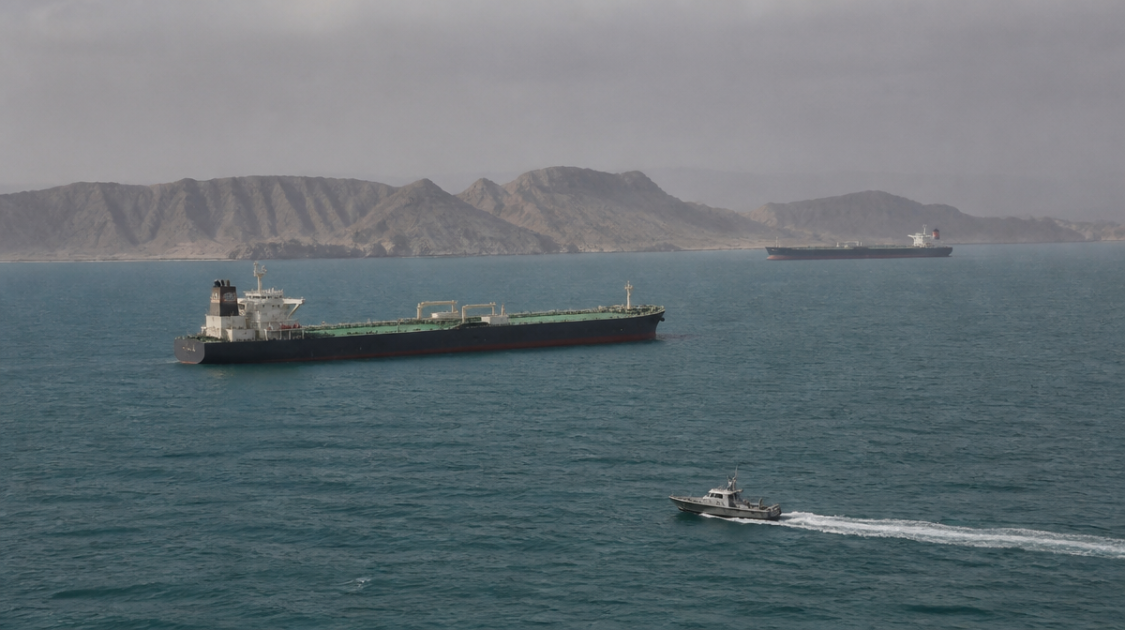
Geopolitical risks are at the center of oil’s latest move, with continued concerns over energy export routes from the Gulf, disruptions to shipping and developments affecting energy infrastructure in the region.
Those risks have become increasingly significant amid the continuing crisis previously covered by Profile News in a report on tensions involving the Strait of Hormuz, Iran and the United States. Investors are now monitoring not only how much oil is available, but also producers’ ability to transport it safely to global markets.
Recent developments indicate that Saudi Arabia’s East-West oil pipeline was hit, causing a temporary shutdown. The strategic route is an important alternative to the Strait of Hormuz and can transport millions of barrels per day, adding a new risk premium to crude prices.
Fed Moves Closer to an Interest Rate Hike
The oil surge comes at a particularly sensitive time, ahead of the Federal Reserve’s September 15-16 meeting and amid a significant shift in expectations for U.S. monetary policy.
Markets are currently pricing in a probability of nearly 90% that the Fed will raise U.S. interest rates by 25 basis points on Wednesday, following the latest inflation data and a renewed rise in energy prices.
Expectations at several major global banks, including Goldman Sachs, J.P. Morgan, HSBC and Deutsche Bank, have also shifted toward a rate increase at the upcoming meeting, after earlier forecasts leaned more heavily toward keeping monetary policy unchanged.
A quarter-point increase would move the target range from 3.50%-3.75% to 3.75%-4.00%, although markets will be more focused on what the Fed signals about its next moves.
U.S. 10-Year Treasury Yield Breaks Above 5%
One of the strongest signals of market concern came from the bond market, where the yield on the benchmark 10-year U.S. Treasury note rose above 5% on Monday, reaching its highest level since October 2023.
The yield reached about 5.004% as investors priced in the possibility that interest rates could remain higher for longer to address inflation.
The 5% threshold poses a direct challenge for equities because higher bond yields increase the appeal of fixed-income assets while also raising borrowing and financing costs for companies and households.
Nasdaq Leads Wall Street Losses
Those concerns were clearly reflected in U.S. equities, particularly the technology sector. Trading showed the Nasdaq falling more sharply than the Dow Jones and S&P 500, with technology and semiconductor stocks facing selling pressure.
According to market moves, the S&P 500 fell about 0.6%, while the Nasdaq declined more than 1%. The Dow Jones posted a more limited decline.
The pressure was not driven solely by interest rates and oil. Stocks linked to artificial intelligence and semiconductors also faced additional selling, leaving technology as the weakest-performing sector in Monday’s session.
Why Is Gold Falling Despite Rising Tensions?
Another notable market development was gold’s decline despite heightened geopolitical risks. Gold futures fell more than 2% to around $4,316 an ounce in the latest data.
Part of the pressure came from a stronger U.S. dollar and higher Treasury yields. The dollar benefited from safe-haven demand and expectations of a Fed rate increase, while higher yields made holding gold, which does not provide a regular yield, relatively less attractive.
The decline followed strong moves in the precious metal in recent months, which Profile News previously examined in a report on gold and the $4,500-an-ounce level.
Dollar Gains Amid Market Turbulence
Meanwhile, the U.S. dollar strengthened against major currencies, supported by two factors: safe-haven demand amid rising tensions and growing expectations that the Federal Reserve will raise interest rates again.
The dollar index climbed to its highest level in about two weeks, while the euro and British pound came under pressure, reflecting how investor concerns have spread from energy markets to currencies, bonds and equities.
What Comes Next for Global Markets?
The coming hours could be particularly sensitive for markets. If oil remains above $108 a barrel or Brent moves toward $110, inflation concerns could intensify, while a sustained 10-year Treasury yield above 5% could put additional pressure on equity valuations.
The bigger test, however, will come on Wednesday with the Federal Reserve’s interest rate decision. A 25-basis-point increase has become the strongly favored scenario, but investors will focus on Fed policymakers’ projections and the expected path of interest rates in the months ahead.
Global markets are therefore entering a period marked by three simultaneous sources of pressure: oil above $108 a barrel, a 5% Treasury yield and a nearly 90% probability of a U.S. interest rate increase. With gold falling, technology stocks under pressure and the dollar strengthening, the Fed’s next decision could be a key factor in determining the direction of markets for the rest of September.
Sources
Reuters – Dollar, oil and market moves ahead of the Federal Reserve meeting
Reuters – Wall Street and Nasdaq declines and pressure on technology stocks
Reuters – U.S. 10-year Treasury yield rises above 5%
Reuters – Global banks and expectations for a U.S. interest rate hike