

Trump Says Iran Wants a Deal ‘Quickly and Badly’ as Talks Remain an Option
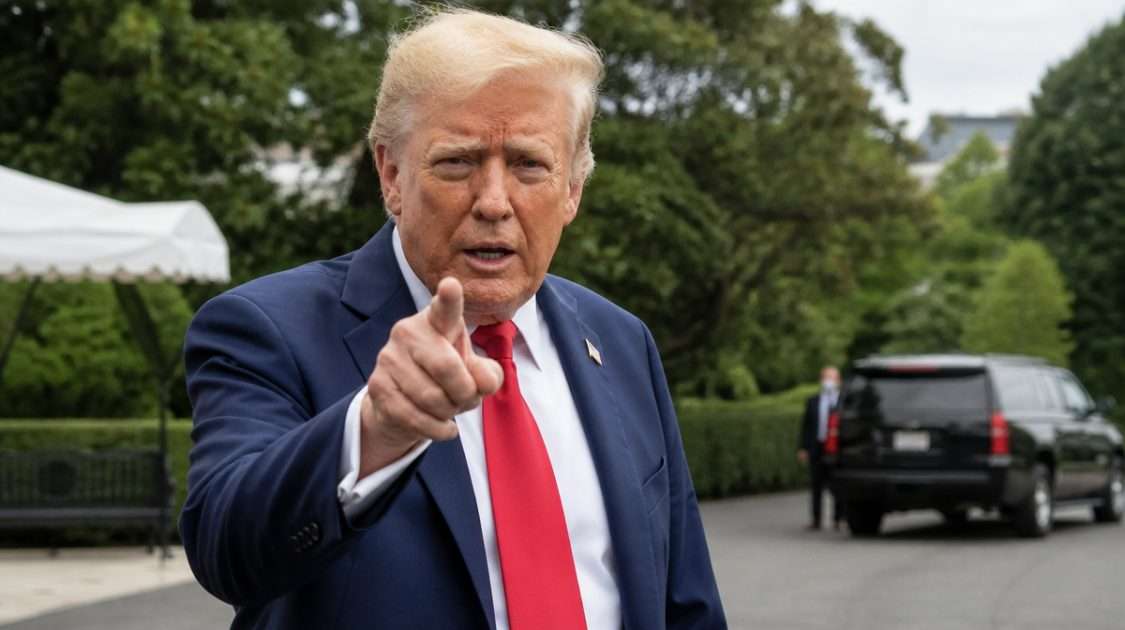
Trump and Iran are back at the center of diplomatic developments after U.S. President Donald Trump said Tehran wants to reach a deal with the United States “quickly and badly,” adding that Washington remains open to the possibility of new negotiations.
Trump said Monday that Iran wants to reach an agreement as soon as possible, adding that the United States would decide whether to engage in negotiations and that the option remains open.
Trump and Iran: Door to Negotiations Remains Open
Trump’s comments come as diplomatic efforts involving Iran continue amid disputes with Washington over Tehran’s nuclear program, the Strait of Hormuz and sanctions.
Iran did not announce a new agreement with Washington following Trump’s remarks, while Oman continues diplomatic efforts related to navigation through the Strait of Hormuz and regional discussions surrounding the strategic waterway.
Iran-Gulf Talks on Strait of Hormuz Postponed
Trump’s remarks came after a regional meeting scheduled for Monday in the Omani city of Salalah was postponed. Iran, Gulf Cooperation Council states and Iraq had been expected to take part in discussions on developments surrounding the Strait of Hormuz.
Omani Foreign Minister Badr al-Busaidi said the meeting had been postponed to a later date to provide appropriate conditions for constructive dialogue that could lead to sustainable understandings and support regional security and stability.
Iran’s Foreign Ministry said the postponement came at the request of some countries in the region and through a joint decision by Tehran and Muscat. Iranian Foreign Ministry spokesperson Esmail Baghaei said Saudi Arabia had requested the delay, citing developments in the war in Yemen.
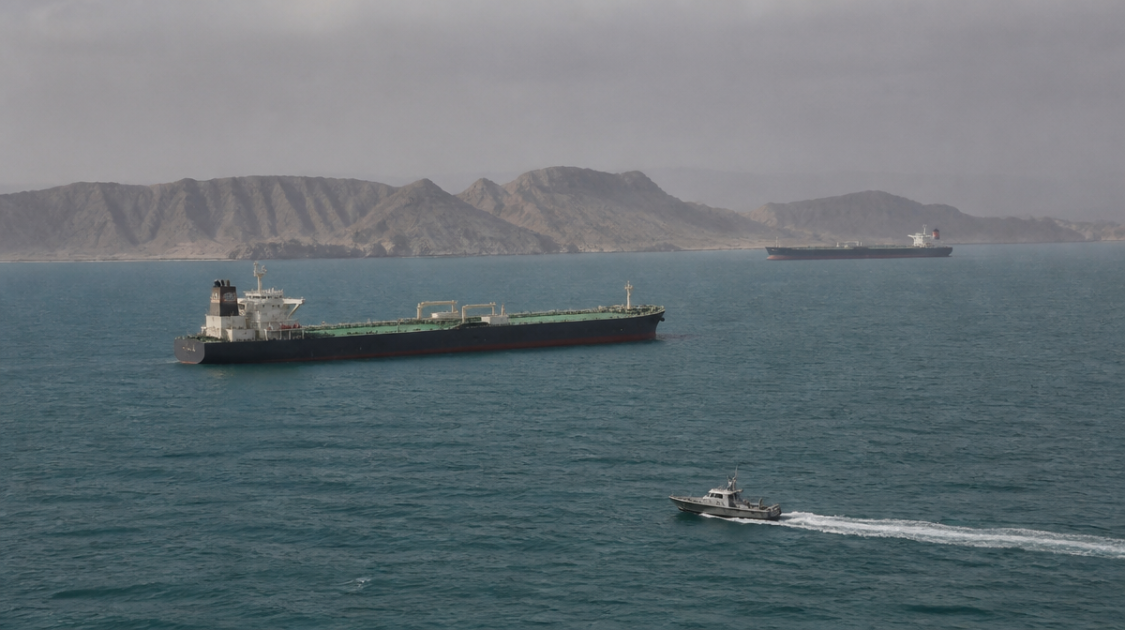
The postponement comes amid heightened risks to shipping in the strategic waterway. A commercial vessel was attacked in the Strait of Hormuz on Sunday, as disruptions continue to affect shipping and energy supplies.
Washington Blocks Iranian Nuclear Official From Vienna Meeting
Alongside Trump’s comments about possible negotiations, a new dispute has emerged over Iran’s nuclear program after the United States prevented Mohammad Eslami, head of the Atomic Energy Organization of Iran, from attending the International Atomic Energy Agency’s General Conference in Vienna.
Washington objected to granting Eslami an exemption from a United Nations travel ban, preventing him from attending the meeting. Iran said Austria had initially issued Eslami a visa before revoking it and accused the United States of pressuring Vienna.
Austria said it had requested an exemption from the travel ban in its capacity as host of the conference, but the U.N. Security Council sanctions committee did not approve the request following a U.S. objection.
Washington said Eslami’s participation would have allowed Tehran to use IAEA meetings for propaganda rather than cooperation over its nuclear obligations. Iran described the move as politically motivated.
Tehran Accuses Washington of Pressuring Iran From Within
In Tehran, Iranian President Masoud Pezeshkian accused the United States of seeking to fuel divisions and cause social breakdown inside Iran through problems and restrictions imposed on the country. He also accused Iranians abroad of coordinating with Tehran’s adversaries to incite people inside the country.
Trump’s comments and the latest diplomatic developments follow a series of rapidly unfolding events across the region covered in Profile News’ September 13 daily report, as diplomatic activity involving Iran and the Strait of Hormuz continues.
Sources
- Reuters – Trump remarks and postponement of Strait of Hormuz talks
- Reuters – Iranian nuclear chief blocked from attending Vienna meeting