
Oil Cargoes Top $130 as Saudi Arabia Cancels Shipments and Halts Yanbu Loading

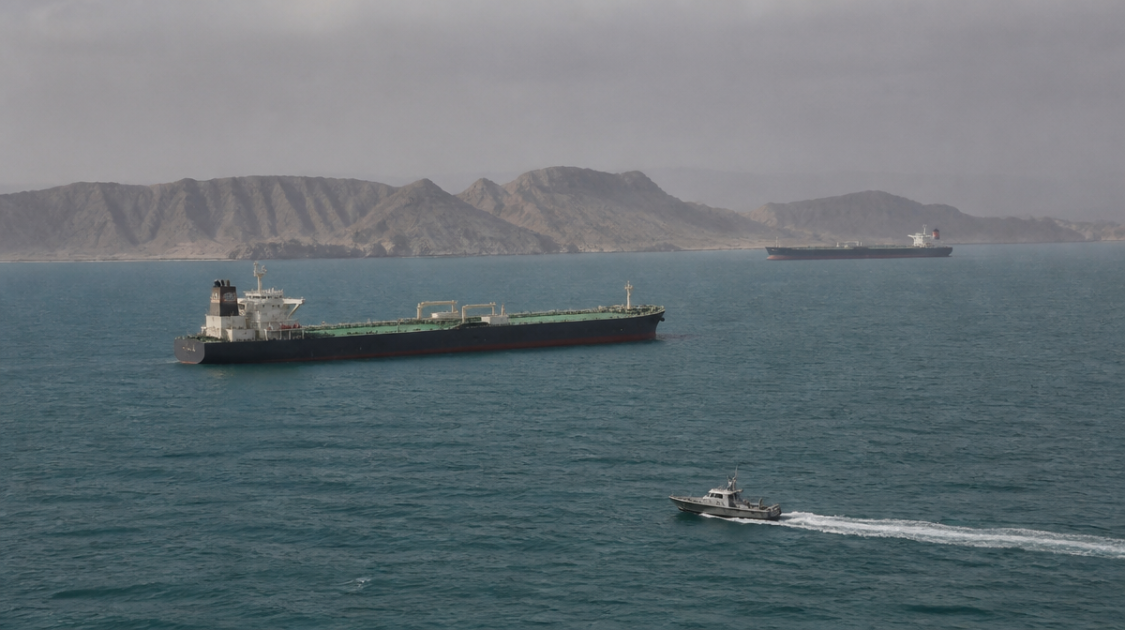
Oil prices rose again on Tuesday, September 15, 2026, with some physical cargoes in Europe trading above $130 a barrel after Saudi Arabia canceled some shipments scheduled for European buyers and suspended oil loading at the Red Sea port of Yanbu following the shutdown of the East-West pipeline.
Oil Prices: Some Cargoes Top $130 a Barrel
Data from LSEG showed that some physical oil cargoes in Europe traded above $130 a barrel as buyers searched for alternatives to supplies from the Middle East.
North Sea Forties crude rose to $136.75 a barrel, approaching the record level of $147.37 reached on April 13 after widespread disruptions to Middle East energy exports.
In futures trading, oil prices rose by more than $3, with Brent crude approaching $110 a barrel. Profile News had previously covered oil prices rising above $108 a barrel.
Saudi Arabia Cancels Cargoes and Suspends Loading at Yanbu
Trading sources told Reuters that Saudi Arabia had informed European customers that some crude cargoes scheduled for loading in late September had been canceled. Oil loading at Yanbu, one of Saudi Arabia’s main crude export outlets on the Red Sea, was also suspended.
It was not immediately clear how many cargoes would be canceled or how long the loading suspension would last.
The measures followed an attack last week that shut down Saudi Arabia’s East-West pipeline, which carries crude across the Arabian Peninsula to the Red Sea and allows the kingdom to bypass the Strait of Hormuz. Profile News had previously covered developments surrounding the attack on the Saudi oil pipeline and its impact on energy exports.
Europe Looks for Alternatives to Saudi Oil
The disruption prompted several European buyers to seek alternative supplies. Five energy-sector sources said Polish company Orlen, which gets about 40% of the oil it uses from Saudi Aramco, moved to purchase crude from the North Sea and other markets.
According to Reuters, the company bought several North Sea cargoes and also issued tenders for U.S., Kazakh, Algerian and Guyanese crude. Orlen said raw material supplies to its refineries were continuing without disruption.
When Will the East-West Pipeline Return to Service?
U.S. Energy Secretary Chris Wright said oil flows through the East-West pipeline could resume within days, adding that damage assessments were still underway.
However, estimates from sources who spoke to Reuters varied on the repair timeline. One source said the work could take five or six weeks, while another said the pipeline could resume partial flows sooner while repairs continued.
The pipeline had been carrying between 4 million and 5 million barrels per day, equivalent to about 4% to 5% of global supplies, during a period when oil traffic through the Strait of Hormuz had declined. The disruption at Yanbu comes as markets also track security developments in the Strait of Hormuz and vessel traffic through the key oil shipping route.
Additional Disruption to Libyan Supplies
The price rise also came as operations stopped at three Libyan oil fields after a valve was closed on the Hamada-Zawiya pipeline, according to Libya’s National Oil Corporation, adding another source of supply disruption to the market.
Markets are awaiting greater clarity on how long loading at Yanbu will remain suspended and how quickly the East-West pipeline can return to service, while European companies continue to seek alternative cargoes.
Sources
- Reuters + Profile News