

Strait of Hormuz Crisis Deepens as Shipping Slows and Iran Plans New Restricted Zone
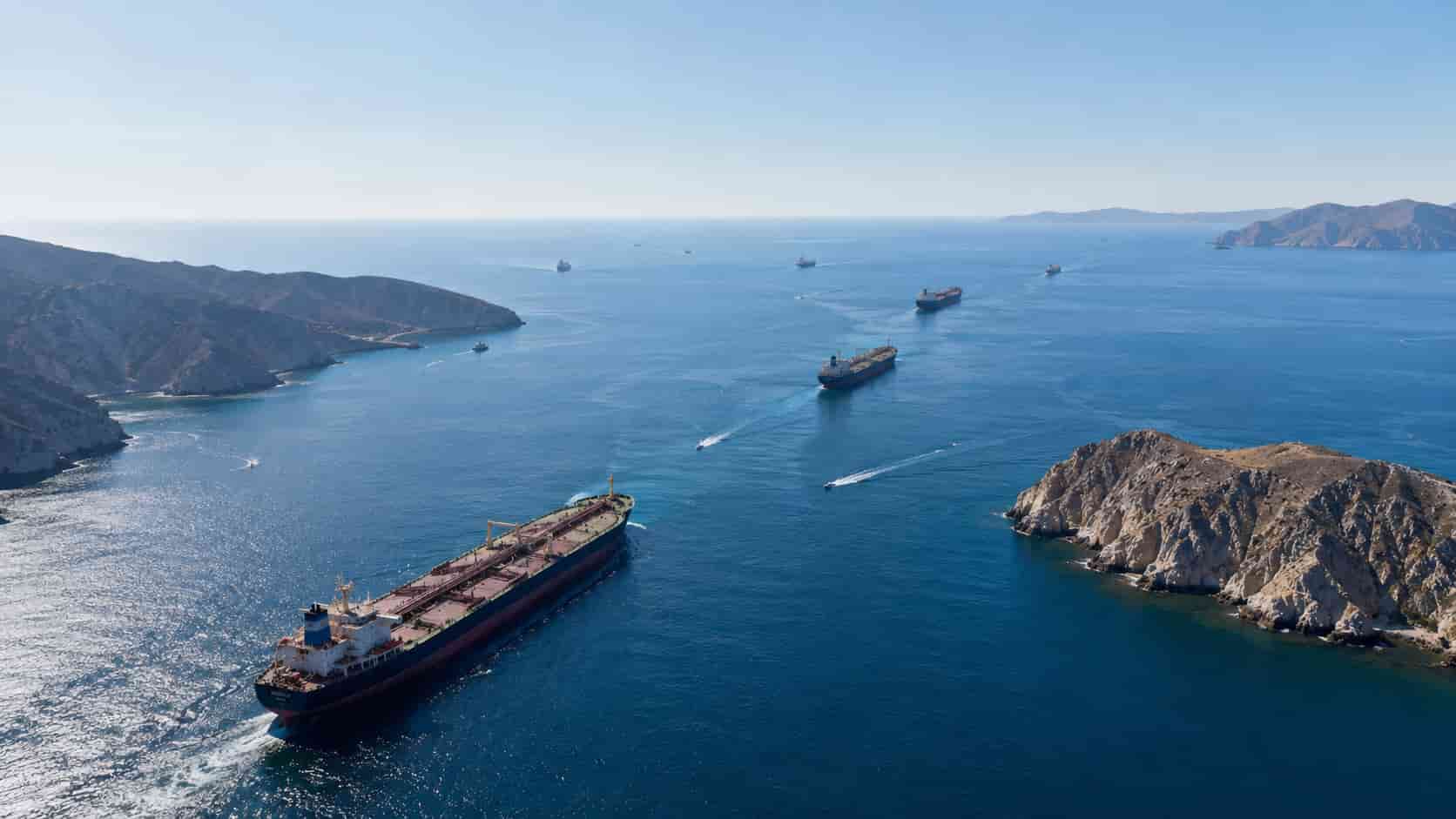
Strait of Hormuz tensions intensified as commercial traffic through the strategic waterway fell to exceptionally low levels, while Iran threatened retaliation for any new US attacks and prepared to announce a new maritime restricted zone, putting shipping and global energy markets under renewed pressure.
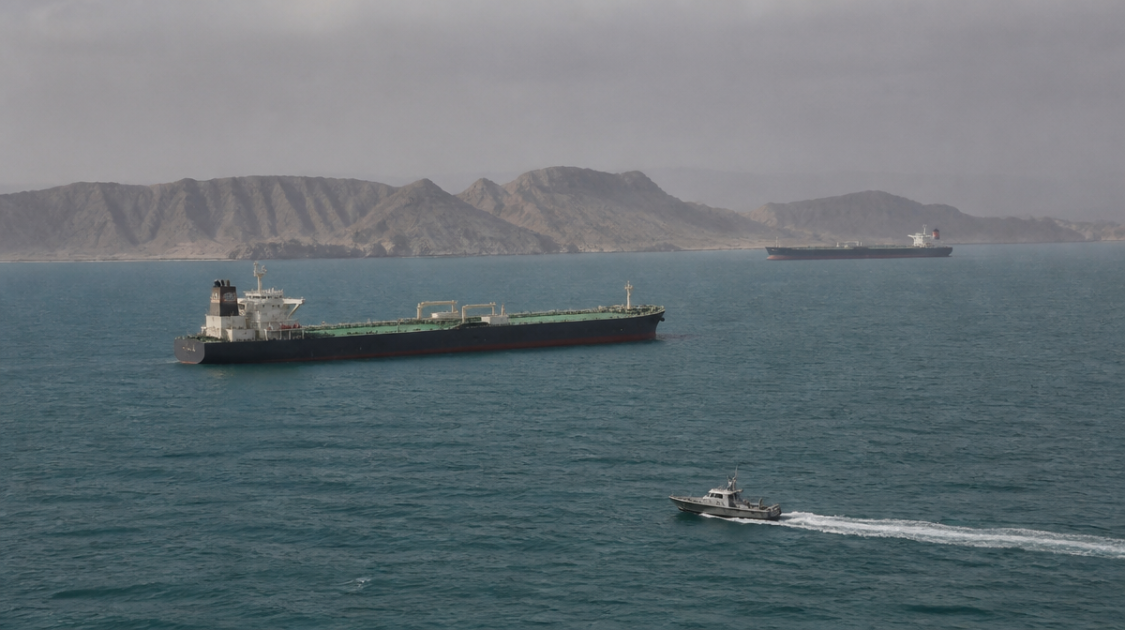
Kpler ship-tracking data showed that only seven commodity vessels transited the Strait of Hormuz on Monday, down from eight the previous day, highlighting the continuing disruption affecting one of the world’s most important energy corridors.
The decline comes as three developments converge: the military confrontation between Iran and the United States, negotiations between Tehran and Muscat over shipping arrangements, and continued concern in energy markets over prolonged disruptions to oil flows.
Strait of Hormuz Shipping Traffic Falls Sharply
According to Kpler data reported by Reuters, seven commodity vessels crossed the strait on Monday, compared with eight on Sunday. The actual number could be higher because some vessels may be operating with their transponders switched off.
The low traffic level highlights the pressure facing shipping companies despite diplomatic and security efforts to establish arrangements that could allow more vessels to use the strategic passage.
The crisis carries global significance because of the Strait of Hormuz’s role in global energy supplies, meaning prolonged disruption has consequences far beyond the confrontation between Washington and Tehran.
Iran Plans New Maritime Restricted Zone
As shipping traffic declined, Iran said it was preparing to announce a new restricted maritime zone in the Gulf within days amid renewed tensions with the United States.
Iranian officials also warned that Tehran would retaliate against further US attacks on its assets, saying American interests and energy infrastructure in the region could be vulnerable.
The development comes within the broader context of the US-Iran conflict and its regional consequences, with shipping and energy increasingly becoming part of the pressure exerted by both sides.
Strait of Hormuz at the Center of a Navigation Dispute
The rules governing passage through the strait remain a central point of contention. Iran insists on its role in managing navigation through its territorial waters, while the United States maintains that commercial vessels must enjoy freedom of navigation and rejects arrangements that would give Tehran unilateral control over transit.
The dispute has intensified around questions of sovereignty, navigation and US-Iran tensions in the Strait of Hormuz.
What Happened to the Iran-Oman Temporary Corridor?
Iran and Oman previously reached an understanding over a temporary shipping route, with sections of the inbound and outbound lanes passing through Iranian and Omani territorial waters.
However, agreement on a transit route has not meant a full return to normal shipping conditions in the Strait of Hormuz. Operational and security details have remained part of negotiations amid the broader confrontation between Iran and the United States.
The arrangements are part of negotiations over a new arrangement involving Iran and the Strait of Hormuz, with Oman remaining central to efforts to establish a workable mechanism.
Oil Markets Feel the Strait of Hormuz Pressure
The renewed tensions have spilled into energy markets, with oil prices reaching their highest levels in about six weeks as traders monitor shipping flows and the risks facing crude tankers.
Goldman Sachs has also raised its crude oil price forecasts amid expectations that Middle East shipping disruptions could persist for longer.
The impact of the Strait of Hormuz crisis is not limited to the number of vessels crossing the waterway. Insurance costs, security risks and producers’ ability to use alternative export routes are also increasingly important.
US-Iran Conflict Turns Hormuz Into a Pressure Point
The shipping crisis is directly intertwined with the political and military confrontation between Tehran and Washington. Iran links maritime security to an end to operations targeting its interests, while the United States rejects any Iranian attempt to control commercial passage.
That places Iran-US relations at the center of the strait’s immediate future, as either renewed military escalation or diplomatic progress could quickly affect shipping and energy prices.
Assessment: The most significant development is not Iran’s planned restricted zone alone, but its combination with already depressed vessel traffic and unresolved disagreements over transit rules. The key test will be whether Iran-Oman arrangements can increase commercial shipping or whether renewed US-Iran escalation pushes operators toward even greater caution.
What to Watch in the Strait of Hormuz
- Iran’s announcement of the boundaries and rules of its new restricted maritime zone.
- Daily vessel traffic and whether transit numbers begin to recover.
- The implementation of Iran-Oman temporary shipping arrangements.
- Any US response to Iran’s new maritime measures and threats.
- Changes in oil prices, shipping costs and war-risk insurance.