

13 Civilians Injured as Houthis and Saudi Arabia Enter New Round of Escalation Near Bab al-Mandab
Houthis and Saudi Arabia have entered a new round of escalation, with missile and drone attacks targeting the kingdom as the Houthis reinforce positions along Yemen’s western coast and maintain control of strategic sites near the Bab al-Mandab Strait. Washington has so far avoided direct military intervention in the conflict.
Houthis and Saudi Arabia: New Attacks Injure 13 Civilians
Yemeni officials said the Houthis launched a new wave of attacks on Saudi Arabia as consultations continued in Riyadh over how to respond to the group’s advances along Yemen’s Red Sea coast.
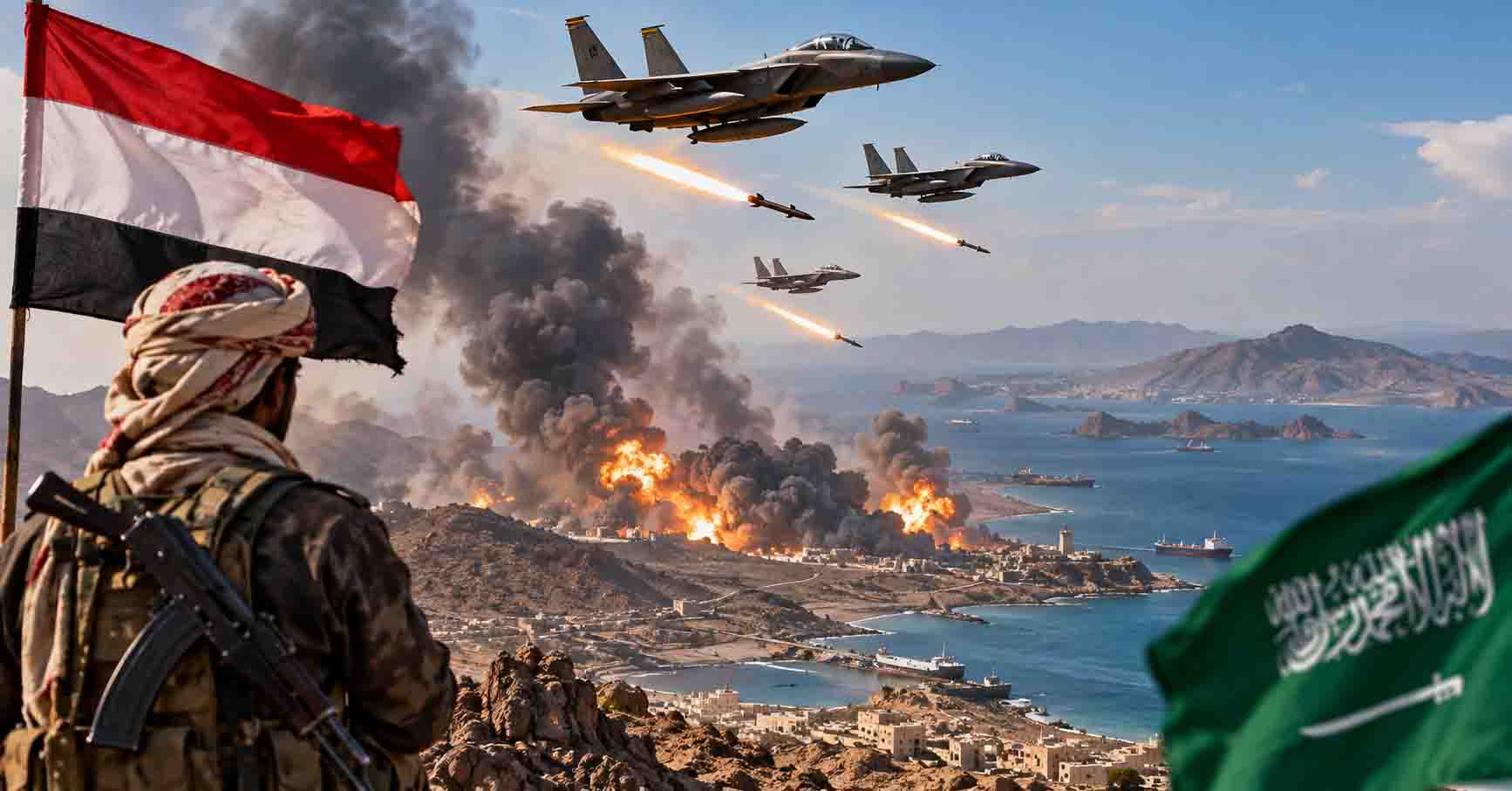
The Houthis said they fired dozens of missiles and drones toward a military base in Khamis Mushait in southern Saudi Arabia. The group said the attack was in response to Saudi airstrikes in Yemen and targeted facilities inside the base. The Saudi-led coalition in Yemen, meanwhile, said the attacks injured 13 civilians.
Saudi Civil Defense issued warnings on September 15 for six cities, including Yanbu, the kingdom’s main oil port on the Red Sea. Authorities later said the danger had passed in Jeddah, Abha, Jazan, AlUla, Taif and Yanbu.
The attacks follow an earlier round of escalation covered by Profile News in its report on the escalation between the Houthis and Saudi Arabia in Yemen.
Houthis Reinforce Positions Along Yemen’s Western Coast
The attacks coincided with the Houthis reinforcing their positions along Yemen’s western coast. Officials from Yemen’s internationally recognized government said the group retained effective control over most of the western coastline despite intensified Saudi and Yemeni airstrikes on Houthi positions, including areas around the Red Sea port of Mokha.
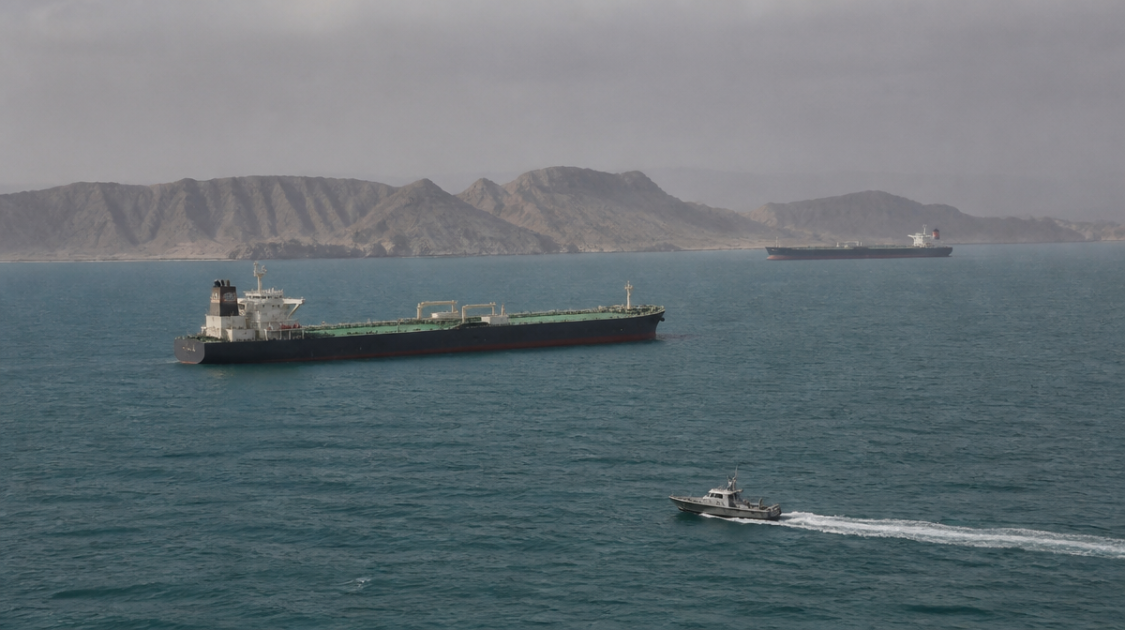
Recent Houthi advances included the seizure of Perim Island at the entrance to the Red Sea, adding to military tensions around the Bab al-Mandab Strait. Profile News previously covered developments involving the Houthis near Bab al-Mandab and the U.S. position.
Washington Avoids Direct Military Intervention
Three sources said the United States has so far resisted Saudi requests for direct military intervention against the Houthis, while continuing to provide intelligence support.
U.S. President Donald Trump said over the weekend that he had spoken with Saudi Crown Prince Mohammed bin Salman and that the Houthis had also contacted Washington, urging it to stay out of the conflict. The Saudi crown prince also met U.S. Central Command chief Admiral Brad Cooper in Jeddah on September 14, according to Saudi state media.
Saudi Oil Pipeline Adds to Pressure
The escalation comes as Saudi Arabia continues to deal with the impact of an aerial attack that disabled the oil pipeline connecting the kingdom’s eastern and western regions. Riyadh blamed Iran-backed armed groups in Iraq for the attack.
The 1,200-kilometer (746-mile) East-West pipeline runs from the Gulf region to the Red Sea and was built primarily to provide an oil export route that bypasses the Strait of Hormuz. Traders said a prolonged shutdown could affect as much as 4% of global oil supplies amid significant restrictions on shipping through Hormuz.
Profile News previously examined the importance of the route in its report on the Saudi oil pipeline and the attack on the East-West route.
Diplomatic Efforts Over Strait of Hormuz Stall
Alongside the escalation in Yemen and Saudi Arabia, prospects for diplomatic progress over the Strait of Hormuz diminished after Oman postponed a planned meeting between Iran and Gulf states to discuss negotiations on reopening the strait. Iran said the meeting was postponed at Saudi Arabia’s request.
The postponement of the Gulf-Iran meeting comes as pressure mounts on regional energy export routes, with Saudi Arabia’s East-West pipeline out of service and fighting intensifying along Yemen’s Red Sea coast and around Bab al-Mandab.