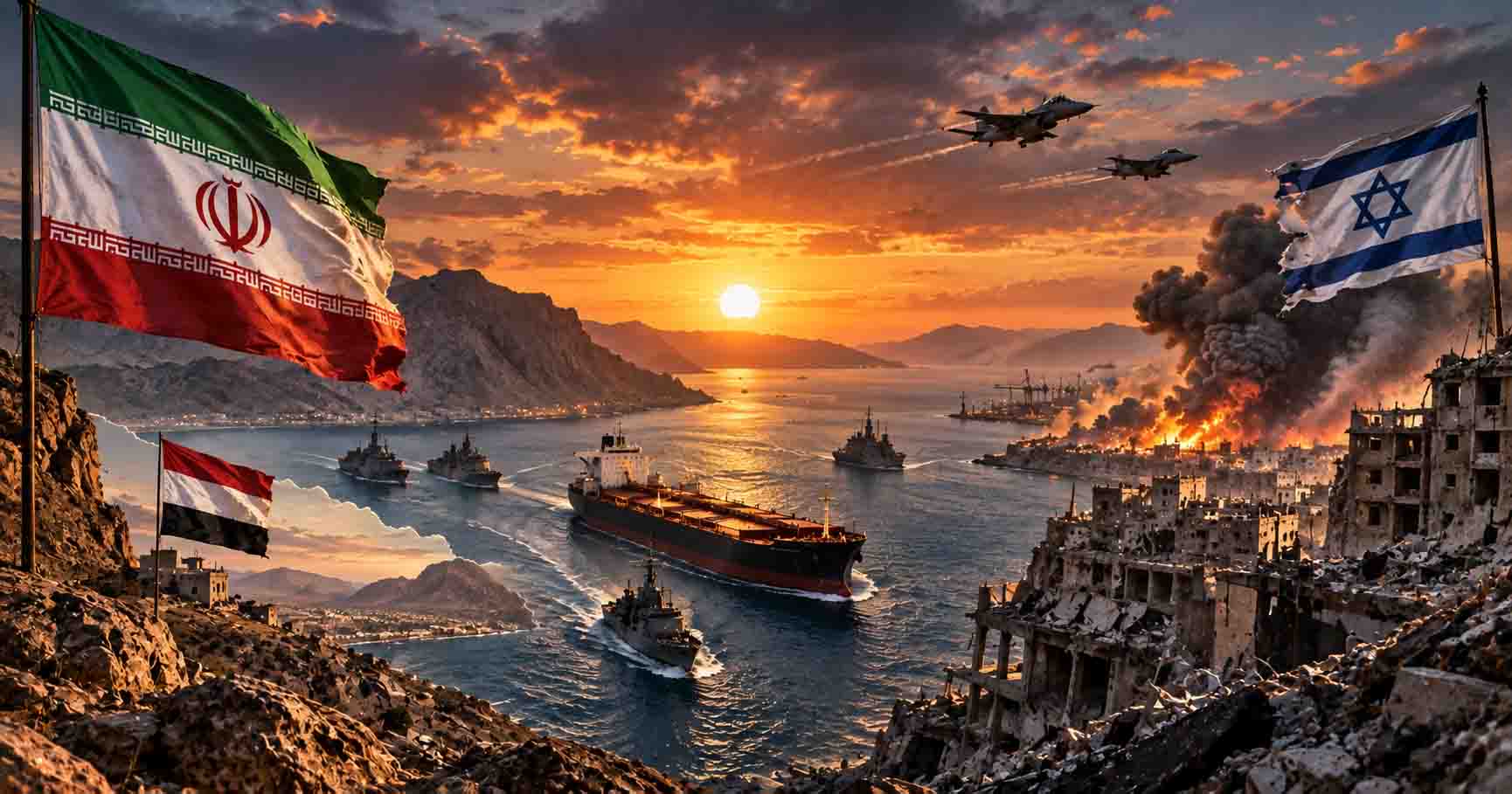


US-Iran Escalation Spreads to Hormuz and Jordan as Oil Tops $100
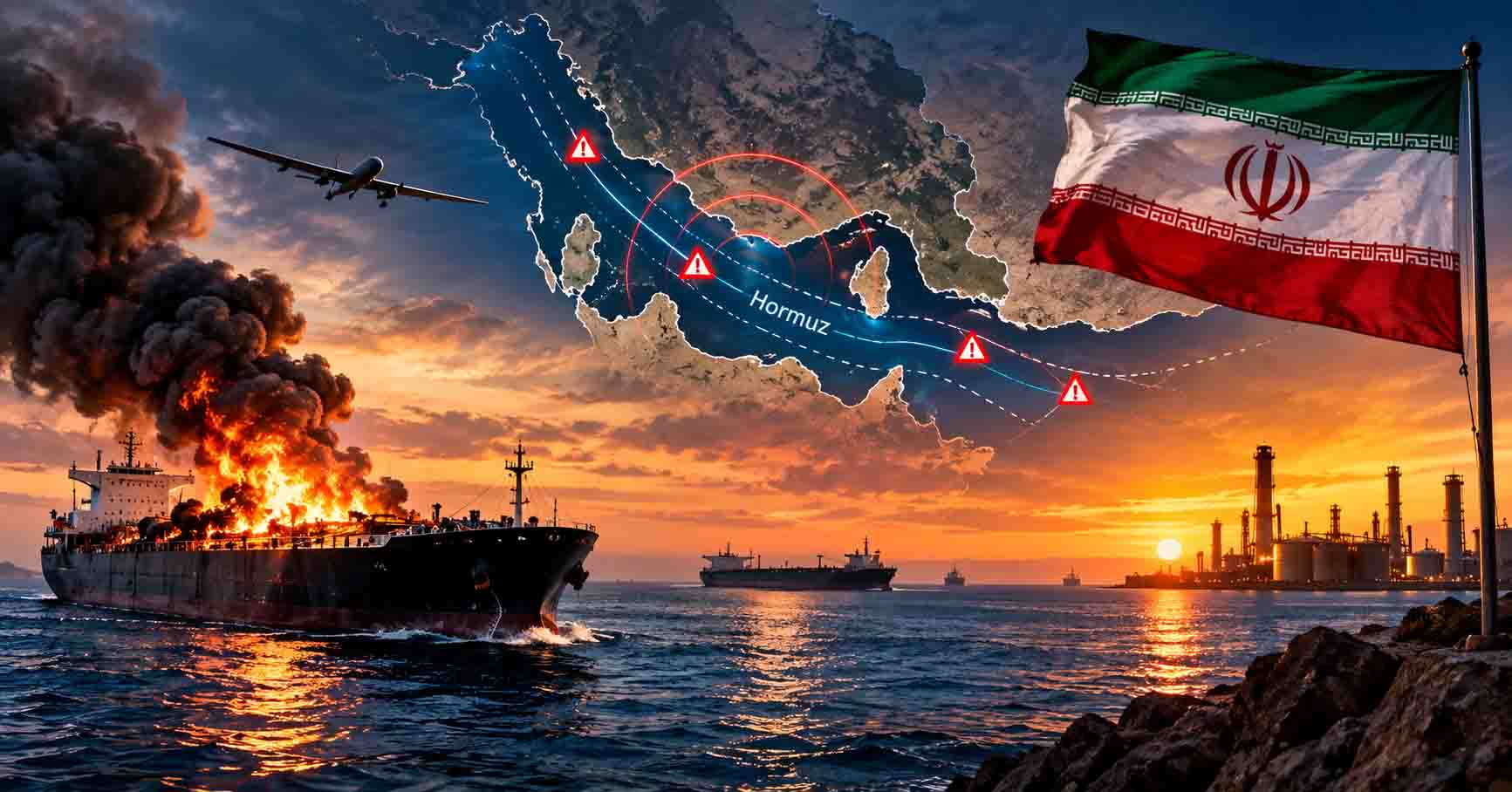
Tensions between Iran and the United States entered a more dangerous phase on September 9, 2026, as the confrontation rapidly expanded into maritime routes and oil shipping lanes, alongside Iranian missile launches toward targets in Jordan and attacks on ships and tankers in the Gulf and Gulf of Oman.
The rapidly unfolding developments disrupted shipping through the Strait of Hormuz, while Brent crude rose above $100 a barrel amid growing concerns that the military confrontation could develop into a broader crisis threatening global energy supplies and trade.
Strait of Hormuz at Center of US-Iran Escalation
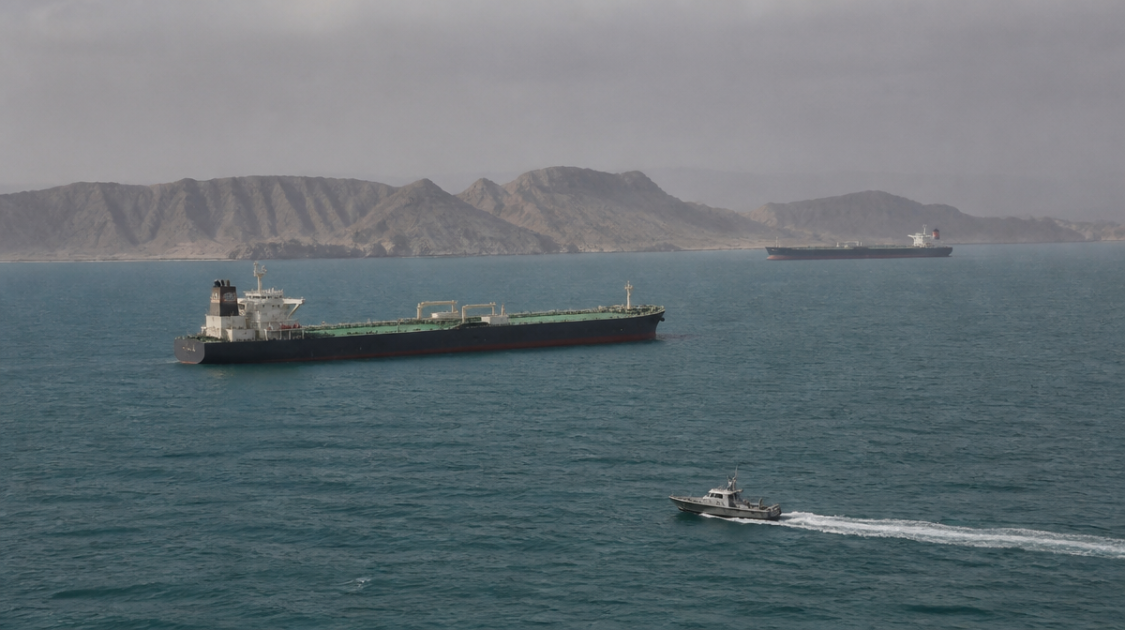
The Strait of Hormuz and maritime traffic has become one of the most dangerous arenas of direct confrontation between the United States and Iran, with military operations extending to oil tankers and commercial vessels.
The escalation followed an announcement by US forces that they had targeted five Iranian oil tankers that Washington said were linked to a network used by Tehran to finance the Islamic Revolutionary Guard Corps and its allies.
According to the US account, the strikes followed Iranian attempts to target a US warship with ballistic missiles over the previous two days. Washington said the vessel evaded the attacks and that no US personnel were injured.
Iran, meanwhile, announced that it had begun operations against vessels in Gulf waters and around the Strait of Hormuz in response to attacks on its oil tankers.
Iran Says It Targeted Ships as Washington Denies Damage to US Destroyers
Iran’s Islamic Revolutionary Guard Corps said it targeted two US vessels and a number of oil tankers and other ships that it said had attempted to cross an area Tehran considers restricted and unsafe in the Strait of Hormuz.
The IRGC also said it had damaged two US destroyers. US Central Command denied the claim, saying Iranian assertions that US Navy vessels had been hit were false.
The conflicting accounts make it necessary to distinguish between operations confirmed by independent sources and military claims issued by the two sides.
The threat to commercial shipping, however, is no longer theoretical. Maritime reports said several commercial vessels had come under fire or attack in the northern Gulf and Gulf of Oman, leaving some disabled.
Oil Tanker Targeted Near Basra
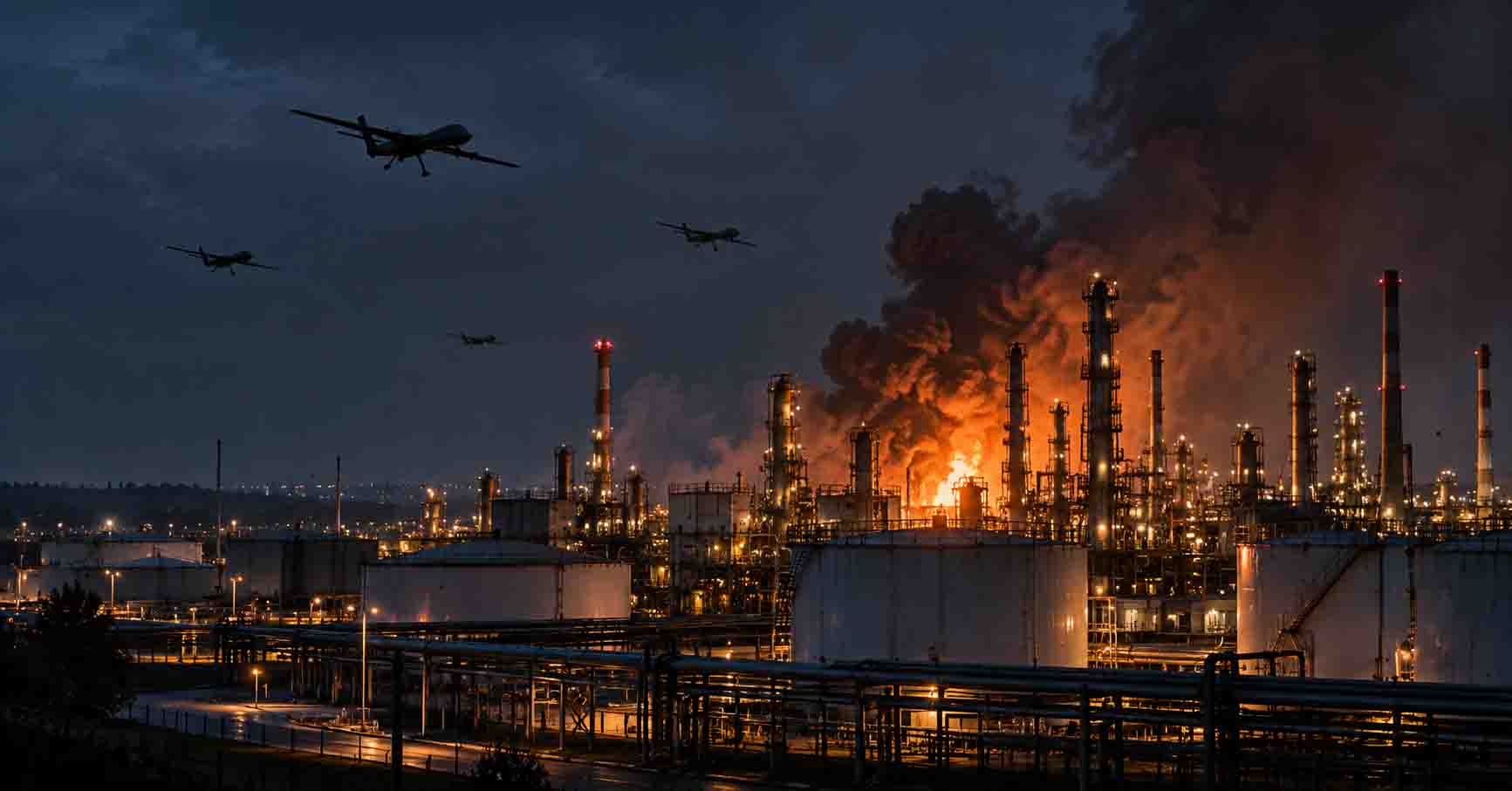
Maritime incidents also extended into Iraqi waters, where a Panama-flagged oil tanker was attacked by a drone near the Al-Amaya oil terminal in Basra province.
The attack sparked a fire aboard the tanker before it was brought under control. No crew members were reported injured.
The tanker was carrying about 2 million barrels of Iraqi fuel oil, adding another source of concern for energy markets that are increasingly focused on the security of Gulf shipping routes.
The United Kingdom Maritime Trade Operations also received a report of another incident about 24 nautical miles northwest of Port Rashid in the United Arab Emirates.
Iranian Missiles Reach Jordan
The escalation was not confined to the sea. Jordan’s military said the kingdom had come under a missile attack originating from Iran, widening the geographic scope of the confrontation.
The Jordanian military said it intercepted 18 incoming missiles, while two others fell in areas away from population centers. No injuries were reported.
Missile interceptions were reported over the capital, Amman, as well as areas in northern and eastern Jordan during the attack.
The IRGC said it targeted the Azraq base in Jordan with ballistic missiles. Iran’s Foreign Ministry later said attacks on US positions in Jordan were carried out, in its words, as an act of “self-defense.”
US officials said no American troops were killed or wounded in the attack.
Why Has Jordan Been Drawn Into the Confrontation?
The presence of US facilities and forces in several countries across the region has made American bases a central factor in calculations surrounding the escalating confrontation between Iran and the United States.
Profile News has previously examined the US bases in the Middle East, as reciprocal threats have made the deployment of American forces a direct part of the confrontation.
The presence of US bases in the Gulf has also become increasingly sensitive as maritime and air operations expand.
Shipping Traffic Through Hormuz Declines
One of the most significant effects of the escalation is beginning to emerge in shipping traffic itself.
Data from Kpler showed that only six commodity vessels passed through the Strait of Hormuz on Tuesday, compared with nine the previous day and below the 10-day average of 12 vessels.
The decline is particularly significant because of the strait’s critical role in global energy trade, with large volumes of oil and gas shipments from Gulf countries passing through the waterway.
With commercial vessels facing incidents alongside the US-Iran confrontation, shipping companies and energy markets are monitoring not only the possibility of the strait being closed, but also whether rising risks could prompt shipping operators and insurers to avoid the route.
Brent Crude Rises Above $100
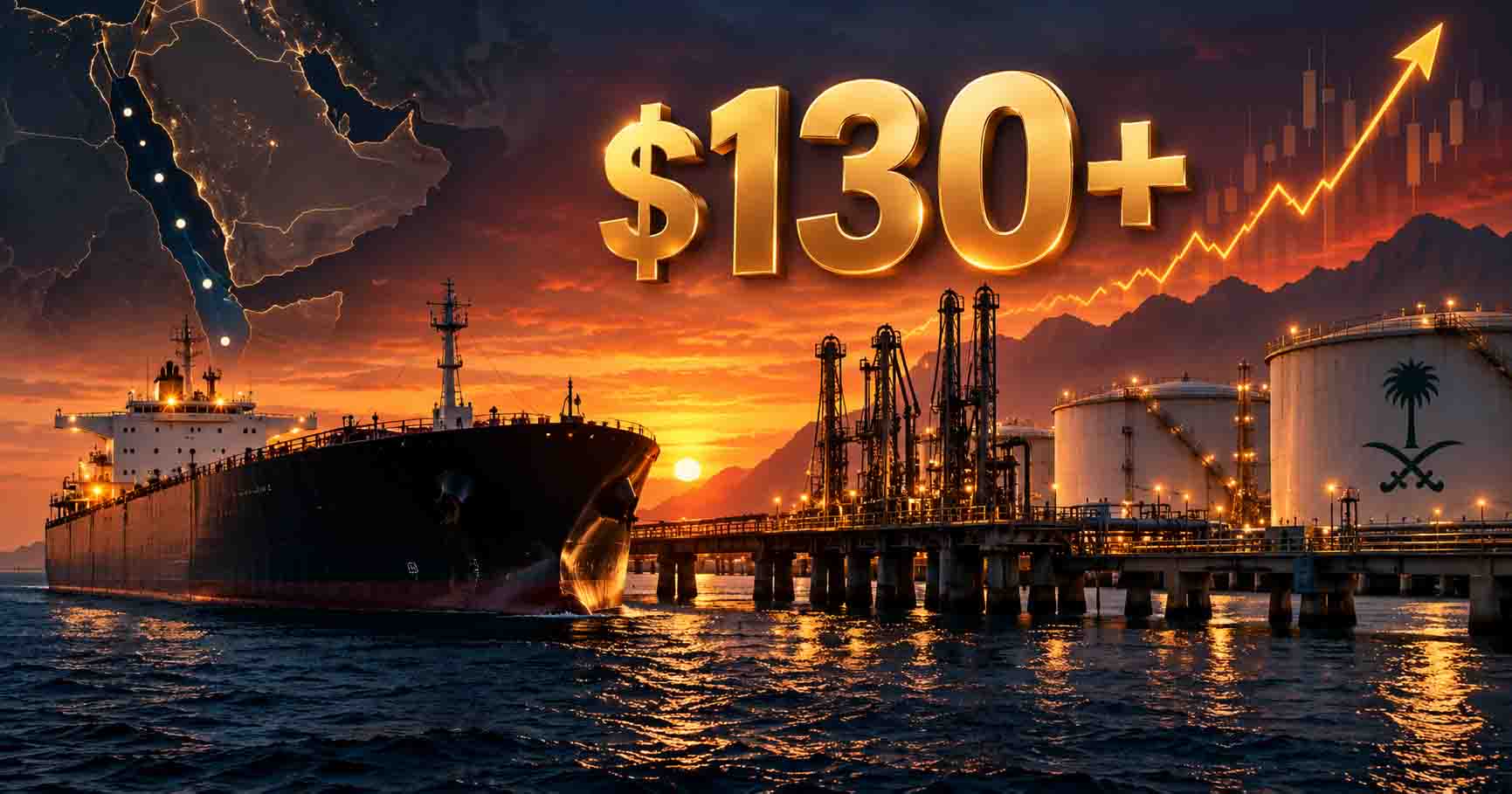
The developments quickly affected energy markets, with Brent crude rising above $100 a barrel in Wednesday trading as concerns over supply security increased.
The rise followed reciprocal strikes in the Gulf, the Iranian missile attack toward Jordan and recent Houthi attacks on energy facilities and infrastructure in Saudi Arabia.
European natural gas prices also rose, indicating that the impact of the crisis was no longer confined to oil markets.
A continued decline in shipping traffic through Hormuz means markets are likely to remain highly sensitive to any new attack on a tanker, oil facility or port in the region.
Washington and Tehran Escalate Threats
The military escalation has been accompanied by a sharp increase in the intensity of threats exchanged by Washington and Tehran.
The US secretary of state said every Iranian attempt to target US Navy vessels would result in Tehran losing additional oil tankers.
The IRGC, meanwhile, warned that its response would continue as long as US operations continued. In its latest threat, it said that if two or three Iranian targets were attacked, its response could include strikes on 20 targets belonging to the opposing side.
Tehran has also included issues extending beyond the maritime confrontation among its political conditions, as US strikes on Iran and economic and military pressure on the Islamic Republic continue.
Is the Crisis Heading Toward a Broader Confrontation?
The most serious indicator in the developments of September 9 is not any single military incident, but the simultaneous escalation across several fronts.
The United States is targeting tankers linked to Iran, Tehran is responding with missiles and maritime operations, Jordan has been directly drawn into the attacks, and commercial vessels in the Gulf and Gulf of Oman are facing a growing number of incidents.
At the same time, rising oil prices and declining shipping traffic through Hormuz are putting pressure on the global economy, making continued escalation increasingly costly even for countries not directly involved in the conflict.
Assessment: The main risk in the coming hours is that attacks on ships could expand from limited reciprocal operations into a broader confrontation along major shipping routes. If attacks widen to include additional tankers, oil facilities or US bases in the Gulf, the crisis could quickly shift from a regional military escalation into a global energy and shipping crisis.
What to Watch in the Coming Hours
- Strait of Hormuz: Tanker traffic and any new restrictions or exclusion zones announced by Iran.
- Commercial shipping: Any new attacks in the Gulf or Gulf of Oman.
- Jordan: The possibility of further Iranian attacks on targets linked to US forces.
- US response: Whether Washington targets additional Iranian tankers or facilities.
- Oil prices: Whether Brent crude remains above $100 and the possibility of further price increases.
- The Gulf: Security measures around US bases, ports and energy facilities.
Conclusion
The events of September 9 indicate that the US-Iran confrontation has entered a different phase, with ships, oil tankers and maritime routes becoming a direct part of military operations.
With Jordan drawn into the confrontation, commercial vessels damaged and oil prices rising above $100, the Strait of Hormuz is no longer simply a point of leverage between Washington and Tehran. It has become the center of a security and economic crisis with consequences for global energy markets and trade.
The nature of the next US and Iranian responses will determine whether this round remains within the boundaries of controlled escalation or becomes the prelude to a broader confrontation in the Gulf and the Middle East.
Sources
- Reuters — Iran and US hit tankers in biggest wave of attacks on shipping since war began
- Reuters — Oil tanker hit in Iraqi waters as vessels get caught in US-Iran attacks
- Reuters — Shipping traffic via Strait of Hormuz stays below 10-day average
- Reuters — Brent crude rises above $100 as Middle East conflict intensifies
- Associated Press — Oil rises past $100 a barrel after latest Middle East attacks