Mount Etna Ash Halts Catania Airport Flights: What Travelers Should Do Now
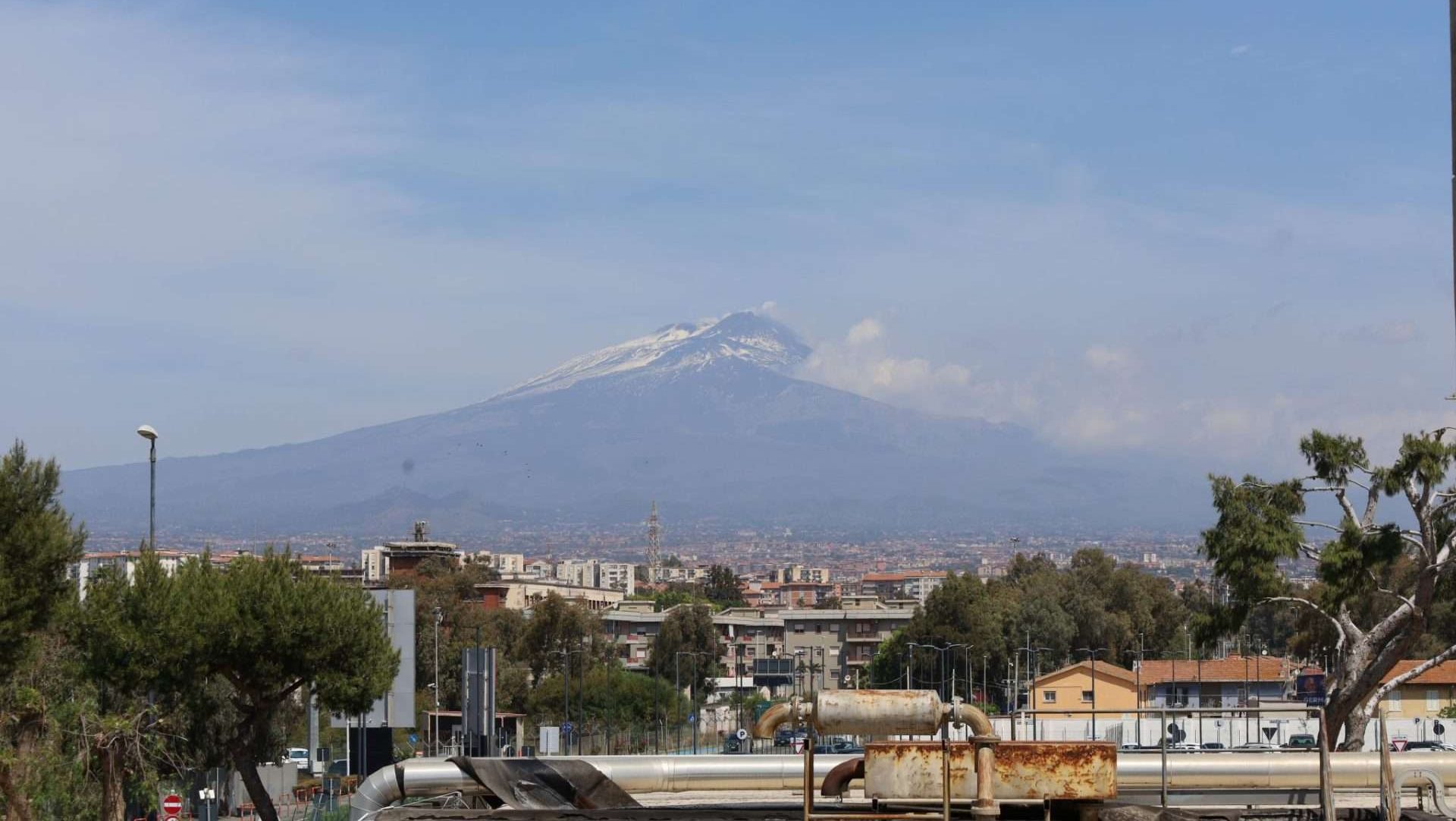
Catania Airport in Sicily kept all arriving and departing flights suspended on Sunday, September 27, 2026, as volcanic ash from Mount Etna continued to disrupt air traffic for a second day.
The airport operator extended the suspension of all flight operations until 21:59 GMT on Sunday, or 11:59 p.m. local time in Italy, according to the latest update reported by Reuters.
The deadline does not mean flights will automatically resume immediately afterward. Operations depend on volcanic activity, the movement of ash, weather conditions and whether authorities determine that aircraft can operate safely.
For thousands of travelers using eastern Sicily’s main aviation hub, the immediate question is not only when the airport will reopen, but what to do if a flight is canceled or rerouted and which passenger rights still apply when the disruption is outside an airline’s control.
Catania Airport: Why were flights suspended?
The disruption began on Saturday as continuing activity at Mount Etna and weather conditions spread volcanic ash through airspace around Catania-Fontanarossa Airport.
Restrictions initially affected arriving flights before being expanded to cover all takeoffs and landings.
With ash continuing to affect the area on Sunday, airport operator SAC extended the suspension of all flight operations until late in the evening.
Catania is Italy’s fifth-busiest airport by passenger traffic and serves as a major gateway for tourism and travel to eastern Sicily.
Why is volcanic ash dangerous for aircraft?
Volcanic ash is more than smoke that reduces visibility. It contains fine, hard particles that can pose a direct hazard to aircraft and their engines.
The U.S. Federal Aviation Administration says flying into a volcanic ash cloud can be extremely dangerous and can damage engines and other aircraft components.
Ash can also affect flight instruments and cockpit windows, which is why airlines and air traffic authorities seek to avoid contaminated airspace rather than relying on visual conditions alone.
That means an airport can remain closed or operate under restrictions even when conditions appear better at ground level, because decisions depend on the safety of flight paths and ash concentrations rather than simply what passengers can see from the terminal.
Flying to or from Catania? What should you do?
The airport operator’s key advice is to check directly with your airline before traveling to the airport.
- Check the airline’s app or website before leaving your hotel or home.
- Monitor email and text messages because your departure time or airport may change.
- Do not rely solely on the original departure time shown on your ticket.
- If your flight is canceled, ask the airline to explain your rebooking and reimbursement options.
- Keep receipts for necessary expenses such as meals or accommodation if you are required to wait for rerouting.
Flight status can change quickly during volcanic disruptions, making the operating airline the most important source of information alongside airport updates.
Can passengers get a ticket refund?
Under European Union air passenger rules, when a covered flight is canceled, passengers must be offered options that include reimbursement or rerouting to their final destination, depending on the circumstances.
Passengers may also have rights to assistance while they wait, including meals and refreshments, and in some cases hotel accommodation and transportation if rerouting requires an overnight stay.
Those rights should be distinguished from additional cash compensation. EU rules state that financial compensation may not be payable when the airline can demonstrate that a cancellation or delay was caused by extraordinary circumstances that could not have been avoided even if reasonable measures had been taken.
A volcanic disruption therefore does not automatically mean every passenger will receive cash compensation, but it does not automatically remove applicable rights to reimbursement, rerouting or care.
Could flights be diverted to other Sicilian airports?
During Etna-related disruptions, airlines may cancel flights or divert some services to other airports depending on runway availability, aircraft positioning, crews and individual operating plans.
Previous disruptions at Catania have led to flights being redirected to other Sicilian airports, including Palermo, Comiso and Trapani.
Passengers should not assume, however, that their flight will automatically be moved to one of those airports. The decision is made by the airline based on the circumstances of each service.
What if your flight arrives at a different airport?
If an airline reroutes a flight to another airport serving the same city or region, passengers should check what ground transportation is being provided and how they will reach the destination listed on their booking.
If you are offered an alternative departure from another airport, check how you will reach it, when the flight departs and whether the airline is arranging or covering transportation related to the rerouting.
Travelers should generally avoid immediately purchasing an expensive replacement ticket without first contacting the airline, particularly if they later intend to seek reimbursement for the cost.
How long can Etna disruptions last?
The duration of volcanic ash disruption cannot be determined solely by the expiry time of a single operational notice.
Etna is one of Europe’s most active volcanoes, and ash emissions and their direction can change as volcanic activity and winds evolve.
A reduction in ash can allow airspace to reopen, while a new emission or change in wind direction can lead to renewed restrictions shortly afterward.
Airport authorities therefore issue successive operational updates rather than guaranteeing a final time for the full restoration of flights.
Why does Catania disruption matter beyond Italy?
Catania is not a small domestic airport. It is an important hub for European and international travel to Sicily.
A prolonged shutdown can create a chain of delays and cancellations because an aircraft unable to reach Catania may no longer be positioned to operate its next scheduled service.
The impact can therefore appear at airports far from Sicily, particularly on routes where the same aircraft or crew operates several consecutive flights during the day.
What are we watching next?
The most important update will be SAC’s announcement after the current suspension period ends and whether the airport returns to full operations or resumes flights gradually.
Mount Etna’s activity and the direction of the ash cloud will also remain important, because reopening the airport does not necessarily eliminate the backlog of delays and cancellations.
Airlines may need hours or longer to reposition aircraft and crews and rebuild schedules even after authorities allow flight operations to resume.
Conclusion
The suspension of flights at Catania Airport because of Mount Etna ash is causing significant travel disruption, but the most important step for passengers is not simply to travel to the airport and wait for developments.
Travelers should first check with their airline, determine whether their flight has been canceled, rescheduled or diverted, and then review reimbursement or rerouting options where passenger-rights rules apply.
As for when normal operations will return, that will depend on Etna’s activity and the movement of volcanic ash, making airport and airline updates more important than any previously announced closure deadline.
Sources
- Reuters — Italy’s Catania airport keeps flights suspended until midnight due to Etna ash
- Catania International Airport — Etna Eruption operational notice
- European Union — Air passenger rights
- U.S. Federal Aviation Administration — Volcanic ash flight safety guidance