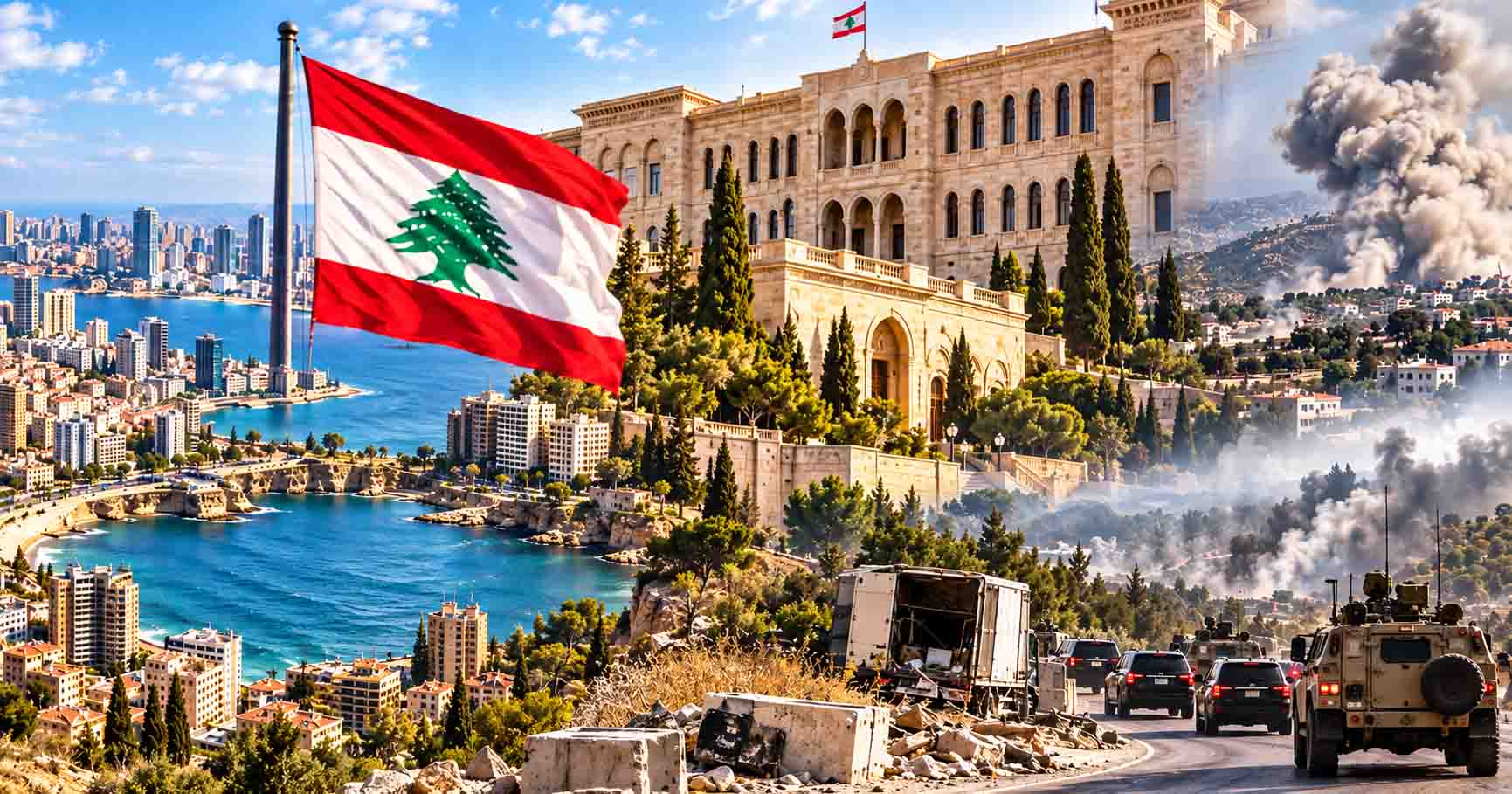
Lebanon today is moving across several interconnected political, security and diplomatic fronts: President Joseph Aoun is asking Washington to pressure Israel to halt its operations in the south, Qatar’s prime minister has arrived in Beirut for a high-level visit, Hezbollah has acknowledged ownership of a truckload of explosives seized by Lebanese authorities, while strikes and shelling continue in southern Lebanon and UNIFIL’s future approaches a critical decision point.
At the center of these issues, the Lebanese state is seeking to consolidate state control over weapons and strengthen the role of the army, while negotiations with Israel remain stalled and the need for external support for the military, energy sector and reconstruction continues to grow alongside unresolved banking and financial issues with the International Monetary Fund.
Lebanon today: Aoun asks Rubio to pressure Israel
The United States moved directly into the latest developments on Thursday evening after President Joseph Aoun received a phone call from U.S. Secretary of State Marco Rubio to discuss conditions in Lebanon and the wider region, particularly developments in the south.
Aoun asked Rubio to pressure Israel to halt attacks on Lebanese villages and towns, comply with the provisions of what the Lebanese presidency described as the “framework agreement,” stop land-clearing operations and allow farmers to reach their fields without interference.
Aoun also said the Lebanese army and security forces were implementing decisions aimed at preventing armed displays, confiscating weapons and ammunition and combating smuggling.
He added that judicial authorities were following up on all cases referred to them and that the law would be applied without favoritism, comments that came amid controversy over a truck carrying explosives seized at the Dahr al-Baidar checkpoint.
Qatar in Beirut: A visit spanning security and the economy
Alongside the U.S. contact, Qatari Prime Minister and Foreign Minister Sheikh Mohammed bin Abdulrahman bin Jassim Al Thani arrived in Beirut on Thursday evening and was received at Beirut’s Rafic Hariri International Airport by Prime Minister Nawaf Salam.
The official visit continues through Friday and is expected to include meetings with President Joseph Aoun, Parliament Speaker Nabih Berri and Prime Minister Nawaf Salam, as well as Lebanese Army Commander General Rodolphe Haykal and General Security Director General Hassan Choucair.
The prime minister’s office said an official welcoming ceremony would be held at the Grand Serail on Friday, followed by talks between Salam and Al Thani and a joint press statement.
The visit comes at a particularly sensitive time as Lebanon seeks simultaneous support for the army, state institutions, reconstruction, the economy and the energy sector.
Could Qatar offer an electricity plan or new support for the army?
Lebanese media reports have said economic issues, particularly the electricity sector, are expected to feature in the Qatari talks alongside support for Lebanon’s military and security institutions.
However, as of Thursday evening, neither Qatar nor Lebanon had officially announced a new financial package, a specific amount of assistance for the army or a final agreement on electricity.
Any figures or details currently circulating therefore remain reports unless formally announced during Friday’s meetings or the joint press conference.
Berri discusses politics, Iran and electricity at Ain al-Tineh
A series of meetings at the parliament speaker’s Ain al-Tineh residence reflected the range of issues currently facing Lebanon.
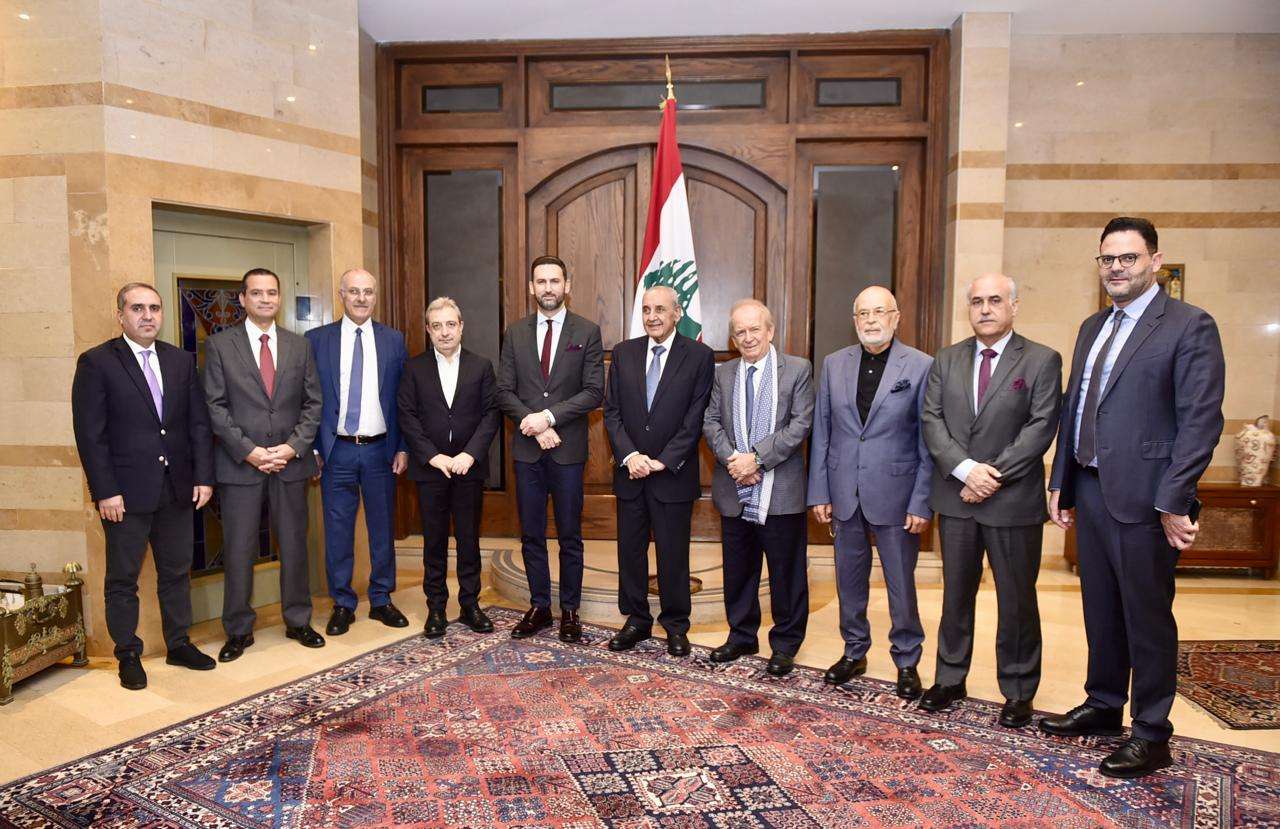
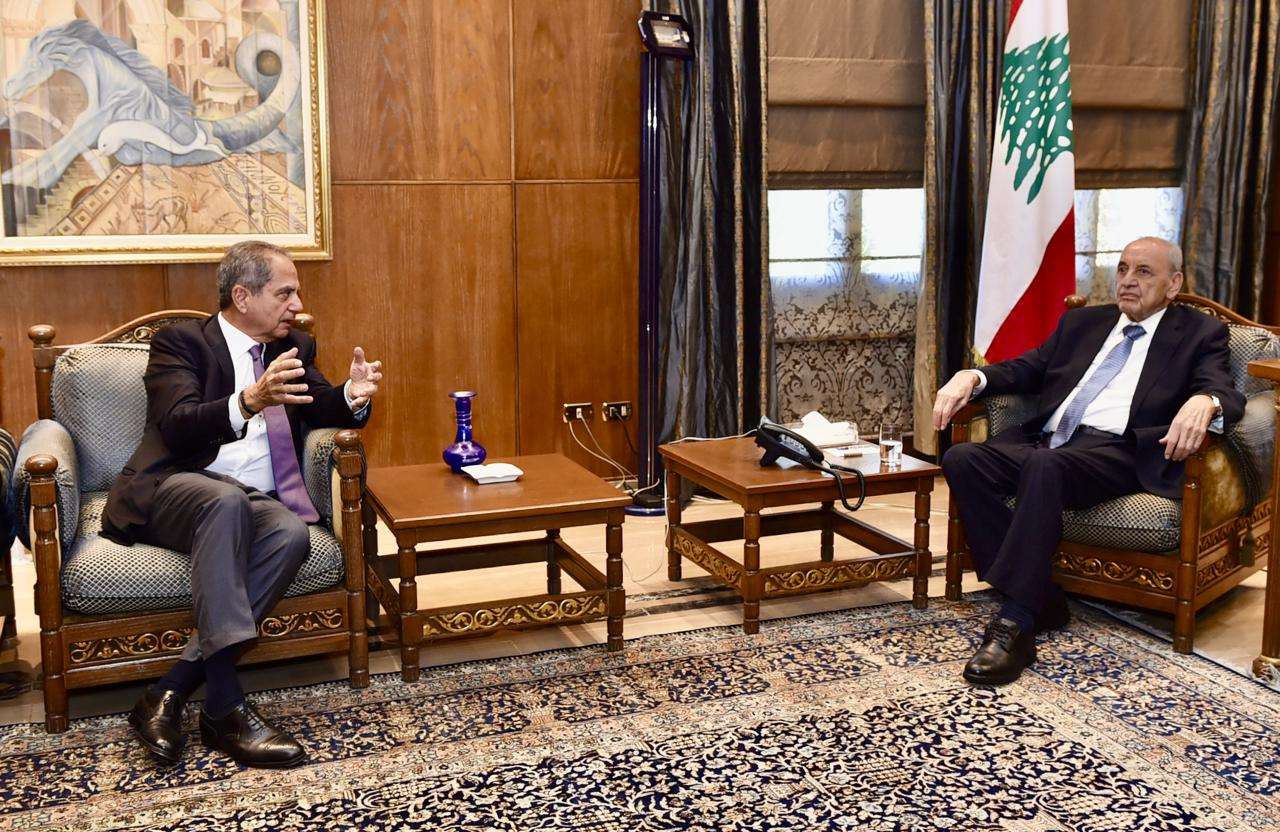
Parliament Speaker Nabih Berri received Progressive Socialist Party leader and Democratic Gathering bloc head MP Taymour Jumblatt and members of the bloc. The talks covered political and field developments, continued Israeli operations in Lebanon, and national and legislative issues.
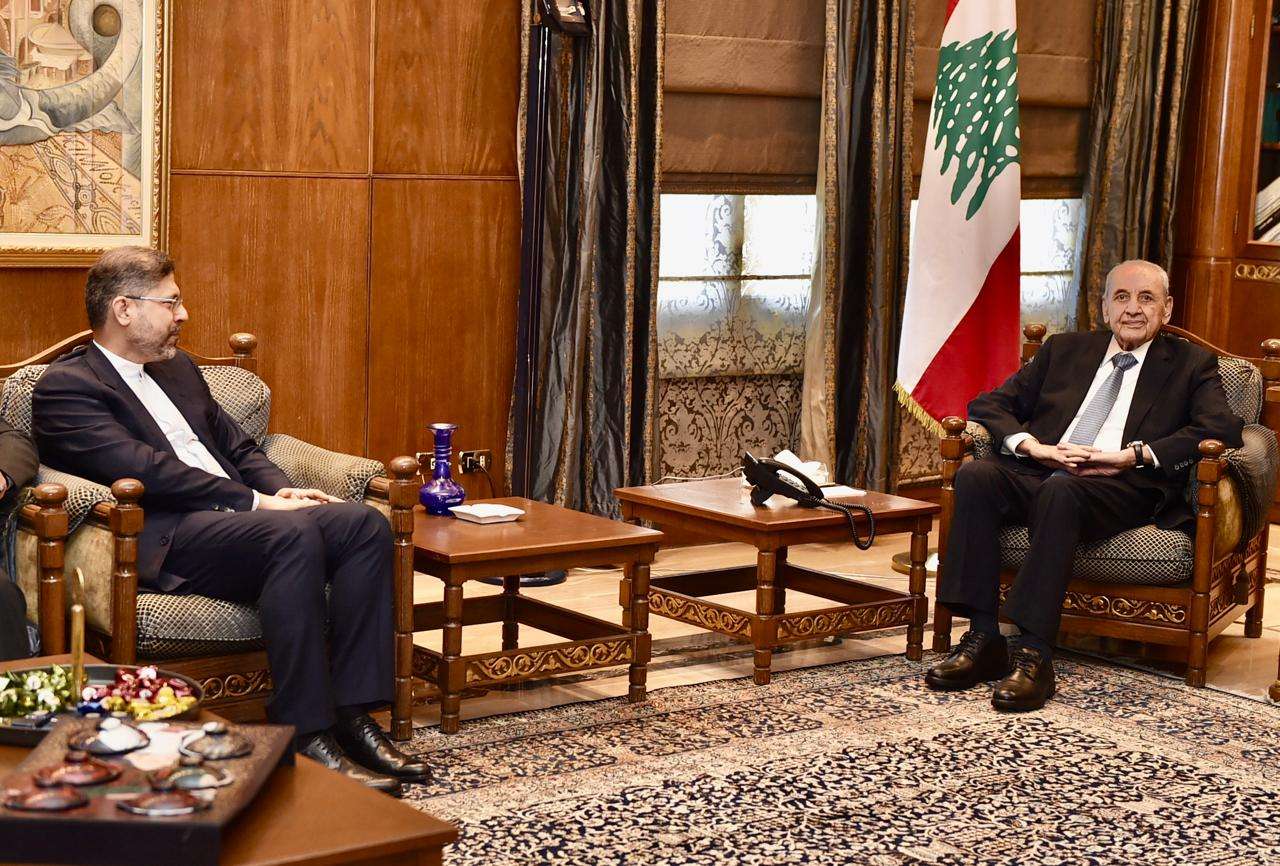
Berri also received Iranian Deputy Foreign Minister Saeed Khatibzadeh and an accompanying delegation, in the presence of Iran’s chargé d’affaires in Lebanon, Tawfiq Samadi.
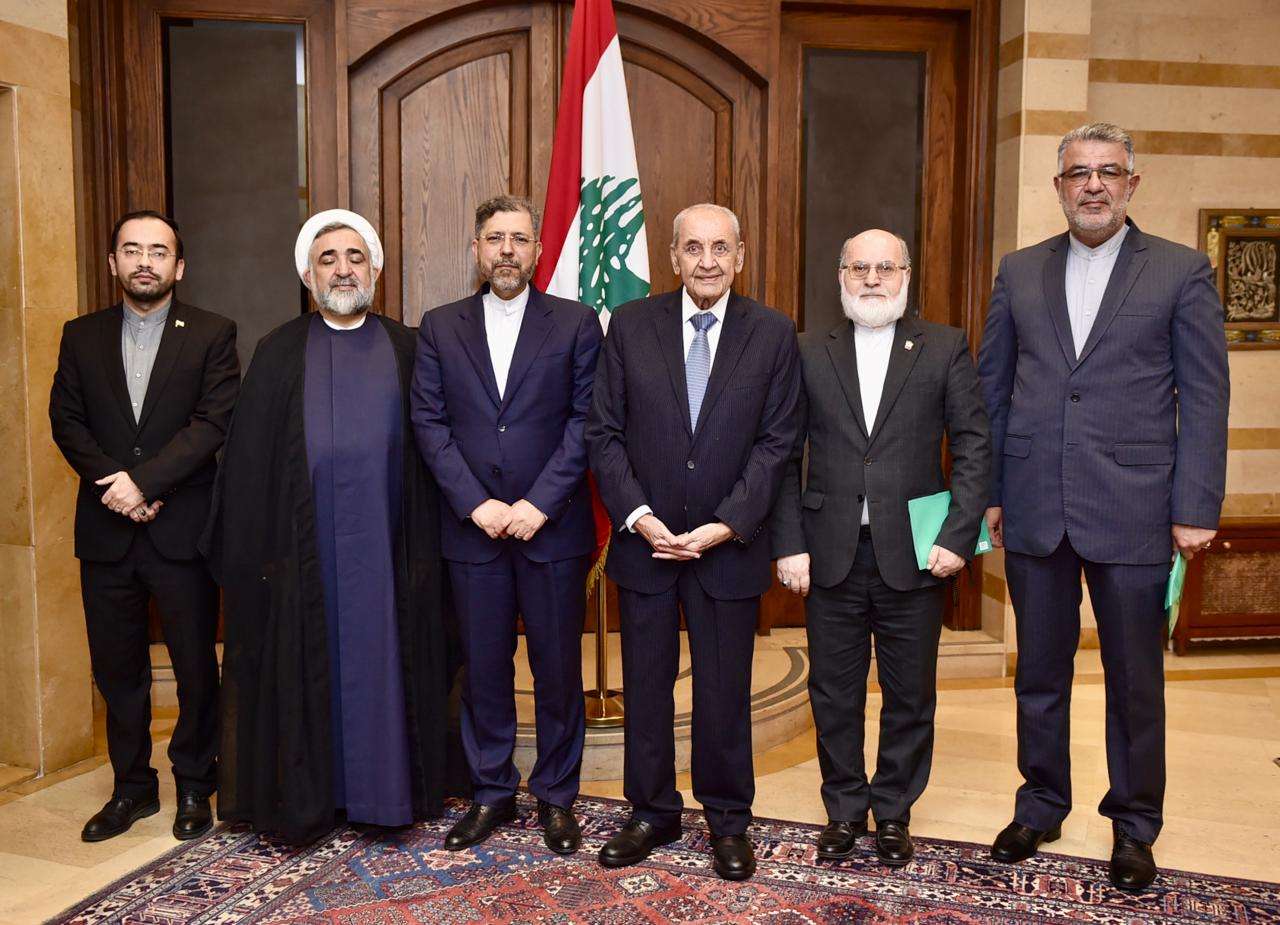
Khatibzadeh said after the meeting that his visit was intended not only to exchange views but also to strengthen coordination between Lebanon and Iran.
Berri also met Energy and Water Minister Joe Saddi to discuss conditions in the electricity sector and the ministry’s work programs, as energy returns to the forefront of Lebanon’s international contacts.
Aoun and Araghchi: Diplomacy before a return to war
The Iranian diplomatic activity in Beirut followed a phone call between Iranian Foreign Minister Abbas Araghchi and President Aoun concerning recent regional developments.
According to the Lebanese presidency, the two agreed on the need to support diplomatic solutions as the best means of ending conflicts in the region.
The message carries particular significance because of the direct connection between Israeli-Iranian tensions and the risk of renewed escalation on the Lebanese front.
Explosives truck puts the weapons issue back at the center of Lebanon’s domestic crisis
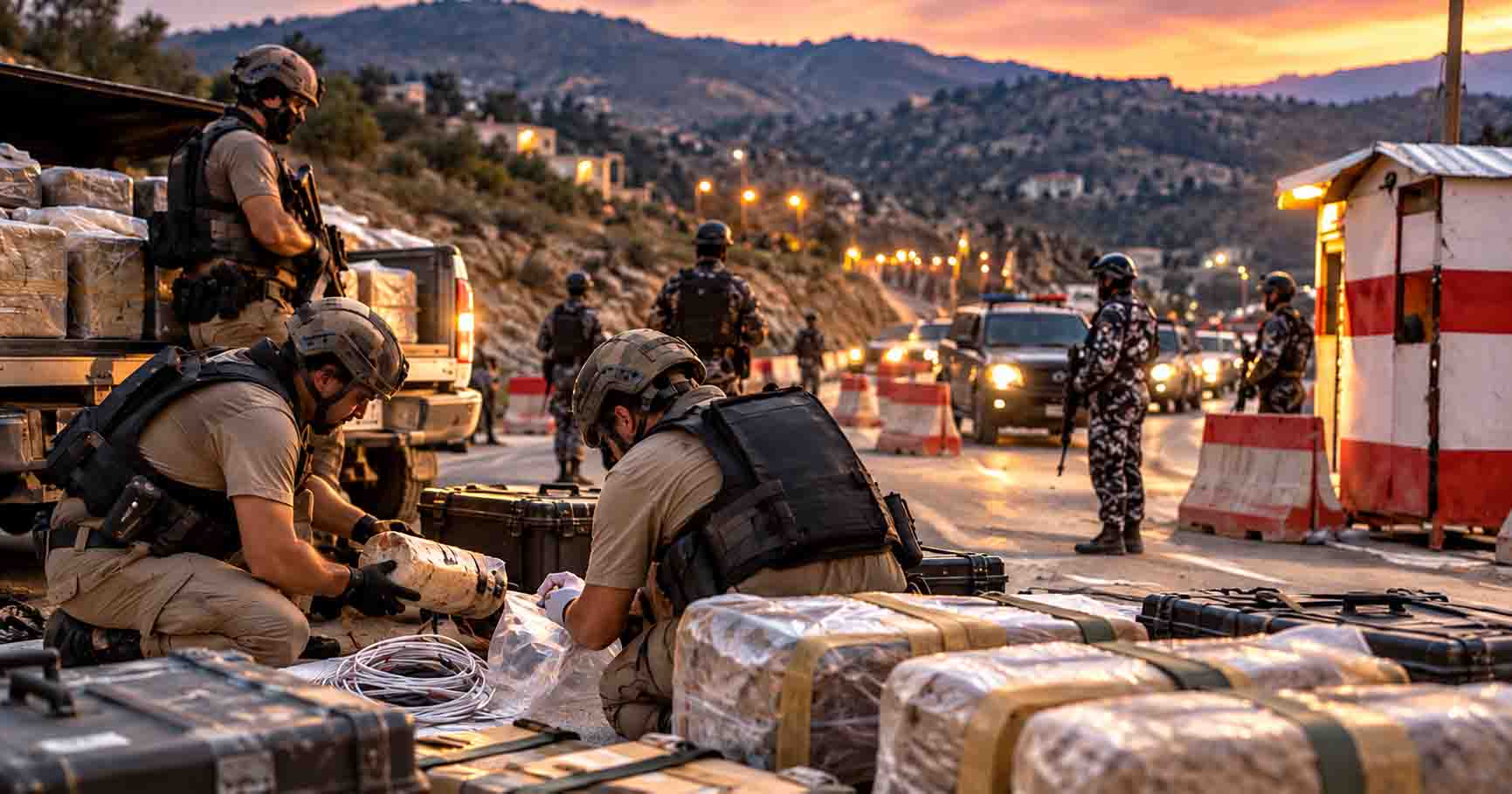
Domestically, the case of a truck carrying explosives seized at the Dahr al-Baidar checkpoint remained one of the country’s most sensitive issues.
Lebanese authorities seized about 780 kilograms of explosives, including TNT and C-4, and detained two people as part of the investigation.
Prime Minister Nawaf Salam had said a comprehensive investigation was underway and pledged firm action against the possession or transport of weapons and explosives outside state authority.
Hezbollah acknowledges ownership of the explosives
The case took a significant turn on Thursday when Hezbollah lawmaker Hassan Fadlallah said the vehicle and its cargo belonged to the group.
Fadlallah said the explosives were intended for use against Israeli forces inside Lebanese territory and called on the authorities to return the materials and release the detainees.
Reuters quoted a Hezbollah official as saying the explosives were intended for use in explosive drones against Israeli forces.
However, Lebanon’s judicial investigation has not yet been declared complete, and no independent judicial finding has established the final intended use of the materials or all the circumstances surrounding their transport.
Why did the C-4 raise such controversy?
The discovery of C-4 in particular triggered political and media debate because the powerful explosive has been used in security operations and assassinations in Lebanon and elsewhere.
That prompted speculation that the shipment could have been linked to domestic targets, a claim Hezbollah categorically rejected, saying the explosives were intended exclusively for use against Israeli forces.
No published judicial finding has so far substantiated the scenario of domestic targeting.
State control over weapons returns to the center of the political confrontation
The truck case goes beyond a security investigation and reaches directly into Lebanon’s core political dispute: who has the right to possess weapons and make military decisions?
The presidency and government say the army and security forces are required to enforce decisions banning armed displays, confiscating weapons and ammunition and combating smuggling, while Hezbollah links the future of its weapons to Israel’s continued military presence and threats against Lebanon.
Profile News previously examined the debate over state control of weapons and Hezbollah’s position amid growing domestic and international pressure to expand state authority.
Southern Lebanon: Strikes and shelling continue
On the ground, southern Lebanon remained the country’s most dangerous file on Oct. 15.
Field reports said airstrikes and artillery shelling continued in parts of the Tyre, Bint Jbeil and Nabatieh districts, including Mansouri, Wadi Zibqin, Kfar Tebnit, Wadi al-Hujair, Haddatha and the outskirts of Haris and Baraashit.
There were also reports of detonations, gunfire and military movements in several areas near zones under Israeli military control.
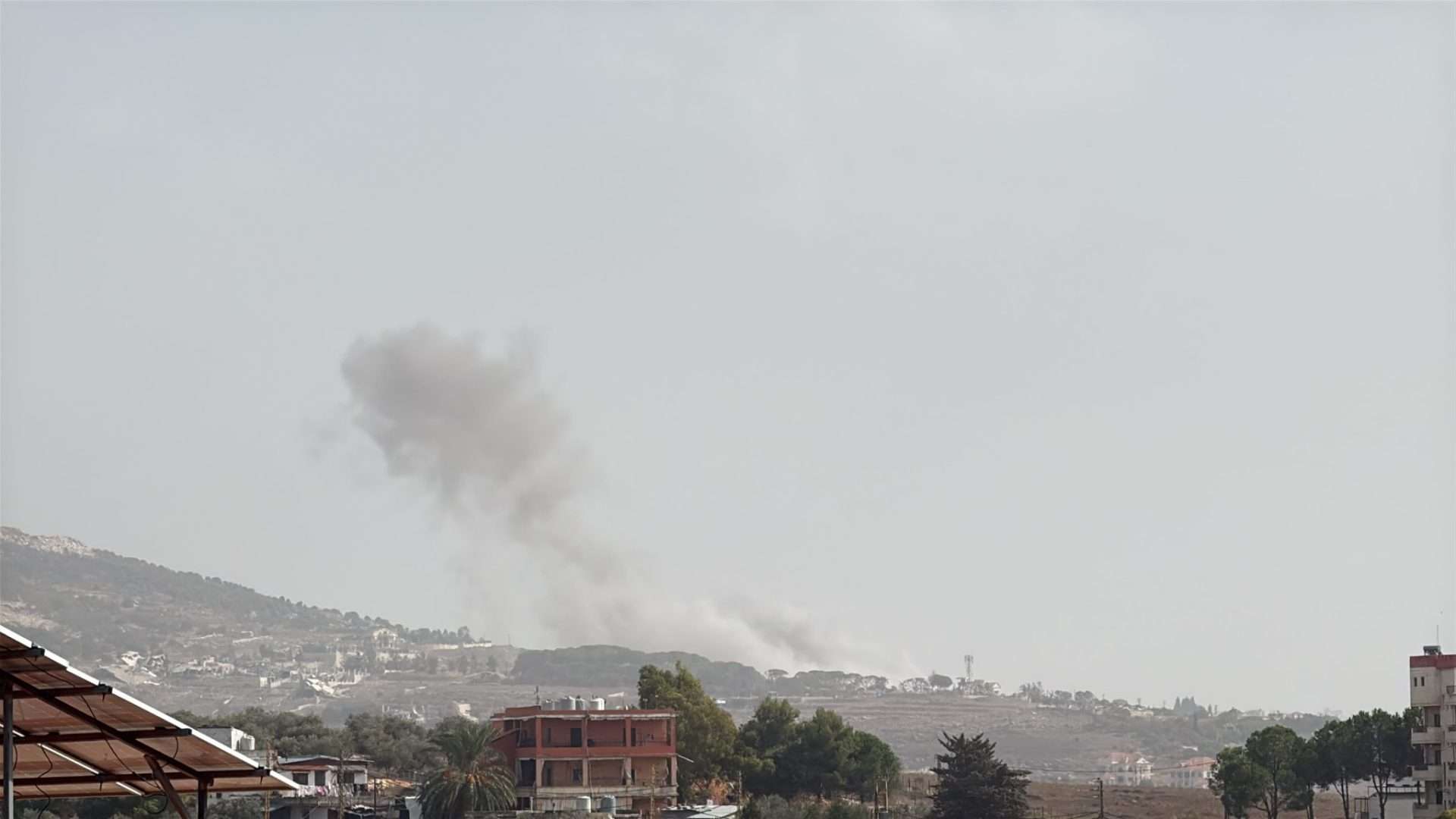
Profile News treats field developments according to the source of each reported incident and does not attribute every strike or shelling incident to an independent official statement unless such confirmation is issued.
Kfar Shouba farmers prevented from harvesting olives
Thursday also brought a development affecting residents’ daily lives after farmers from Kfar Shouba entered agricultural land to harvest olives before Israeli forces ordered them to leave.
Field reports said the farmers were told they would need to wait for approval through the coordination mechanism before returning to work.
The incident illustrates how the military presence and security restrictions are directly affecting the olive harvest, an important source of income for several southern villages.
Katz threatens to expand Israeli control
Military pressure on the ground coincided with sharper Israeli rhetoric.
Israeli Defense Minister Israel Katz warned that if Hezbollah participated in any new Iranian attack on Israel, the Israeli response would be broad and could include taking control of additional territory in southern Lebanon.
Katz mentioned Nabatieh and the Litani River while warning of a possible expansion of what Israel describes as its security zone.
These remain statements and threats by the Israeli defense minister, not a political agreement or an internationally recognized change to Lebanon’s borders.
Where do Lebanon-Israel negotiations stand?
Despite previous rounds of mediation and international contacts, there was no official announcement as of the evening of Oct. 15 of a new agreement resolving the remaining issues between Lebanon and Israel.
The main issues remain interconnected: Israeli withdrawal, border security arrangements, deployment of the Lebanese army, Hezbollah’s weapons, and guarantees and monitoring mechanisms for any agreement.
Profile News previously tracked the security arrangements between Lebanon and Israel and the international mediation surrounding them.
UNIFIL: 7,500 personnel and 50 positions await a decision
At the same time, UNIFIL’s future has entered a countdown phase.
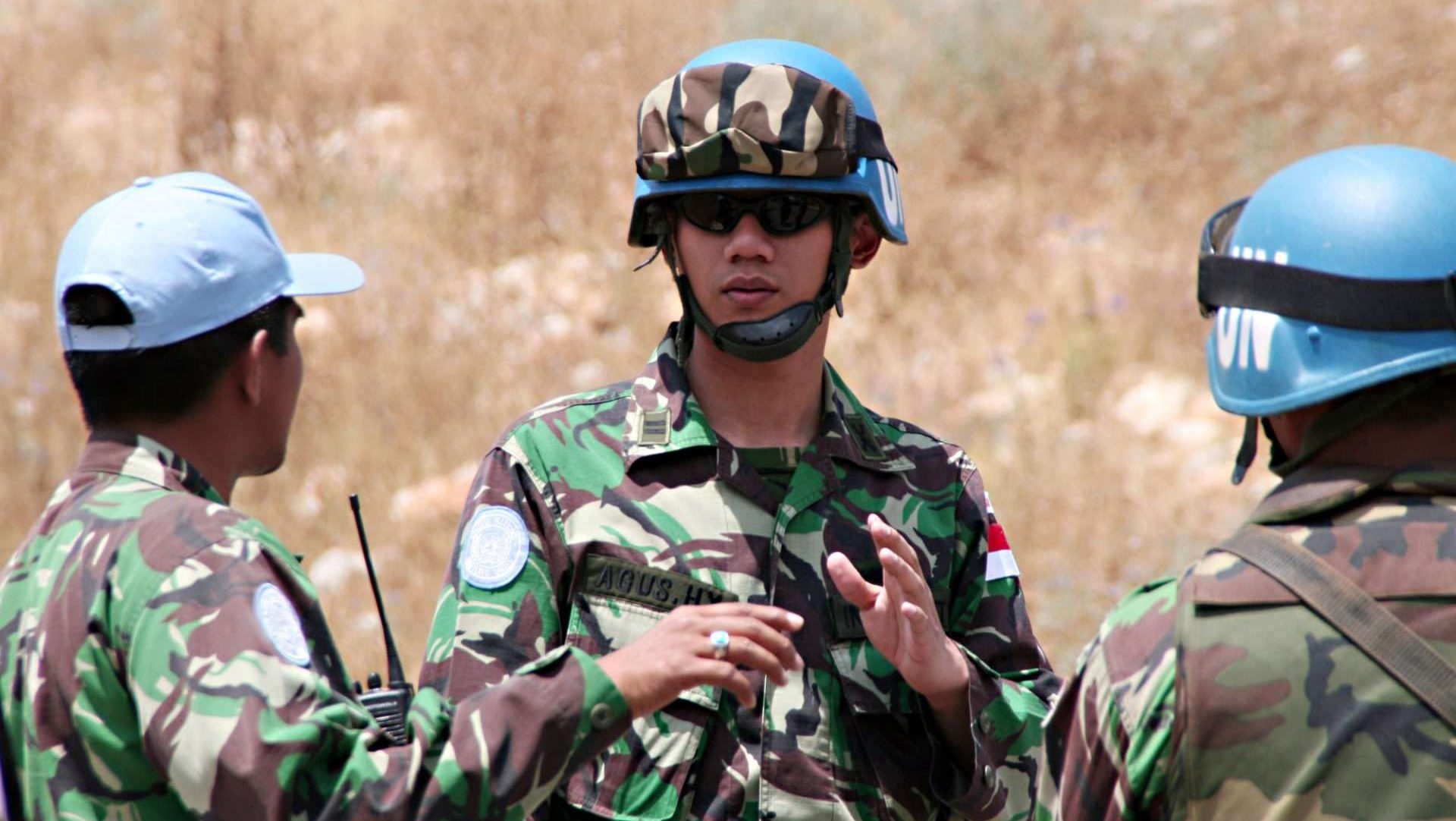
U.N. peacekeeping chief Jean-Pierre Lacroix said the Security Council needs to begin negotiations soon on the force’s future after its current mandate ends on Dec. 31, 2026.
About 7,500 UNIFIL personnel are deployed across roughly 50 positions in southern Lebanon, while Lebanon is seeking the continuation of the mission.
Under the current framework, unless a new decision is adopted, UNIFIL’s operations in their current form would end at the close of 2026, followed by an orderly drawdown and withdrawal during 2027.
Why can’t Lebanon wait until December to decide UNIFIL’s future?
A force of this size needs time to relocate personnel and equipment, hand over positions and determine which responsibilities would be transferred to the Lebanese army as the mission withdraws.
The process is further complicated because most UNIFIL positions, according to Reuters, are located in areas where Israeli forces are now present, leaving any direct handover to the Lebanese army unresolved.
UNIFIL also operates a communications channel between the Lebanese and Israeli militaries that helps contain incidents and prevent them from escalating into broader clashes.
European Union prepares to support the army and security forces
The European Union established a new mission on Oct. 12 to support Lebanon’s security institutions, with an initial three-year mandate and both military and civilian components.
The military component will focus on training and supporting the Lebanese army in border and maritime security, while the civilian component will work with the Internal Security Forces on issues including anti-smuggling efforts and cybercrime.
Profile News explains the expected role of the European Union mission in Lebanon.
However, the European mission is not a direct replacement for UNIFIL and does not currently have a comparable peacekeeping or monitoring mandate.
The Lebanese army sits at the center of every track
Almost every current issue ultimately leads back to the Lebanese army.
The military is being asked to expand its deployment in the south, control weapons and ammunition, combat smuggling and potentially assume responsibility for additional positions as UNIFIL withdraws, while also confronting ongoing field tensions and major logistical needs.
That makes support for the army one of the issues most likely to feature in upcoming Qatari, European and other international discussions with Beirut.
Reconstruction: Hezbollah launches a new aid program
Alongside the security files, the social burden caused by destruction and displacement is widening.
Hezbollah has announced a program to assist families whose primary homes were destroyed, with aid reaching up to $14,000 for some households in Beirut and its southern suburbs and $12,000 in other areas, subject to the program’s conditions.
Reuters previously cited two sources as saying Hezbollah had received about $200 million from Iran to support displaced people, while Washington questioned Tehran’s ability to provide the funds. Hezbollah has not officially confirmed the amount or the source of the financing.
Electricity returns to the political agenda
Berri’s meeting with Energy Minister Joe Saddi, along with reports that electricity could be discussed during the Qatari visit, have pushed one of Lebanon’s longest-running crises back to the forefront.
No Qatari agreement to address the electricity crisis has been announced so far, but any announcement during Friday’s meetings could shift the visit from political support toward a measurable economic project.
Economy: Lebanon has not yet reached an IMF program
Financially, Lebanon still needs to take additional steps before reaching a new financing program with the International Monetary Fund.
The IMF is calling for the banking resolution law to enter into force, legislation to address the financial gap in line with internationally accepted standards, as well as a 2027 budget and medium-term fiscal framework that takes debt sustainability into account.
How losses from Lebanon’s financial collapse will be distributed among the state, the central bank, commercial banks and depositors also remains one of the most difficult unresolved issues.
In a new regional economic update on Thursday, the IMF warned that prolonged war and renewed disruptions to energy, shipping and infrastructure posed the greatest risks to the regional economy.
Why have Lebanon’s crises become so interconnected?
It is no longer possible to separate developments in the south from domestic politics or the economy.
Israeli withdrawal is linked to future security arrangements, which in turn are tied to army deployment and state control over weapons. UNIFIL’s future is linked to the army’s ability to assume greater responsibilities, while the military itself requires international funding and support.
At the same time, reconstruction requires foreign financing and political confidence, and that confidence is tied to banking and financial reforms and Lebanon’s relationship with international institutions.
What to watch in the coming hours
The first key development will be the Qatari prime minister’s meetings on Friday, particularly whether they produce an official announcement on support for the army, electricity or reconstruction.
The second will be the investigation into the explosives truck, following Hezbollah’s acknowledgment that the materials belonged to the group and the state’s insistence that judicial and security procedures will continue.
The third is southern Lebanon: whether escalation remains within its current pattern or Israeli threats translate into broader military operations.
The fourth is UNIFIL, as time narrows for the Security Council to determine whether Lebanon enters 2027 with a modified U.N. presence or with the beginning of the international force’s withdrawal.
For continuing coverage of Lebanon’s broader crisis, these four tracks — security, diplomacy, weapons and the economy — remain the most likely to shape developments in the coming days.
Sources
- Profile News — Field coverage in Lebanon
- Lebanese Prime Minister’s Office — Qatari prime minister’s visit schedule
- Reuters — IMF says Lebanon needs key reforms