Riyadh Airport Closed Until October 17 as Global Airlines Suspend Flights
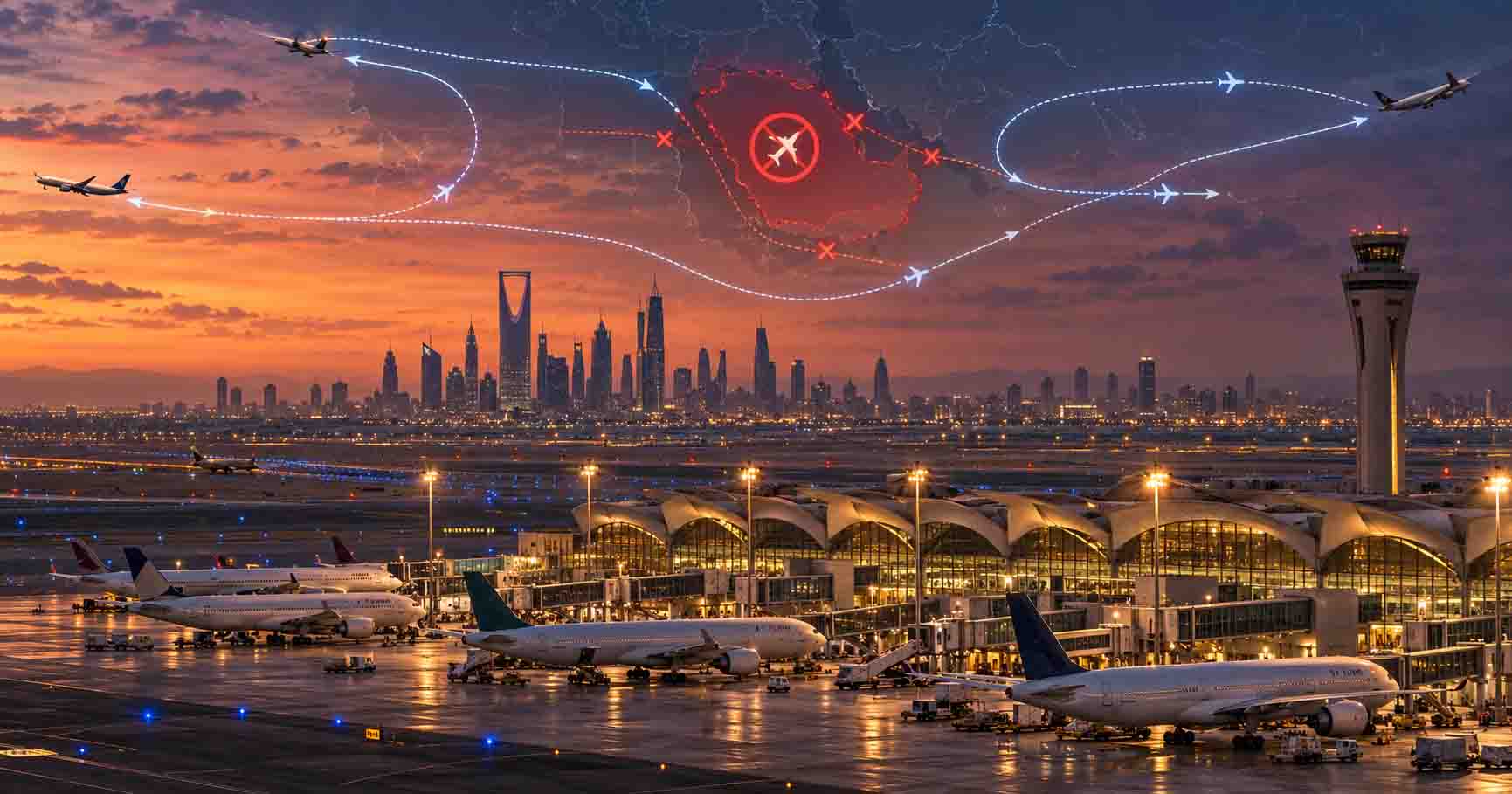
The prolonged shutdown of Riyadh Airport has turned a security crisis into a wider disruption of regional and international aviation, with Saudi authorities extending the suspension of operations at King Khalid International Airport until October 17 and airlines across Europe, Asia and the Gulf cancelling or postponing services.
The impact now reaches beyond one airport. Aircraft are avoiding the Saudi capital, international carriers are redrawing schedules for days or weeks, and new routes are being postponed as airlines reassess the risks of operating to and over the kingdom.
Riyadh Airport will remain closed until October 17
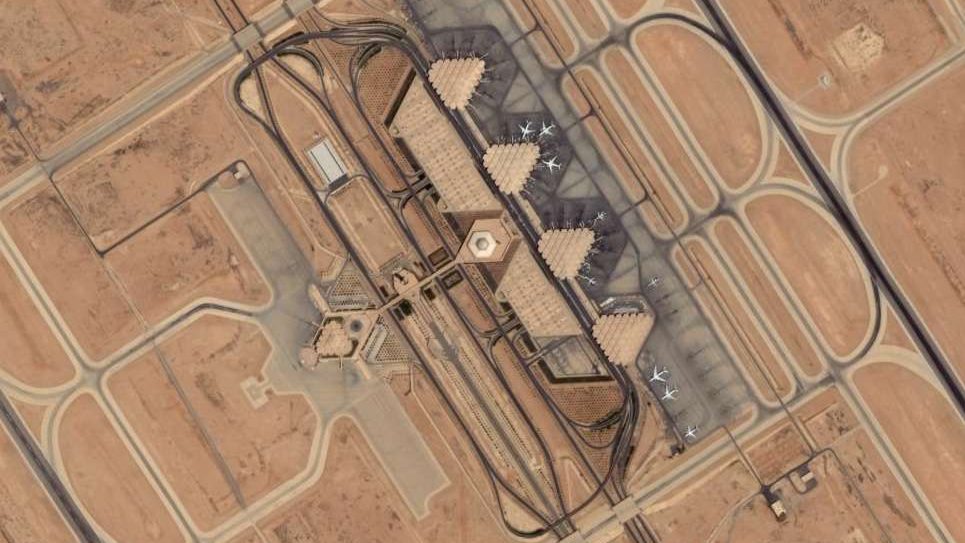
Saudi Arabia’s General Authority of Civil Aviation extended the suspension of operations at King Khalid International Airport to allow safety inspections and operational-readiness procedures to continue.
A Notice to Air Missions issued on Monday showed that the airport is scheduled to remain closed until 2100 GMT on October 17.
King Khalid is Saudi Arabia’s second-busiest airport after Jeddah, meaning a multi-day shutdown affects a broad network of domestic and international connections.
Air traffic is avoiding the Saudi capital
Flightradar24 data showed aircraft largely avoiding Riyadh on Monday even as planes continued to cross other parts of Saudi airspace and land at Jeddah.
Aviation analytics company Cirium said cancellations across all Saudi airports reached 46.4%.
The scale of disruption shows that the problem has moved beyond a single terminal, particularly after attacks also affected Dammam and aviation authorities widened security precautions.
Major airlines suspend Riyadh services
Lufthansa Group carriers cancelled all flights to Riyadh through October 16.
Air France-KLM extended its suspension of services to and from the Saudi capital through the end of October, while Etihad Airways suspended Saudi services through October 13.
IndiGo cancelled Riyadh and Dammam routes through October 15, and Gulf Air cancelled Riyadh flights between October 12 and October 17.
Philippine Airlines extended its Riyadh suspension through November 29, while Cathay Pacific postponed the resumption of its Hong Kong-Dubai and Hong Kong-Riyadh routes until January 31, 2027.
Delta delays its first nonstop Saudi route until 2027
Delta Air Lines postponed the planned launch of its Atlanta-Riyadh nonstop service from October 23 until March 2027.
The route would have been Delta’s first direct passenger service to Saudi Arabia and would have made it the only major US carrier operating nonstop passenger flights to the kingdom.
Delta said it remains in contact with government and aviation partners, including Saudia and Riyadh Air, while monitoring the security environment.
The cost goes beyond cancelled tickets
A prolonged airport shutdown forces airlines to reposition aircraft and crews, rebuild connecting itineraries, reroute passengers and cargo and manage compensation and accommodation costs.
Longer flight paths can also increase flying time and fuel consumption at a moment when airlines are already dealing with elevated jet-fuel prices.
That means the disruption can move quickly from a passenger inconvenience into a broader operating-cost problem.
US and European aviation warnings widen the risk picture
The US Federal Aviation Administration has advised American operators to exercise caution when flying to or over Saudi Arabia because of military activity and possible interference with navigation systems.
Europe’s aviation safety agency has also widened its warning covering Saudi airspace because of missile, drone and interception risks.
The question for airlines is therefore no longer limited to whether King Khalid Airport itself is operational, but whether routes through surrounding airspace can be operated within acceptable safety margins.
How the shutdown developed
The airport has been closed since Saturday’s deadly attack, which killed 13 people and wounded more than 300.
A second attack on Sunday killed one person and injured 11 others.
Profile News has followed the escalation in its coverage of the Riyadh airport attack.
Late Monday, the Houthis said they targeted the airport with a ballistic missile, while Saudi Arabia said its air defences intercepted and destroyed a ballistic missile fired toward Riyadh.
Each operational claim remains attributable to the party that issued it unless independently verified.
Can Jeddah absorb Riyadh’s traffic?
Jeddah’s continued operation provides Saudi Arabia with a major alternative gateway, but it cannot simply replace Riyadh’s role as the country’s main business and administrative centre.
Different route networks, connecting schedules and the physical distance between the two cities mean diversions to Jeddah offer only a partial operational solution.
Business and investment are also exposed
The disruption comes during a period of major international events in Riyadh, including energy and investment conferences.
Some senior energy executives have already withdrawn from events in the capital, illustrating how aviation disruption can affect business travel and international participation even when conferences formally continue.
Why aviation has become an economic risk
Aviation is central to Saudi Arabia’s strategy to expand tourism, business travel and non-oil services.
A prolonged disruption to air connectivity with the capital therefore matters economically as well as operationally.
The next test will be whether King Khalid reopens on schedule, major international airlines restore service and aviation authorities begin easing their airspace warnings.
Sources
- Saudi Press Agency – King Khalid Airport operational suspension
- Reuters – Riyadh airport closure and airline disruption