US Inflation Jumps to 3.7% as Gasoline Surge Revives Fed Rate-Hike Bets
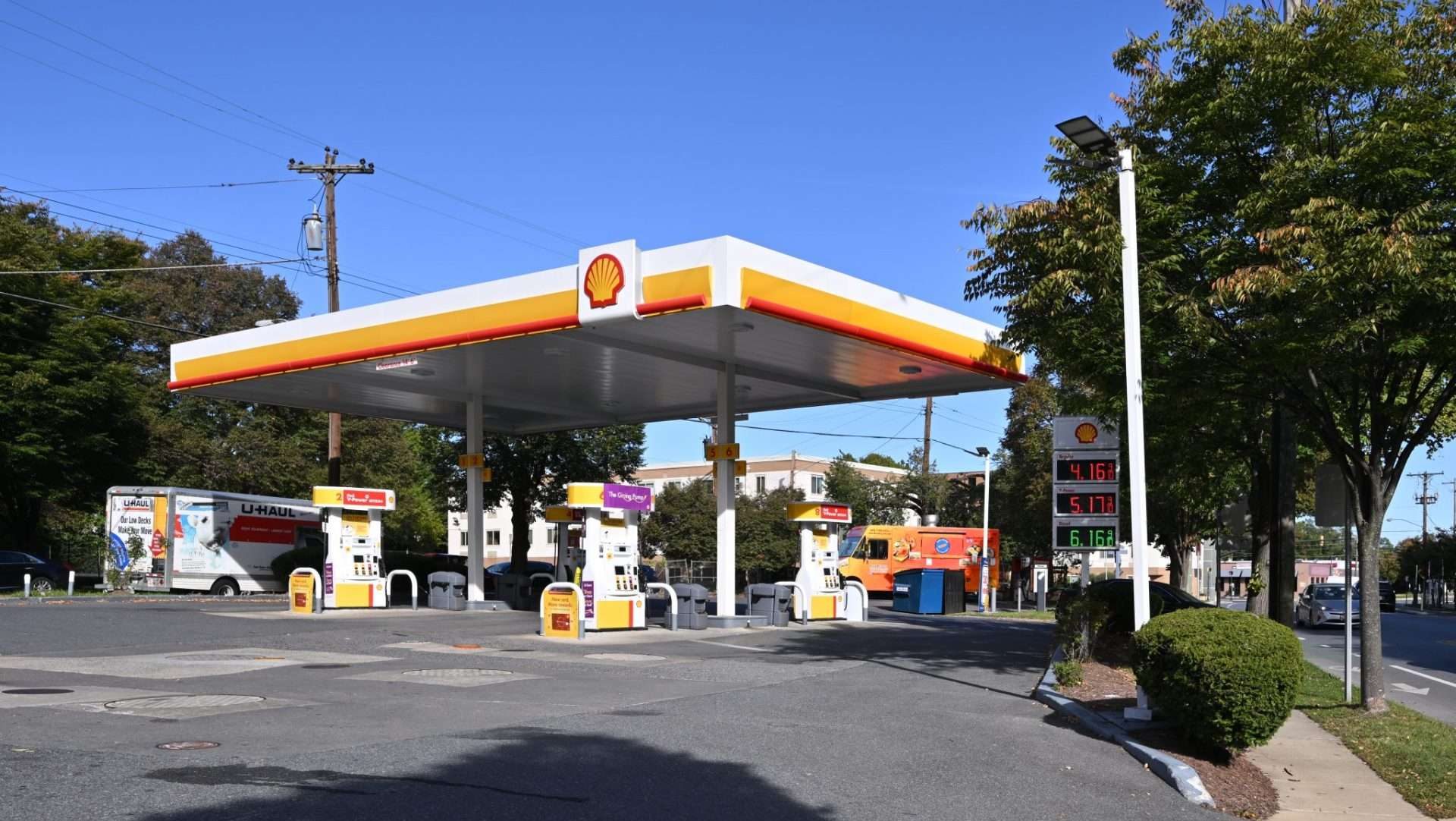
US inflation accelerated to 3.7% year over year in September 2026, exceeding market expectations as gasoline prices jumped 9.1% in a single month, sending the dollar and Treasury yields higher and reviving expectations that the Federal Reserve could raise interest rates again.
The Consumer Price Index increased 0.6% from August, the U.S. Bureau of Labor Statistics said Wednesday, while annual inflation accelerated from 3.4% a month earlier.
US inflation rises to 3.7%
Headline consumer prices rose 3.7% over the 12 months through September.
Core inflation, which excludes volatile food and energy prices, increased 0.3% for the month and 2.6% from a year earlier.
The annual headline figure came in above the 3.6% rate expected by economists, while core inflation was also slightly hotter than forecasts.
Gasoline jumps 9.1% in one month
Energy was the biggest driver of the acceleration.
The gasoline index surged 9.1% in September and accounted for more than half of the monthly increase in the overall CPI, according to the Labor Department.
The broader energy index climbed 5.2% in September and was 20.4% higher than a year earlier.
Gasoline prices were up 34.2% year over year, while fuel oil was 74.2% more expensive.
Shelter rises while food prices are flat
Shelter costs increased 0.4% in September following a 0.3% rise in August, maintaining pressure on underlying inflation.
The overall food index was unchanged during the month.
Food at home prices slipped 0.1%, while food away from home increased 0.2%.
Dollar jumps after CPI release
Financial markets reacted within minutes.
The dollar index rose nearly 0.4% to levels not seen since April 2025 as traders reassessed how long US monetary policy would remain restrictive.
Higher-than-expected inflation reduces the Federal Reserve’s room to ease policy and raises the possibility of another rate increase if price pressures persist.
Treasury yields climb
The two-year US Treasury yield jumped about seven basis points to roughly 4.872% after the report.
The two-year yield is particularly sensitive to expectations for Federal Reserve interest-rate policy.
Profile News has previously tracked the rise in US Treasury yields as markets adjust to the prospect of borrowing costs remaining elevated.
Fed rate-hike probability rises toward 47%
Before the CPI release, futures markets implied roughly a 20% probability of a Federal Reserve rate increase at its next meeting.
After the data, those odds rose to about 47%, according to market pricing cited by Reuters.
That does not make a rate increase certain, but it shows how sharply expectations shifted after the inflation report.
Wall Street turns lower
US stocks fell after the data, reversing gains in equity futures seen before the release.
The S&P 500 was down about 0.6% in early trading, while the Nasdaq fell close to 0.8%, with technology, semiconductor and banking shares under pressure.
Higher yields tend to weigh particularly heavily on growth and technology companies because they reduce the present value investors assign to future earnings.
Bank stocks add to the pressure
Inflation data arrived alongside another round of major US bank earnings.
Bank of America shares fell sharply after the lender reported lower quarterly profit and set aside $1.2 billion for potential regulatory penalties.
The S&P 500 banking index fell to around a four-month low during the session.
Social Security benefits rise 3.6%
The inflation figures also have a direct impact on millions of US households.
The Social Security Administration announced a 3.6% cost-of-living adjustment for 2027, covering roughly 76 million Americans receiving Social Security or Supplemental Security Income benefits.
For about 72 million Social Security recipients, the increase will begin in January 2027.
Why energy is becoming a Fed problem
The Federal Reserve cannot directly control global oil or gasoline prices through interest rates.
But sustained high energy costs can eventually feed into transportation, freight, manufacturing and service prices, making inflation broader and more persistent.
That is why investors are now watching whether September’s acceleration proves to be a temporary energy shock or the beginning of another broader inflation wave.
What higher inflation means for consumers
For households, faster inflation means purchasing power is eroding more quickly.
The most visible impact is currently at gasoline pumps, but higher interest rates can also increase costs for credit cards, auto loans, mortgages and business borrowing.
Savers, meanwhile, can benefit from higher yields on some accounts and fixed-income products.
What markets watch next
Investors will now focus on upcoming producer-price data and comments from Federal Reserve officials for signs that September’s inflation acceleration could translate into another interest-rate increase.
The market equation changed quickly after Wednesday’s report: inflation is accelerating, energy costs remain elevated and the possibility of another Fed hike is firmly back in play.
Sources
U.S. Bureau of Labor Statistics — Consumer Price Index, September 2026