Saudi-Houthi Escalation: Sanaa Oil Facilities Hit as Aramco and Riyadh Airport Are Threatened
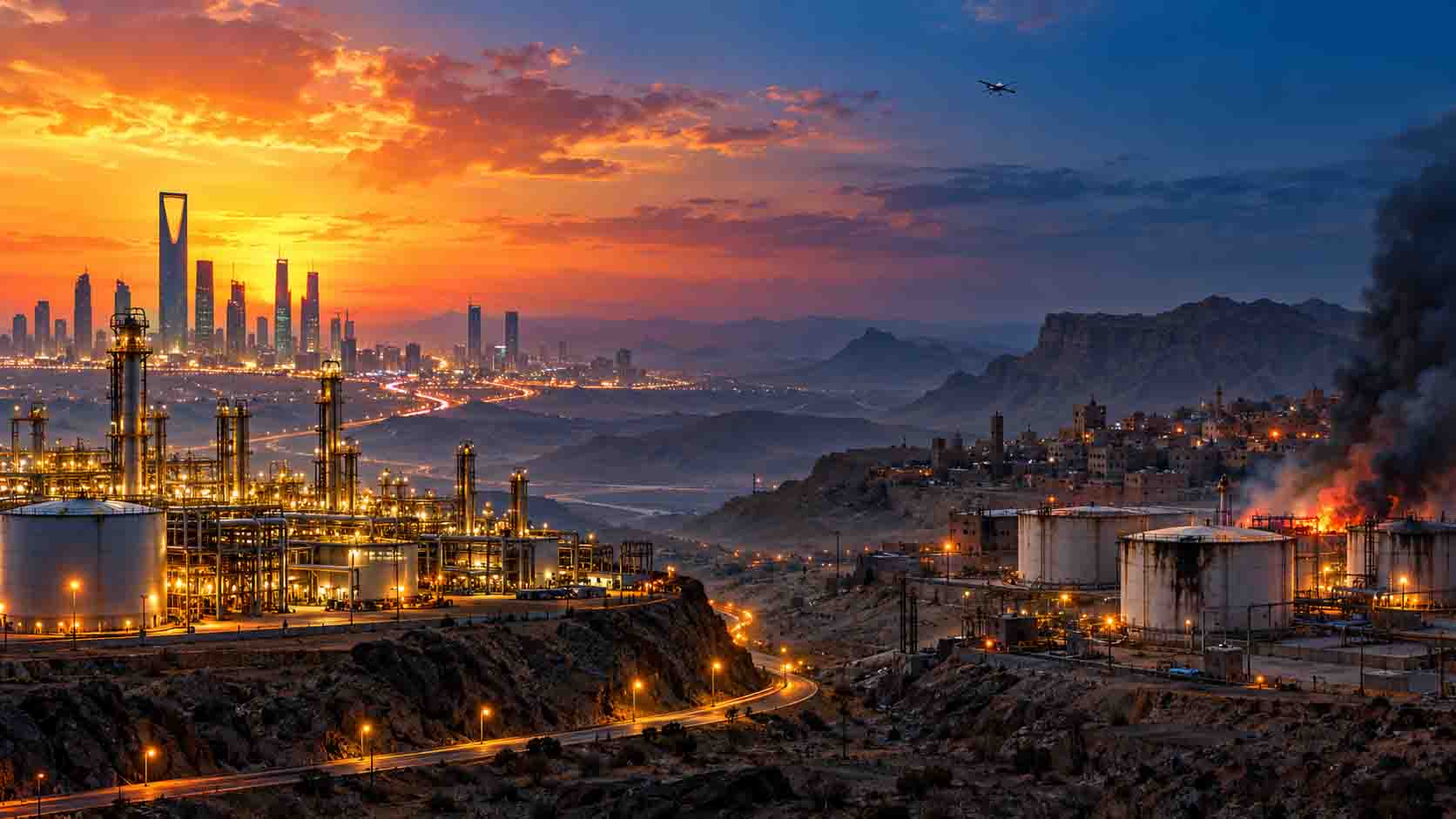
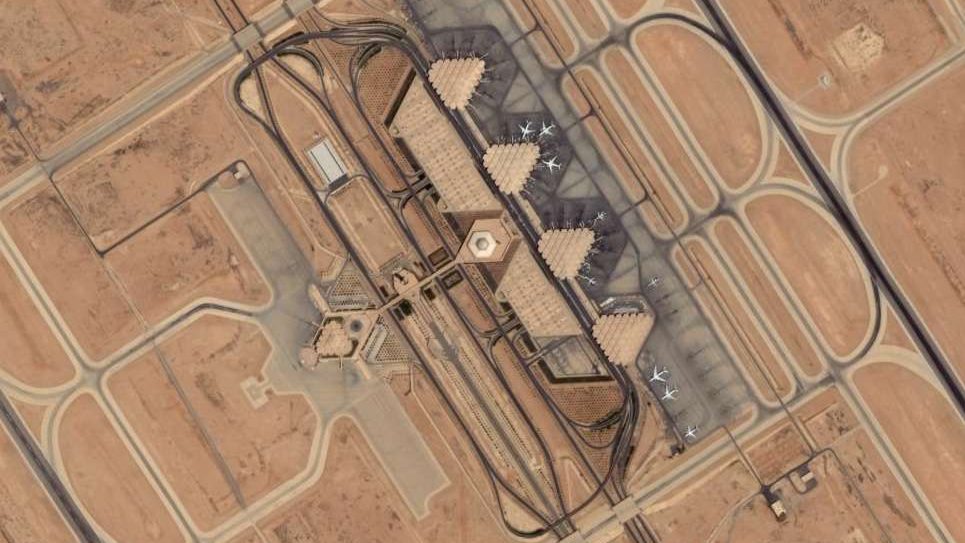
A new Saudi-Houthi escalation unfolded on Tuesday, October 13, 2026, as the Saudi-led coalition struck oil facilities west of Sanaa after ordering civilians to evacuate, while Yemen’s Houthis threatened Saudi Aramco facilities and Riyadh’s King Khalid International Airport in response.
The confrontation moved within hours from reciprocal evacuation warnings to actual military strikes, raising the risk to energy and aviation infrastructure on both sides following a week of deadly attacks inside Saudi Arabia.
Saudi-Houthi escalation moves from warnings to strikes
The Saudi-led coalition first ordered civilians to leave the Yemen Oil Company’s Al-Sabahah central station in Sanaa and surrounding areas ahead of what it described as a planned military operation.
Coalition spokesman Turki al-Maliki released a map identifying the location and said civilians should evacuate for their own safety.
Shortly afterward, the Associated Press reported, citing the Houthi-run Al Masirah broadcaster and residents of the Yemeni capital, that airstrikes had hit oil facilities west of Sanaa and explosions were heard in the area.
It was not immediately clear which facilities sustained damage or how extensive it was. No confirmed casualty toll from the new strikes had been announced at the time of publication.
Houthis threaten Aramco and Riyadh airport
Before the strikes, Houthi military spokesman Yahya Saree warned that an attack on Sanaa would trigger what he described as a severe response in Riyadh.
The group also warned employees and civilians to stay away from Saudi Aramco facilities, saying oil installations could be treated as military targets.
In a statement reported by Anadolu Agency, the Houthis identified three potential targets if the announced sites in Sanaa were struck: Aramco’s headquarters in Dammam, the company’s Riyadh refinery and King Khalid International Airport.
Those locations remained threatened targets rather than confirmed targets of new attacks linked to Tuesday’s warning at the time of publication.
What is the Al-Sabahah site?
The Al-Sabahah station is operated by the Yemen Oil Company west of Sanaa and is associated with fuel storage infrastructure.
The company said through Houthi-linked media that storage facilities there were empty and that a strike would not affect fuel reserves available to civilians. That claim could not be independently verified.
The coalition did not immediately provide detailed public information about the specific military objective or the extent of damage.
Escalation follows deadly Riyadh airport attacks
The confrontation follows a series of attacks on Riyadh airport that killed civilians, wounded hundreds and caused major disruptions to Saudi air travel.
The Houthis have claimed attacks on Saudi airports and oil infrastructure, while the Saudi-led coalition has intensified operations in Yemen and backed government forces fighting to regain Houthi-held territory.
Aramco returns to the center of regional risk
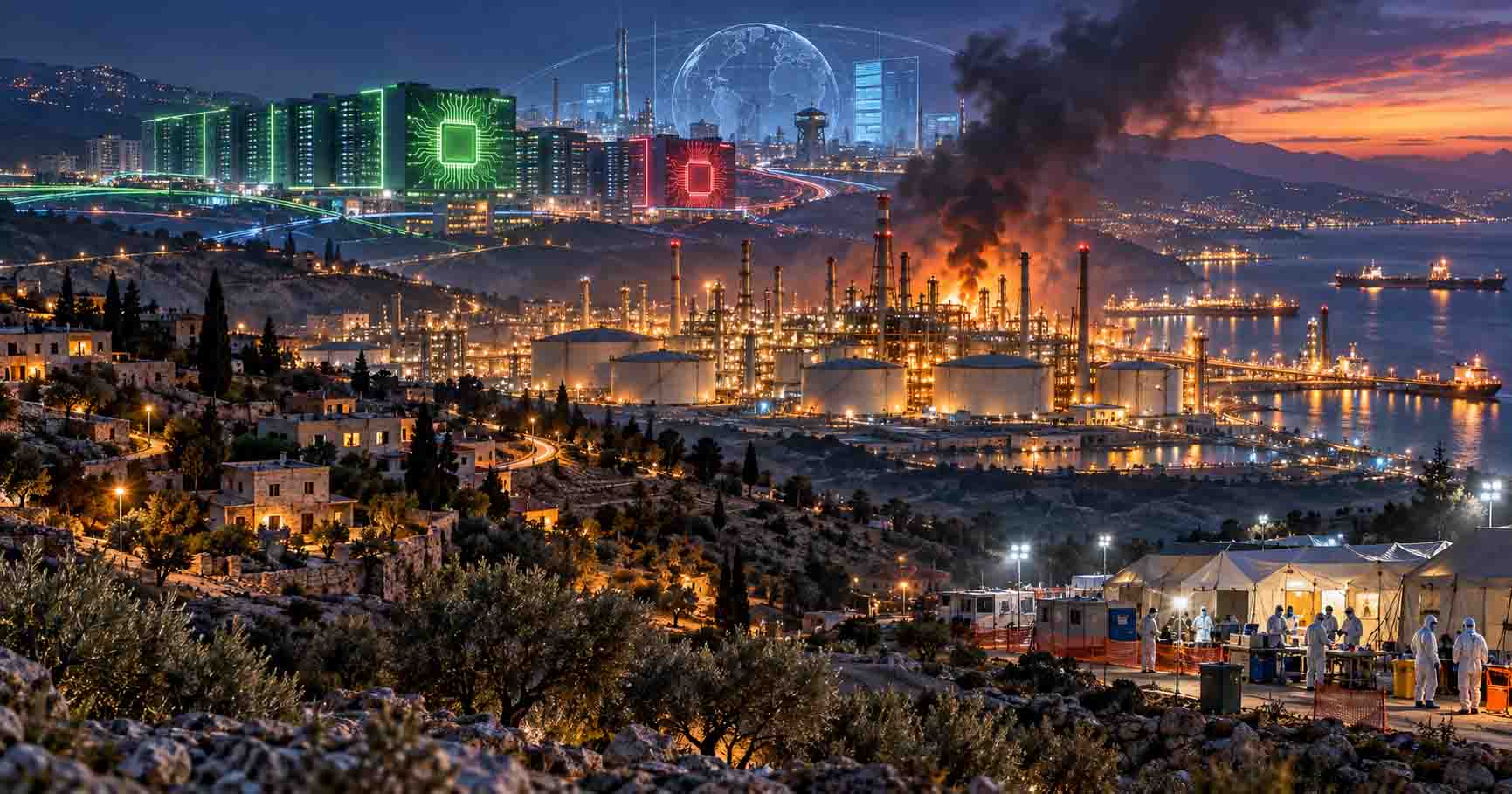
The renewed threat to Saudi Aramco carries implications beyond the immediate Saudi-Houthi conflict because the company’s production, refining and export infrastructure is central to global energy supply.
Saudi Arabia sharply increased oil production in September, according to OPEC data, while Aramco increased loadings from Gulf export terminals following disruption to the East-West pipeline.
A successful attack on major production, refining or export infrastructure could therefore have consequences for international oil prices and shipping flows.
Oil prices have not surged — yet
Brent crude traded near $106 a barrel on Tuesday even as tensions intensified, with markets balancing Middle East supply risks against expectations that a possible US-Russia diesel arrangement could add supply.
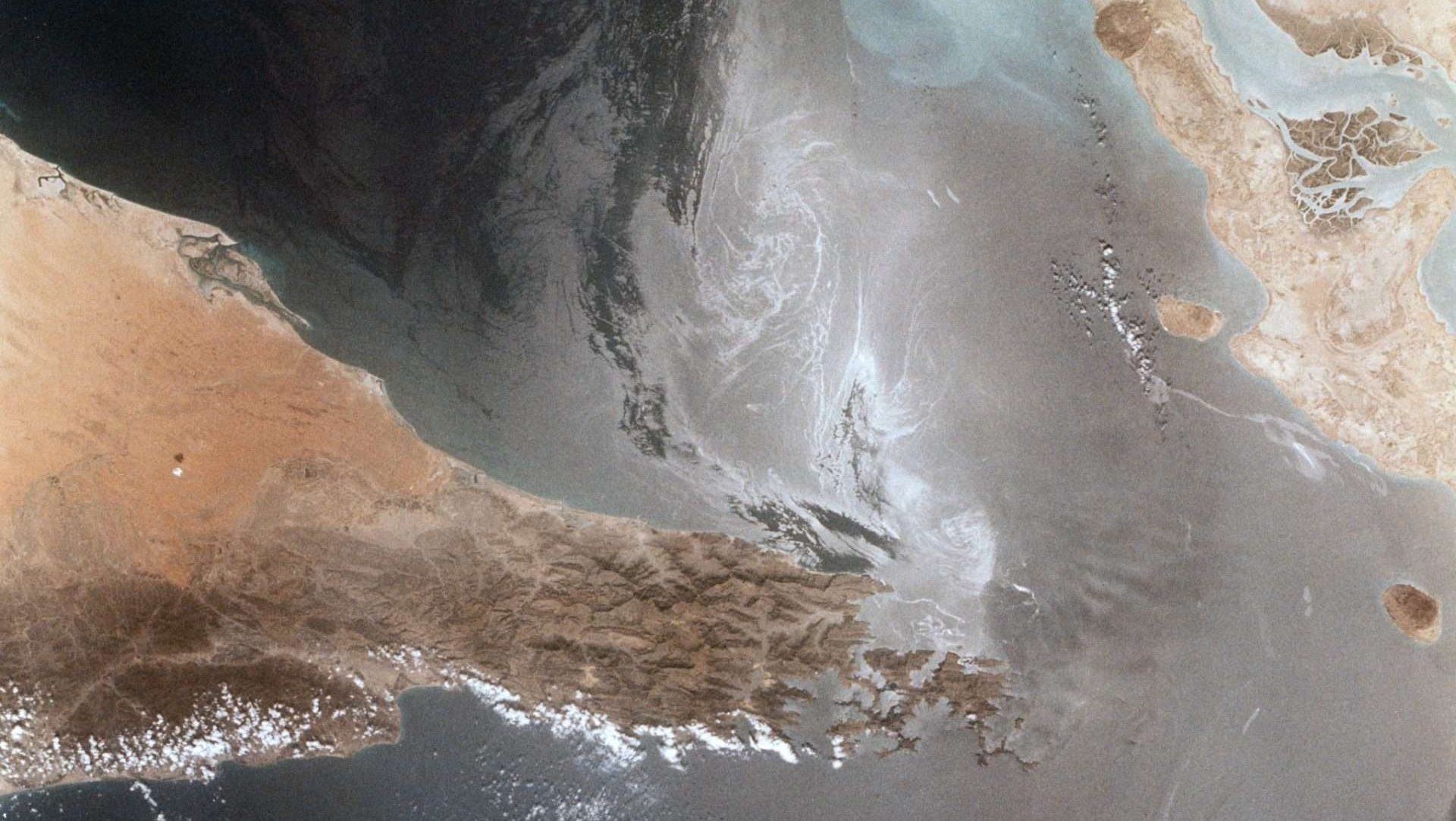
But threats to Saudi energy infrastructure continue to support a significant geopolitical risk premium as instability persists around both the Strait of Hormuz and the Red Sea.
From Sanaa to Riyadh, evacuation warnings become part of the conflict
The most significant feature of Tuesday’s escalation was not simply another strike, but the use of explicit civilian evacuation warnings around strategic energy and transport sites by both sides.
The coalition publicly identified the Sanaa site before striking the area. The Houthis then issued their own warnings for civilians and workers to leave Saudi sites they said could be targeted in retaliation.
With strikes now confirmed in Sanaa, the next question is whether the Houthi threats against Saudi energy and aviation infrastructure remain deterrent messaging or develop into a new round of attacks inside the kingdom.
Sources
- Reuters — Saudi-led coalition orders evacuation of Yemen oil facility in Sanaa
- Associated Press — Oil facilities struck west of Sanaa
- Anadolu Agency — Houthis threaten Saudi Aramco sites and Riyadh airport