Iran Changes Hormuz Tactics as Five Shipping Incidents Hit in 48 Hours and Oil Tops $106
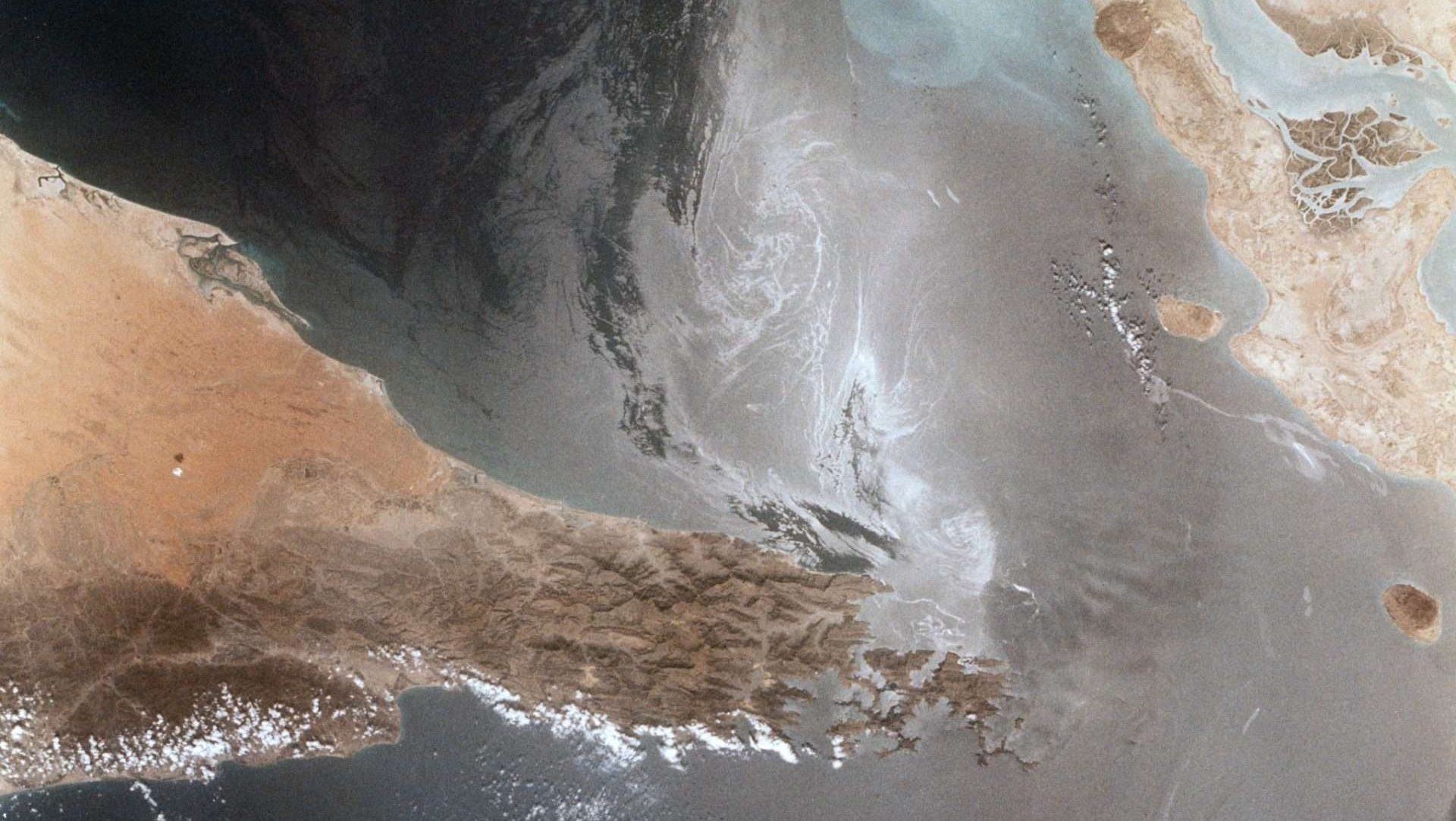
Iran and the Strait of Hormuz have entered a new phase of confrontation as Tehran changes the type and pace of attacks on vessels transiting the critical waterway, with two senior Iranian officials telling Reuters that one aim is to keep global oil prices elevated ahead of the US midterm elections.
At least five incidents involving tankers and other commercial vessels were recorded around the Hormuz area within 48 hours, according to maritime-security data and reports to the United Kingdom Maritime Trade Operations, while Iranian officials said operations would expand beyond the strait into the Gulf of Oman and more distant waters.
Iran changes its tactics in the Strait of Hormuz
The two Iranian officials told Reuters that Tehran began using different offensive methods roughly 10 days ago against vessels it considers to be violating its restrictions on passage through Hormuz.
The shift involves both the type and frequency of attacks, they said, adding that the decision was made at the highest levels of Iran’s leadership and coordinated across the governing system.
One of the officials said a central goal was to frustrate US and allied efforts to push global oil prices lower ahead of November’s congressional elections.
At least five incidents in 48 hours
Maritime-security data showed at least five incidents involving tankers and other commercial vessels in the Hormuz area over the past 48 hours.
UKMTO said a container ship and a tanker were struck by unidentified projectiles inside the strait, while a maritime-security source described the increased tempo of attacks as appearing deliberate.
Responsibility for every individual incident has not been independently established. However, senior Iranian officials acknowledged that Tehran has moved to a new offensive strategy against vessels it considers in breach of its restrictions.
Operations expand beyond Hormuz
The change is not limited to the number of attacks.
Iranian officials said the geographical scope of operations would expand beyond the Strait of Hormuz into the Gulf of Oman and waters farther away.
Analysis of incidents reported to UKMTO and regional maritime-security companies suggests that ships have already faced attacks or threats outside the strait, including waters off Qatar and the United Arab Emirates.
Profile News has previously tracked Iran’s restrictions on shipping through the Strait of Hormuz as the conflict increasingly disrupted global energy routes.
Small boats replace lost radar capability
A US military official confirmed one significant tactical shift to Reuters.
After US strikes destroyed much of Iran’s radar capability, the Islamic Revolutionary Guard Corps began using unarmed spotters aboard small boats to identify potential targets, including US naval vessels, the official said.
US forces detected Iranian spotters operating from a dhow last week and relaying targeting information to the IRGC. American forces ordered those aboard to leave before destroying the vessel, according to the official. No casualties were reported.
Tehran explicitly links the strategy to oil prices
One of the most significant elements of the new strategy is the direct connection Iranian officials drew between maritime pressure and energy prices.
One official said Tehran wanted to frustrate American efforts to push global crude prices lower.
Another compared the confrontation to a “game of chess,” saying Iran intended to prevent President Donald Trump from bringing oil prices down before the November vote.
Iran’s Foreign Ministry did not immediately respond to Reuters’ request for official comment on the officials’ statements.
Brent rises above $106
The renewed shipping threat was reflected in early Wednesday trading.
Brent crude futures rose 63 cents, or 0.6%, to $106.32 a barrel, while US West Texas Intermediate gained 66 cents, or 0.7%, to $94.80.
Both benchmarks had risen by more than $1 earlier in the session before paring gains.
Analysts linked the increase to renewed Hormuz supply concerns as well as escalating Saudi-Houthi hostilities.
Saudi Aramco adds another layer of risk
An administrative building belonging to Saudi Aramco in Dhahran was also attacked, causing a limited fire, Saudi Arabia’s Energy Ministry said. No deaths or injuries were reported.
An Aramco source told Reuters that a ballistic missile struck the company’s headquarters complex, damaging the top three floors of an office tower.
The complex contains a major operations center overseeing a broad network of oilfields, pipelines, refineries and export terminals, adding another source of concern for global energy markets.
Why Hormuz remains the world’s most sensitive oil chokepoint
Before the war, roughly one-fifth of global oil and liquefied natural gas trade moved through the Strait of Hormuz.
Restrictions and attacks have sharply reduced shipping traffic and increased insurance and freight costs, even as some crude continues to pass through the waterway.
Gulf producers have expanded the use of alternative export routes, but available infrastructure cannot fully replace normal Hormuz flows.
Washington says Iran cannot stop the export recovery
A US military official said Iran has nevertheless been unable to prevent a recent increase in oil exports through the strait, particularly after its naval forces suffered heavy losses.
OPEC data also showed Saudi Arabia sharply increased production in September, helping lift overall OPEC+ output despite disruptions caused by the conflict.
But the rise in attacks illustrates the distinction between producing oil and moving it safely through international shipping lanes.
Is Iran moving toward a full closure?
One Iranian official told Reuters that Tehran was moving toward a situation in which no vessel it considers in violation of its restrictions would be able to cross Hormuz, raising the possibility of what the official described as a complete closure.
That remains a statement from an Iranian official rather than a formal government declaration that the waterway has been fully closed.
The US Navy-led Joint Maritime Information Center continues to rate the threat to merchant shipping in Hormuz as “severe,” its second-highest threat level.
US elections enter the Hormuz confrontation
The latest development makes the Strait of Hormuz part of the US political contest as well as a military and energy-security confrontation.
Higher crude prices feed into fuel costs, inflation and transportation expenses in the United States at a time when the Iran war and its economic cost have become campaign issues ahead of the congressional elections.
According to the Iranian officials’ own account, Tehran is seeking to turn its geography into a double source of leverage: pressure on shipping itself and pressure on the price of energy that reaches American voters.
Sources
- Reuters — Iran shifting tactics to step up attacks on shipping before US vote
- Reuters — Oil prices climb as Iran deploys new tactics in Hormuz