Saudi Warning System Went Silent Before Riyadh Airport Attacks — Why Were There No Alerts?
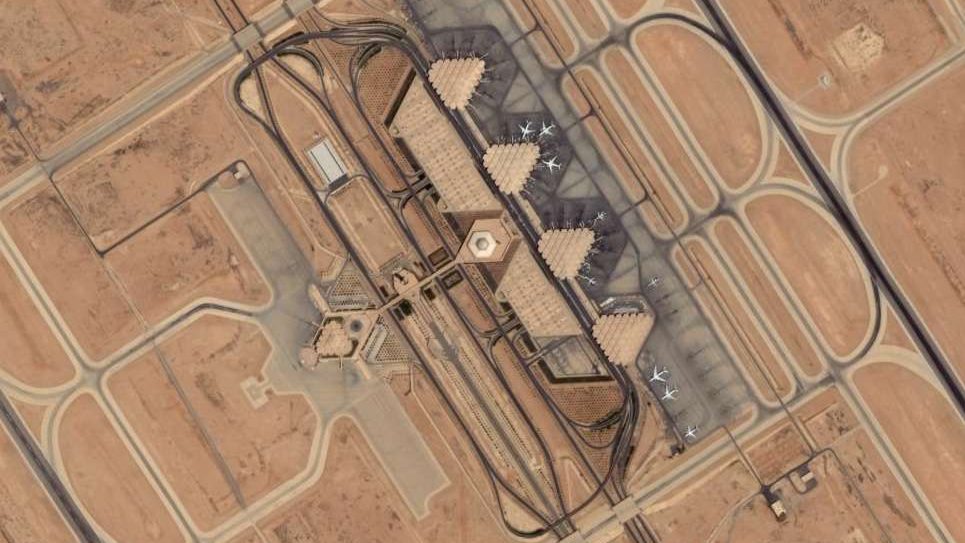
The Saudi warning system stopped issuing public alerts about imminent military threats days before a series of strikes on Riyadh’s international airport killed at least 18 people and injured more than 300, raising questions over why residents and travelers received no advance warning.
Saudi authorities have not publicly explained why no alerts were issued before four attacks on King Khalid International Airport over the past week. Regional officials and analysts told Reuters that the absence of warnings has drawn scrutiny to the kingdom’s emergency communications and its ability to protect residents and visitors during a period of escalating attacks.
When did the Saudi warning system stop?
Saudi Arabia began using a national early-warning system in May 2026 to send military threat alerts to mobile phones and official social media accounts.
The last recorded military alert before the Riyadh airport attacks was issued on September 29 for the southern province of Najran.
Civil Defence continued issuing public warnings about weather, rain and flooding afterward, but military threat alerts stopped even as Houthi attacks intensified ahead of the Riyadh airport attacks.
Why did the alerts stop?
There is no official Saudi explanation so far.
Two officials with direct knowledge of the matter told Reuters that representatives of an allied Western government had asked Saudi authorities about the suspension before the latest airport attacks.
They said they were told the alerts had become too disruptive and that citizens had complained about being awakened at night. The Saudi government media office did not confirm that account or respond to questions about the assertion.
The explanation therefore remains an attributed account from officials rather than a confirmed government reason for suspending the warnings.
Alerts returned after the airport attacks
Saudi Civil Defence resumed military threat alerts on Monday, warning of potential threats in Riyadh and southern cities. They were the first such public alerts since September 29.
Reuters could not determine whether the decision to restart the system was a direct response to the airport attacks, and Saudi authorities did not publicly explain the change.
How did other Gulf states handle the same threat?
Other Gulf governments adopted different warning policies during attacks.
Qatar’s Interior Ministry has repeatedly sent mobile alerts telling residents to remain indoors and stay away from windows, while Bahrain and Kuwait have used sirens to tell residents to seek shelter.
Saudi Arabia, meanwhile, continued to issue weather-related alerts during the period in which military warnings had gone silent.
Even embassies had no warning before the deadliest strike
Western embassies in Riyadh maintained their own internal missile and drone alerts while Saudi public warnings were suspended, according to people familiar with the systems.
Those alerts drew on Western intelligence as well as information from Saudi authorities.
But people familiar with the warnings told Reuters that even the embassies received no advance alert before Saturday’s airport strike, the deadliest attack in the recent series.
Saudi television later aired footage showing passengers waiting inside the airport terminal before a sudden explosion.
At least 18 killed and more than 300 injured
The series of attacks on Riyadh’s airport killed at least 18 people during the week, according to Saudi authorities and Reuters reporting.
Saturday’s strike alone killed 13 people and wounded more than 300, while another attack the following day killed one person and injured around 11.
The escalation forced the closure of Riyadh airport, disrupted regional aviation and prompted new travel and flight safety warnings.
Warning civilians is different from intercepting missiles
The absence of public alerts does not mean an attack itself could necessarily have been prevented. Civil warning systems and missile-defense systems perform different functions.
Early warning is designed to give civilians and travelers time to take basic protective measures such as seeking shelter, moving away from windows and avoiding exposed areas.
Analysts also noted that Saudi Arabia’s size and the number of airports, pipelines, oil installations and other critical assets make comprehensive air-defense coverage difficult.
The balance between normality and public warning
Officials and analysts cited by Reuters said Saudi authorities have been trying to balance military operations against the Houthis with efforts to prevent disruption to daily life and maintain confidence among residents, visitors and investors.
But the lack of warnings ahead of the recent attacks has put that communications strategy under new scrutiny.
The central question therefore remains unanswered publicly: why did Saudi Arabia’s military alert system fall silent as attacks intensified, and why was no warning delivered before the deadliest strike on Riyadh airport?
Sources
- Reuters — Saudi warning system stayed silent before deadly airport attacks
- Reuters — Riyadh airport attacks and casualty updates