

Lebanese Parliament Erupts in Debate as Salam Says War Decisions Belong to the State
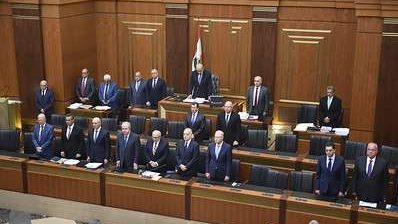
Lebanon’s Parliament saw sharp political exchanges on Tuesday, September 15, 2026, during the first day of a general debate on the government chaired by Speaker Nabih Berri. State control over weapons, negotiations with Israel, the war in southern Lebanon, reconstruction and the financial crisis dominated remarks by Prime Minister Nawaf Salam and lawmakers.
Lebanese Parliament: Salam Says Decisions on War and Peace Belong to the State
Salam opened his remarks by addressing the impact of the wars and Lebanon’s economic conditions. He said the cost of the two wars had exceeded $20 billion and could surpass $27 billion once the full cost of the 2026 war is calculated, adding that the scale of destruction exceeds the state’s ability to finance reconstruction with its current resources.
On political and security issues, Salam said sustainable stability requires the state to extend its authority across all Lebanese territory through its own institutions and to retain exclusive authority over decisions of war and peace. He also said the goal of negotiations was to secure Israel’s withdrawal from Lebanese territory, the release of prisoners and the return of residents to their villages.
Salam said the negotiations, conducted by the president in agreement with the prime minister, are being held on behalf of the Lebanese state. He described negotiations as a diplomatic means of restoring rights rather than relinquishing them. Profile News previously covered developments in this process in a report on negotiations between Lebanon and Israel and related diplomatic efforts.
Ammar and Rifi Clash Over the “Resistance”
The session turned into a heated exchange during remarks by lawmaker Ali Ammar, a member of Hezbollah’s Loyalty to the Resistance bloc, who said the “resistance will remain” as long as part of Lebanese territory remains under occupation.
Lawmaker Paula Yacoubian interrupted Ammar to object to the direction of his remarks, prompting a sharp exchange before Berri intervened. Lawmaker Ashraf Rifi later joined the dispute, telling Ammar to “take this resistance to Iran.” Ammar responded by accusing Rifi of siding with the United States and Israel.
Bassil: I Lead the Opposition, and State Control of Weapons Is Necessary
Free Patriotic Movement leader and lawmaker Gebran Bassil said he leads a “responsible opposition” and criticized the government’s performance. At the same time, he said he supported negotiations with Israel aimed at ending the war and backed placing all weapons under state control.
Bassil said Hezbollah’s weapons were no longer capable of protecting Lebanon, but warned that addressing the weapons issue by relying on outside powers would not succeed. He called for a change in the political approach.
“Framework Agreement” Fuels Parliamentary Debate
The negotiating process was one of the main areas of disagreement. Deputy Speaker Elias Bou Saab called on the government to clarify the nature of the “Framework Agreement” and what it was expected to achieve. Lawmaker Hadi Aboul Hosn said he opposed the framework in its current form and called for a clearer negotiating policy, while stressing that placing weapons exclusively under state control was no longer negotiable.
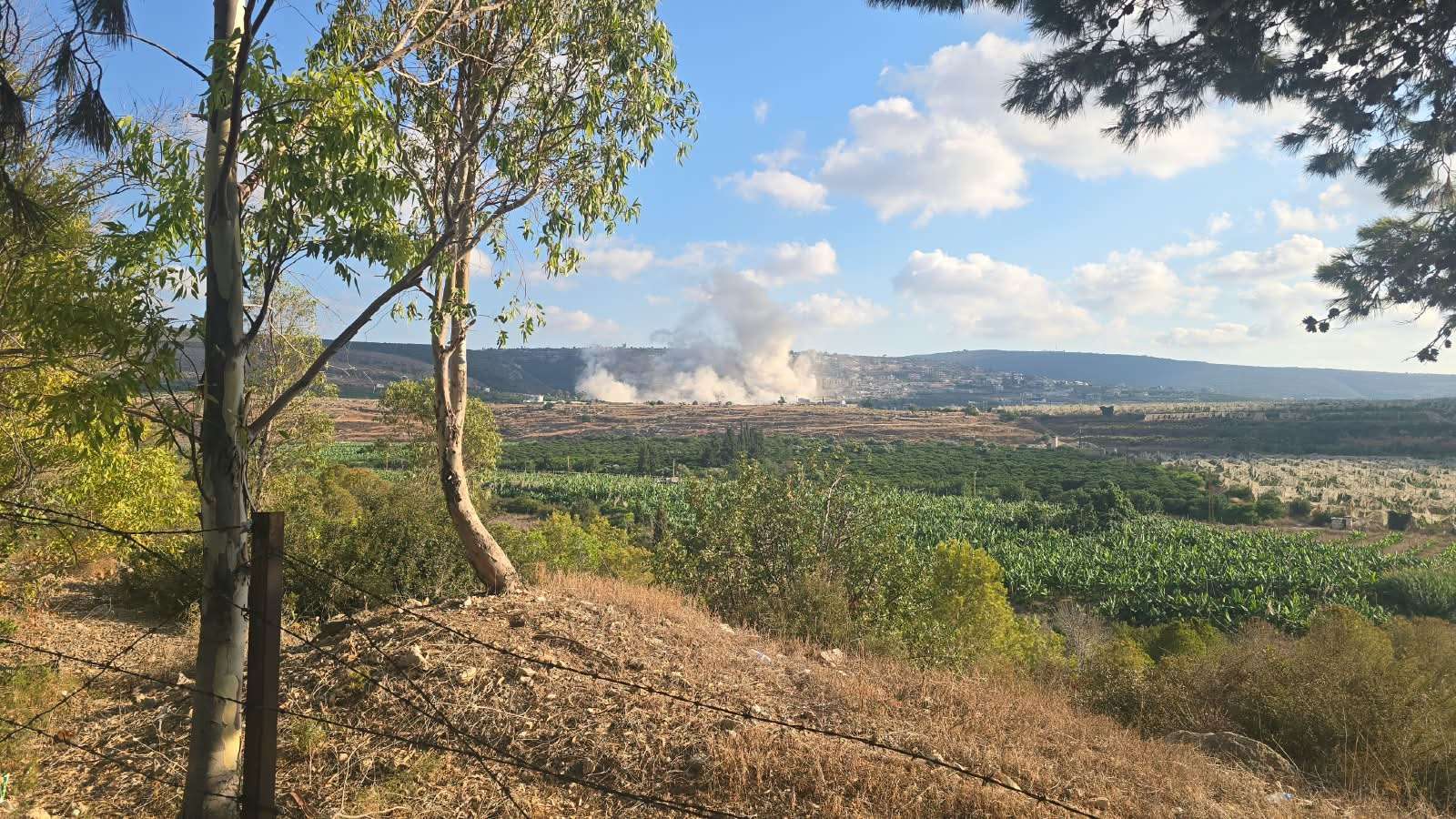
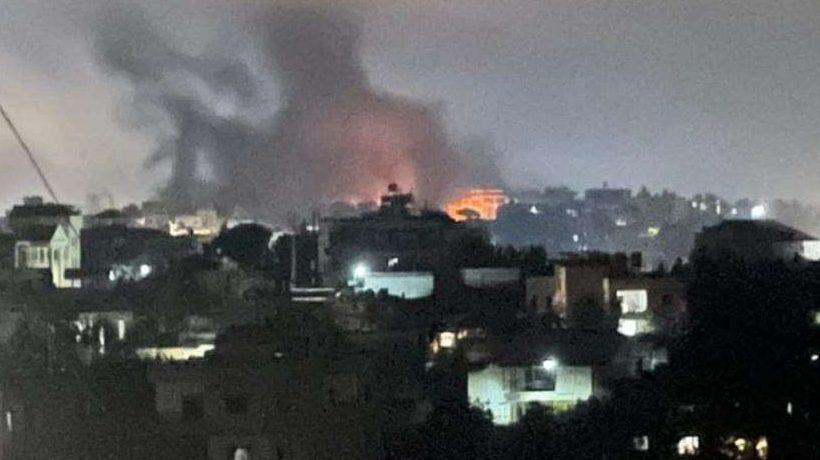
Lawmaker Ali Hassan Khalil, meanwhile, questioned what the negotiating process had achieved so far, particularly as Israeli operations and destruction continued and not all residents had returned to their villages.
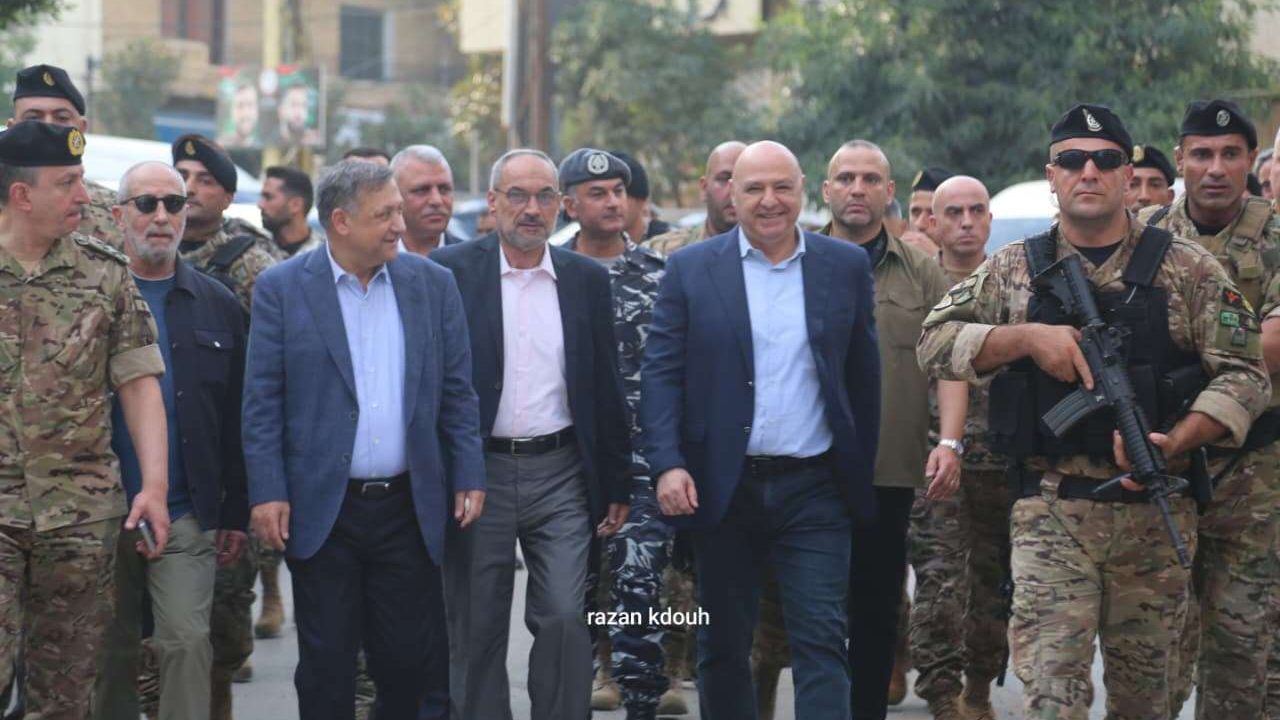
The debate also intersects with the situation in southern Lebanon and the role of the army, which Profile News covered during President Joseph Aoun’s visit to Nabatieh alongside the army commander.
Financial Gap, Electricity and Reconstruction
On economic issues, Salam said the government would not withdraw the proposed “financial gap” law and was prepared to discuss amendments in Parliament. He also said building new power plants would require billions of dollars in investment that the state could not provide on its own.
On people displaced from affected areas, Salam said the government’s goal was to return residents to their land and close shelters, while acknowledging a significant shortage of external funding for reconstruction and recovery.
Speaker Nabih Berri adjourned the session after the first day’s debate. Parliament is scheduled to resume discussions on the government at 11 a.m. on Wednesday, September 16.
Sources
- Lebanese Parliament – Official schedule for the government debate on September 15 and 16, 2026
- An-Nahar – Updated coverage of the parliamentary session, Salam’s remarks and exchanges among lawmakers
- Al Joumhouria – Nawaf Salam’s remarks on state authority over war decisions, negotiations and economic reforms
- Al Joumhouria – Gebran Bassil’s remarks on the government, state control of weapons and negotiations