EU Lebanon Mission Set for Three Years as UNIFIL Prepares to Withdraw
The European Union has formally established an EU Lebanon mission with an initial three-year mandate, expanding European security support from military training into border surveillance, maritime security, counter-smuggling, cybercrime and port governance.
The decision comes as Lebanon prepares for a major security transition in the south with UNIFIL due to end its current operations at the close of 2026. But the new European mission has not yet deployed: operational planning must first be completed, followed by a separate EU decision formally launching the mission.
EU Lebanon mission creates a new security framework
EU foreign ministers formally established the European Union Support Mission in Lebanon, or EUSM Lebanon, under the bloc’s Common Security and Defence Policy on October 12.
The mission has an initial mandate of three years and combines military and civilian components under a single political framework.
The EU says its objective is to strengthen Lebanese state institutions, reinforce security and stability and support the implementation of UN Security Council Resolution 1701.
The military pillar goes beyond basic training
The military side of the mission will advise and train the Lebanese Armed Forces in border and maritime security.
The mandate includes land-border surveillance and control, intelligence, surveillance and reconnaissance capabilities, counter-smuggling and operational coordination.
That makes the project broader than a conventional training programme. It targets capabilities the Lebanese military needs to exercise greater control over territory, borders and maritime approaches.
Internal security and Beirut port are also included
The mission’s civilian pillar will work with Lebanon’s Internal Security Forces through advisory support and specialised training.
Its priorities include cybercrime, anti-smuggling capabilities and the creation of sustainable training structures within the ISF.
The EU mandate also specifically includes support for port-security governance, including at the Port of Beirut.
The mission does not give European personnel authority to run the port or Lebanon’s security agencies. Its stated role is to strengthen Lebanese institutions through advice, training and capacity building.
Is the EU mission replacing UNIFIL?
Not directly.
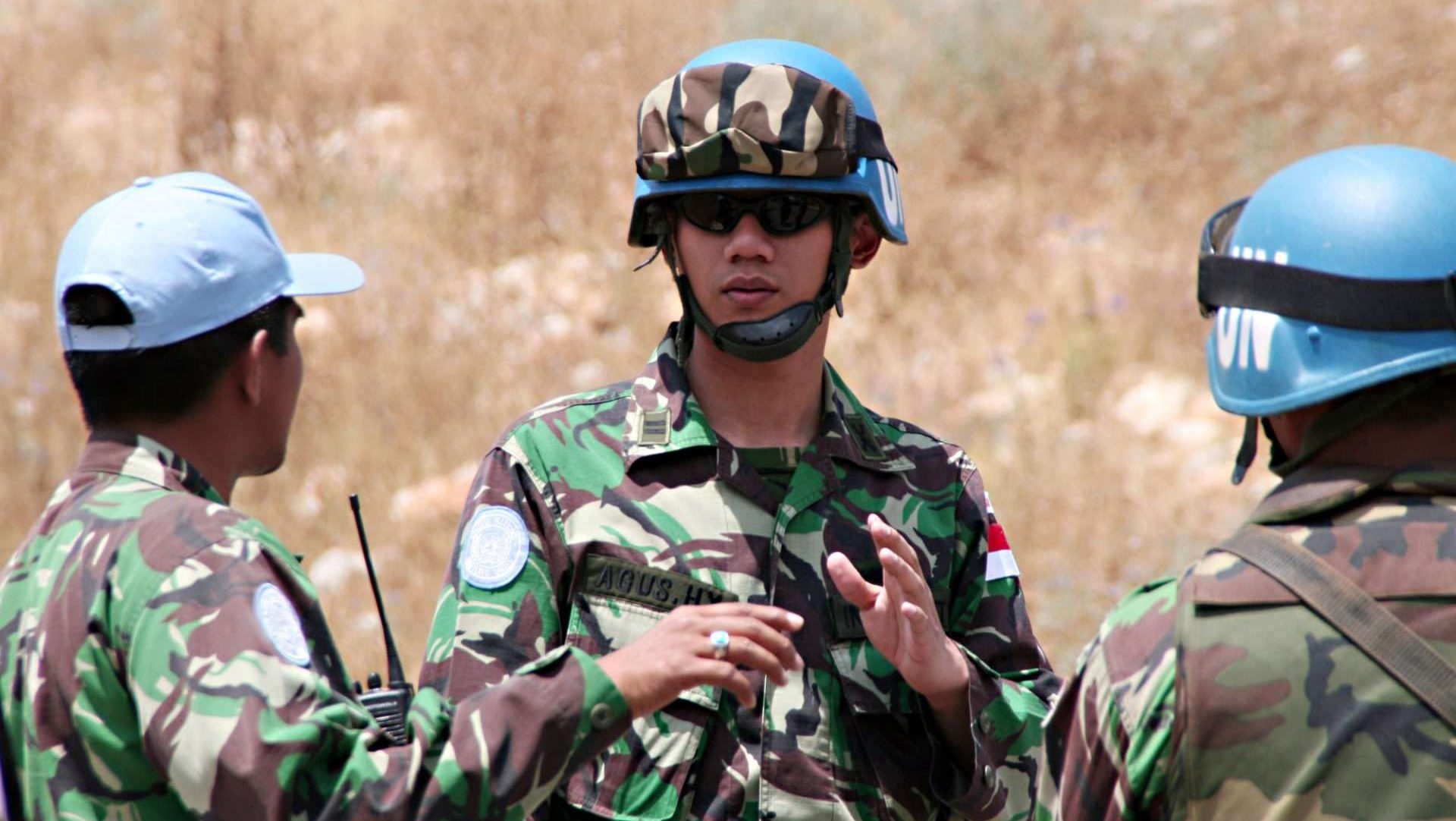
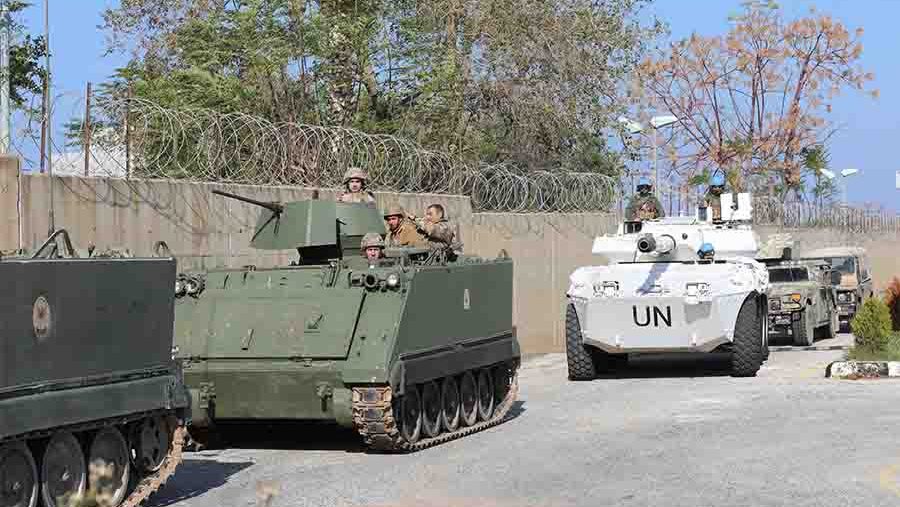
UNIFIL is a United Nations peacekeeping operation with a Security Council mandate, a physical presence in southern Lebanon and responsibilities linked to the Blue Line and the cessation of hostilities.
EUSM Lebanon is an advisory and training mission focused on Lebanese military and internal-security capabilities.
The timing, however, connects the two developments. UNIFIL is due to cease its current operations on December 31, 2026 and begin an orderly drawdown, with the Lebanese state expected to assume greater responsibility for security in the south.
More than 10 EU countries are ready to contribute
EU foreign policy chief Kaja Kallas has said more than 10 member states are prepared to contribute personnel and resources to the Lebanon mission.
The final size, composition, geographic footprint and operational budget have not yet been publicly finalised.
This means the decision creates the institutional framework first, while the practical shape of the mission will emerge through the next stage of planning.
The mission has been established but not yet launched
This distinction is important.
The October 12 decision legally establishes EUSM Lebanon, but deployment does not begin automatically.
The Council of the European Union says operational planning will now continue. Once that process is completed, the Council will adopt a separate decision formally launching the mission.
Reuters reported that European officials are aiming for deployment within the coming months.
Why Lebanon needs the additional capacity now
Lebanon is approaching a period in which its army and security institutions could be required to assume more responsibilities while the country remains under severe military, political and financial pressure.
Continued Israeli operations in southern Lebanon, the transition away from UNIFIL and the debate over exclusive state control of weapons all increase the importance of the Lebanese state’s operational capacity.
Profile News examined those overlapping pressures in its broader Lebanon crisis 2026 analysis.
What does the mission mean for the weapons debate?
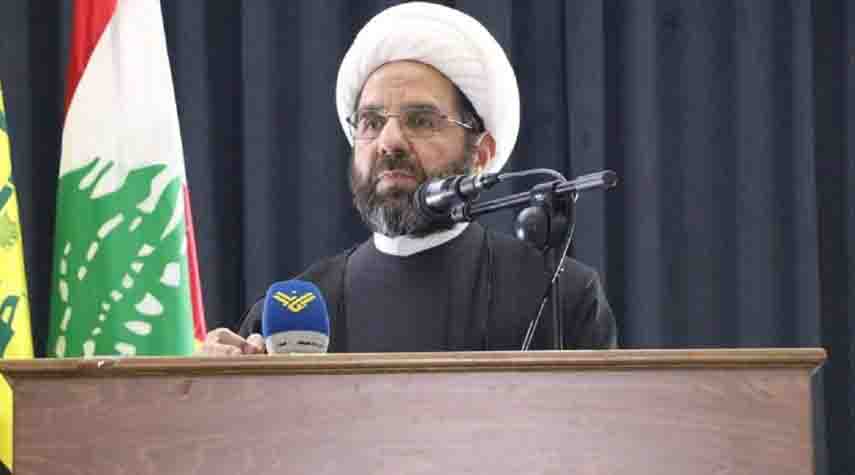
The published EU mandate does not describe EUSM Lebanon as a Hezbollah disarmament mission.
Its formal tasks focus on Lebanese state institutions, territorial control, border security, maritime security, counter-smuggling and internal-security capabilities.
Stronger state surveillance, border control and deployment capabilities could affect the wider environment in which Lebanon’s weapons debate unfolds, but that is different from giving the European mission a mandate to carry out disarmament itself.
The real test comes after the European trainers arrive
The impact of the mission will ultimately depend less on its three-year headline mandate than on whether European support produces capabilities the Lebanese state can sustain.
Training without equipment, maintenance, financing, intelligence systems and long-term institutional structures would have limited value.
The mission will therefore need to connect European assistance with Lebanese military planning and with other international support already provided to the country.
Four questions will determine the mission’s significance
Four developments now matter most for the EU Lebanon mission: when the formal launch decision is adopted; how many countries and personnel ultimately participate; what equipment, funding and technical support accompany the training; and how the mission coordinates with the Lebanese Armed Forces, the United Nations and other partners during UNIFIL’s drawdown.
The October 12 decision therefore does not mark the arrival of a new European security force in Lebanon. It creates the framework for a longer-term effort to strengthen Lebanese institutions as the country enters a more uncertain post-UNIFIL security transition.
Sources
Council of the European Union – EUSM Lebanon
Reuters – EU establishes Lebanon support mission